





Understanding Cake Stabilizer and Emulsifier: Global Uses, Benefits, and Trends
Cake Stabilizer and Emulsifier: A Crucial Ingredient in Baking and Beyond
Cake stabilizer and emulsifier might sound like specialty jargon you stumble upon only in baking blogs or industrial food chemistry reports, but their significance stretches far beyond. Globally, these compounds represent key allies in addressing food stability, texture, and shelf life - a concern that impacts everything from small bakery shops to massive humanitarian food programs. Frankly, understanding what cake stabilizers and emulsifiers do can shed light on how we tackle food security, reduce wastage, and innovate within the culinary and food processing industries.
Introduction: A Global Perspective on Cake Stabilizer and Emulsifier
Did you know that global food loss and waste account for roughly 17% of total food produced, according to the Food and Agriculture Organization of the UN? In baked goods, many factors contribute to spoilage, including moisture migration and phase separation — issues directly mitigated by cake stabilizers and emulsifiers. These additives are indispensable, especially in large-scale food manufacturing and distribution chains across Europe, Asia, and North America, ensuring consistent quality from factory to table.
Without effective stabilizers and emulsifiers, maintaining texture uniformity and preventing ingredients from separating are real challenges. This isn’t just about aesthetics; it’s about extending shelf life and improving food safety — a universal concern with real humanitarian implications.
What Exactly Are Cake Stabilizers and Emulsifiers?
Simply put, a cake stabilizer helps keep the texture and volume of cakes consistent during baking and storage. It compensates for the structural weakness in cakes caused by common ingredients like fats and sugars. An emulsifier is a substance that helps blend ingredients that otherwise wouldn’t mix well, such as oil and water, creating a smoother batter and final product.
In commercial baking, these additives transform fleeting, delicate cakes into reliably soft, fluffy, and moist treats — vital for industrial bakeries that must meet tight production and quality standards. They also dovetail with consumer demands for longer-lasting goods without chemical preservatives, aligning well with modern clean-label trends.
Core Components and Factors in Cake Stabilizers and Emulsifiers
1. Compatibility With Ingredients
The effectiveness of stabilizers and emulsifiers depends on how well they interact with other recipe components — proteins, fats, sugars, and liquids. Oddly enough, the same emulsifier that works wonders in one cake recipe might fall flat in another because of differing ingredient ratios.
2. Thermal Stability
Cake batter undergoes significant heat changes during baking. The chosen emulsifier must tolerate heat without breakdown, ensuring texture and volume are maintained after baking and through shelf life.
3. Shelf Life Extension
By preventing moisture migration and maintaining structure, cake stabilizers and emulsifiers can extend product shelf life. This means fewer returns, less wastage, and reduced costs — both critical for large-scale bakeries and humanitarian food distributions.
4. Safety and Regulatory Compliance
Given the rising demand for clean-label products, many manufacturers now prioritize naturally derived stabilizers/emulsifiers approved by global regulatory bodies like the FDA and EFSA, ensuring safety without sacrificing function.
Global Applications and Use Cases
- Industrial bakeries: Large-scale manufacturers in the US and EU use cake stabilizers and emulsifiers to maintain consistent batch quality.
- Developing markets: In countries with limited cold-chain infrastructure, these additives help products remain fresh longer on shelves, such as in parts of Africa and Southeast Asia.
- Humanitarian food programs: Post-disaster relief operations rely on shelf-stable baked goods for nutritional support, depending on these compounds.
- Food innovation labs: Chefs and food scientists experiment with natural emulsifiers like lecithin to replace synthetic ones, responding to consumer preferences.
For more detailed product options, manufacturers often refer to a trusted source like cake stabilizer and emulsifier.
Product Specification of a Typical Cake Stabilizer and Emulsifier Blend
| Specification | Value |
|---|---|
| Appearance | White to off-white powder |
| pH (10% solution) | 5.5 - 7.0 |
| Solubility | Easily dispersible in water |
| Moisture Content | <8% |
| Thermal Stability | Up to 200°C |
| Shelf Life | 18-24 months (sealed) |
Vendor Comparison: Cake Stabilizer and Emulsifier Options
| Vendor | Natural Ingredients | Cost per kg (USD) | Customer Support | Global Distribution |
|---|---|---|---|---|
| Tenger Chemical | Yes | $4.50 | 24/7 Technical Support | Worldwide |
| Baker’s Choice Inc. | Partial | $5.20 | Business Hours Only | North America, Europe |
| Global Emulsifiers Ltd. | No | $3.80 | Limited | Asia, Africa |
Advantages and Long-Term Value of Cake Stabilizer and Emulsifier
Integrating stabilizers and emulsifiers into production chains comes with some solid advantages. On a purely technical level, they lend consistent texture and volume, reduce ingredient separation, and extend shelf life — which means less spoilage, more satisfied customers, and improved profitability.
But, honestly, there’s an emotional and ethical layer too. Better food stability means better food security; fewer spoiled products mean less waste, helping promote sustainability globally. Plus, companies get to foster trust and brand loyalty because consumers can rely on their cake to “be just right” every single time.
Future Trends and Innovations
Looking forward, the industry seems poised to embrace more natural, plant-based stabilizers and emulsifiers — think extracts from peas, soy, or sunflower lecithin — addressing both consumer health concerns and environmental sustainability. Automation in mixing and baking processes also allows these additives to be more precisely dosed for optimized performance.
Furthermore, digital innovations such as AI-driven formulation adjustments might soon tailor stabilizer blends specific to regional ingredients and tastes — odd, but fascinating to imagine!
Challenges and How to Overcome Them
One ongoing challenge is balancing clean-label demands with functional performance. Natural additives sometimes don’t match up to synthetic ones in terms of texture or shelf life, requiring advanced research and clever formulation tweaks.
There’s also the supply chain factor — sourcing high-quality natural emulsifiers consistently can be tricky and expensive. Partnering with trusted suppliers and investing in robust quality control help mitigate this.
FAQ: Frequently Asked Questions About Cake Stabilizer and Emulsifier
- Q: What are the primary differences between cake stabilizers and emulsifiers?
A: Cake stabilizers primarily maintain structure and volume, preventing collapse post-baking, while emulsifiers help blend water and fats into a uniform batter. Both work synergistically in most recipes. - Q: Are cake stabilizers and emulsifiers safe for consumption?
A: Yes, when sourced from reputable suppliers compliant with FDA or EFSA regulations, these additives are tested and safe within recommended usage levels. - Q: Can natural emulsifiers replace synthetic ones without losing quality?
A: Natural emulsifiers like lecithin can work well but might require recipe adjustments. Complete replacement without affecting shelf life and texture is possible but depends on product specifics. - Q: How can small bakeries access quality stabilizers?
A: Small businesses can purchase small batch quantities from specialty ingredient suppliers or online distributors like cake stabilizer and emulsifier providers who cater to various scales.
Conclusion
In the grand scheme, cake stabilizer and emulsifier technologies are quietly powering much of the food industry’s ability to deliver quality, consistency, and safety — on a global scale. Whether you’re a baker in New York or a relief worker distributing emergency food supplies, these compounds matter. For those interested in learning more or sourcing reliable additives, visit https://www.tengerchemical.com – it’s a great starting point.
A quick takeaway: Sometimes, what seems like a tiny ingredient can have outsized impacts on global food stability and sustainability.
-
The Essential Guide to Sorbates as Food Preservatives for SafetyNewsApr.16,2026
-
The Ultimate Guide to Sorbate Preservative in Modern IndustryNewsApr.09,2026
-
Comprehensive Guide to Sodium Stearoyl Lactylate Emulsifier Applications and BenefitsNewsApr.07,2026
-
Comprehensive Guide to Sodium Cyclamate Sweetener Properties and ApplicationsNewsApr.04,2026
-
Comprehensive Guide to Sodium Citrate Food Additive and Its ApplicationsNewsMar.31,2026
-
Comprehensive Guide to Sodium Bicarbonate Food Additive Applications and BenefitsNewsMar.28,2026
-
Understanding Sodium Benzoate Preservative in Cosmetics and Its ApplicationsNewsMar.26,2026
Hebei Tenger Chemical Technology Co., Ltd. focuses on the chemical industry and is committed to the export service of chemical raw materials.
-
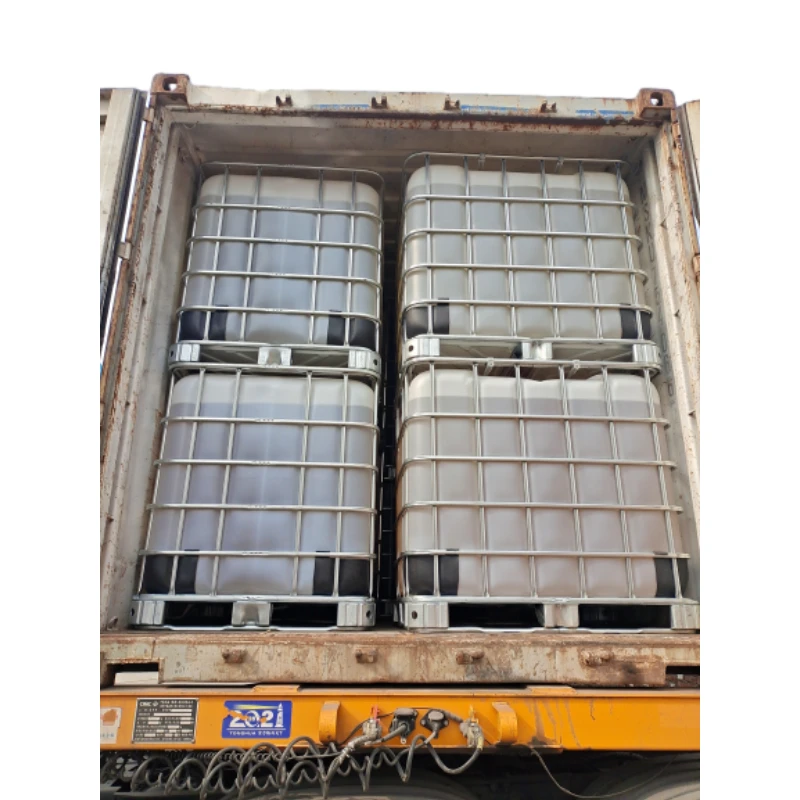
view more DiethanolisopropanolamineIn the ever-growing field of chemical solutions, diethanolisopropanolamine (DEIPA) stands out as a versatile and important compound. Due to its unique chemical structure and properties, DEIPA is of interest to various industries including construction, personal care, and agriculture. -
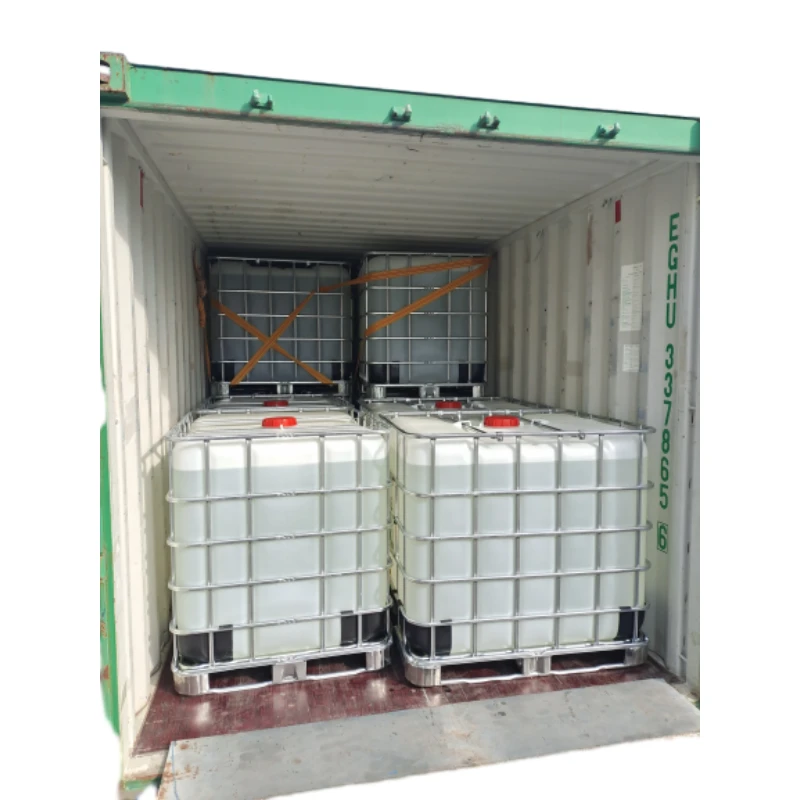
view more TriisopropanolamineTriisopropanolamine (TIPA) alkanol amine substance, is a kind of alcohol amine compound with amino and alcohol hydroxyl, and because of its molecules contains both amino and hydroxyl. -
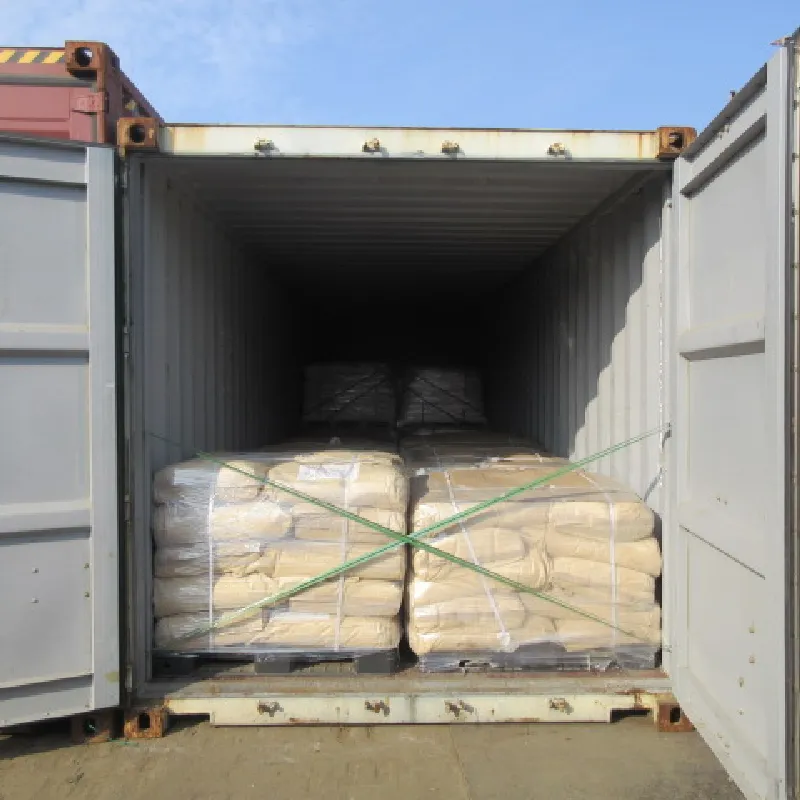
view more Tetramethyl Thiuram DisulfideTetramethyl thiuram disulfide, also known as TMTD, is a white to light-yellow powder with a distinct sulfur-like odor. It is soluble in organic solvents such as benzene, acetone, and ethyl acetate, making it highly versatile for use in different formulations. TMTD is known for its excellent vulcanization acceleration properties, which makes it a key ingredient in the production of rubber products. Additionally, it acts as an effective fungicide and bactericide, making it valuable in agricultural applications. Its high purity and stability ensure consistent performance, making it a preferred choice for manufacturers across various industries.