





Understanding the Impact of Direct Food Additives on Health and Nutrition Choices
Understanding Direct Food Additives Their Role and Importance in Modern Diets
Food additives play a pivotal role in the food industry, and among them, direct food additives stand out as essential components that enhance food products' quality, safety, and overall appeal. Direct food additives are substances purposely added to food during its processing and production to achieve specific functionalities, such as preservation, flavor enhancement, textural improvement, or to maintain nutritional content.
Types of Direct Food Additives
Direct food additives can be categorized based on their functions. Common types include
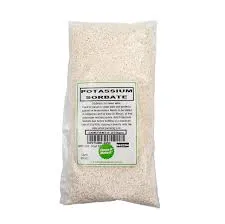
1. Preservatives These additives are crucial for extending the shelf life of food products by preventing spoilage due to microbial growth and oxidation. Examples include sodium benzoate and potassium sorbate. By inhibiting bacteria, molds, and yeasts, preservatives ensure that food remains safe for consumption over time.
2. Coloring Agents Often used to enhance or restore the color of food, coloring agents can be natural, such as beet juice extract, or synthetic, like Red 40. These additives not only make food visually appealing but also help in brand recognition and marketing.
3. Flavor Enhancers Ingredients such as monosodium glutamate (MSG) and various herbs and spices fall under this category. They are added to boost and enrich the food's flavor, making it more enjoyable for consumers. Flavor enhancers can sometimes evoke nostalgia, connecting people to cherished culinary traditions.
4. Texturizers Textural additives improve the mouthfeel and consistency of food products. Examples include gelatin, pectin, and xanthan gum, which can help thicken sauces or stabilize emulsions, ensuring that products have the desired texture and stability.
5. Nutritional Additives These substances are added to fortify food products with essential vitamins and minerals. For instance, vitamin D may be added to milk, while iron can be incorporated into breakfast cereals. Such fortification addresses nutritional deficiencies in populations and contributes to public health initiatives.
The Importance of Food Additives
direct food additives
The incorporation of direct food additives is vital for several reasons
- Food Safety By preventing spoilage and contamination, these additives play a critical role in ensuring the food supply remains safe for consumption. The use of preservatives helps combat foodborne illnesses, particularly in processed and prepared foods.
- Quality Assurance The consistency of taste, appearance, and texture can make or break a product's success in the market. Direct food additives help achieve the uniformity necessary for consumer acceptance and satisfaction.
- Economic Efficiency By extending shelf life and improving quality, food manufacturers can reduce waste and improve profitability. This efficiency is particularly important in a world where food scarcity and wastage are significant concerns.
- Consumer Demand Modern consumers often seek convenient, tasty, and visually appealing food products. Direct food additives enable manufacturers to meet these demands while maintaining the food's nutritional integrity.
Regulatory Oversight and Safety
While direct food additives provide numerous benefits, their use is closely monitored and regulated by government agencies, such as the Food and Drug Administration (FDA) in the United States. Before an additive is approved for use, it must undergo rigorous testing to ensure its safety for consumers. This process includes thorough assessments of potential health impacts and must meet established food safety standards.
Conclusion
In conclusion, direct food additives are indispensable allies in the food industry, contributing to food safety, quality, and consumer satisfaction. As regulations evolve and consumers become more health-conscious, the ongoing development of safe and effective food additives is essential. Understanding the role of these substances not only enhances our appreciation of the food we eat but also promotes informed choices in our diets. Whether one views them with skepticism or sees their benefits, direct food additives are a fundamental aspect of modern food production that is here to stay.
-
How to Choose Dimethyl Disulfide DMDS for Industrial UseNewsNov.09,2026
-
Aspartame Buyer FAQ: Sweetness, Specifications and ApplicationsNewsNov.02,2026
-
Aluminum Hydroxide FAQ: Specifications, Ordering and Support QuestionsNewsOct.28,2026
-
Improve Crop Yield with Premium Calcium Boron FertilizerNewsJul.01,2026
-
Ultimate Guide to Cal Mag Fertilizer for Boosting Plant HealthNewsJun.29,2026
-
Maximize Crop Recovery Using High Performance Bounce Back FertilizerNewsJun.27,2026
-
Maximize Crop Yields and Soil Health with Biozyme FertilizerNewsJun.26,2026
Hebei Tenger Chemical Technology Co., Ltd. focuses on the chemical industry and is committed to the export service of chemical raw materials.
-
view more Tplyltriazole(TTA)Tplyltriazole is a powerful and versatile corrosion inhibitor,it is a white particle or powder that is easily hygroscopic and can be processed into large, small, columnar, fine, or powdered shapes.It is a highly effective solution for preventing rust and corrosion on a variety of metal surfaces, making it an ideal choice for a wide range of applications. -

view more Formic AcidFormic acid, is a colorless, pungent-smelling liquid.With its unique properties and diverse applications that serves a wide range of industrial and commercial applications. -
view more Aluminum HydroxideAluminum Hydroxide, a versatile and essential product for a wide range of applications.This product is a white, amorphous powder that is insoluble in water and has a variety of uses in industries such as pharmaceuticals, cosmetics, and manufacturing.