





What is a Flour Bleaching Agent? Benefits, Uses & Future Trends
Understanding Flour Bleaching Agents: What They Are and Why They Matter
Flour bleaching agents might not be on everyone’s radar, but they play an unexpectedly significant role in the flour milling and baking industries worldwide. Essentially, these chemical substances alter the color and some baking properties of flour, making it whiter and often more consistent. Given how staple flour is in food manufacturing and daily consumption, understanding these agents can reveal a lot about food quality, safety, and even regulations globally.
Why does this matter? Well, as the global population grows, so does the demand for reliable, visually appealing, and longer shelf-life flour products. Bleached flours frequently show up in commercial bread, cakes, and other bakery products. Knowing the ins and outs of flour bleaching agents can help food manufacturers optimize product quality, while consumers gain clarity about what’s in their food.
Introduction: The Global Context of Flour Bleaching Agents
Flour bleaching agents are used in millions of tons of flour produced annually. According to the Food and Agriculture Organization (FAO), global wheat flour production reached over 750 million metric tons in recent years. Within this context, the use of bleaching agents addresses specific consumer and industrial needs — such as flour uniformity and baking performance. Frankly, it’s a niche detail but with wide-reaching impact.
In many regions, especially where baking traditions demand fine white flour (such as North America and parts of Europe), bleaching agents serve to speed up an otherwise long maturation process of flour. This maturation naturally whitens the flour but takes weeks. The agents help producers meet market demand quickly while maintaining consistent quality.
That said, they do raise debates regarding food safety and nutrition, especially since these agents involve chemical additives. Regulations vary across the globe – with authorities like the European Food Safety Authority (EFSA) and the U.S. FDA setting limits and guidelines.
What Exactly is a Flour Bleaching Agent?
Simply put, a flour bleaching agent is a chemical compound added during the milling process to whiten the flour. Beyond color, some agents improve baking properties—like dough strength or gas retention—but their primary purpose is visual appeal and accelerated maturation.
Common examples include benzoyl peroxide, chlorine gas, chlorine dioxide, and azodicarbonamide (though the latter is controversial and banned in several countries). For those curious about the chemistry, these compounds typically oxidize the carotenoids naturally present in flour, which are responsible for its creamy tint.
These agents tie back to modern food manufacturing demands, ensuring white flour is available quickly and consistently. This consistency is crucial for large bakeries, food service providers, and humanitarian aid organizations that rely on predictable flour quality to run operations smoothly.
Core Aspects of Flour Bleaching Agents
1. Effectiveness and Speed
The primary reason to use bleaching agents is to accelerate flour maturation — a natural process that otherwise requires storage for weeks. Bleaching agents chemically simulate this aging, producing white flour rapidly.
2. Impact on Baking Performance
Depending on the agent, the dough’s strength and elasticity can be altered. For instance, chlorine gas improves cake flour’s baking qualities by affecting protein structure, yielding softer crumb textures.
3. Regulatory Compliance
Strict regulations govern which bleaching agents can be used, in what quantities, and under which conditions. Compliance ensures food safety and consumer trust.
4. Consumer Perception and Transparency
Increasingly, consumers demand transparency and prefer “clean label” products—so some manufacturers opt for unbleached flour or alternative maturation methods. This pressure influences industry practices considerably.
5. Environmental Considerations
Some bleaching agents have environmental concerns both in production and residual chemicals in food. Sustainability standards are pushing the industry to innovate alternative methods and greener agents.
Flour Bleaching Agent Specifications
| Agent | Chemical Type | Effect | Common Applications | Regulatory Status |
|---|---|---|---|---|
| Benzoyl Peroxide | Organic peroxide | Whitening by oxidation of carotenoids | Bread flour, cake flour | FDA approved (U.S.) |
| Chlorine Gas | Halogen gas | Bleaching + improves cake flour texture | Cake flour, pastry flour | Approved in U.S., banned in EU |
| Azodicarbonamide | Chemical bleaching agent | Whitens and strengthens dough | Industrial use mostly | Banned in several countries due to health concerns |
Global Applications & Use Cases
Flour bleaching agents are ubiquitous but vary by region. In North America, benzoyl peroxide is widely used for its safety and effectiveness. In contrast, many EU countries ban chemical bleaching altogether, favoring unbleached or naturally matured flours.
In humanitarian aid contexts, particularly during large-scale food relief efforts, using bleached flour ensures consistent performance under challenging conditions. For example, large NGOs prefer flour treated with bleaching agents when baking high volumes of bread for displaced populations — the better shelf life and visual appeal add critical value.
Meanwhile, in emerging markets, the introduction of bleaching agents in industrial milling helps meet international export standards by ensuring flour color consistency demanded by overseas buyers. This compliance can directly impact a country’s grain exports and agricultural economy.
Advantages & Long-Term Value of Flour Bleaching Agents
- Consistency: Produces uniform white flour preferred by many consumers and bakeries.
- Speed: Accelerates flour maturation, shortening storage needs.
- Enhanced Baking Properties: Some agents improve cake texture and dough pliability.
- Economic Benefits: Reduces inventory costs and increases production efficiency.
- Trust & Safety: When used properly under regulations, bleaching agents are safe and reliable.
Emotionally, consumers associate whiteness with purity and quality, making bleached flour a staple in commercial baking. However, the trend towards natural, unbleached flours is putting pressure on the industry to innovate.
Future Trends & Innovations
The future for flour bleaching agents is quite intriguing. There’s ongoing research into greener bleaching compounds derived from natural oxidizers or enzymatic treatments that might replace synthetic chemicals. Digital milling technologies also promise better control over flour characteristics, reducing the need for harsh additives.
Policymakers and consumers alike push for more transparent labeling and healthier practices, which is kind of forcing the industry to balance performance with sustainability. Oddly enough, some flour producers are revisiting old methods of natural aging combined with tech improvements to avoid bleach altogether.
Challenges & Solutions
Despite benefits, challenges include regulatory restrictions, consumer skepticism, and environmental concerns. Misuse or overuse can lead to off-flavors or health risks, so strict quality control is vital.
Innovative approaches involve:
- Developing enzymatic bleaching processes.
- Hybrid maturation techniques combining mild bleaching with natural aging.
- Better education programs to improve consumer understanding of safety standards.
FAQ About Flour Bleaching Agents
- How do flour bleaching agents affect the nutritional value of flour?
- Generally, bleaching agents primarily affect color and baking properties but have minimal impact on essential nutrients. However, overuse or improper application can cause slight nutrient loss, so regulations limit amounts strictly.
- Are flour bleaching agents safe for children and sensitive populations?
- When used within regulatory guidelines, bleaching agents like benzoyl peroxide are considered safe. Nevertheless, some consumers prefer unbleached flours for babies or those with allergies, and manufacturers often note recommendations on packaging.
- Can I bake with unbleached flour instead?
- Definitely! Unbleached flour is common and perfectly fine for most baking tasks. It might have a creamier color and strong flavor but for many artisanal bakers, that’s preferable.
- Why is chlorine gas banned as a bleaching agent in some countries?
- Chlorine gas can leave residues and affect food safety perceptions. The European Union, for example, banned it over concerns about chemical byproducts and consumer health, pushing producers toward alternative agents.
- Where can I find more information on flour additives and regulations?
- Trusted sites include the FDA, EFSA, and global standards like ISO for food additives.
Vendor Comparison Table for Common Flour Bleaching Agents
| Vendor | Product Name | Agent Type | Pricing (per ton) | Region Availability | Certifications |
|---|---|---|---|---|---|
| Tenger Chemical | Benzoyl Peroxide Grade A | Benzoyl Peroxide | $2,000 - $2,200 | Global | FDA, ISO Certified |
| FlourChem Corp. | Peroxide Plus | Benzoyl Peroxide | $1,800 - $2,000 | North America, Europe | FDA Approved |
| GreenBleach Ltd. | Eco-Bleach | Enzymatic Bleaching Agent | $2,500 - $3,000 | Europe, Asia | Organic Certified |
Conclusion: Why Flour Bleaching Agents Still Matter
At the end of the day, flour bleaching agents quietly support a large slice of global food production. They enable faster, more consistent flour maturation that meets the commercial and consumer demands of today’s world. Their value — from cost-efficiency to baking improvements — is well documented, even if their use remains somewhat controversial.
For manufacturers, understanding these agents means better product control and compliance, while for consumers it offers insight into what’s behind that simple bag of flour. Curious to learn more or source high-quality chemicals? Visit Tenger Chemical for comprehensive options and expert guidance.
Mini takeaway: Flour bleaching agents might feel like a small ingredient in the vast food industry recipe, but their impact on quality, speed, and economics is anything but minor.
References:
-
The Essential Guide to Sorbates as Food Preservatives for SafetyNewsApr.16,2026
-
The Ultimate Guide to Sorbate Preservative in Modern IndustryNewsApr.09,2026
-
Comprehensive Guide to Sodium Stearoyl Lactylate Emulsifier Applications and BenefitsNewsApr.07,2026
-
Comprehensive Guide to Sodium Cyclamate Sweetener Properties and ApplicationsNewsApr.04,2026
-
Comprehensive Guide to Sodium Citrate Food Additive and Its ApplicationsNewsMar.31,2026
-
Comprehensive Guide to Sodium Bicarbonate Food Additive Applications and BenefitsNewsMar.28,2026
-
Understanding Sodium Benzoate Preservative in Cosmetics and Its ApplicationsNewsMar.26,2026
Hebei Tenger Chemical Technology Co., Ltd. focuses on the chemical industry and is committed to the export service of chemical raw materials.
-
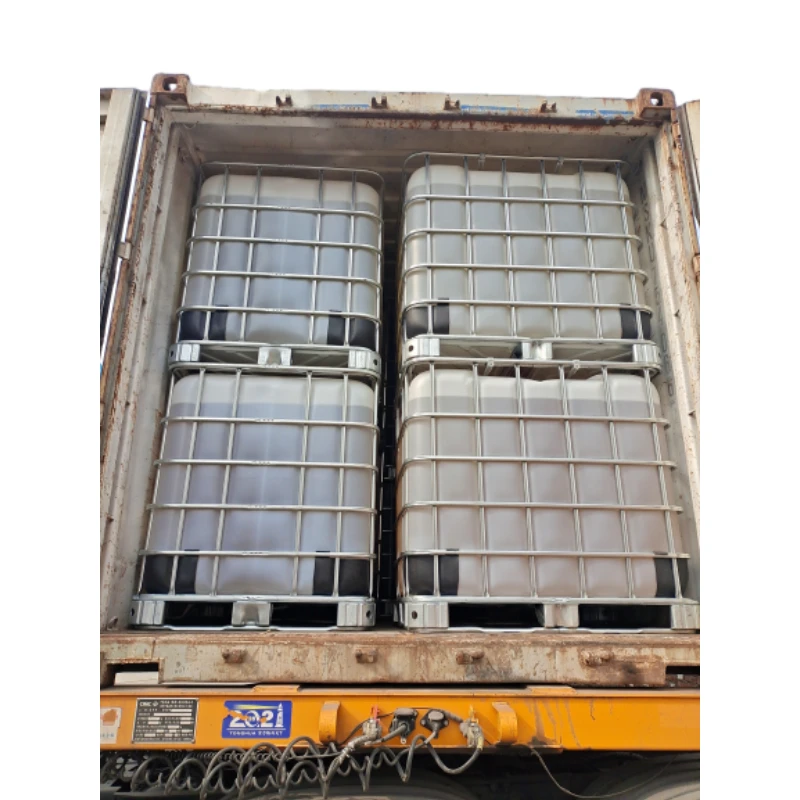
view more DiethanolisopropanolamineIn the ever-growing field of chemical solutions, diethanolisopropanolamine (DEIPA) stands out as a versatile and important compound. Due to its unique chemical structure and properties, DEIPA is of interest to various industries including construction, personal care, and agriculture. -
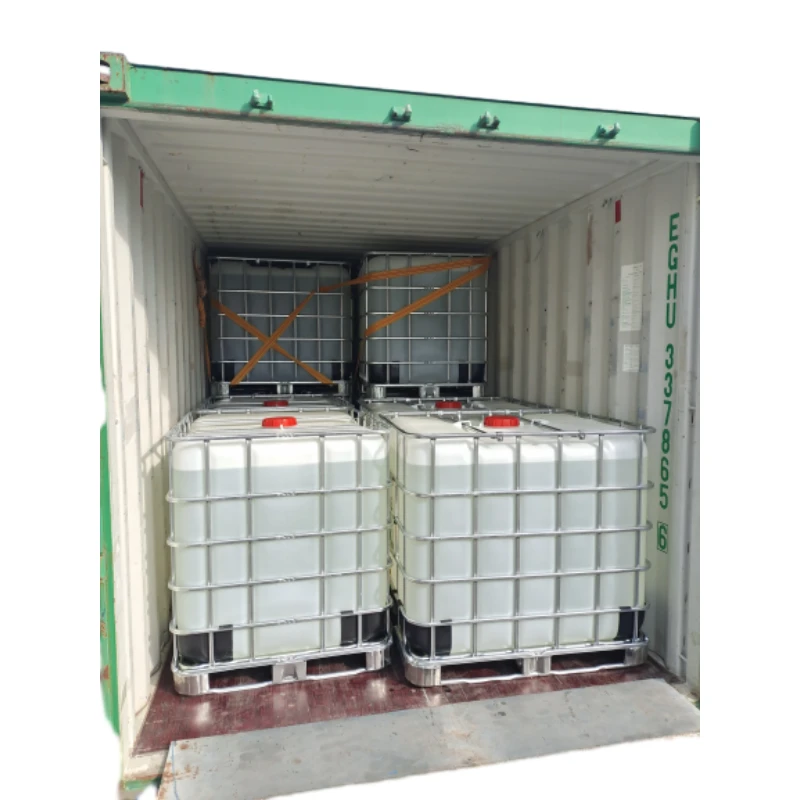
view more TriisopropanolamineTriisopropanolamine (TIPA) alkanol amine substance, is a kind of alcohol amine compound with amino and alcohol hydroxyl, and because of its molecules contains both amino and hydroxyl. -

view more Tetramethyl Thiuram DisulfideTetramethyl thiuram disulfide, also known as TMTD, is a white to light-yellow powder with a distinct sulfur-like odor. It is soluble in organic solvents such as benzene, acetone, and ethyl acetate, making it highly versatile for use in different formulations. TMTD is known for its excellent vulcanization acceleration properties, which makes it a key ingredient in the production of rubber products. Additionally, it acts as an effective fungicide and bactericide, making it valuable in agricultural applications. Its high purity and stability ensure consistent performance, making it a preferred choice for manufacturers across various industries.