





Acidity Regulator 330 331 | Global Uses, Benefits & Future Trends
Getting to Know Acidity Regulator 330 331: Why It Matters Globally
Acidity regulators 330 and 331 may sound like just another set of numbers in a sprawling chemical catalog, but they play surprisingly critical roles across various industries globally. In a nutshell, these regulators—commonly known as citric acid (330) and sodium citrates (331)—help ensure product stability, safety, and quality. Understanding their function unlocks not only better manufacturing outcomes but also raises important considerations for sustainability and human health worldwide.
Why the fuss? Well, acidity regulation is about more than preventing your soda from tasting off or cheese from spoiling. It's a big piece of the puzzle in food safety, pharmaceuticals, cosmetics, and even water treatment. Given the UN’s projection that global food demand will jump by 50% by 2050 (source: FAO), effective acidity control—via agents like 330 and 331—will be embedded in meeting this challenge safely and sustainably.
The World Needs Acidity Regulators: A Global Perspective
To give you some scale: the global market for acidity regulators is growing at a steady clip of 4.5% annually, fuelled largely by demand in emerging economies (MarketWatch, 2023). Acidic and alkaline balancing isn't just a manufacturing quirk—it’s a frontline defense against microbial spoilage and chemical degradation that could lead to massive wastage or even health risks.
Yet, the challenge is balancing efficacy with safety, especially in developing nations where regulation might lag. Controlling acidity with substances like citric acid (330) and sodium citrate (331) provides a low-cost, versatile solution usable in everything from canned products to medicines and even industrial cleaning agents.
What Exactly Are Acidity Regulators 330 and 331?
Simply put, acidity regulators are additives used to adjust or maintain the acidity or alkalinity of food and other products. Numbered 330 and 331 on the International Numbering System (INS), 330 refers to citric acid—a naturally occurring organic acid found in citrus fruits—and 331 covers its sodium salts, primarily monosodium citrate, disodium citrate, and trisodium citrate. Together, they work like chemical bouncers, managing the pH levels to keep products stable and palatable.
In modern industry, they’re indispensable—offering predictable control over acidity that might otherwise cause spoilage, corrosion, or consumer discomfort. Moreover, their relatively low toxicity and biodegradability line up with current global pushes for greener manufacturing.
Core Components & Practical Aspects
1. Versatility
What strikes me most is how widely these compounds are used. From soft drinks and jams to detergents and pharmaceuticals, acidity regulators 330 331 adapt to multiple contexts. Their solubility and flavor profile lend themselves well to both industrial and home use.
2. Safety Profile
Citric acid and its sodium salts boast Generally Recognized As Safe (GRAS) status by the FDA, backed by decades of use. This safety helps manufacturers cater to health-conscious consumers increasingly wary of synthetic additives.
3. Cost Efficiency
Compared to other acidity regulators, 330 and 331 dramatically cut down waste and spoilage costs—a no-brainer for producers aiming at lean operations.
4. Environmental Impact
Interestingly, these regulators biodegrade quickly, unlike some synthetic chemicals. This biodegradability aligns with ISO standards for sustainable chemical use and waste management, a growing priority worldwide.
5. Shelf-Life Extension
By controlling pH, they dramatically slow microbial growth, contributing to longer-lasting products—especially critical in regions without robust refrigeration infrastructure.
Mini Takeaway:
Acidity regulators 330 331 combine flexibility, safety, and sustainability in a compact package with wide-reaching benefits across sectors. It’s no surprise they’re a staple ingredient in global production lines.
Global Applications: Where These Regulators Shine
Let’s map out a few real-world examples:
- Food & Beverage Industries: From European factory bottling plants to artisanal jam makers in Southeast Asia, these acidity regulators guarantee freshness and taste without artificial preservatives.
- Pharmaceuticals: They balance pH levels in syrups, effervescent tablets, and injectables, enhancing stability and patient safety.
- Cosmetics: Maintaining pH levels that are skin-friendly is key in lotions and creams; 330 and 331 help maintain that delicate balance.
- Water Treatment: Municipal systems use them to adjust alkalinity, reducing pipe corrosion and ensuring potable quality.
- Post-Disaster Relief: Emergency food supplies need long shelf lives without refrigeration—here, stable acidity is vital.
Mini Takeaway:
Functionally, acidity regulators 330 331 make safe, sustainable production possible worldwide—from urban factory floors to remote field operations.
Advantages & Long-Term Value
Sure, the immediate win is product stability—but it goes deeper:
- Economic savings: Less waste means less cost. Producers save millions each year.
- Consumer trust: Stable products with consistent taste and safety boost brand loyalty.
- Environmental benefits: Biodegradability reduces pollution risks.
- Health & Safety: Carefully controlled acidity can inhibit pathogen growth, protecting public health.
I often think about how these small chemical actors indirectly reduce hunger and illness by preserving food quality better — a kind of quiet heroism at the molecular level.
Product Specification Table
| Specification | Citric Acid (330) | Sodium Citrate (331) |
|---|---|---|
| Chemical Formula | C₆H₈O₇ | Na₃C₆H₅O₇ (varies by salt) |
| pH in 1% Solution | 2.2 (acidic) | 6.5 - 8.0 (neutral to slightly alkaline) |
| Appearance | White crystalline powder | White granular or powder |
| Solubility | Highly soluble in water | Highly soluble in water |
| Typical Uses | Acidifier, flavor enhancer, preservative | pH buffer, sequestrant, emulsifier |
Vendor Comparison: Selecting the Right Supplier
| Feature | Tenger Chemical | Global Polymers Ltd. | EcoChem Supplies |
|---|---|---|---|
| Product Range (330 & 331 Grades) | Food-grade, pharma-grade, industrial | Food-grade only | Industrial and eco-grade |
| Certifications | ISO 9001, GMP, Halal, Kosher | ISO 22000, FDA approved | EcoCert, ISO 14001 |
| MOQ (Minimum Order Quantity) | 500 kg | 1000 kg | 2500 kg |
| Lead Time | 7-10 days | 14-21 days | 15-20 days |
| Global Shipping | Available | Selective Markets | Limited |
Future Trends & Innovations in Acidity Regulation
As sustainability and digital transformation sweep through the chemical industry, acidity regulators 330 331 aren’t being left behind. I noticed a few emerging trends:
- Green Synthesis Methods: New processes aim to reduce the environmental footprint of citric acid production—using bio-based feedstocks and lower energy inputs.
- Smart Packaging: Integrated pH sensors that adjust acidity regulators dynamically to maintain ideal freshness.
- Regulatory Shifts: Stricter global standards (think ISO updates) encourage safer, more transparent additive use.
- Automation & AI: Process automation allows tighter control over pH levels, minimizing human error and waste.
Challenges & How Industry Is Overcoming Them
No magic bullet here, sadly. Some issues persist:
- Supply Chain Volatility: Raw material scarcity can drive costs unpredictably.
- Purity & Consistency: Varying grades mean manufacturers must vet suppliers carefully.
- Environmental Concerns: Production effluents need managed carefully to avoid pollution.
Many experts advocate partnerships—between suppliers, regulators, and purchasers—to build resilient supply networks and prioritize sustainable practices. And frankly, companies like Tenger Chemical are leading the way here.
FAQ: Common Questions About Acidity Regulators 330 331
Q1: How do acidity regulators 330 and 331 differ in function?
A1: Citric acid (330) lowers acidity directly and adds a tart, citrus flavor, while sodium citrates (331) act as buffering agents that stabilize pH without strong sourness. Both work in tandem to achieve desired product profiles.
Q2: Are these regulators safe for use in infant foods?
A2: Yes, when used within approved limits. Both 330 and 331 have extensive safety data supporting their use in baby formulas and similar products, following strict guidelines by institutions like the WHO and FDA.
Q3: Can acidity regulators extend shelf life without refrigeration?
A3: They can significantly inhibit microbial growth by controlling pH, making products more stable at ambient temperatures—very useful in supply chains with limited cold storage.
Q4: Is it difficult to import these chemicals internationally?
A4: It depends on local customs and safety regulations. Generally, with proper certifications and documentation from suppliers like Tenger Chemical, imports are straightforward but require compliance checks.
Q5: How do environmental standards affect the use of acidity regulators?
A5: Increasingly, green regulations promote sustainably produced additives and seek to minimize environmental impact by controlling production waste and ensuring biodegradability, which 330 and 331 inherently comply with.
Wrapping Up: Why Acidity Regulator 330 331 Remain Vital
At the crossroads of safety, sustainability, and global market demands, acidity regulators 330 331 quietly sustain billions of products worth billions of dollars. Their adaptability and reliability make them a cornerstone chemical. If you want to dig deeper or source reliable supplies, look no further than Tenger Chemical—a vendor that understands the nuances and complexities behind these humble yet indispensable ingredients.
After all, as the world changes, so does our need for trusted, effective acidity control—keeping the little things just right in a big, complicated world.
References
- Food and Agriculture Organization of the United Nations (FAO): Global food demand projections.
- ISO 9001 and ISO 14001 standards for chemical manufacturing and sustainability.
- FDA GRAS Notices and Codex Alimentarius on food additives.
-
The Essential Guide to Sorbates as Food Preservatives for SafetyNewsApr.16,2026
-
The Ultimate Guide to Sorbate Preservative in Modern IndustryNewsApr.09,2026
-
Comprehensive Guide to Sodium Stearoyl Lactylate Emulsifier Applications and BenefitsNewsApr.07,2026
-
Comprehensive Guide to Sodium Cyclamate Sweetener Properties and ApplicationsNewsApr.04,2026
-
Comprehensive Guide to Sodium Citrate Food Additive and Its ApplicationsNewsMar.31,2026
-
Comprehensive Guide to Sodium Bicarbonate Food Additive Applications and BenefitsNewsMar.28,2026
-
Understanding Sodium Benzoate Preservative in Cosmetics and Its ApplicationsNewsMar.26,2026
Hebei Tenger Chemical Technology Co., Ltd. focuses on the chemical industry and is committed to the export service of chemical raw materials.
-
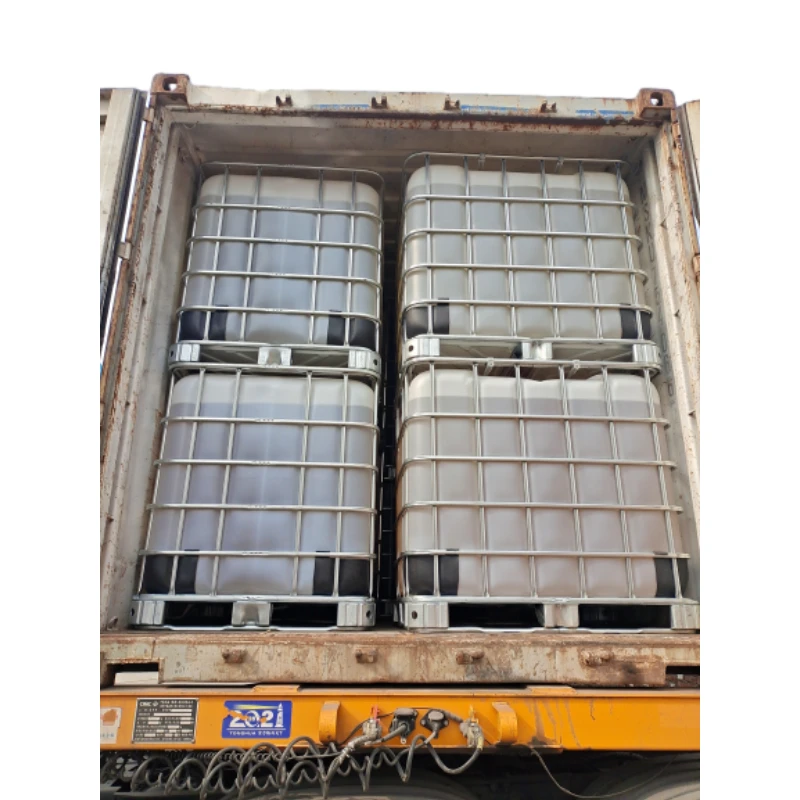
view more DiethanolisopropanolamineIn the ever-growing field of chemical solutions, diethanolisopropanolamine (DEIPA) stands out as a versatile and important compound. Due to its unique chemical structure and properties, DEIPA is of interest to various industries including construction, personal care, and agriculture. -
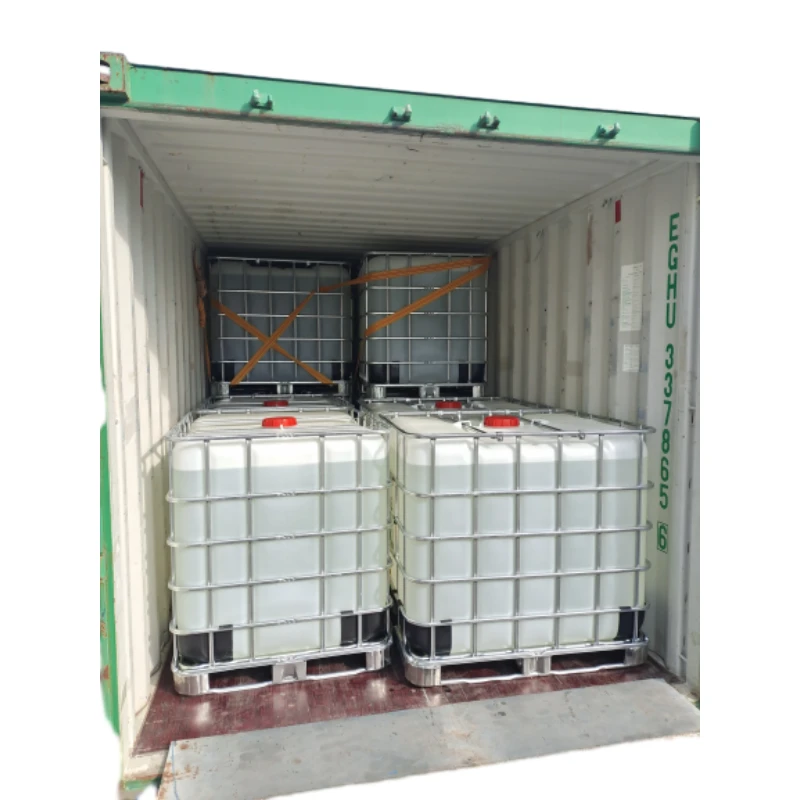
view more TriisopropanolamineTriisopropanolamine (TIPA) alkanol amine substance, is a kind of alcohol amine compound with amino and alcohol hydroxyl, and because of its molecules contains both amino and hydroxyl. -

view more Tetramethyl Thiuram DisulfideTetramethyl thiuram disulfide, also known as TMTD, is a white to light-yellow powder with a distinct sulfur-like odor. It is soluble in organic solvents such as benzene, acetone, and ethyl acetate, making it highly versatile for use in different formulations. TMTD is known for its excellent vulcanization acceleration properties, which makes it a key ingredient in the production of rubber products. Additionally, it acts as an effective fungicide and bactericide, making it valuable in agricultural applications. Its high purity and stability ensure consistent performance, making it a preferred choice for manufacturers across various industries.