





Acidity Regulator 331 – The Essential Food Additive for Safety and Taste | Tenger Chemicals
Acidity Regulator 331: Why It Matters More Than You Think
In the vast world of food additives and chemical agents, acidity regulators quietly play a crucial role. Among them, acidity regulator 331 stands out as one of the most vital components used worldwide. But why should anyone outside the chemical or food industry care? Well, this regulator ensures our food's stability and safety, aids in preserving texture, and helps maintain taste. On a bigger scale, mastering the use of acidity regulators can impact food security, nutrition, and even global trade. So, understanding acidity regulator 331 means better products – and that, frankly, affects us all.
Why Acidity Regulator 331 Is a Global Industry Game-Changer
Globally, the demand for food preservation and taste regulation is skyrocketing. According to the United Nations’ Food and Agriculture Organization (FAO), food loss and spoilage total about 1.3 billion tons annually, a staggering waste toll. Acidity regulators like 331 help to combat this by extending shelf life and enhancing food safety.
Industries from beverage production in Europe to confectionery in Asia rely on acidity regulators to meet both consumer preferences and regulatory standards. The challenge? Formulating foods that remain consistent in quality across countless batches, climates, and transport conditions. Here, you can quickly see the strategic importance of acidity regulator 331 – it’s not just a “chemical” but a key player in global food tech.
What Exactly Is Acidity Regulator 331?
Simply put, acidity regulator 331 is the code for Sodium Citrates, most commonly trisodium citrate. It's a salt derived from citric acid and widely used to control acidity or alkalinity in foods and beverages. This ensures the product’s pH is just right — not too acidic, not too bland.
Its connection to humanitarian needs is subtle but essential: by stabilizing and preserving food products, acidity regulator 331 supports food storage in difficult environments, like drought-affected regions or relief operations, where spoilage can mean the difference between survival and loss.
Core Components and Practical Aspects of Acidity Regulator 331
1. pH Control & Stability
This is the bread and butter of acidity regulator 331. By adjusting the pH to target levels, it prevents microbial growth and keeps the taste consistent. Many food engineers have pointed out that without stable pH control, products risk rapid spoilage or erratic flavor changes.
2. Water Retention and Texture Maintenance
Interestingly, trisodium citrate also helps retain water content, which is why cured meats or tender cheeses stay moist and appealing for longer. This is a subtle but effective quality enhancer you might overlook in everyday snacks.
3. Antioxidant Properties
While not a primary antioxidant, acidity regulator 331 indirectly slows oxidation by stabilizing pH levels. This slows down off-flavors in beverages or color changes in processed fruit products.
4. Easy Integration with Other Ingredients
One reason manufacturers love acidity regulator 331 is its compatibility with sugars, salts, and other additives. It works harmoniously, ensuring products meet taste and safety profiles without clashing effects.
5. Consumer Safety & Regulatory Approval
It’s on the approved additive lists globally (think Codex Alimentarius, FDA, EFSA). This approval track record means manufacturers can use it confidently, which is essential for exports.
Real-World Applications: Who’s Using Acidity Regulator 331 and How?
From fizzy drinks in the US to dairy products in Europe and canned fruits in Asia, acidity regulator 331 finds hundreds of applications. For example:
- Beverage Industry: Controls tartness in sodas and lemonades, offering a sharp yet balanced taste;
- Dairy Products: Stabilizes yogurt and cream cheese textures;
- Meat Processing: Preserves moisture and extends freshness in processed meats;
- Pharmaceuticals: Used as a buffering agent for syrups and tablets;
- Emergency Relief Food Supplies: Ensures long-lasting and safe nutritional content for humanitarian aid.
Notably, NGOs working in disaster zones lean heavily on stabilized packaged food that includes acidity regulator 331 – it’s a small ingredient with a big impact.
| Property | Specification | Test Method |
|---|---|---|
| Appearance | White crystalline powder | Visual inspection |
| Assay (Na3C6H5O7) | ≥ 99.0% | Titration |
| pH (5% solution) | 7.5 - 9.0 | pH meter |
| Solubility | Completely soluble in water | Visual observation |
| Heavy Metals | ≤ 10 ppm | Atomic absorption |
The Lasting Benefits of Acidity Regulator 331
In real terms, using acidity regulator 331 yields remarkable advantages that go beyond the obvious:
- Cost efficiency: By extending shelf life, manufacturers reduce waste and improve margins;
- Sustainability: Less spoilage means less food thrown away – a win for the planet;
- Reliability: Consistent product quality builds consumer trust and brand loyalty;
- Social impact: Enhanced food safety assures consumers, especially in vulnerable regions;
- Innovation-friendly: Compatible with new formulations, including vegan or allergy-friendly products.
Beyond this, there’s an element of consumer dignity: stable, well-preserved foods mean better nutrition and fewer health risks.
What’s Next? Future Trends Around Acidity Regulator 331
Looking ahead, I’ve noticed some interesting directions:
- Eco-conscious formulations: Sourcing sodium citrate from renewable bioprocesses is gaining ground;
- Digital quality control: Automated pH sensors integrated into production lines offer real-time adjustments;
- Miniaturization: Usage in micro-packaging, especially for single-serving and on-the-go foods;
- Policy shifts: Stricter global standards pushing for transparent food labels and additive information.
Challenges in Using Acidity Regulator 331—and How to Overcome Them
No product is perfect, and neither is trisodium citrate. For instance, incorrect dosage can affect flavor balance, skewing tastes towards unwanted saltiness or dullness. Also, while it solves acidity issues, it’s not a preservative by itself and must be combined wisely.
Experts recommend thorough process validation and lab testing for every new recipe. Also, advances in AI-driven formulation software help manufacturers tweak concentrations precisely without guesswork. So, while the challenges exist, solutions are emerging - delivering even better product performance.
Frequently Asked Questions About Acidity Regulator 331
- Q1: Is acidity regulator 331 safe for children and pregnant women?
- A1: Yes, it is generally recognized as safe (GRAS) by health authorities worldwide, including FDA and EFSA, when used within prescribed limits. However, moderation is key, as with all additives.
- Q2: Can acidity regulator 331 help prevent food spoilage on long shipments?
- A2: Absolutely. By maintaining optimal pH levels, it deters microbial growth, which is critical for extended shelf life during loading, shipping, and storage.
- Q3: Does acidity regulator 331 alter the nutritional value of foods?
- A3: No significant change occurs nutritionally. Its role is primarily chemical stabilization rather than nutrient addition or depletion.
- Q4: Can I use sodium citrate in homemade recipes?
- A4: Yes, but measuring precisely is important. Its uses include balancing acidity or creating smooth textures in cheeses and dressings. Always follow guidelines for food grade purity.
Vendor Comparison: Picking the Best Supplier for Acidity Regulator 331
| Vendor | Purity | Price (per kg) | Lead Time | Certification | Customer Support |
|---|---|---|---|---|---|
| Tenger Chemicals | ≥ 99.5% | $3.80 | 5-7 days | ISO, SGS | 24/7 multilingual |
| Global Additives Ltd. | ≥ 99.0% | $4.10 | 10-14 days | ISO, FDA | Business hours only |
| SinoChem Corp. | ≥ 98.5% | $3.65 | 7-10 days | ISO | Limited English support |
Wrapping Up: Why Acidity Regulator 331 Is Worth Your Attention
So, here’s the takeaway — acidity regulator 331 really is a subtle powerhouse. It supports food safety, extends freshness, and lends itself to improving the eating experience. Whether you’re a product developer, supplier, or simply a curious consumer, knowing how it works helps you appreciate what’s behind those crisp flavors and long-lasting snacks.
For industry players ready to explore quality options or expand their additive portfolio, I suggest visiting Tenger Chemicals — they’ve been a solid source for reliable and certified acidity regulator 331.
Understanding this small molecule means a step closer to a global food industry that’s smarter, safer, and just a bit tastier.
References
-
The Essential Guide to Sorbates as Food Preservatives for SafetyNewsApr.16,2026
-
The Ultimate Guide to Sorbate Preservative in Modern IndustryNewsApr.09,2026
-
Comprehensive Guide to Sodium Stearoyl Lactylate Emulsifier Applications and BenefitsNewsApr.07,2026
-
Comprehensive Guide to Sodium Cyclamate Sweetener Properties and ApplicationsNewsApr.04,2026
-
Comprehensive Guide to Sodium Citrate Food Additive and Its ApplicationsNewsMar.31,2026
-
Comprehensive Guide to Sodium Bicarbonate Food Additive Applications and BenefitsNewsMar.28,2026
-
Understanding Sodium Benzoate Preservative in Cosmetics and Its ApplicationsNewsMar.26,2026
Hebei Tenger Chemical Technology Co., Ltd. focuses on the chemical industry and is committed to the export service of chemical raw materials.
-
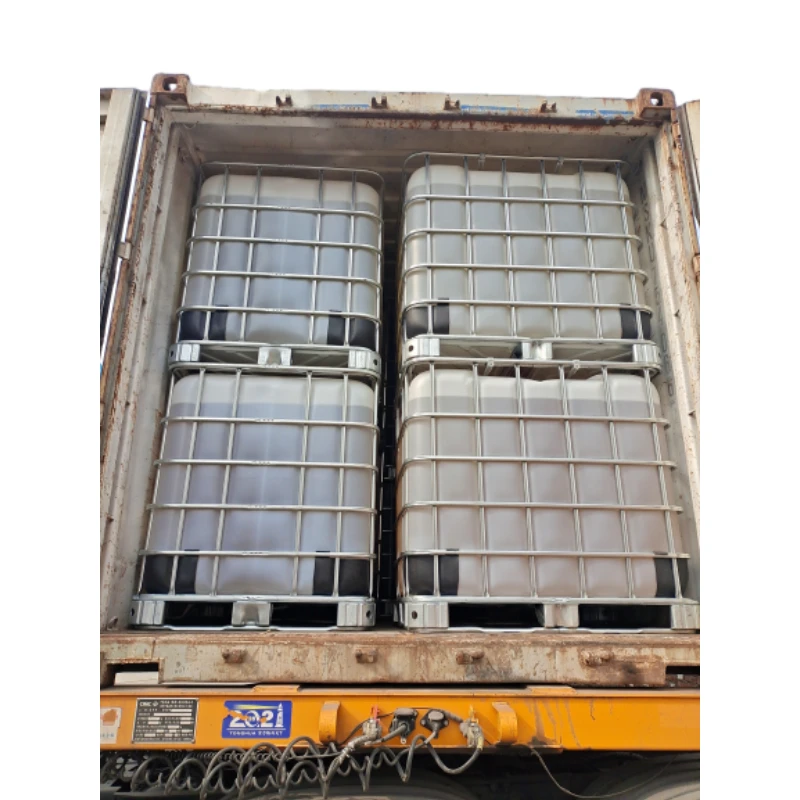
view more DiethanolisopropanolamineIn the ever-growing field of chemical solutions, diethanolisopropanolamine (DEIPA) stands out as a versatile and important compound. Due to its unique chemical structure and properties, DEIPA is of interest to various industries including construction, personal care, and agriculture. -
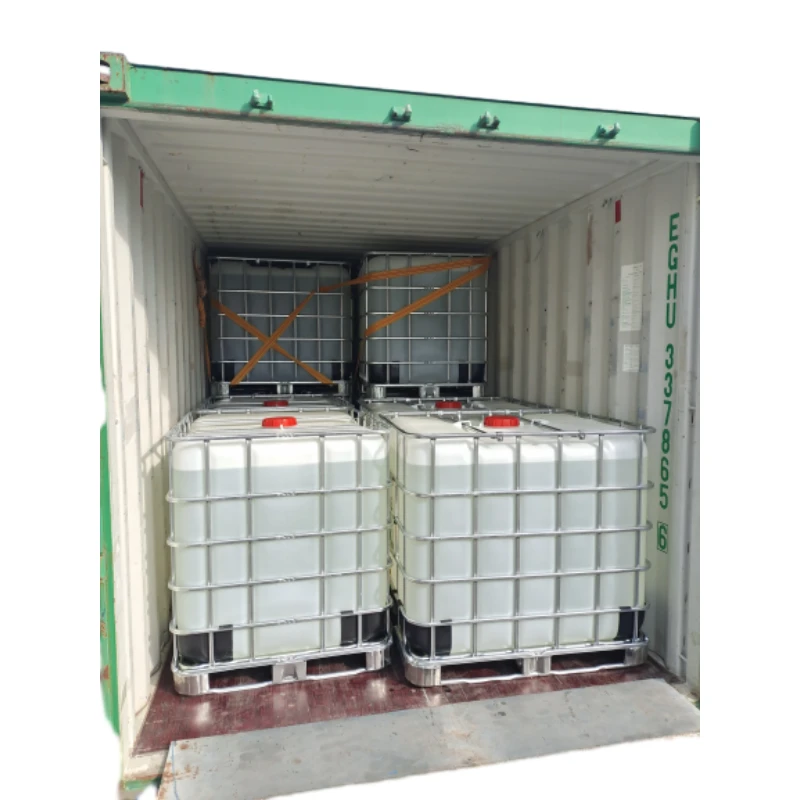
view more TriisopropanolamineTriisopropanolamine (TIPA) alkanol amine substance, is a kind of alcohol amine compound with amino and alcohol hydroxyl, and because of its molecules contains both amino and hydroxyl. -

view more Tetramethyl Thiuram DisulfideTetramethyl thiuram disulfide, also known as TMTD, is a white to light-yellow powder with a distinct sulfur-like odor. It is soluble in organic solvents such as benzene, acetone, and ethyl acetate, making it highly versatile for use in different formulations. TMTD is known for its excellent vulcanization acceleration properties, which makes it a key ingredient in the production of rubber products. Additionally, it acts as an effective fungicide and bactericide, making it valuable in agricultural applications. Its high purity and stability ensure consistent performance, making it a preferred choice for manufacturers across various industries.