





Antimicrobial Food Additives: Enhancing Food Safety and Shelf Life Globally
Why Antimicrobial Food Additives Matter in Today's World
Have you ever thought about how much food goes to waste because of spoilage or contamination? It's a global problem, and the stakes are high — food security, public health, and economic losses. Antimicrobial food additives come to the rescue as a silent but powerful ally, helping preserve freshness and prevent harmful microbial growth.
Globally, institutions like the Food and Agriculture Organization (FAO) and the World Health Organization (WHO) estimate that up to one-third of food produced is lost or wasted, much of it due to microbial spoilage. Additives with antimicrobial properties help reduce this loss, which means less waste and safer food supply chains worldwide.
Understanding antimicrobial food additives isn't just a chemistry lesson; it's a window into solutions tackling food scarcity and promoting sustainability at a planetary scale.
The Global Context: How Antimicrobial Food Additives Feed the World
Let’s frame this globally. According to a FAO report, about 1.3 billion tons of food are lost or wasted yearly — staggering, right? This loss contributes heavily to greenhouse gas emissions and economic costs. When you peek into regions where infrastructure is lacking, storage conditions are less than ideal.
Antimicrobial food additives provide a practical way to extend shelf life and ensure safety. This is vital not only in developed countries but especially in developing economies, where cold chain logistics can be unreliable or expensive.
Moreover, organizations like the ISO are currently advancing standards for antimicrobial efficacy and safety, showing how the industry is formalizing these technologies.
What Exactly Are Antimicrobial Food Additives?
Basically, antimicrobial food additives are natural or synthetic substances added to food products to inhibit the growth of microorganisms like bacteria, molds, and yeasts. Think of them as microscopic bodyguards for your food, keeping it fresher for longer and safer to eat.
They're crucial in the modern food industry—not just for extending shelf life but also for meeting stringent safety standards and improving consumer confidence. From fresh-cut produce to dairy, baked goods, and meat products, these additives enable suppliers to manage quality without relying solely on refrigeration.
Often, these additives are derived from well-known substances like organic acids (e.g., sorbic acid), enzymes, or natural extracts (like essential oils). Their selection depends on the food matrix and regulatory approval.
Core Components and Features That Define Their Practical Use
1. Effectiveness Across Microbial Species
Not all antimicrobials are created equal. Some target bacteria, others molds or yeasts. Broad-spectrum options offer flexibility, but more selective additives allow precision in managing specific spoilage pathways.
2. Food Compatibility and Taste
Since additives mix with food, their impact on flavor, color, and texture matters. The best antimicrobial food additives maintain product appeal while doing their job — that’s a tricky balance to achieve.
3. Regulatory Compliance
Each country enforces limits and approvals to ensure consumer safety. For instance, the FDA and EFSA have strict guidelines on allowable types and doses. Staying compliant means rigorous testing and documentation.
4. Stability During Processing
Food undergoes heating, freezing, or pH shifts. Additives must retain stability and efficacy throughout these processes without degrading or producing harmful byproducts.
5. Cost-Effectiveness and Scalability
Margins are tight for food producers. Additives need to be affordable and scalable, especially for large operations or low-margin products, to make business sense.
6. Natural vs Synthetic Options
There’s growing consumer demand for natural additives from plant extracts or fermentation-derived compounds — seen as healthier and more sustainable alternatives to synthetic preservatives.
Where Are Antimicrobial Food Additives Used? Real World Applications
- Fresh Produce Packaging: Added to films or coatings to reduce spoilage from molds and bacteria during transport and shelf display.
- Dairy Industry: Preserving yogurts, cheeses, and milk with additives targeting common spoilage microbes like Lactobacillus.
- Meat and Poultry: Protecting against pathogens such as Listeria and Salmonella — crucial for consumer safety and legal compliance.
- Bakery Products: To prevent mold growth without altering texture or flavor.
- Disaster Relief and Humanitarian Operations: In emergency food rations, antimicrobial additives help maintain nutrition and safety over longer storage periods, especially where refrigeration isn’t feasible.
- Export Supply Chains: Particularly in tropical regions where heat and humidity spike spoilage risks, these additives enable longer transit without quality loss.
Regions like Southeast Asia, Africa, and parts of South America especially leverage these additives amid challenging storage conditions and rising demand for processed foods.
Comparing Notable Antimicrobial Food Additive Vendors
| Vendor | Primary Additive Types | Natural/Synthetic | Global Reach | Key Industries |
|---|---|---|---|---|
| Tenger Chemical | Organic acids, natural extracts | Mixed (focus on sustainable) | Asia, Europe, North America | Dairy, Bakery, Produce |
| SafePreserve Co. | Synthetic antimicrobials, enzyme blends | Synthetic | Global | Meat, Processed Foods |
| GreenShield Naturals | Plant-based essential oils, fermentation products | Natural only | Europe and North America | Organic and Natural Foods |
| FoodGuard Inc. | Broad-spectrum synthetic agents | Synthetic | Global | All major food categories |
Typical Product Specifications of an Antimicrobial Food Additive
| Specification | Details |
|---|---|
| Active Ingredient | Sorbic acid (or equivalent) |
| Purity | ≥ 99% |
| Dosage Range | 0.1% - 0.3% w/w in finished food |
| Appearance | White crystalline powder |
| Solubility | Water soluble |
| pH Stability | Effective pH 3.0 – 6.5 |
| Shelf Life | 2 years (stored in cool, dry conditions) |
| Regulatory Approval | FDA, EFSA compliant |
Why Choose Antimicrobial Food Additives? Benefits That Add Up Over Time
From a business perspective, these additives reduce losses and improve margins — fewer spoiled items mean less financial waste. On the sustainability front, less food wasted translates to reduced greenhouse gas emissions and resource use.
Emotionally, consumers feel safer buying products with added protection, nurturing trust between brand and buyer. And for those working in food production, antimicrobial additives simplify quality control and reduce recalls — a win all around.
The Road Ahead: Emerging Trends in Antimicrobial Food Additives
Going forward, innovations like nanotechnology-based additives promise enhanced delivery and efficacy. Bioprospecting—searching for novel antimicrobials from exotic plants and microbes—is booming. Digital tracking of additive performance via blockchain and IoT helps verify safety and authenticity in real time.
There's also growing interest in “clean label” additives — those perceived as natural and minimally processed — because consumer demand pushes for transparency and fewer synthetic chemicals.
Lastly, environmental impact drives development toward biodegradable additives and manufacturing processes powered by green energy.
Overcoming Common Challenges
Frankly, achieving the perfect balance between effectiveness, taste neutrality, and regulation compliance is a perennial challenge. Some additives may degrade during cooking, or interact unexpectedly with certain food matrices.
Solutions include improved formulation techniques, combining additives with complementary action, and leveraging encapsulation technologies to protect active ingredients.
Another hurdle is consumer skepticism, especially in markets wary of preservatives. Education and transparent labeling are key to building trust here.
FAQ: Your Burning Questions About Antimicrobial Food Additives
- Q: Are antimicrobial food additives safe for all consumers?
- A: Most additives approved by regulatory bodies like FDA or EFSA are considered safe at prescribed levels. However, individuals with allergies or sensitivities should check specific ingredient lists. Manufacturers rigorously test for toxicity and ensure compliance.
- Q: Can these additives replace refrigeration entirely?
- A: Not quite. Antimicrobial additives extend shelf life and slow microbial growth but do not replace the need for proper storage conditions, especially refrigeration for perishable items.
- Q: Are natural antimicrobial additives as effective as synthetic ones?
- A: Natural additives often have antimicrobial properties, but their efficacy can vary. Sometimes they're less potent but preferred for “clean label” products. Selection depends on product goals and regulatory acceptance.
- Q: How should I choose an antimicrobial food additive for my product?
- A: Consider the type of food, target microbes, processing conditions, cost constraints, and regulatory framework. Consulting suppliers or experts like antimicrobial food additives specialists is advisable.
Wrapping It Up: The Antimicrobial Advantage in Food Preservation
In the big picture, antimicrobial food additives quietly safeguard our food supply from farm to fork, reducing waste and foodborne illness risks. They’re a vital cog in the machinery of global food security, sustainability, and innovation.
If you’re in the food production game or supply chain management, diving deeper into antimicrobial food additives can unlock real value — for your bottom line and for the planet.
Want to explore high-quality antimicrobial food additives that fit your needs? Visit our website and see what advancements we bring to your table.
References:
-
The Essential Guide to Sorbates as Food Preservatives for SafetyNewsApr.16,2026
-
The Ultimate Guide to Sorbate Preservative in Modern IndustryNewsApr.09,2026
-
Comprehensive Guide to Sodium Stearoyl Lactylate Emulsifier Applications and BenefitsNewsApr.07,2026
-
Comprehensive Guide to Sodium Cyclamate Sweetener Properties and ApplicationsNewsApr.04,2026
-
Comprehensive Guide to Sodium Citrate Food Additive and Its ApplicationsNewsMar.31,2026
-
Comprehensive Guide to Sodium Bicarbonate Food Additive Applications and BenefitsNewsMar.28,2026
-
Understanding Sodium Benzoate Preservative in Cosmetics and Its ApplicationsNewsMar.26,2026
Hebei Tenger Chemical Technology Co., Ltd. focuses on the chemical industry and is committed to the export service of chemical raw materials.
-
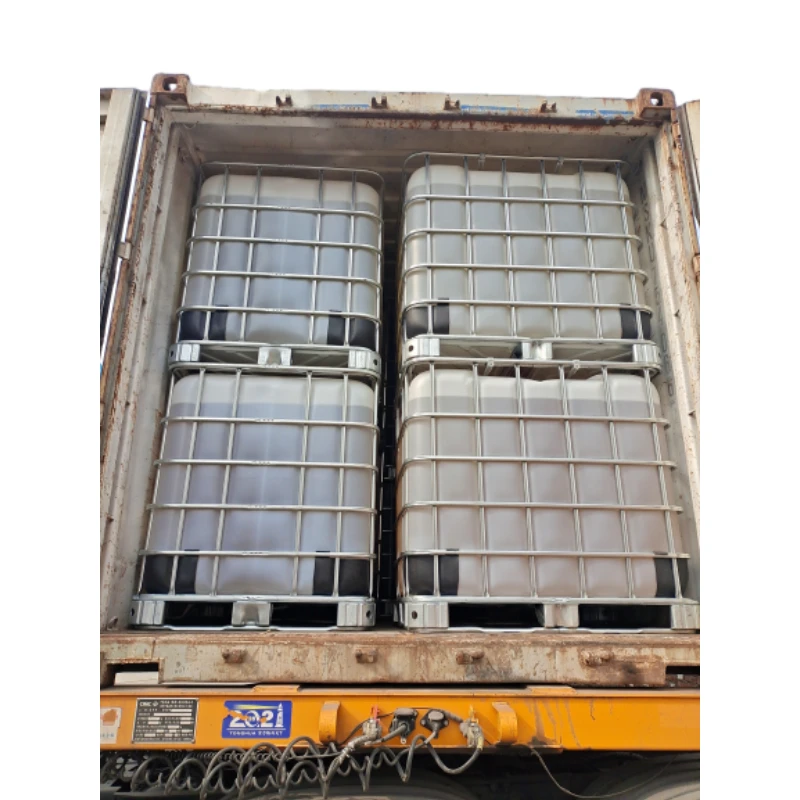
view more DiethanolisopropanolamineIn the ever-growing field of chemical solutions, diethanolisopropanolamine (DEIPA) stands out as a versatile and important compound. Due to its unique chemical structure and properties, DEIPA is of interest to various industries including construction, personal care, and agriculture. -
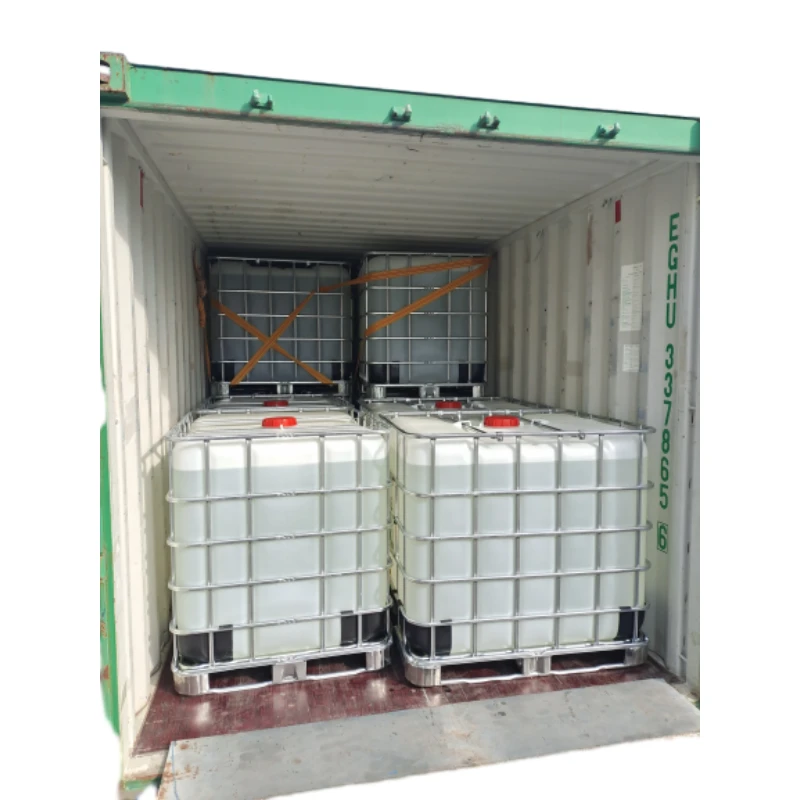
view more TriisopropanolamineTriisopropanolamine (TIPA) alkanol amine substance, is a kind of alcohol amine compound with amino and alcohol hydroxyl, and because of its molecules contains both amino and hydroxyl. -
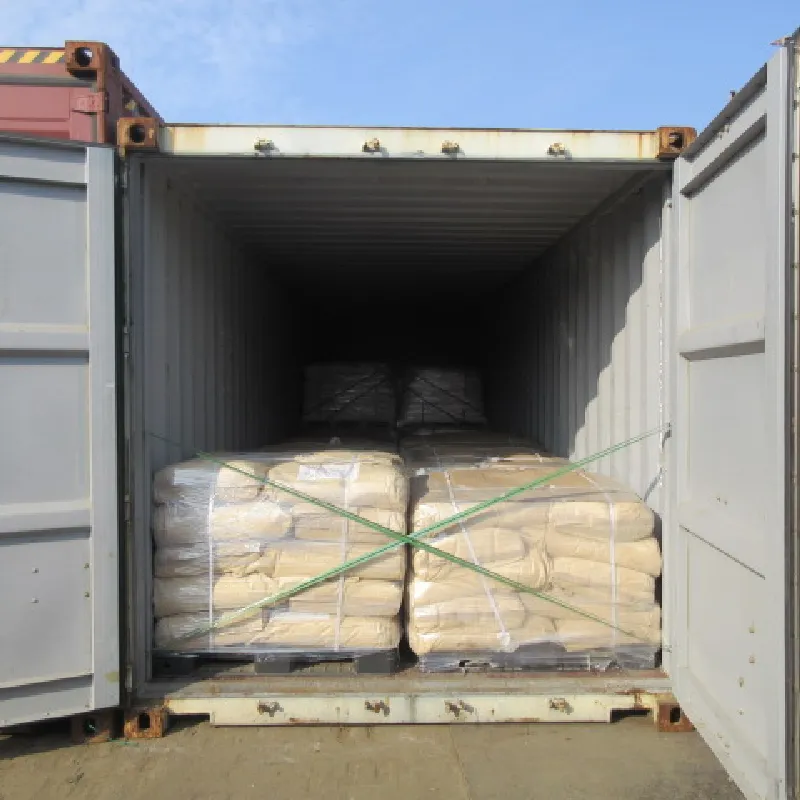
view more Tetramethyl Thiuram DisulfideTetramethyl thiuram disulfide, also known as TMTD, is a white to light-yellow powder with a distinct sulfur-like odor. It is soluble in organic solvents such as benzene, acetone, and ethyl acetate, making it highly versatile for use in different formulations. TMTD is known for its excellent vulcanization acceleration properties, which makes it a key ingredient in the production of rubber products. Additionally, it acts as an effective fungicide and bactericide, making it valuable in agricultural applications. Its high purity and stability ensure consistent performance, making it a preferred choice for manufacturers across various industries.