





Avoiding Harmful Additives: Safer Product Formulations & Sustainable Choices
Understanding Additives to Avoid: Why It Truly Matters
In the clamor of modern manufacturing and product development, there’s one topic that doesn’t get its due spotlight: additives to avoid. Whether you’re a supplier, a manufacturer, or just someone concerned about the products you use daily, knowing which additives to steer clear of is key to safety, quality, and sustainability. Think about it — these chemical helpers might improve texture, durability, or shelf life, but at what cost? Globally, avoiding certain additives not only improves human health but also reduces environmental harm, enhancing resource efficiency while boosting product reputation.
Sorting out these additives is about more than compliance or marketing buzz — it’s a cornerstone of responsible industrial practices that affect everything from food packaging to building materials.
The Global Context: Why Additives to Avoid Are a Worldwide Concern
As of 2024, the global additives market is worth billions, with a rising spotlight on safety and sustainability. According to the ISO and the United Nations, many substances once common in formulations are now flagged for health risks, environmental persistence, or toxic byproducts. The World Bank highlights that hazardous additives disproportionately impact lower-income regions, where environmental regulations might be lax and populations more vulnerable.
The challenge, frankly, is that additives weave their way through so many supply chains worldwide — food, cosmetics, construction, and plastics, to name a few. Industries face pressure to innovate—filtering out harmful substances without hiking costs dramatically or losing functionality. That's a tall order but an urgent one.
What Are Additives to Avoid?
Simply put, additives to avoid are substances intentionally or inadvertently included in products or formulations that present risks to health, environmental safety, or long-term reliability. These could be anything from heavy metals in pigments, certain plasticizers in packaging, to controversial preservatives and synthetic fragrances.
In today’s industrial landscape, identifying and excluding these risky additives ties closely to regulatory standards, product stewardship, and humanitarian goals — like reducing exposure to toxins or minimizing ecological damage.
Core Aspects of Additives to Avoid
1. Toxicity and Health Impact
Certain additives have well-documented health concerns — carcinogenic effects, endocrine disruption, or allergen risks. For example, phthalates and some formaldehyde releasers are increasingly scrutinized globally. Avoiding these not only meets consumer safety demands but also aligns with stricter regulations.
2. Environmental Persistence and Bioaccumulation
Many additives don’t just disappear; they linger in ecosystems, often accumulating up the food chain. This persistence causes ripple effects, harming wildlife and contaminating water and soil. Examples include some flame retardants and heavy metal compounds.
3. Regulatory Compliance
With varying standards from the EU’s REACH, the U.S. EPA, and Asian counterparts, knowing which additives to avoid is essential to ensure market access and avoid costly recalls or penalties.
4. Functional Performance Without Compromise
A big challenge lies in finding additive replacements that maintain or improve product performance — durability, flexibility, anti-microbial properties — without harmful side effects.
5. Cost and Supply Chain Implications
Switching away from certain additives can impact supplier networks, cost structures, and manufacturing processes. Thoughtful selection ensures a balance between safety and economic viability.
Mini takeaway:
Identifying additives to avoid means balancing safety, sustainability, regulation, and performance — a juggling act, but absolutely necessary for future-proofing products and brands.
Global Applications: Where Avoiding Harmful Additives Truly Makes a Difference
Across industries and continents, the move to drop hazardous additives is accelerating.
- Food Packaging in Europe: Increasing bans on BPA and certain plasticizers help reduce endocrine disruptors in food contact materials.
- Construction Materials in North America: Suppliers now advertise "phthalate-free" and "heavy metal-free" plastics and sealants to satisfy eco-conscious clients.
- Cosmetics and Personal Care in Asia-Pacific: The demand for "clean beauty" is pushing manufacturers to reformulate without parabens, formaldehyde donors, and synthetic dyes.
- Post-Disaster Relief Operations Worldwide: NGOs prefer modular housing kits and packaging materials free from volatile organic compounds (VOCs) and other hazardous additives to safeguard vulnerable populations.
- Remote Industrial Zones: Additive avoidance reduces risks of toxic runoff and worker exposure where safety infrastructure may be limited.
Mini takeaway:
From high-tech cosmetic labs to makeshift humanitarian camps, the stakes for avoiding toxic additives are compelling, varied, and very real.
The Long-Term Value of Prioritizing Safe Additives
Choosing to avoid harmful additives pays dividends beyond compliance:
- Cost Savings: Healthier workers, fewer recalls, and less environmental remediation all translate to financial benefits.
- Sustainability: Companies contribute to circular economy goals, reducing pollution and landfill load.
- Brand Trust: Consumers increasingly demand transparency and safety; those who deliver gain loyalty and market share.
- Social Impact: Lower toxic burden improves workplace conditions, public health, and community well-being.
It’s an emotional and logical equation — safer additives create safer products, fostering trust and innovation in crowded markets.
Innovations Paving the Way in Additive Alternatives
The future is about green chemistry, bio-based substitutes, and smarter materials. For example, cellulose nanocrystals are replacing synthetic stabilizers, while plant-based plasticizers reduce ecological footprint. Digital supply chain tracking and automated testing speed the identification of unwanted additives.
Moreover, policy shifts towards sustainability—like the European Green Deal and extended producer responsibility laws—are accelerating innovation focus.
Facing Challenges: Overcoming Barriers to Safe Additives
Common issues include higher costs for alternatives, limited supplier choices, and functional trade-offs. Still, best practice solutions come from collaborative R&D, regulatory incentives, and transparent communication.
Many experts suggest a phased approach — gradually removing hazardous additives while validating functional equivalence and cost impacts — works best.
Frequently Asked Questions About Additives to Avoid
What are the most common additives to avoid in consumer products?
Typical culprits include phthalates (used as plasticizers), BPA (in plastics), certain formaldehyde-releasing preservatives, heavy metals like lead and cadmium in pigments, and some synthetic dyes. Awareness has grown sharply following health and environmental studies.
How can manufacturers find safer alternatives to risky additives?
They can partner with specialty chemical vendors focusing on green chemistry, perform lab validation of new formulations, and consult regulatory guidelines such as REACH. Trial collaborations with research institutes also help.
Are products without these additives usually more expensive?
Sometimes yes, particularly at initial scale. However, market demand and technological advances often level pricing over time. Also, indirect savings in liability and sustainability often outweigh upfront costs.
Do environmental certifications guarantee no harmful additives?
Not always. Certifications help but scrutinizing product disclosures and independent testing is essential. Some additives might be below regulatory thresholds but still concerning, so vigilance is necessary.
Can consumers identify additives to avoid when shopping?
Labels and ingredient lists are the first stop, though terminology can be complex. Trusted certifications, manufacturer transparency, and reviewing databases from authoritative bodies aid informed choices.
Product Specification: Sample Additive-Free Plasticizer Range
| Parameter | Additive A | Additive B | Additive C |
|---|---|---|---|
| Chemical Type | Bio-based Ester | Phthalate-Free Synthetic | Citrus-Derived Plasticizer |
| Toxicity | Low (Non-toxic) | Very Low | Negligible |
| Temperature Range (°C) | -40 to 150 | -30 to 140 | -35 to 145 |
| Shelf Life | 24 months | 18 months | 20 months |
| Typical Application | Flexible PVC, Wire Jacketing | Food Packaging | Cosmetics, Adhesives |
Vendor Comparison: Leading Additive Suppliers Focused on Safety
| Feature | Tenger Chemical | GreenAdditives Inc. | SafeForm Labs |
|---|---|---|---|
| Additive Portfolio Size | 150+ eco-friendly compounds | 80+ green substitutes | 100+ tested alternatives |
| Global Reach | Asia, Europe, Americas | Europe, North America | North America, Asia |
| Certifications | ISO 14001, REACH Compliant | ISO 9001, EcoLabel | ISO 17025, GreenGuard |
| R&D Focus | Bio-sourced, biodegradable additives | Non-toxic polymer enhancers | Low VOC and allergen additives |
| Customer Support | 24/7 technical team | Business hours only | Email and chat support |
Conclusion: Embracing Safer Additives for a Better Tomorrow
The conversation about additives to avoid likely feels like a technical niche, but its ripple effects are vast and deeply impactful. From reducing health hazards and ecological damage to driving innovation and fostering trust, steering clear of problematic additives is a journey worth taking. Industries worldwide are navigating this path — some slow, some fast — but the outcome is unmistakable: safer products, happier consumers, and a healthier planet.
For manufacturers and product developers who want to stay ahead, learning about these additives, accessing reliable suppliers, and embracing sustainable alternatives isn’t just good business — it’s smart stewardship.
If you want to dig deeper, compare options, or explore the latest additive solutions, visit: https://www.tengerchemical.com — where safety, innovation, and quality come first.
References
-
The Essential Guide to Sorbates as Food Preservatives for SafetyNewsApr.16,2026
-
The Ultimate Guide to Sorbate Preservative in Modern IndustryNewsApr.09,2026
-
Comprehensive Guide to Sodium Stearoyl Lactylate Emulsifier Applications and BenefitsNewsApr.07,2026
-
Comprehensive Guide to Sodium Cyclamate Sweetener Properties and ApplicationsNewsApr.04,2026
-
Comprehensive Guide to Sodium Citrate Food Additive and Its ApplicationsNewsMar.31,2026
-
Comprehensive Guide to Sodium Bicarbonate Food Additive Applications and BenefitsNewsMar.28,2026
-
Understanding Sodium Benzoate Preservative in Cosmetics and Its ApplicationsNewsMar.26,2026
Hebei Tenger Chemical Technology Co., Ltd. focuses on the chemical industry and is committed to the export service of chemical raw materials.
-
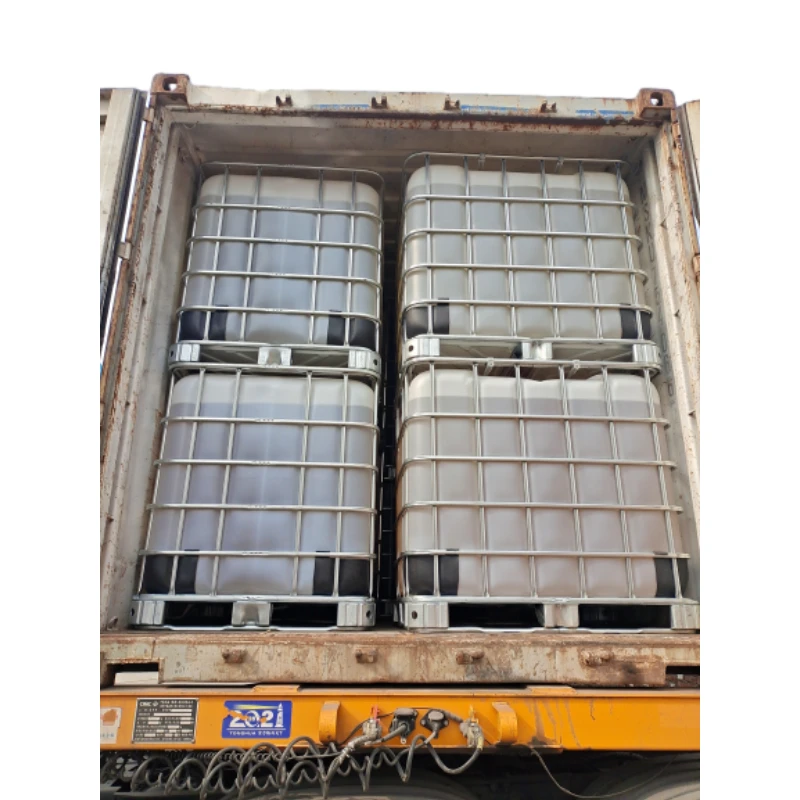
view more DiethanolisopropanolamineIn the ever-growing field of chemical solutions, diethanolisopropanolamine (DEIPA) stands out as a versatile and important compound. Due to its unique chemical structure and properties, DEIPA is of interest to various industries including construction, personal care, and agriculture. -
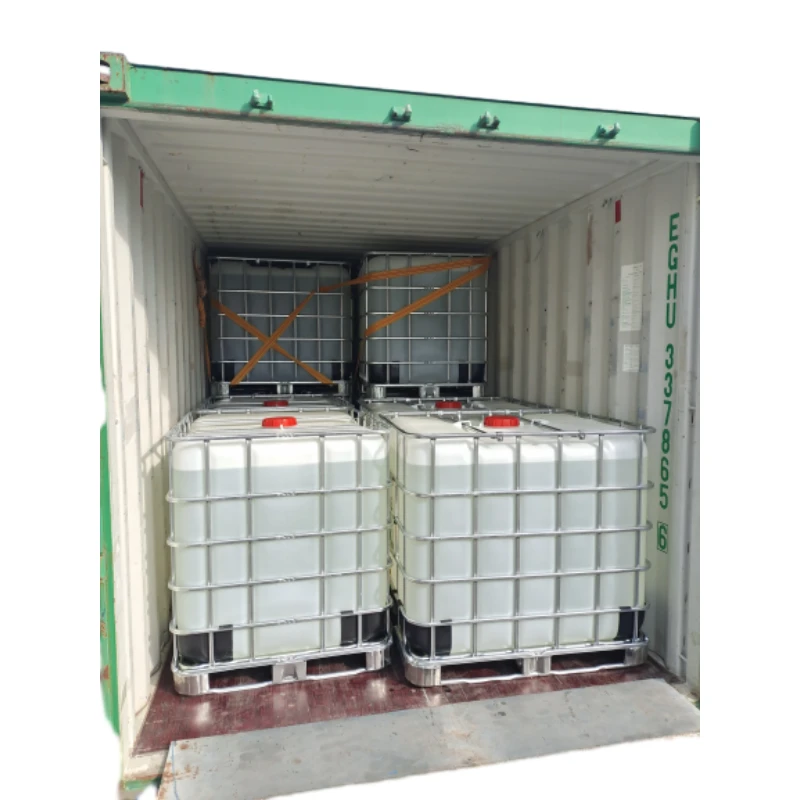
view more TriisopropanolamineTriisopropanolamine (TIPA) alkanol amine substance, is a kind of alcohol amine compound with amino and alcohol hydroxyl, and because of its molecules contains both amino and hydroxyl. -
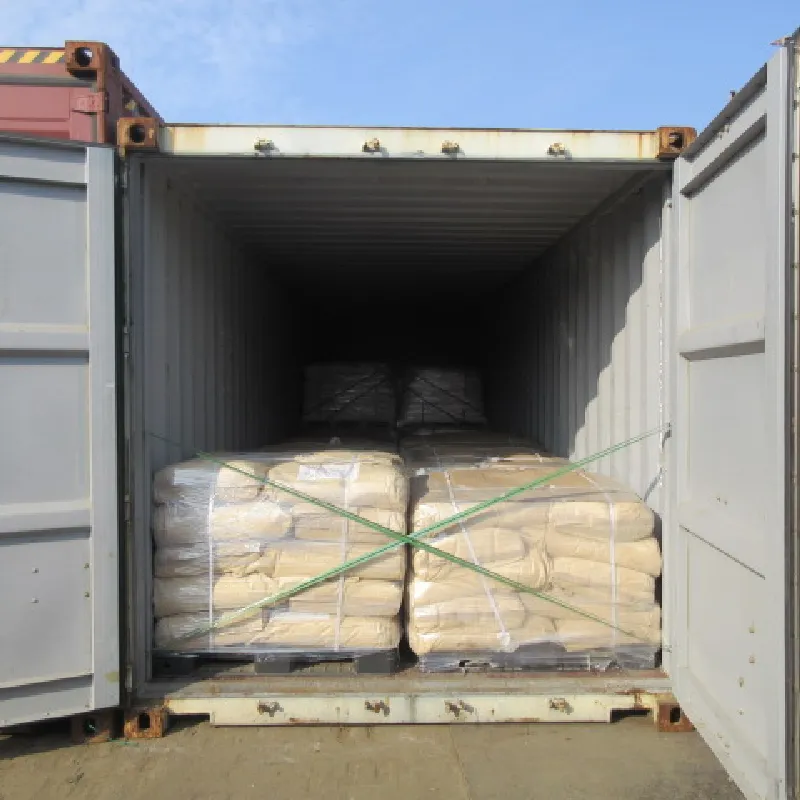
view more Tetramethyl Thiuram DisulfideTetramethyl thiuram disulfide, also known as TMTD, is a white to light-yellow powder with a distinct sulfur-like odor. It is soluble in organic solvents such as benzene, acetone, and ethyl acetate, making it highly versatile for use in different formulations. TMTD is known for its excellent vulcanization acceleration properties, which makes it a key ingredient in the production of rubber products. Additionally, it acts as an effective fungicide and bactericide, making it valuable in agricultural applications. Its high purity and stability ensure consistent performance, making it a preferred choice for manufacturers across various industries.