





Chemical Additives in Food Preservation: Global Impact & Practical Insights
Chemical Additives in Food Preservation: Why They Matter Globally
You might not think much about the journey your food takes from field to fork. Yet, chemical additives in food preservation quietly play a critical role in keeping millions of people fed, and safely at that. Understanding these additives is more than just a technical curiosity—it’s fundamental to tackling global food waste, improving food security, and extending shelf life in ways that directly benefit industries and consumers alike.
Globally, food preservation methods influence everything from retail dynamics to disaster relief efforts. According to the Food and Agriculture Organization (FAO), roughly one-third of food produced is wasted, a huge chunk of which is avoidable with better preservation techniques. This is where chemical additives step in, offering cost-effective ways to reduce spoilage, inhibit microbial growth, and maintain freshness.
Introducing the Global Context of Chemical Additives in Food Preservation
Food preservation is a global challenge touching every sector from agriculture to retail. The World Bank notes that post-harvest losses in developing regions can sometimes reach 30–40%, often due to insufficient preservation methods. Chemical additives—ranging from antioxidants to preservatives—have become integral to managing this loss, especially in large-scale food production.
In many parts of the world, they address very practical problems: preventing microbial spoilage and oxidative degradation, two of the main culprits in food loss. Oddly enough, despite their outsized global impact, public understanding of these additives often leans toward suspicion or confusion. Industry leaders therefore continue to emphasize transparency and safety through regulations like ISO standards and rigorous safety evaluations.
What Are Chemical Additives in Food Preservation?
Put simply, chemical additives in food preservation are substances added intentionally to foods to delay spoilage and extend shelf life. These can include preservatives such as benzoates and nitrates that inhibit harmful bacteria, antioxidants like ascorbic acid that prevent oxidation, and flavor stabilizers that keep the food tasting fresh.
Modern food systems depend heavily on these compounds. Beyond commercial convenience, they support humanitarian efforts by enabling safe, long-lasting nutrition in areas affected by conflict or natural disaster. So in a way, additives are silent enablers in the global food ecosystem.
Key Components of Chemical Additives in Food Preservation
1. Antimicrobial Properties
These prevent or slow the growth of bacteria, molds, and yeasts. Without them, many refrigerated or packaged goods would spoil rapidly.
2. Antioxidant Functionality
Oxidation can cause rancidity, off-flavors, and discoloration. Additives like BHA (butylated hydroxyanisole) help keep food appealing and safe.
3. Flavor and Color Stabilization
Maintaining sensory qualities increases consumer trust and reduces waste caused by rejected products.
4. Regulatory Compliance
They must meet stringent safety and labeling standards (e.g., FDA, EFSA, ISO 22000), ensuring consumers aren’t exposed to harmful levels.
5. Cost Efficiency
Chemical preservatives are usually inexpensive, enabling scalability—critical for feeding growing populations without huge price hikes.
Applications Around the World
In post-disaster relief, food with added chemical preservatives can be stockpiled and distributed without rapid spoilage, saving lives in fragile environments. In countries across Asia and Africa, longer shelf-life foods support expanding urban markets where refrigeration might be unreliable or absent.
Industrial sectors like meat processing, dairy manufacturing, and bakery production all depend on specific chemical additives to preserve texture, flavor, and safety. Even convenience foods lean on additives to meet consumer demands for freshness and affordability.
| Additive Type | Common Uses | Example | Typical Dosage |
|---|---|---|---|
| Preservatives | Prevent microbial growth | Sodium benzoate | 0.05% - 0.1% |
| Antioxidants | Prevent oxidation | Ascorbic acid | 0.02% - 0.05% |
| Flavor stabilizers | Maintain taste and aroma | Citric acid | Variable |
Advantages and Long-Term Value
- Cost Savings: Reduces losses from spoilage and waste, improving economic efficiency.
- Sustainability: Extends supply chain viability, reducing the environmental toll of discarded food.
- Social Impact: Enhances food safety, contributing to better public health outcomes.
- Reliability: Enables consistent product quality and longer shelf life.
Beyond the logical benefits, there’s an emotional component, too. Knowing that food can be trusted to remain safe fosters consumer confidence and dignity, especially in sensitive contexts such as humanitarian aid and remote communities.
Looking Ahead: Future Trends & Innovations
Today, the industry is exploring greener and more natural chemical additives derived from plant extracts and microbial fermentation, lowering health concerns and environmental footprints. Digital technologies are also playing a role — blockchain for additive traceability, or AI-driven formulations optimizing preservative concentrations for maximum efficiency with minimal additives.
Automation in food processing lines is improving dosing precision and quality control, further boosting safety and reducing waste. There’s also a clear push toward regulations encouraging transparency around additives, reflecting consumer demand for natural and “clean label” solutions.
Challenges & Solutions in Practice
It’s not all straightforward. Resistance to additives among consumers, regulatory hurdles, and the complexity of balancing preservative efficacy without affecting taste or causing allergies present ongoing challenges. Industry experts suggest that combining chemical additives with innovative packaging and cold chain improvements can mitigate these problems.
Efforts to educate the public on safety and benefits are equally important, alongside investments in research to discover novel, less controversial additives.
Frequently Asked Questions About Chemical Additives in Food Preservation
- Q: Are chemical additives safe to consume regularly?
A: Yes, when used within regulated limits, additives like preservatives and antioxidants have undergone rigorous testing to ensure safety. Regulatory bodies such as the FDA and EFSA strictly evaluate these substances. - Q: Can food be preserved without chemical additives?
A: Alternatives like refrigeration, drying, or natural preservatives exist, but they often come with cost or shelf-life limitations. Chemical additives expand options, especially for mass production. - Q: How do chemical additives affect flavor?
A: Well-formulated additives typically do not alter flavor; many actually help retain freshness and original taste by preventing spoilage. - Q: Are natural preservatives better than synthetic ones?
A: Natural additives can be preferable for some consumers, but synthetic additives are often more consistent and effective. The choice depends on the product and market demands.
Vendor Comparison: Popular Chemical Additive Suppliers
| Supplier | Product Range | Certifications | Price Range | Global Reach |
|---|---|---|---|---|
| Tenger Chemical | Preservatives, antioxidants, flavor enhancers | ISO 22000, GMP | Mid-range | Asia, Europe, Americas |
| Global Additives Ltd. | Wide array, including natural extracts | FDA approved | Premium | Worldwide |
| EcoPreserve | Natural and organic preservatives | Organic certification | Higher-end | Europe, North America |
Conclusion: Embracing Chemical Additives to Secure Our Food Future
When we really think about it, chemical additives in food preservation are far more than just industrial inputs—they’re a vital component in our complex, global food supply chain. They help reduce waste, uphold safety, and keep food affordable and accessible. While challenges remain, ongoing innovations and responsible practices promise to fine-tune their role in sustainable nutrition.
If you’re curious to explore more or find trusted suppliers, visit our website for detailed information, product lines, and expert consultation.
Food preservation isn’t just science; it’s a quietly evolving art of balancing nature, technology, and human need.
Oddly enough, every additive tells a story—not just of chemistry, but of communities keeping their food safe, fresh, and ready to nourish.
-
The Essential Guide to Sorbates as Food Preservatives for SafetyNewsApr.16,2026
-
The Ultimate Guide to Sorbate Preservative in Modern IndustryNewsApr.09,2026
-
Comprehensive Guide to Sodium Stearoyl Lactylate Emulsifier Applications and BenefitsNewsApr.07,2026
-
Comprehensive Guide to Sodium Cyclamate Sweetener Properties and ApplicationsNewsApr.04,2026
-
Comprehensive Guide to Sodium Citrate Food Additive and Its ApplicationsNewsMar.31,2026
-
Comprehensive Guide to Sodium Bicarbonate Food Additive Applications and BenefitsNewsMar.28,2026
-
Understanding Sodium Benzoate Preservative in Cosmetics and Its ApplicationsNewsMar.26,2026
Hebei Tenger Chemical Technology Co., Ltd. focuses on the chemical industry and is committed to the export service of chemical raw materials.
-
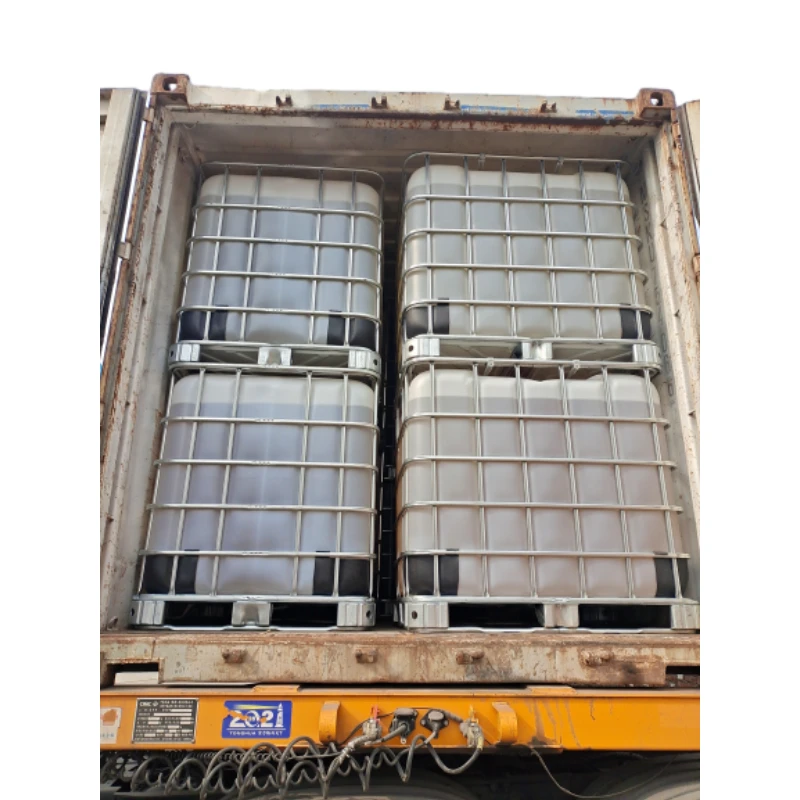
view more DiethanolisopropanolamineIn the ever-growing field of chemical solutions, diethanolisopropanolamine (DEIPA) stands out as a versatile and important compound. Due to its unique chemical structure and properties, DEIPA is of interest to various industries including construction, personal care, and agriculture. -
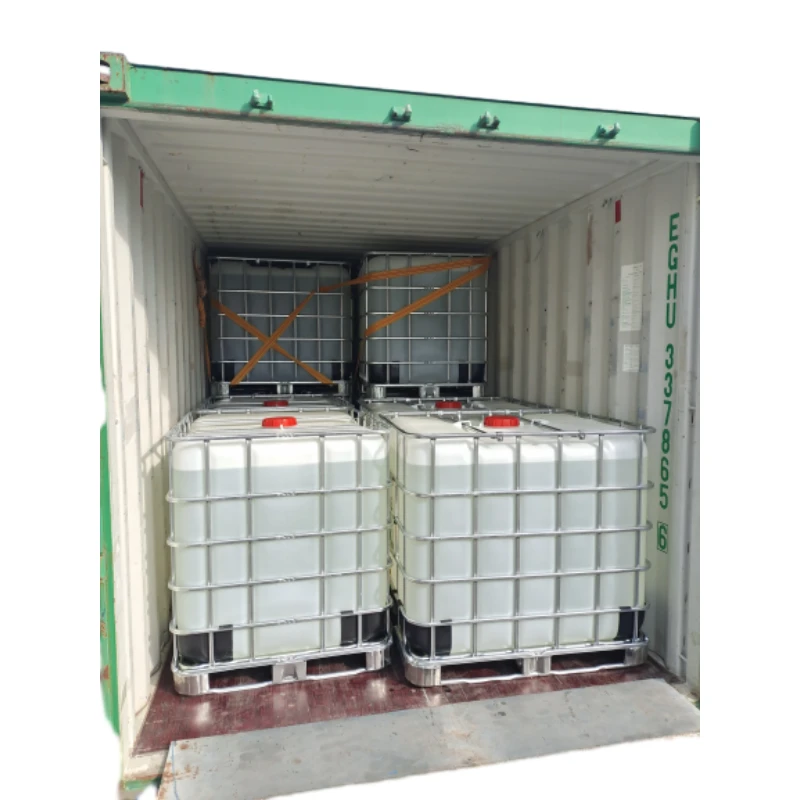
view more TriisopropanolamineTriisopropanolamine (TIPA) alkanol amine substance, is a kind of alcohol amine compound with amino and alcohol hydroxyl, and because of its molecules contains both amino and hydroxyl. -
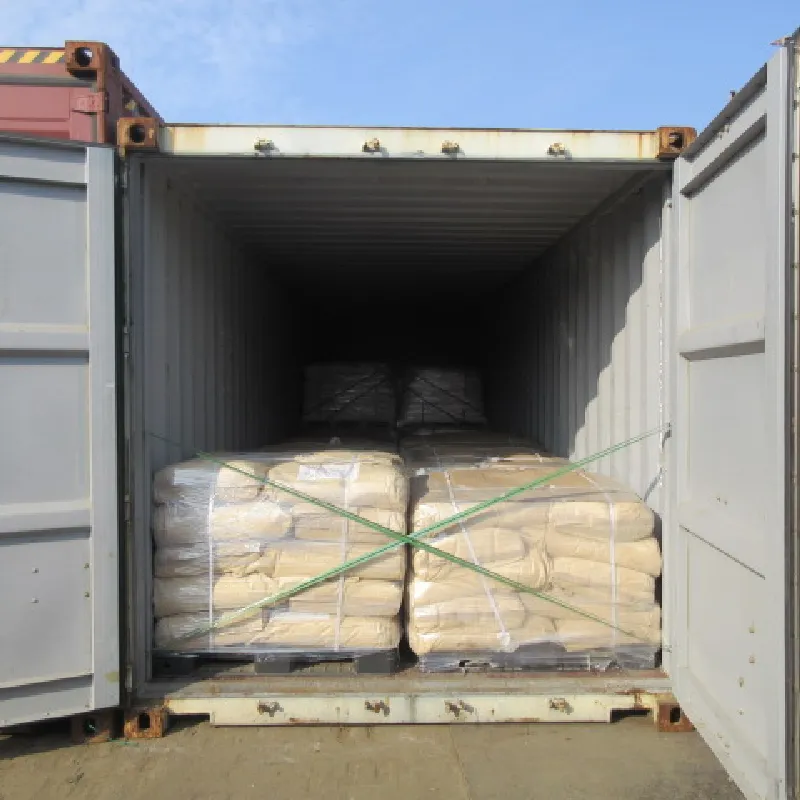
view more Tetramethyl Thiuram DisulfideTetramethyl thiuram disulfide, also known as TMTD, is a white to light-yellow powder with a distinct sulfur-like odor. It is soluble in organic solvents such as benzene, acetone, and ethyl acetate, making it highly versatile for use in different formulations. TMTD is known for its excellent vulcanization acceleration properties, which makes it a key ingredient in the production of rubber products. Additionally, it acts as an effective fungicide and bactericide, making it valuable in agricultural applications. Its high purity and stability ensure consistent performance, making it a preferred choice for manufacturers across various industries.