





Comprehensive Guide on Anti Caking Agent INS 551 – Uses, Benefits & Suppliers
Understanding anti caking agent ins 551: Why it Matters Globally
If you’ve ever sprinkled salt or sugar and noticed clumps ruining the smooth flow, that’s where anti caking agent ins 551 quietly steps in. While it might sound like a niche chemical jargon, this additive plays a surprisingly massive role across food industries worldwide, ensuring powders and granular materials behave properly, stay free-flowing, and remain usable over time. Particularly in large-scale food production, pharmaceuticals, and even industrial powders, its value is often taken for granted — but it’s vital for consistent quality, safety, and efficiency.
Globally, with increasing demand for processed and packaged goods, the role of effective anti caking agents can't be overstated. For instance, the World Bank notes that as supply chains grow more complex and longer, product stability during transport and storage is a real challenge — something agents like ins 551 help mitigate.
Mini takeaway: Anti caking agent ins 551 isn't just a preservation aid; it’s a backbone material that supports global food security and industrial reliability by preventing the headache of clumped powders.
The Global Scope of anti caking agent ins 551
Here’s a quick glimpse into the global industrial stage where ins 551 shines. According to ISO and UN food safety reports, powdered food ingredients represent an essential segment, especially in emerging economies where shelf-life extension is crucial. Anti caking agents form the unsung heroes that keep these powders consistent and easy to use.
However, the challenge is real: without agents like ins 551, granules and powders absorb moisture or stick together during transportation, particularly in humid climates — think Southeast Asia or the Caribbean. That can lead not only to product spoilage but also economic and health risks. The need for a reliable, food-safe solution is growing exponentially with rising urban populations and fast-paced supply chains.
What Exactly is anti caking agent ins 551?
In simple words, anti caking agent ins 551 — also known as silicon dioxide or silica — is a fine, naturally occurring substance often derived synthetically for food and industrial use. It prevents powders from sticking together by absorbing moisture and forming a barrier around particles. The technical magic is in its high surface area and inert qualities, which makes it safe, effective, and widely approved by global food safety authorities such as the FDA and EFSA.
Modern industries rely on it heavily: from seasoning blends to powdered milk, and even in some pharmaceutical tablets. It's not just an additive but a part of ensuring humanity's access to quality products well after packaging — quite literally a powder’s best friend.
Core Elements of anti caking agent ins 551
1. Moisture Absorption
Ins 551 has a remarkable ability to soak up tiny amounts of water, preventing powders from clumping. This is especially critical during storage in variable climates.
2. Particle Coating
It coats powder particles to reduce surface friction, promoting smooth flow — such a simple thing, but it avoids jams and blockages during packaging and processing.
3. Food Safety Compliance
Approved under many international food additive codes (INS, E551 in the EU), ins 551 poses minimal health risk, which is essential for industry trust and consumer safety.
4. Cost Efficiency
Being naturally abundant and usable at very low concentrations (usually under 2%), it’s an economical solution compared to alternatives.
5. Versatility
Beyond food, ins 551 is widely used in cosmetics, pharmaceuticals, and industrial powders — always playing similar roles across sectors.
Mini takeaway: Ins 551’s benefits aren’t fancy or flashy but foundational — moisture control, safety, and cost; things engineers and quality managers rely on daily.
How Industries and Regions Benefit from Anti Caking Agent ins 551
From North America’s snack food giants to developing nations in Africa improving food security, ins 551 ensures product quality by preventing unwanted clumps. For example:
- Food Manufacturing: Powdered flavorings, baking mixes, and powdered beverages rely on it for seamless processing and packaging.
- Pharmaceutical Industry: Keeps powdered drugs free-flowing for consistent dosing.
- Post-Disaster Relief: Packed food supplies deploying to disaster zones often use ins 551 enhanced products to avoid storage spoilage in varied climates.
- Remote Industrial Sites: Lubricant or chemical powders stored for long periods use anti caking agents to maintain usability.
Regions with humid climates find this solution indispensable — practically a kind of invisible insurance policy for product integrity.
Advantages & Lasting Value of This Anti Caking Agent
Sure, you could argue alternatives exist, but ins 551’s balance of effectiveness, safety, and cost-efficiency keeps it widely favored. Companies benefit from reduced wastage and improved process uptime. For consumers, it means consistent product experience, avoiding those nasty lumps or inconsistency in taste.
Socially and environmentally, its inert nature makes it less harmful than synthetic chemical alternatives, fostering trust with both regulators and consumers alike. It's that subtle harmony of innovation and simplicity that feels like an old reliable friend.
Where is anti caking agent ins 551 Headed? Future Innovations
Green chemistry is beginning to influence how anti caking agents are sourced and produced, pushing toward lower environmental footprints. Digital transformation in the supply chain means more precise dosing and monitoring during production.
Automation is also streamlining how agents like ins 551 are blended uniformly into powders — minimizing waste and boosting consistent quality. Oddly enough, future trends are less about reinventing the compound but more about integrating it smarter into systems that respect sustainability fully.
Challenges and How Experts are Tackling Them
While ins 551 is great, it isn’t flawless. Issues include regulatory differences across countries and the occasional allergic response market segments worry about.
Innovations in nano-engineering and hybrid materials are being researched to overcome these gaps, aiming to maintain function but reduce dosage and environmental impact. Meanwhile, best practices in handling and testing remain essential.
Frequently Asked Questions About anti caking agent ins 551
- Is anti caking agent ins 551 safe for regular food consumption?
- Yes, ins 551 is generally recognized as safe (GRAS) by global food safety authorities and used extensively at low levels in many food products.
- How does ins 551 compare to other anti caking agents?
- It offers a good balance of cost, effectiveness, and safety, often preferred over alternatives like calcium silicate or talc due to inertness and minimal impact on flavor.
- Can anti caking agent ins 551 be used in pharmaceutical powders?
- Absolutely. It’s commonly used in tablet coatings and powdered drugs to improve flow and ensure consistent dosing.
- Where can I source high-quality anti caking agent ins 551?
- Reputable chemical suppliers like anti caking agent ins 551 vendors provide food-grade and industrial-grade options tailored to various needs.
- Does ins 551 impact the taste or appearance of the final product?
- It’s virtually tasteless and invisible at the low concentrations used, so it does not affect product flavor or look.
A Realistic Product Specification Table
| Specification | Typical Range | Test Method |
|---|---|---|
| Purity (SiO₂) | ≥ 99% | XRF Analysis |
| Moisture Content | ≤ 1% | Karl Fischer Titration |
| Particle Size (D50) | 5-15 µm | Laser Diffraction |
| pH (1% Suspension) | 6.5-8.0 | pH Meter |
Vendor Comparison: Choosing the Right Supplier
| Vendor | Product Grade | Packaging Options | Certifications | Lead Time (Days) | Price Range (USD/MT) |
|---|---|---|---|---|---|
| Tenger Chemical | Food Grade & Pharma Grade | 25kg Bags, Bulk Tote | ISO 22000, FDA | 7-10 | 1,200-1,500 |
| Global Silicas Inc. | Industrial & Food Grade | 50kg Bags, Bulk | ISO 9001, EFSA | 10-14 | 1,100-1,400 |
| Silica Solutions Ltd. | Specialty Food Grade | Custom Packaging | HACCP, FDA | 5-8 | 1,300-1,600 |
Wrapping Up: Why Anti Caking Agent INS 551 Continues to Matter
In a world where every grain and powder can mean so much — food, medicine, or industry — the simplest things can have the biggest impact. Anti caking agent ins 551 isn’t flashy or front-page news, but it’s the quiet enabler of quality, safety, and efficiency in daily life. From sprawling factory floors to emergency food kits, it holds things together, quite literally.
If you’re seeking dependable suppliers or want to explore how ins 551 can transform your product stability, you might want to start with a trusted partner like anti caking agent ins 551. They’ve built a reputation on solid specs, consistent delivery, and compliance — stuff you can lean on.
Thanks for stopping by, and here’s to powders that stay smooth and flow freely — a tiny chemistry marvel worth appreciating more than you might think!
Mini takeaway: The subtle brilliance of anti caking agent ins 551 underpins product quality globally. Understanding and working with it opens doors to reliable, safe, and economic processes.
References
-
The Essential Guide to Sorbates as Food Preservatives for SafetyNewsApr.16,2026
-
The Ultimate Guide to Sorbate Preservative in Modern IndustryNewsApr.09,2026
-
Comprehensive Guide to Sodium Stearoyl Lactylate Emulsifier Applications and BenefitsNewsApr.07,2026
-
Comprehensive Guide to Sodium Cyclamate Sweetener Properties and ApplicationsNewsApr.04,2026
-
Comprehensive Guide to Sodium Citrate Food Additive and Its ApplicationsNewsMar.31,2026
-
Comprehensive Guide to Sodium Bicarbonate Food Additive Applications and BenefitsNewsMar.28,2026
-
Understanding Sodium Benzoate Preservative in Cosmetics and Its ApplicationsNewsMar.26,2026
Hebei Tenger Chemical Technology Co., Ltd. focuses on the chemical industry and is committed to the export service of chemical raw materials.
-
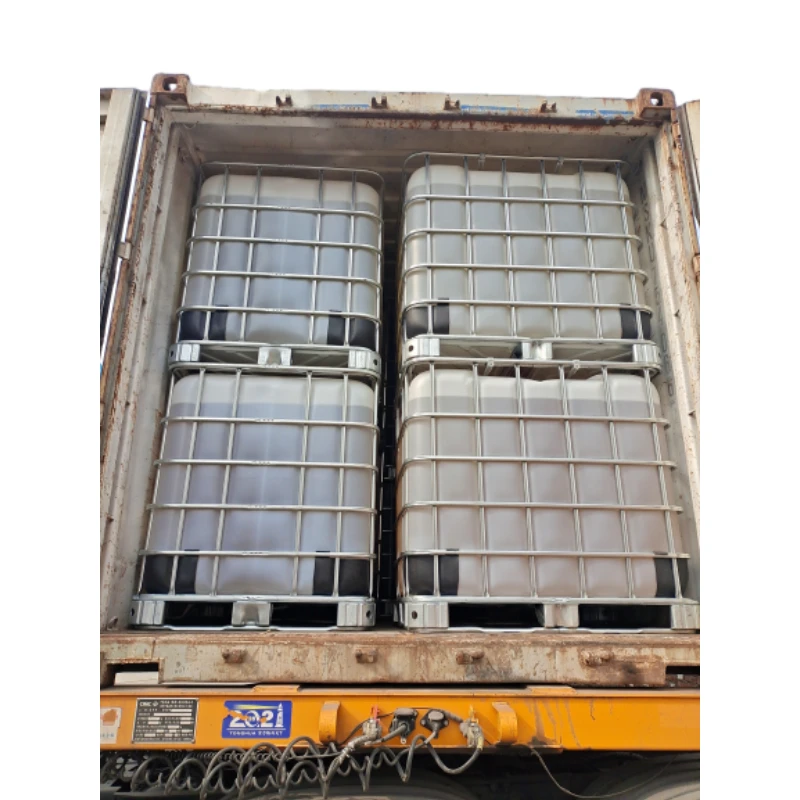
view more DiethanolisopropanolamineIn the ever-growing field of chemical solutions, diethanolisopropanolamine (DEIPA) stands out as a versatile and important compound. Due to its unique chemical structure and properties, DEIPA is of interest to various industries including construction, personal care, and agriculture. -
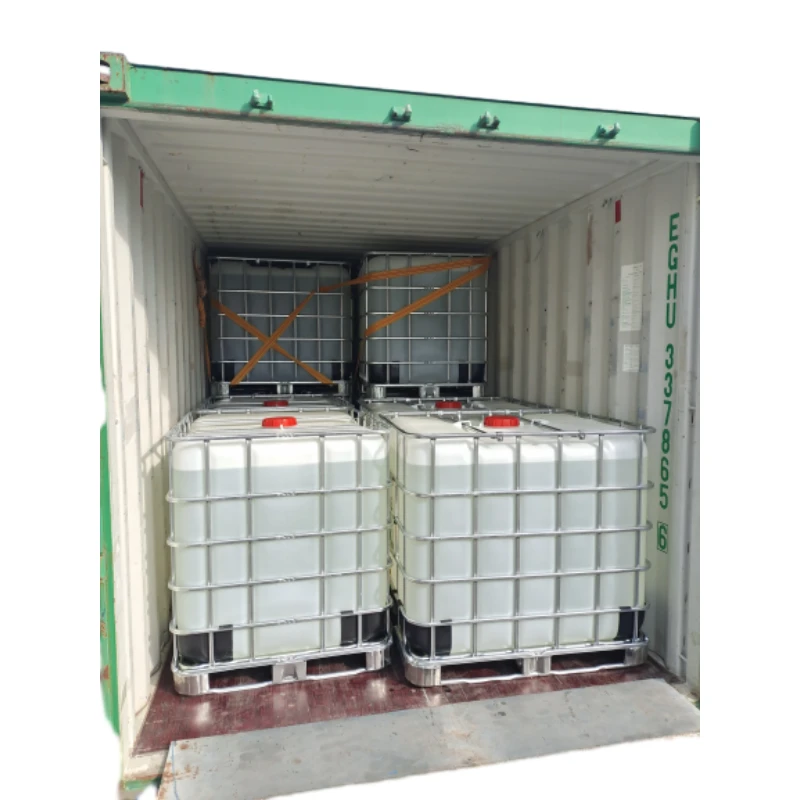
view more TriisopropanolamineTriisopropanolamine (TIPA) alkanol amine substance, is a kind of alcohol amine compound with amino and alcohol hydroxyl, and because of its molecules contains both amino and hydroxyl. -
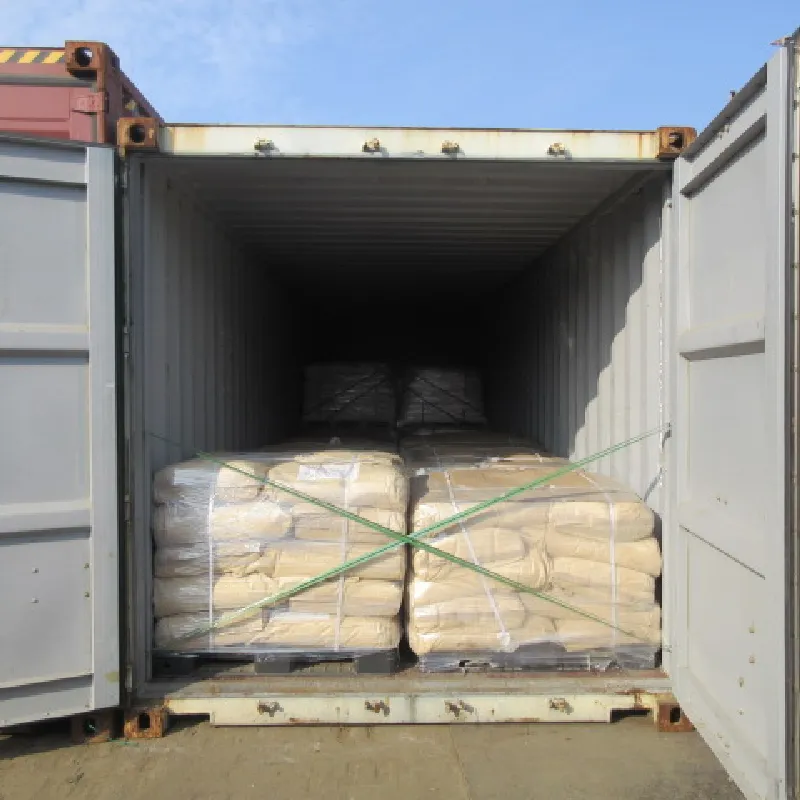
view more Tetramethyl Thiuram DisulfideTetramethyl thiuram disulfide, also known as TMTD, is a white to light-yellow powder with a distinct sulfur-like odor. It is soluble in organic solvents such as benzene, acetone, and ethyl acetate, making it highly versatile for use in different formulations. TMTD is known for its excellent vulcanization acceleration properties, which makes it a key ingredient in the production of rubber products. Additionally, it acts as an effective fungicide and bactericide, making it valuable in agricultural applications. Its high purity and stability ensure consistent performance, making it a preferred choice for manufacturers across various industries.