





Comprehensive Guide to Acidity Regulator 270 | Applications & Benefits
Understanding Acidity Regulator 270: Why It Matters Across Industries
To start things off, if you’ve ever glanced at the ingredient list on a food package or peeked inside a cosmetic product, you might have come across something called acidity regulator 270. Glancing over it might seem trivial, but this ingredient plays a quiet yet vital role in industries worldwide. From stabilizing food pH levels to extending the shelf life of various consumables, understanding acidity regulator 270 unlocks insights into global industrial practices, food safety regulations, and even humanitarian efforts.
Why should we care about this seemingly secretive additive? Quite simply, it's a tiny hero in maintaining product quality, ensuring consumer safety, and supporting sustainability efforts that touch billions of lives — all without most of us even noticing.
Mini takeaway: Acidity regulator 270 might appear as a complex code, but it’s an essential ingredient that safeguards global food quality and industrial processes daily.
Global Context: The Worldwide Importance of Acidity Regulator 270
Let’s zoom out for a moment. According to the Food and Agriculture Organization (FAO) of the United Nations, over 30% of the food produced globally is wasted or spoiled, often because of microbial growth and chemical instability. Acidity regulators, including the one numbered 270, help combat that by controlling the pH and slow microbial growth.
Industries across the globe—be it Europe’s vast dairy sector, Asia’s booming processed food market, or North America’s beverage productions—all rely heavily on consistent pH control to guarantee product safety and marketability. With increasing globalization and the need for longer shelf lives due to extended distribution chains, the demand for efficient and safe acidity regulators keeps rising.
But here’s a challenge: as consumers demand cleaner labels and more natural ingredients, the role of acidity regulators like 270 becomes a balancing act between safety and market acceptance.
Mini takeaway: Acidity regulator 270 is crucial in reducing food spoilage worldwide, playing a key part in food security and industry efficiency—yet it faces new pressures from evolving consumer preferences.
What Exactly Is Acidity Regulator 270?
Now for the basic question: what is acidity regulator 270? Simply put, it’s the additive known chemically as Lactic Acid (E270 in EU food additive codes). It’s a naturally occurring organic acid, produced by bacterial fermentation or synthetically, widely used to regulate acidity (pH level) in foods, beverages, and even pharmaceuticals. Its role is to stabilize the environment inside a product to prevent spoilage and improve texture or flavor.
In an industrial sense, acidity regulator 270 is a versatile “pH guardian” that connects modern food science with traditional fermentation methods—think yogurt, pickles, or sourdough, where natural lactic acid formation is part of the magic. It’s also used beyond food—in cosmetics and cleaning products where pH balance is critical.
Mini takeaway: Acidity regulator 270 equals lactic acid, a natural compound used worldwide to maintain product safety and quality across multiple sectors.
Key Aspects of Acidity Regulator 270
1. Natural Origin and Safety
Many engineers and food scientists point out that acidity regulator 270 stands apart because it can be derived naturally, aligning well with organic and “clean label” trends. Its safety profile is well-established by authorities like the European Food Safety Authority (EFSA) and WHO.
2. Versatility
Whether it’s cheese or canned vegetables, the applications of acidity regulator 270 are broad. Its mild acidity helps in flavor enhancement, preventing microbial growth, and even improving product texture.
3. Stability and Compatibility
Lactic acid works well with various preservatives and antioxidant systems. Its buffering capacity means manufacturers can fine-tune product acidity without impacting taste adversely.
4. Cost Efficiency
Compared to other synthetic acids, lactic acid is relatively inexpensive and readily available in bulk quantities, helping industries manage budgets without compromising product quality.
5. Regulatory Approval
An often-overlooked factor, but crucial. Its approval by global food safety agencies means fewer legal hurdles in domestic and international markets.
Mini takeaway: Acidity regulator 270 is a naturally sourced, versatile, and cost-effective solution that fits well within the complex regulatory frameworks worldwide.
Where Is Acidity Regulator 270 Used Around the World?
The global footprint of acidity regulator 270 is vast. In Europe, the dairy and bakery industries harness it for everything from yogurt to sourdough bread. Asia’s BYOD markets rely on it for bottled drinks and fermented snacks. In the Americas, it finds its place in meat preservation and even in pharmaceuticals. Oddly enough, humanitarian agencies sometimes use it indirectly through food products in relief operations where maintaining nutrition and safety is key.
For instance, in post-disaster relief operations where cold chains are disrupted, formulations containing acidity regulator 270 help extend shelf life, ensuring aid reaches vulnerable populations safely. And in remote industrial zones with limited refrigeration, this additive keeps staple products viable much longer.
Mini takeaway: From high-tech food production hubs to remote disaster zones, acidity regulator 270’s role transcends regions and industries alike.
Benefits and the Bigger Picture of Adding Acidity Regulator 270
- Cost savings: By extending shelf life and reducing spoilage, it lowers waste and improves profitability.
- Sustainability: Less spoilage means less food thrown out, which directly supports environmental goals.
- Health and safety: It inhibits harmful microbial growth, which protects consumers and boosts brand trust.
- Flavor and texture: Enhances and maintains taste profiles, encouraging repeat purchases.
On a more emotional note, think of the trust consumers place in products they consume daily. Quality, safety, and the assurance of a long shelf life–thanks partly to acidity regulator 270–provide peace of mind, a kind of dignity in everyday consumption we tend to overlook.
Mini takeaway: This additive isn’t just chemical jargon—it’s part of how we build safety, sustainability, and trust in products worldwide.
Looking Ahead: Innovations Around Acidity Regulator 270
Innovation in acidity regulation is quietly buzzing. Industry leaders explore bio-based production methods to further greenify lactic acid, reducing carbon footprints. Digital sensors now monitor pH in real-time in manufacturing, enabling dynamic acidity adjustments.
Automation allows precision dosing of acidity regulator 270 at speeds and accuracies unimaginable a decade ago. Some research even focuses on hybrid natural-synthetic blends to optimize flavor and preservation without adding to waste.
Given the rise of plant-based foods, acidity regulators like 270 take on new roles in alternative dairy products and vegan snacks, adapting to evolving diets and sustainability priorities.
Mini takeaway: Future trends hint at a cleaner, smarter, more sustainable use of acidity regulator 270, keeping pace with innovation and planet-friendly demands.
Common Challenges and How Industries Are Overcoming Them
No solution is perfect, and acidity regulator 270 has some hurdles. Its sour taste can be off-putting if overused, and very specific formulations are needed depending on product type. Moreover, matching consumer expectations for "natural" or "additive-free" labels requires transparency and education.
Experts suggest combining lactic acid with other natural preservatives or innovative packaging to overcome these issues. Continuous R&D is crucial to discovering blends that minimize taste impact while maximizing shelf life and safety.
Mini takeaway: Challenges around taste and perception exist, but ongoing innovation and education keep acidity regulator 270 relevant and trusted.
FAQs About Acidity Regulator 270
- Is acidity regulator 270 the same as lactic acid?
- Yes, acidity regulator 270 refers to lactic acid, widely used as a natural acidity regulator in food and other industries.
- How does acidity regulator 270 extend shelf life?
- By controlling the pH level, it inhibits microbial growth that causes spoilage, thus preserving freshness longer.
- Is acidity regulator 270 safe for children and sensitive groups?
- Since it is naturally occurring and approved by global regulatory bodies, it is generally considered safe across all age groups in regulated quantities.
- Can acidity regulator 270 be used in organic products?
- Yes, if sourced naturally through fermentation, it typically meets organic certification standards, but verification with certifiers is recommended.
- Where can I find suppliers of acidity regulator 270?
- You can find reputable suppliers through industrial chemical distributors or directly via specific vendors like acidity regulator 270 providers.
Product Specification Table: Acidity Regulator 270 (Lactic Acid)
| Property | Specification |
|---|---|
| Chemical Name | Lactic Acid (E270) |
| Appearance | Colorless to pale yellow liquid |
| pH (10% solution) | 2.2 – 2.6 |
| Purity | ≥ 80% |
| Solubility | Miscible with water |
| Storage | Cool, dry place away from strong oxidizers |
Vendor Comparison: Popular Acidity Regulator 270 Suppliers
| Vendor | Product Grade | Certifications | Typical Applications | Price Range (per kg) |
|---|---|---|---|---|
| Tenger Chemical | Food Grade (≥ 80%) | ISO 9001, HACCP | Food, Beverage, Cosmetics | $1.80 – $2.20 |
| Global Acidics Inc. | Industrial Grade (≥ 75%) | ISO 14001 | Packaging, Cleaning Agents | $1.10 – $1.50 |
| EcoPure Chemicals | Organic Grade | USDA Organic, COSMOS | Organic Food, Cosmetics | $2.50 – $3.20 |
Wrapping It Up: Why Acidity Regulator 270 Will Stay Essential
In real terms, acidity regulator 270 is more than a number on a label—it's a global workhorse bridging food safety, industry innovation, sustainability goals, and consumer trust. As markets evolve and demands for quality magnify, its role will only grow more nuanced and vital.
If you’re involved in manufacturing, product development, or simply curious about the backstage of everyday consumables, paying attention to this little compound can unlock new insights—and perhaps even business gains.
For those interested, do check out reputable sources and suppliers, including acidity regulator 270, to see how this ingredient might fit your next project or product line.
Mini takeaway: Acidity regulator 270 is a tried-and-true component with innovation ahead—keep an eye on it.
References
-
The Essential Guide to Sorbates as Food Preservatives for SafetyNewsApr.16,2026
-
The Ultimate Guide to Sorbate Preservative in Modern IndustryNewsApr.09,2026
-
Comprehensive Guide to Sodium Stearoyl Lactylate Emulsifier Applications and BenefitsNewsApr.07,2026
-
Comprehensive Guide to Sodium Cyclamate Sweetener Properties and ApplicationsNewsApr.04,2026
-
Comprehensive Guide to Sodium Citrate Food Additive and Its ApplicationsNewsMar.31,2026
-
Comprehensive Guide to Sodium Bicarbonate Food Additive Applications and BenefitsNewsMar.28,2026
-
Understanding Sodium Benzoate Preservative in Cosmetics and Its ApplicationsNewsMar.26,2026
Hebei Tenger Chemical Technology Co., Ltd. focuses on the chemical industry and is committed to the export service of chemical raw materials.
-
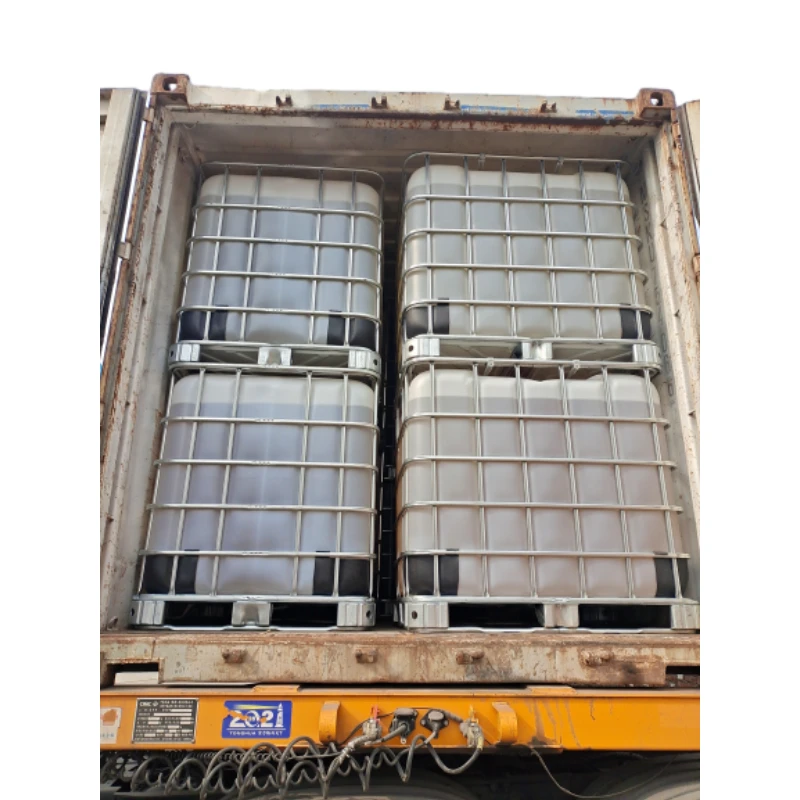
view more DiethanolisopropanolamineIn the ever-growing field of chemical solutions, diethanolisopropanolamine (DEIPA) stands out as a versatile and important compound. Due to its unique chemical structure and properties, DEIPA is of interest to various industries including construction, personal care, and agriculture. -
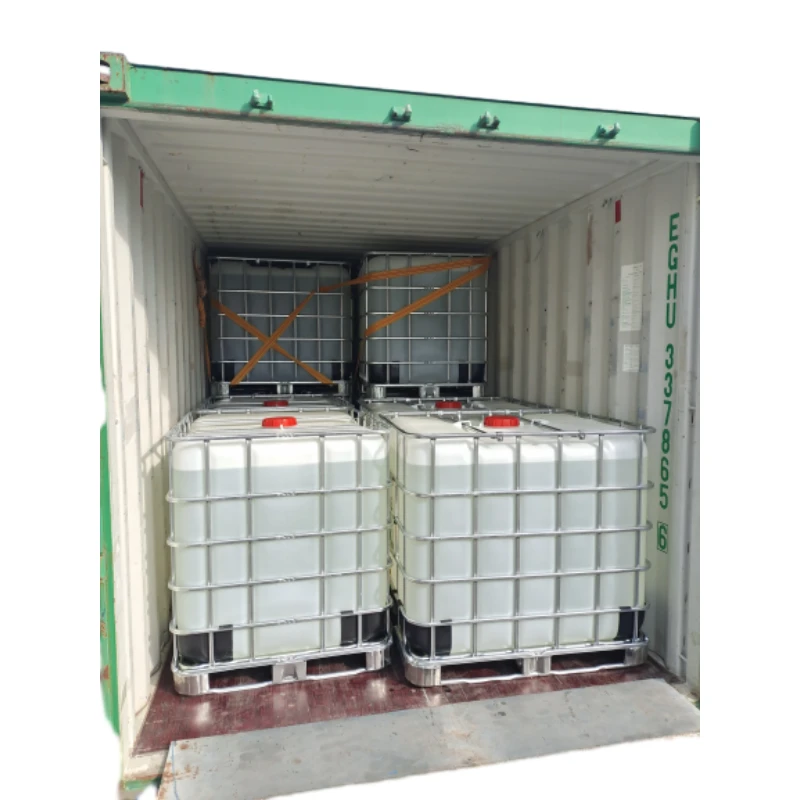
view more TriisopropanolamineTriisopropanolamine (TIPA) alkanol amine substance, is a kind of alcohol amine compound with amino and alcohol hydroxyl, and because of its molecules contains both amino and hydroxyl. -

view more Tetramethyl Thiuram DisulfideTetramethyl thiuram disulfide, also known as TMTD, is a white to light-yellow powder with a distinct sulfur-like odor. It is soluble in organic solvents such as benzene, acetone, and ethyl acetate, making it highly versatile for use in different formulations. TMTD is known for its excellent vulcanization acceleration properties, which makes it a key ingredient in the production of rubber products. Additionally, it acts as an effective fungicide and bactericide, making it valuable in agricultural applications. Its high purity and stability ensure consistent performance, making it a preferred choice for manufacturers across various industries.