





Comprehensive Guide to Added Preservatives: Benefits, Applications & Future Trends
Understanding Added Preservatives: Why They Matter More Than Ever
It’s funny how something as simple as added preservatives can have such a massive influence on our global food supply, healthcare, and even industrial processes. At first glance, these substances might seem just like scientific mumbo jumbo—an ingredient list filler—but they play a huge role in ensuring safety, extending shelf life, and reducing waste worldwide. Given the rapid urbanization and complex supply chains we have today, grasping the ins and outs of preservatives isn’t just for chemists; it’s crucial for businesses, policymakers, and consumers everywhere.
Understanding added preservatives unlocks pathways to cutting down spoilage losses, supporting food security, and boosting trust in various industries that rely on freshness and durability. Plus, with increasing concerns over sustainability and clean-label products, knowing what’s behind these substances helps us make better choices—both economically and ethically.
The Global Relevance of Added Preservatives
Why do added preservatives have such a significant global footprint? For starters, consider that nearly one-third of all food produced worldwide is lost or wasted — a remarkable figure according to the UN Environmental Programme. Many of these losses are prevented by the use of preservatives that slow down spoilage and contamination. Across continents, from bustling metropolises to remote rural areas, preservatives help ensure food and pharmaceuticals remain safe during long transport times and fluctuating storage conditions.
Industries are under immense pressure to deliver product safety at scale without relying on expensive refrigeration or rapid transit. For example, in fast-growing economies of Asia and Africa, added preservatives can mean the difference between a fresh product reaching the consumer or rotting in transit. The World Health Organization has recognized this challenge as part of its broader food safety initiatives—something that may surprise you since the conversation often shifts only to production volume, not preservation.
Mini takeaway: Added preservatives are a linchpin in the global effort to reduce waste and improve product longevity — essential for a growing population and stretched supply chains.
What Are Added Preservatives, Really?
At its core, an added preservative is any substance incorporated into a product to delay its deterioration, prevent microbial growth, or inhibit chemical changes such as oxidation. These ingredients range from natural options like rosemary extract to synthetic compounds like sodium benzoate or potassium sorbate. The “added” part simply means these substances aren’t naturally present—they’re intentionally introduced during manufacturing.
While the term sounds straightforward, the science behind selecting and applying preservatives can get pretty complex, touching on chemistry, microbiology, and even sensory science to ensure they don’t alter the product negatively. This balancing act is especially critical in industries like food, pharmaceuticals, cosmetics, and building materials.
In humanitarian and emergency contexts, preservatives can be lifesavers. Supplies shipped to disaster-hit zones need far longer shelf lives without constant refrigeration — something added preservatives secure reliably.
Core Components That Define Effective Added Preservatives
1. Durability Against Microbial Contamination
Preservatives must prevent the growth of bacteria, molds, yeasts, and fungi. This is central for food products and pharmaceuticals where contamination risks health and safety. Many preservatives possess broad-spectrum antimicrobial properties, carefully calibrated to maintain effectiveness without harmful side effects.
2. Chemical Stability
Oxidation, enzymatic reactions, and hydrolysis are common chemical processes that degrade product quality. Added preservatives like antioxidant agents delay these reactions, preserving freshness, color, and nutrition.
3. Regulatory Compliance and Safety
Governments worldwide regulate allowable types and limits for preservatives due to health concerns. A good preservative meets rigorous standards (think ISO 22000 for food safety or FDA authorizations) while aligning with consumer demands for transparency.
4. Cost Efficiency
Especially in large-scale production or relief operations, preservatives need to be cost-effective. Balancing effectiveness against price influences storage conditions, transport costs, and final product pricing.
5. Scalability & Compatibility
Preservatives should perform well in different product matrices — dry goods, liquids, semi-solids — and at varied production volumes. Scalability plays into how easily manufacturers can adopt these solutions globally.
Mini takeaway: These facets shape the practical success of added preservatives, ensuring they don’t just work in theory but perform reliably across industries and markets.
Where Are Added Preservatives Mostly Used? Real-World Applications
You might guess “food” off the bat, but these substances play starring roles in many sectors:
- Food & Beverage: From packaged snacks to dairy and processed meats, preservatives extend shelf life, maintain flavor, and ensure safety against spoilage and pathogens.
- Pharmaceuticals: Preservatives stabilize liquid medicines, vaccines, and topical creams to prevent contamination and degradation.
- Cosmetics & Personal Care: Added preservatives prevent microbial growth in lotions, shampoos, and makeup—where water content invites spoilage.
- Building Materials: Certain preservatives protect wood treatments and paints from mold and fungi.
- Disaster Relief & Remote Logistics: NGOs and governments use preserved food packs and medical supplies to reach disaster zones or harsh climates where refrigeration isn’t feasible.
For example, in East Africa, humanitarian agencies rely heavily on preserved meal packets that can last months in tropical heat. Meanwhile, in Europe and North America, preservatives enable large-scale food distribution and reduce supermarket waste significantly.
Advantages & Long-Term Value of Using Added Preservatives
We all appreciate fresh, safe food, but beyond the obvious, added preservatives deliver a slew of long-term benefits:
- Reduced Waste: Extending shelf life means less discarded food and products — saving money and reducing environmental impact.
- Supply Chain Security: Preserved goods tolerate long transport and storage times without spoilage.
- Consumer Safety & Trust: Preservatives help prevent foodborne illnesses and ensure product integrity.
- Economic Efficiency: Lower spoilage equals cost savings and more predictable inventory management.
- Social Impact: Maintains dignity and health in vulnerable populations with access to preserved essentials.
It's not just logic speaking—there’s reassurance in knowing that what’s on the shelf, or delivered in a crisis, won’t fail you. It fosters trust in brands and governments alike.
The Future of Added Preservatives: Innovation & Sustainability
Looking ahead, added preservatives are on the cusp of exciting breakthroughs:
- Natural and Bioengineered Ingredients: Growing consumer demand for natural alternatives is driving innovations with plant extracts, enzymes, and nano-encapsulation.
- Smart Preservation Technologies: Sensors and digital monitoring are being combined with preservatives to optimize freshness dynamically.
- Green Chemistry: Sustainable sourcing, biodegradability, and low-toxicity preservatives are evolving rapidly to meet tighter environmental standards.
- Automation & AI in Formulation: Machine learning helps predict ideal preservative blends for complex products, accelerating R&D.
Oddly enough, these advances may eventually make preservatives more personalized, even tailored to regional needs and ecological footprints, rather than one-size-fits-all solutions.
Challenges & Solutions: Navigating the Complexities of Added Preservatives
Of course, there are hurdles:
- Health Concerns & Misinformation: Public wariness over synthetic preservatives challenges manufacturers to improve transparency, engage in education, and innovate with safer options.
- Regulatory Hurdles: Differing global regulations complicate international product rollouts.
- Compatibility: Some preservatives interact adversely with certain product ingredients, affecting taste or efficacy.
Experts recommend combining multidisciplinary approaches — from chemistry to consumer science — and embracing emerging green technologies. Collaborative industry standards and ongoing research provide clear pathways through these issues.
Product Specification Table: Typical Added Preservatives & Properties
| Preservative | Type | Common Uses | Effective pH Range | Max Usage Limit |
|---|---|---|---|---|
| Sodium Benzoate | Synthetic Antimicrobial | Beverages, Sauces, Jams | pH < 4.5 | 0.1% w/w |
| Potassium Sorbate | Synthetic Antifungal | Dairy, Wine, Baked Goods | pH 3-6.5 | 0.3% w/w |
| Rosemary Extract | Natural Antioxidant | Meats, Oils, Cosmetics | Wide range | Varies by region |
| Calcium Propionate | Antimicrobial | Bread, Bakery Products | pH 5-8 | 0.2% w/w |
Vendor Comparison: Leading Preservative Suppliers
| Supplier | Product Range | Global Reach | Sustainability Initiatives | Pricing |
|---|---|---|---|---|
| Tenger Chemical | Wide: Synthetic & Natural Preservatives | Asia, Africa, Americas | Eco-friendly packaging & green research | Competitive |
| Global Preserva | Mostly synthetic antimicrobials | Europe, North America | Limited | Mid-range |
| Naturox Inc. | Natural preservatives only | Worldwide | Strong focus on sustainability | Premium |
Frequently Asked Questions About Added Preservatives
Q1: Are added preservatives safe for daily consumption?
Yes, when used within regulated limits set by authorities like the FDA or EFSA, added preservatives are generally safe. Extensive research evaluates their toxicity and health impact before approval. However, some consumers choose to limit intake due to personal or dietary preferences.
Q2: Can natural preservatives be as effective as synthetic ones?
Natural preservatives like rosemary extract or certain essential oils offer antimicrobial or antioxidant benefits but might require higher quantities or combinations to match synthetic preservatives in shelf life extension. Advances in biotechnology are narrowing this gap.
Q3: How do preservatives impact sustainability?
By reducing food and product waste, preservatives indirectly contribute to sustainability. Sustainable preservative options and responsible sourcing further enhance their environmental profile, though ongoing innovation is key to balancing efficacy with low ecological impact.
Q4: Are added preservatives used differently in humanitarian aid?
Absolutely. In disaster relief, preservatives allow vital food and medical supplies to remain usable for longer periods without refrigeration, simplifying logistics and improving outcomes for vulnerable communities.
Q5: How can companies choose the right preservative?
Selecting the right preservative depends on product type, pH, packaging, regional regulations, and consumer expectations. Engaging with trusted suppliers like added preservatives experts helps tailor solutions effectively.
Wrapping Up: The Quiet Guardian of Quality and Safety
Added preservatives may not steal the spotlight, but their role in ensuring safety, longevity, and economic efficiency—especially on a global scale—is profound. They support everything from your favorite snack’s perfect crunch to critical medical supplies arriving intact in emergency situations. Embracing innovations and sustainable practices around these substances promises to make global supply chains more resilient and eco-friendly.
If you want to dive deeper into reliable preservative options and how they integrate into modern industry needs, I warmly suggest visiting Tenger Chemical’s site. They offer insightful guidance and high-quality products to keep your operations fresh and trustworthy.
References:
-
The Essential Guide to Sorbates as Food Preservatives for SafetyNewsApr.16,2026
-
The Ultimate Guide to Sorbate Preservative in Modern IndustryNewsApr.09,2026
-
Comprehensive Guide to Sodium Stearoyl Lactylate Emulsifier Applications and BenefitsNewsApr.07,2026
-
Comprehensive Guide to Sodium Cyclamate Sweetener Properties and ApplicationsNewsApr.04,2026
-
Comprehensive Guide to Sodium Citrate Food Additive and Its ApplicationsNewsMar.31,2026
-
Comprehensive Guide to Sodium Bicarbonate Food Additive Applications and BenefitsNewsMar.28,2026
-
Understanding Sodium Benzoate Preservative in Cosmetics and Its ApplicationsNewsMar.26,2026
Hebei Tenger Chemical Technology Co., Ltd. focuses on the chemical industry and is committed to the export service of chemical raw materials.
-
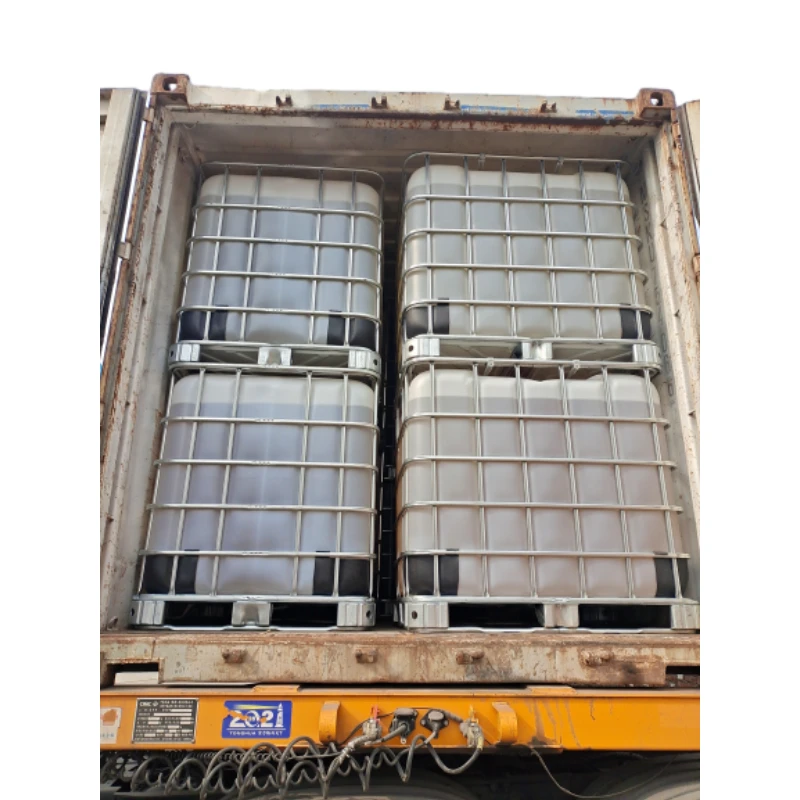
view more DiethanolisopropanolamineIn the ever-growing field of chemical solutions, diethanolisopropanolamine (DEIPA) stands out as a versatile and important compound. Due to its unique chemical structure and properties, DEIPA is of interest to various industries including construction, personal care, and agriculture. -
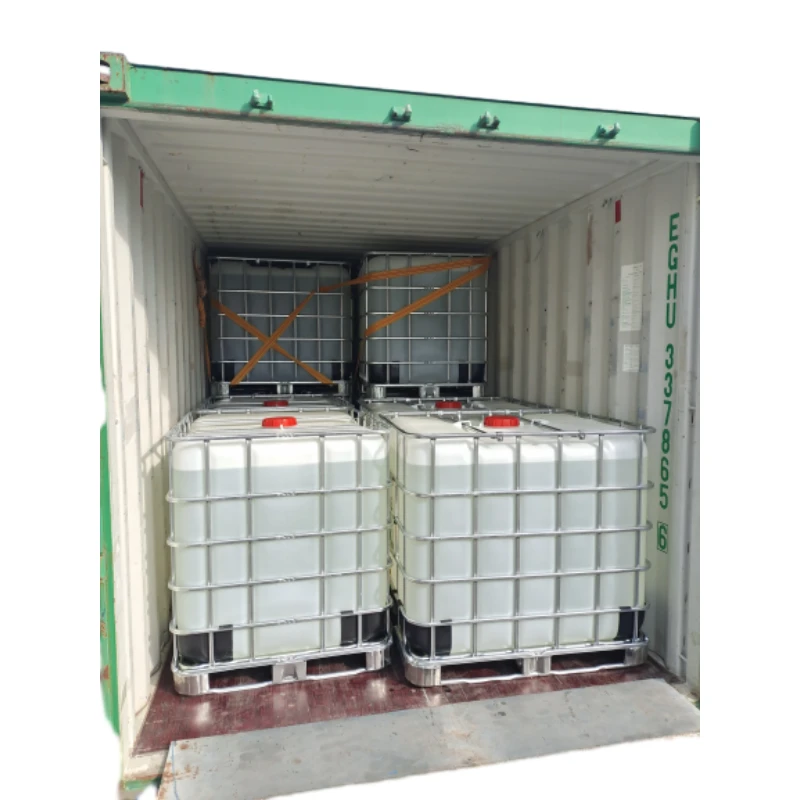
view more TriisopropanolamineTriisopropanolamine (TIPA) alkanol amine substance, is a kind of alcohol amine compound with amino and alcohol hydroxyl, and because of its molecules contains both amino and hydroxyl. -

view more Tetramethyl Thiuram DisulfideTetramethyl thiuram disulfide, also known as TMTD, is a white to light-yellow powder with a distinct sulfur-like odor. It is soluble in organic solvents such as benzene, acetone, and ethyl acetate, making it highly versatile for use in different formulations. TMTD is known for its excellent vulcanization acceleration properties, which makes it a key ingredient in the production of rubber products. Additionally, it acts as an effective fungicide and bactericide, making it valuable in agricultural applications. Its high purity and stability ensure consistent performance, making it a preferred choice for manufacturers across various industries.