





Comprehensive Guide to Anticaking Agent 551: Uses, Benefits, and Industry Insights
Understanding Anticaking Agent 551: Why It Matters in a Global Context
Whether you’re a food manufacturer, a humanitarian aid planner, or just someone who appreciates good-quality powdered products, the role of anticaking agent 551 is more significant than it might first appear. This little compound quietly helps maintain the texture, flow, and stability of countless powders worldwide, saving money, reducing waste, and ensuring safety. But why is it so important globally? Well, in the era where processing, transport, and storage conditions vary wildly — from desert heat to Arctic chill — avoiding clumps and spoilage in powdered goods is critical.
Understanding anticaking agents like 551 not only deepens our appreciation for industrial chemistry but also highlights a versatile solution used across food, pharmaceuticals, fertilizers, and even cosmetics. Its widespread use supports global supply chains and humanitarian logistics alike, offering more efficient resource management just when it’s needed most.
The Global Landscape of Anticaking Agent 551
Globally, anticaking agent 551 ranks as one of the favorites in the additive world. Officially recognized by standards such as the ISO and regulated by bodies like the FDA, its safe profile allows for usage across a variety of sectors. According to the Food and Agriculture Organization (FAO), anticaking agents contribute to reducing food loss — which currently stands at about one-third of all food produced worldwide (UN FAO, 2021). The demand for stable, free-flowing powdered products is set to increase with rising urban populations and the growth of packaged foods.
The challenge anticaking agent 551 directly addresses is fairly straightforward: keeping powders from lumping under diverse climatic conditions during transport and storage. In developing economies where storage facilities might lack optimal humidity controls, this becomes even more crucial.
What Exactly Is Anticaking Agent 551?
Simply put, anticaking agent 551 is the food industry name for silicon dioxide, a fine, free-flowing additive derived from sand or quartz. It acts like microscopic ball bearings on a molecular scale, preventing individual particles from sticking together by absorbing moisture and improving flowability. Silicon dioxide’s inertness and safety have made it a staple ingredient in powdered foods (think table salt, powdered sugar) and non-food powders alike.
In our modern world, where powdered items travel thousands of miles before hitting shelves, it’s almost impossible to imagine that without something like anticaking agent 551, many products would arrive as unusable clumps. Beyond food, it’s vital for pharmaceutical powders, where precise dosing depends on powders not clumping; it even helps fertilizers spread evenly across fields.
Mini takeaway:
Anticaking agent 551 (silicon dioxide) is quietly indispensable, bridging the gap between raw powders and usable, reliable products worldwide.
Core Properties that Make Anticaking Agent 551 So Effective
1. Chemical Inertness and Safety
This compound doesn’t react with food or other powders — it’s considered safe for ingestion and use, with approvals from FDA and EFSA. It doesn’t affect the flavor or appearance of products, which is a huge plus for manufacturers.
2. Moisture Absorption
The ability to absorb excess moisture helps keep powders dry and free-flowing even in humid environments. This means products last longer without spoilage or caking — a real boon for exporters shipping overseas.
3. Particle Size and Surface Area
With extremely fine particles that create a protective barrier between powder grains, anticaking agent 551 prevents clumping at a microscopic level, ensuring consistent texture and bulk density.
4. Versatility Across Applications
Used in foods, pharmaceuticals, cosmetics, and fertilizers, its multi-sector use underscores a surprising adaptability — one compound, plenty of solutions.
5. Cost Efficiency
It’s inexpensive to produce and use in tiny amounts, meaning manufacturers can keep costs lower while improving product shelf life and usability.
Mini takeaway:
These core attributes combine to make anticaking agent 551 a quietly powerful ingredient in keeping everyday powders at their best.
Real-world Applications: Where and How Anticaking Agent 551 Shines
From salty snacks to lifesaving emergency food rations, anticaking agent 551 plays a vital role in many corners of the globe. In South Asia’s monsoon regions, it helps salt and sugar shipments maintain quality despite humidity spikes. In humanitarian operations, like those organized by the World Food Programme, powdered nutrients fortified with silicon dioxide can be stored for longer and safely distributed to crisis zones. Even luxury cosmetic brands rely on its properties to keep loose powders silky and easy to apply.
Industries and regions benefiting include:
- Food processing: prevents lumping in powdered milk, spices, and salt worldwide.
- Pharmaceuticals: ensures precise dosing by preserving powder flow.
- Agricultural fertilizers: provides uniform spreadability in fields.
- Cosmetics: used in blush powders and eye shadows for smooth application.
- Emergency Relief: supports hygiene and nutrition during disaster relief by maintaining product reliability.
Mini takeaway:
Anticaking agent 551’s global footprint spans critical industries and regions, linking diverse needs to a single practical solution.
The Advantages and Long-Term Value of Anticaking Agent 551
Putting it bluntly, the benefits of this compound go far beyond keeping powders nice and fluffy. It helps reduce waste by extending shelf life, improves safety by preventing contamination caused by clumped materials, and supports economic efficiency by cutting down on rejected batches.
On a personal level, it feels reassuring knowing the products you consume or handle have this layer of quality protection. For manufacturers, it inspires trust; for consumers, it enhances dignity and health, especially where access to fresh resources is limited.
Anticaking Agent 551 in Numbers & Specs
| Specification | Property | Value |
|---|---|---|
| Chemical name (E number) | Silicon dioxide (E551) | - |
| Appearance | White, free-flowing powder | - |
| Particle size | Micron range (varies by grade) | ~7 microns average |
| Moisture absorption capacity | High | >5% weight |
| Regulatory approvals | FDA, EFSA, JECFA | Certified food additive |
Comparing Vendors: What to Look for When Choosing Anticaking Agent 551 Suppliers
| Vendor | Purity (%) | Particle Size (microns) | Certification | Lead Time | Price per kg (USD) |
|---|---|---|---|---|---|
| Tenger Chemicals | 99.9 | ~7 | FDA, ISO | 2 weeks | $8.50 |
| GlobalAdditives Inc. | 99.7 | 6-8 | FDA | 3 weeks | $9.00 |
| NaturePure Chemicals | >99.8 | 7-9 | EFSA, ISO | 1 week | $8.75 |
Looking Forward: Future Trends in Anticaking Agent Applications
We’re seeing some promising innovation around sustainable sourcing of silicon dioxide and improved processing technologies that enhance purity while reducing environmental impact. Moving towards bio-based sources and greener chemical processes fits into the larger sustainability trends sweeping across the food and pharmaceutical industries. Additionally, novel formulations are emerging that combine anticaking properties with other functional benefits like enhanced flow or anticorrosion.
Digitization and automation in manufacturing also create opportunities to finely tune anticaking agent dosing, reducing waste and increasing efficiency — a bit like giving an old ingredient a new lease on life through smart tech.
Challenges Around Anticaking Agent 551 and Possible Solutions
Not all powders respond the same way to anticaking agents, and sometimes overuse can impact texture or cause regulatory issues, so precise formulation is key. The main challenges include:
- Variable storage environments that may overwhelm anticaking capacity.
- Regulatory hurdles when introducing new suppliers or grades.
- Raw material quality variances that affect performance.
Tackling these requires close collaboration between suppliers and manufacturers, rigorous testing, and often a custom approach rather than off-the-shelf solutions. Many engineers swear by partnering with trusted chemical providers who understand both technical and logistic challenges deeply.
Frequently Asked Questions About Anticaking Agent 551
Q1: Is anticaking agent 551 safe for all types of food products?
A: Yes, silicon dioxide (anticaking agent 551) is generally recognized as safe (GRAS) by the FDA and approved by the EFSA for use in many food products. However, usage levels are regulated to ensure safety and quality.
Q2: How does anticaking agent 551 improve shelf life?
A: By absorbing moisture and preventing particle adhesion, anticaking agent 551 protects powders from clumping and microbial growth, which can degrade product quality over time.
Q3: Can anticaking agent 551 be used in pharmaceuticals?
A: Absolutely. It is widely used to maintain flowability of powder blends ensuring accurate dosing in tablets and capsules.
Q4: What factors impact the choice of anticaking agents in manufacturing?
A: Factors include powder type, environmental conditions, regulatory requirements, and compatibility with other ingredients, making it important to work with knowledgeable suppliers.
Q5: How can I import anticaking agent 551 internationally?
A: International import requires compliance with both exporting and importing countries’ regulations, proper documentation, and often partnering with experienced vendors. Tenger Chemicals, for example, provides comprehensive support for international logistics.
Conclusion: Why Anticaking Agent 551 Will Remain Essential
The long-term value of anticaking agent 551 lies in its simple, effective approach to a universal problem — keeping powders usable, consistent, and safe. As supply chains grow more complex and global demand surges, this humble additive will continue to keep industries running smoothly, costs down, and consumers satisfied.
If you’re looking to explore quality anticaking agent 551 for your products, I suggest visiting Tenger Chemicals, where expertise meets reliability.
References
-
The Essential Guide to Sorbates as Food Preservatives for SafetyNewsApr.16,2026
-
The Ultimate Guide to Sorbate Preservative in Modern IndustryNewsApr.09,2026
-
Comprehensive Guide to Sodium Stearoyl Lactylate Emulsifier Applications and BenefitsNewsApr.07,2026
-
Comprehensive Guide to Sodium Cyclamate Sweetener Properties and ApplicationsNewsApr.04,2026
-
Comprehensive Guide to Sodium Citrate Food Additive and Its ApplicationsNewsMar.31,2026
-
Comprehensive Guide to Sodium Bicarbonate Food Additive Applications and BenefitsNewsMar.28,2026
-
Understanding Sodium Benzoate Preservative in Cosmetics and Its ApplicationsNewsMar.26,2026
Hebei Tenger Chemical Technology Co., Ltd. focuses on the chemical industry and is committed to the export service of chemical raw materials.
-
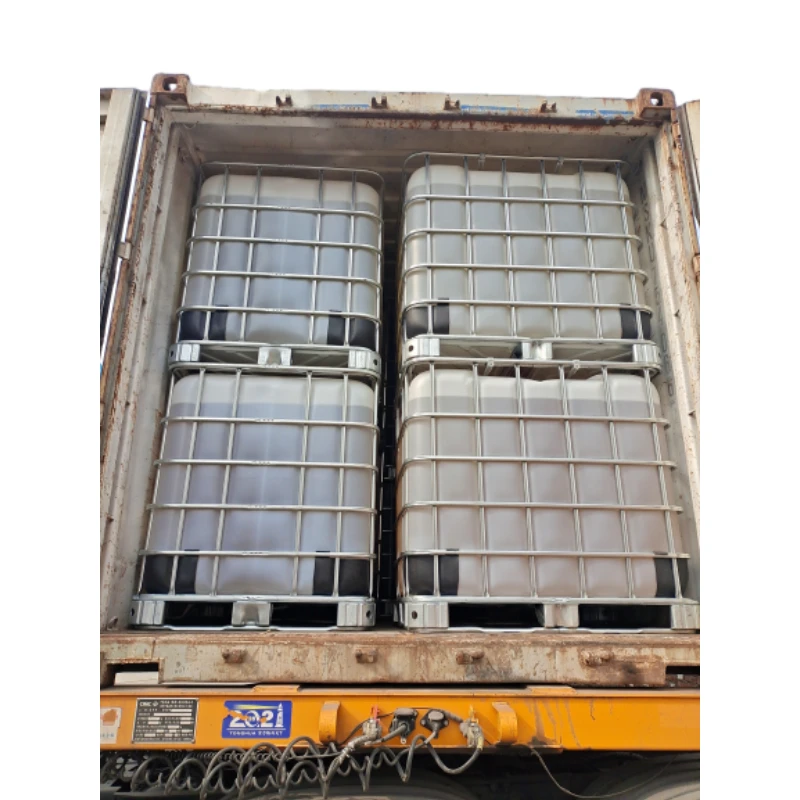
view more DiethanolisopropanolamineIn the ever-growing field of chemical solutions, diethanolisopropanolamine (DEIPA) stands out as a versatile and important compound. Due to its unique chemical structure and properties, DEIPA is of interest to various industries including construction, personal care, and agriculture. -
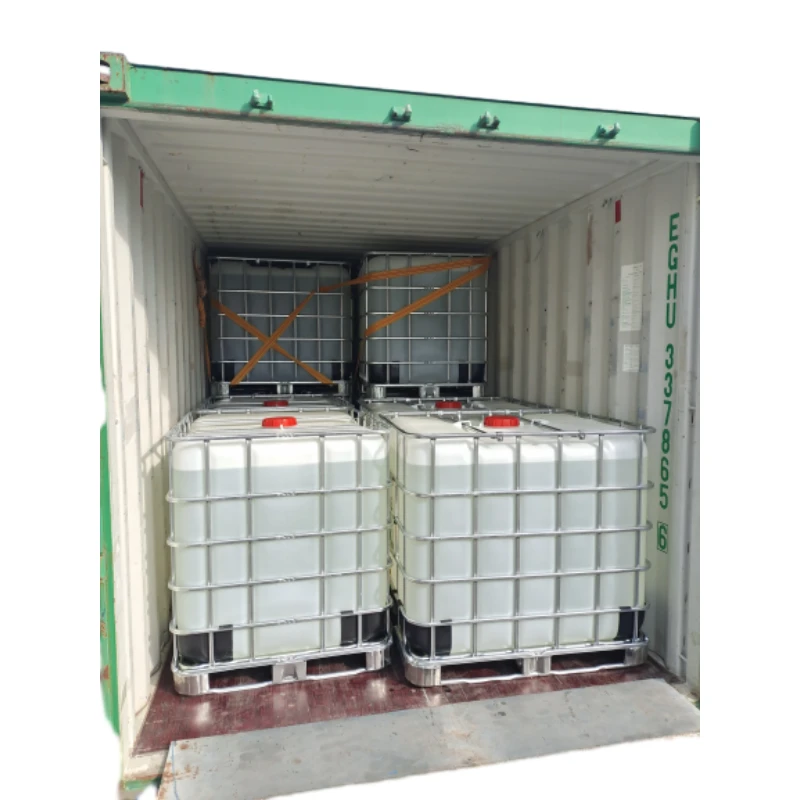
view more TriisopropanolamineTriisopropanolamine (TIPA) alkanol amine substance, is a kind of alcohol amine compound with amino and alcohol hydroxyl, and because of its molecules contains both amino and hydroxyl. -
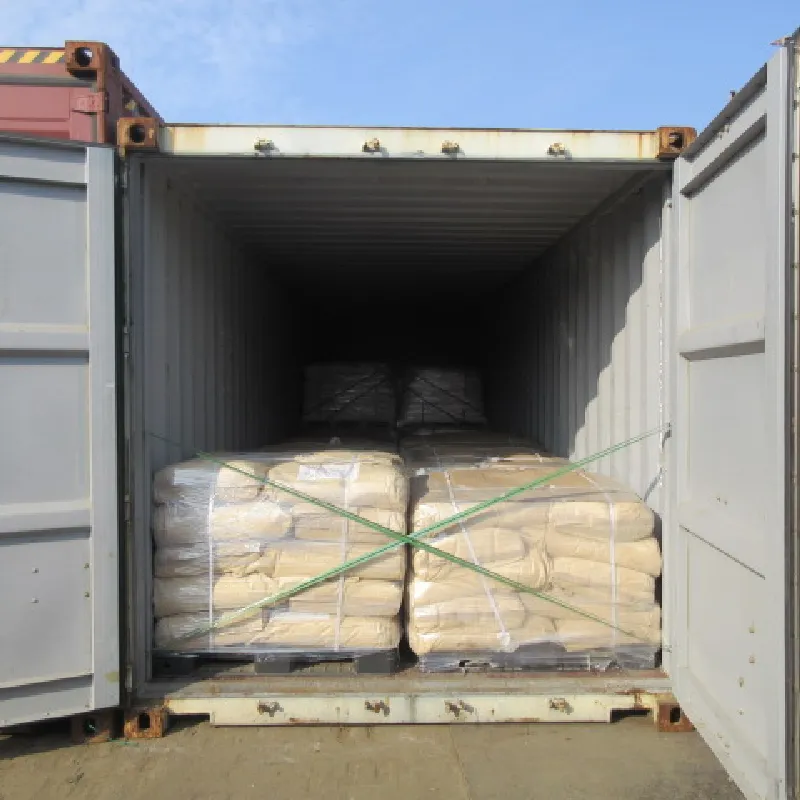
view more Tetramethyl Thiuram DisulfideTetramethyl thiuram disulfide, also known as TMTD, is a white to light-yellow powder with a distinct sulfur-like odor. It is soluble in organic solvents such as benzene, acetone, and ethyl acetate, making it highly versatile for use in different formulations. TMTD is known for its excellent vulcanization acceleration properties, which makes it a key ingredient in the production of rubber products. Additionally, it acts as an effective fungicide and bactericide, making it valuable in agricultural applications. Its high purity and stability ensure consistent performance, making it a preferred choice for manufacturers across various industries.