





Comprehensive Guide to Ascorbic Acid Additive: Applications, Benefits, and Suppliers
Understanding Ascorbic Acid Additive: Why it Matters in Modern Industry
At a glance, the phrase ascorbic acid additive might sound like lab jargon, but it plays an unexpectedly vital role across several industries worldwide. From food preservation to pharmaceuticals, and even metal treatment, this vitamin C derivative offers benefits that range from extending shelf life to enhancing product performance. Given the global trend towards sustainable, safer, and more efficient manufacturing, getting a grip on ascorbic acid additives is no longer niche knowledge — it’s becoming essential.
In today’s connected world, where supply chains stretch across continents and consumers demand transparency along with safety, the ascorbic acid additive steps in to solve a host of problems. Understanding its role helps manufacturers innovate responsibly, reduce waste, and build trust with end-users.
Global Importance of Ascorbic Acid Additive
Globally, ascorbic acid additives contribute significantly to the sustainability and safety of products. According to the FAO, food loss and waste amount to roughly one-third of all produced food — a shocking statistic considering millions still face hunger. Additives like ascorbic acid help slow spoilage and oxidation, effectively reducing waste.
Moreover, in metal industries, ascorbic acid additives improve corrosion resistance, helping industries reduce maintenance costs and environmental damage. The ISO’s recent highlights on reducing chemical waste have shone a spotlight on such multifunctional additives, emphasizing their relevance in the green manufacturing revolution.
Yet, challenges remain: sourcing pure, stable ascorbic acid additives that meet stringent regulatory requirements without blowing budgets is a hurdle for many companies, especially in developing regions.
What Exactly Is Ascorbic Acid Additive?
Simply put, an ascorbic acid additive is a compound derived from vitamin C that is added to products to enhance their stability, nutritional value, or performance. It acts as an antioxidant, neutralizing free radicals and preventing oxidation — the enemy of freshness and durability.
Because of its natural origin and multiple benefits, it’s widely incorporated into processed foods, dietary supplements, pharmaceuticals, and even industrial materials like metals and plastics. It’s essentially a multipurpose assistant behind the scenes, silently helping products keep their quality longer.
Key Factors That Define Ascorbic Acid Additives
1. Antioxidant Strength
Its ability to donate electrons makes ascorbic acid additives powerful antioxidants. In food, this reduces rancidity and off-flavors, which is crucial for extending shelf life. In industrial applications, it protects materials from oxidative degradation.
2. Cost Efficiency
Interestingly, although it sounds like a specialty chemical, ascorbic acid additives are often economically viable at scale. Manufacturers benefit from lower spoilage rates and less waste, which balances out input costs.
3. Compatibility and Stability
One of the trickier parts is ensuring the additive remains stable during processing and storage. Depending on the formulation — powder, liquid, encapsulated — the additive’s performance can vary quite a bit. Many innovators are experimenting with microencapsulation to improve efficacy.
4. Regulatory Compliance
With increasing scrutiny on additives, especially in foods and supplements, product traces of ascorbic acid additives must meet various international standards. This means purity, absence of contaminants, and safe dosage levels are critical in R&D processes.
5. Environmental Impact
Because ascorbic acid is derived from natural sources and biodegradable, its additives tend to carry a smaller environmental footprint than synthetic alternatives — a strong plus in industries striving for greener production methods.
Mini takeaway: The value of ascorbic acid additives lies in their multifunctionality — from antioxidant power to sustainability — making them indispensable in modern manufacturing.
Global Uses and Real-World Applications
It’s striking how diverse the uses are: in Europe, many meat processors add ascorbic acid additives to preserve color and freshness, reducing food waste downstream. In pharmaceutical manufacturing hubs in India, it fortifies vitamin supplements, ensuring potency through transport and storage.
Even in metal finishing industries across East Asia, ascorbic acid additives are used in rust inhibitors for automotive components — extending component life and cutting warranty claims. Nonprofits working in disaster relief have found these additives helpful in treating food supplies in challenging climates, ensuring vital nutrition reaches vulnerable populations intact.
Technological advances enable wider adoption — in fact, some startups are blending ascorbic acid additives with nanomaterials to create next-gen antimicrobial surfaces for hospitals.
Advantages and Long-Term Benefits
- Cost Savings: Less spoilage and corrosion mean lower expenses over a product’s lifecycle.
- Health & Safety: Ascorbic acid additives are well-tolerated and help maintain nutritional quality, supporting consumer health.
- Sustainability: Reduced waste and biodegradable nature align with green goals.
- Reliability: Consistent performance under varied conditions builds trust among manufacturers and customers.
- Innovation Driver: Its adaptability inspires new formulations, from fortified foods to corrosion-resistant metals.
Looking Ahead: Trends Shaping the Future of Ascorbic Acid Additives
The future looks promising — many firms are developing encapsulated forms that release antioxidants selectively, integrating with smart packaging to monitor freshness. Digital transformation means supply chain transparency is no longer optional, pushing demand for verifiable, clean-label additives like ascorbic acid additives.
Meanwhile, green chemistry is releasing plant-based versions produced via fermentation, lowering environmental impacts even further while maintaining efficacy. Automation in quality testing speeds production cycles and reduces human error — a boon for global consistency.
Challenges and Solutions on the Horizon
Despite the upsides, stability under heat and light remains a sticking point for certain applications. Experts advise combining ascorbic acid additives with complementary compounds (like citric acid) to enhance shelf life. Transport logistics for perishable formulations need tightening as well.
Manufacturers facing regulatory hurdles can look into certification partnerships or ISO-accredited production facilities — ensuring smoother market entry worldwide.
Frequently Asked Questions About Ascorbic Acid Additive
- What industries benefit most from ascorbic acid additives?
- Food and beverage, pharmaceuticals, and metal finishing industries see significant benefits. It helps extend shelf life, stabilize nutrients, and prevent corrosion.
- Is ascorbic acid additive safe for all food products?
- Yes, it’s generally recognized as safe (GRAS) by food safety authorities globally when used within recommended limits.
- How does ascorbic acid additive improve product shelf life?
- By acting as an antioxidant, it delays oxidation, which causes spoilage and degradation of taste, color, and nutrients.
- Can small businesses afford using ascorbic acid additives?
- Many suppliers offer scalable solutions suitable for small to medium enterprises, and the cost savings from reduced waste often justify the investment.
- Are there eco-friendly formulations of ascorbic acid additives?
- Yes, with rising demand, manufacturers are developing natural, biodegradable variants produced via sustainable processes.
Product Specification Table: Typical Ascorbic Acid Additive (Grade A)
| Specification | Details |
|---|---|
| Purity | ≥ 99.0% |
| Appearance | White crystalline powder |
| Solubility | Soluble in water |
| pH (1% solution) | 2.1 - 2.6 |
| Shelf Life | 12 months (store cool & dry) |
| Packaging | 25kg fiber drum, sealed |
Vendor Comparison Table: Leading Ascorbic Acid Additive Suppliers
| Supplier | Purity (%) | Sustainability | Price Range (USD/kg) | Global Reach |
|---|---|---|---|---|
| Tenger Chemical | ≥ 99.2 | High (plant-based sourcing) | 5.50 - 7.00 | Asia, Americas, Europe |
| Global Vitamins Ltd. | ≥ 99.0 | Medium (partially synthetic) | 5.00 - 6.50 | Europe, Asia |
| NutraChem Corp. | ≥ 98.8 | Low (synthetic origin) | 4.80 - 6.00 | North America, Europe |
Final Thoughts
In an era where “clean label” and eco-conscious manufacturing shape consumer choices, the role of ascorbic acid additives is undeniably expanding. Whether it’s safeguarding the quality of your favorite snack or helping build more durable industrial components, these additives quietly deliver long-term value that’s tough to beat.
For businesses seeking a reliable, effective, and sustainable antioxidant solution, exploring ascorbic acid additive options might just be the smart move you need. Remember, it’s not just about chemistry; it’s about bridging the gap between innovation, responsibility, and real-world application.
Feel free to reach out or explore product offerings for tailored advice that suits your industry’s unique needs.
References
-
The Essential Guide to Sorbates as Food Preservatives for SafetyNewsApr.16,2026
-
The Ultimate Guide to Sorbate Preservative in Modern IndustryNewsApr.09,2026
-
Comprehensive Guide to Sodium Stearoyl Lactylate Emulsifier Applications and BenefitsNewsApr.07,2026
-
Comprehensive Guide to Sodium Cyclamate Sweetener Properties and ApplicationsNewsApr.04,2026
-
Comprehensive Guide to Sodium Citrate Food Additive and Its ApplicationsNewsMar.31,2026
-
Comprehensive Guide to Sodium Bicarbonate Food Additive Applications and BenefitsNewsMar.28,2026
-
Understanding Sodium Benzoate Preservative in Cosmetics and Its ApplicationsNewsMar.26,2026
Hebei Tenger Chemical Technology Co., Ltd. focuses on the chemical industry and is committed to the export service of chemical raw materials.
-
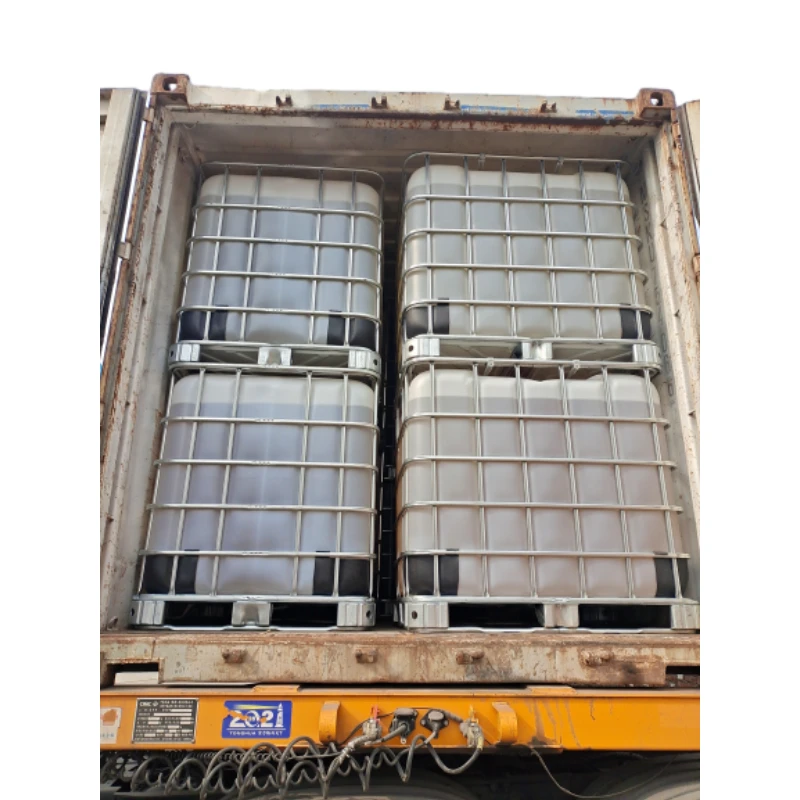
view more DiethanolisopropanolamineIn the ever-growing field of chemical solutions, diethanolisopropanolamine (DEIPA) stands out as a versatile and important compound. Due to its unique chemical structure and properties, DEIPA is of interest to various industries including construction, personal care, and agriculture. -
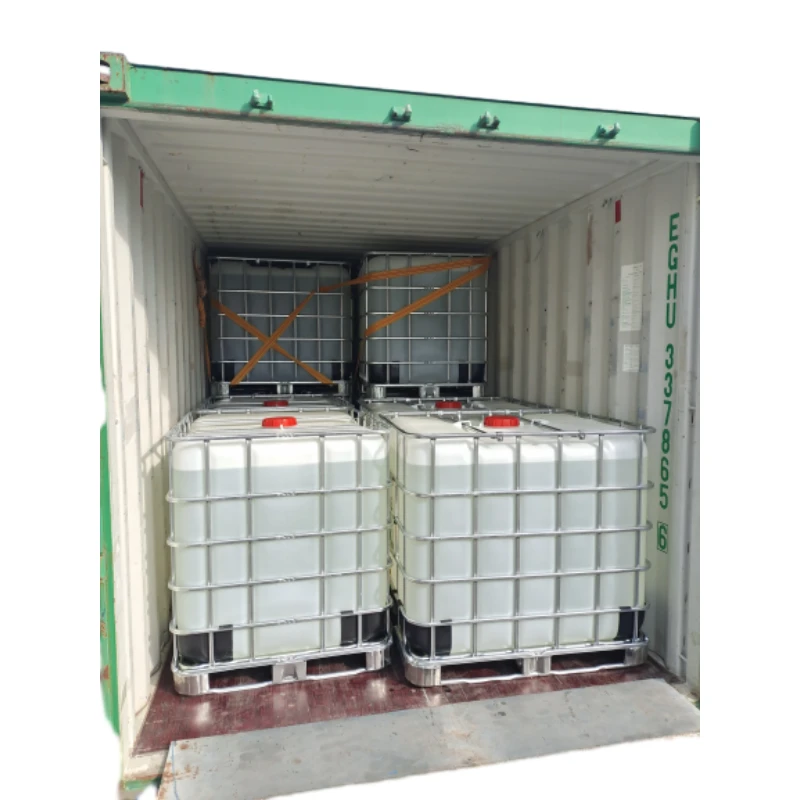
view more TriisopropanolamineTriisopropanolamine (TIPA) alkanol amine substance, is a kind of alcohol amine compound with amino and alcohol hydroxyl, and because of its molecules contains both amino and hydroxyl. -

view more Tetramethyl Thiuram DisulfideTetramethyl thiuram disulfide, also known as TMTD, is a white to light-yellow powder with a distinct sulfur-like odor. It is soluble in organic solvents such as benzene, acetone, and ethyl acetate, making it highly versatile for use in different formulations. TMTD is known for its excellent vulcanization acceleration properties, which makes it a key ingredient in the production of rubber products. Additionally, it acts as an effective fungicide and bactericide, making it valuable in agricultural applications. Its high purity and stability ensure consistent performance, making it a preferred choice for manufacturers across various industries.