





Comprehensive Guide to Calcium Propionate Preservative for Food Safety and Shelf Life
Understanding Calcium Propionate Preservative: A Global Essential
At first glance, calcium propionate preservative might sound like just another chemical in a long list of food additives. But the truth is, it plays a vital role in food safety worldwide—and that’s a topic worth digging into. As global populations swell and supply chains grow more complex, preventing spoilage while maintaining product integrity has never been more critical. From bakery shelves in New York to humanitarian supply kits in famine-stricken regions, calcium propionate is quietly ensuring food stays fresh longer, safer, and more reliable.
Introduction: Why Calcium Propionate Matters Globally
Food wastage remains a staggering problem. According to the UN Food and Agriculture Organization (FAO), roughly one-third of all food produced for human consumption is lost or wasted globally—about 1.3 billion tons a year. Much of this loss occurs due to microbial spoilage. Enter calcium propionate preservative, a well-established antimicrobial agent that effectively inhibits mold and bacterial growth in bread, dairy, and other foodstuffs.
Its global relevance becomes clear when you consider that bread alone accounts for a huge percentage of daily calories in many countries. In the US, for example, nearly 65% of households purchase bread weekly. Without preservatives like calcium propionate, mold can grow quickly, turning nutritious food into waste, impacting supply chains, increasing costs, and exacerbating food insecurity issues—especially in heat-prone, humid climates.
What is Calcium Propionate Preservative?
Simply put, calcium propionate is a salt derived from propionic acid and calcium. It’s widely used as a preservative primarily in bakery products but also dairy, processed meats, and certain beverages. It slows down the growth of mold and some bacteria but doesn’t inhibit yeast, allowing bread to still rise properly. Its effectiveness and low toxicity have earned it regulatory approval by bodies like the FDA and EFSA, making it a trusted additive worldwide.
Core Aspects of Calcium Propionate Preservative
1. Antimicrobial Efficiency
Calcium propionate targets mold species such as Aspergillus and Penicillium, which commonly spoil bread and dairy. It prevents spoilage for up to several weeks, depending on concentration and product type. This means less waste and more shelf stability.
2. Food Safety and Regulatory Acceptance
With decades of studies, calcium propionate is considered safe at prescribed levels. It’s listed under E282 in the EU and generally recognized as safe (GRAS) by the FDA. This regulatory backing facilitates global trade in foods preserved with it.
3. Cost-Effectiveness
Compared to other preservatives, calcium propionate offers a balanced cost-to-benefit ratio. Industrial bakeries, especially, appreciate this as it helps maintain product pricing while extending shelf life.
4. Compatibility with Food Products
Unlike some preservatives that alter taste or texture, calcium propionate is relatively mild. It doesn’t interfere with yeast fermentation, nor does it create off-flavors when used correctly—key for delicate bakery items.
Global Applications and Use Cases
While calcium propionate is most familiar in bakery goods from places like Europe and North America, its use has proliferated worldwide. In Southeast Asia, for instance, humid climates heighten the risk of mold spoilage, making calcium propionate indispensable for small-scale bakers and packaged bread producers.
Humanitarian organizations also rely on its preservative qualities in emergency food supplies, where maintaining edibility under less-than-ideal storage is crucial. Disaster relief operations in Africa have reported fewer food spoilage losses when using calcium propionate-treated products. Similarly, remote industrial zones with intermittent refrigeration benefit from longer-lasting dairy products preserved with this additive.
| Property | Value |
|---|---|
| Chemical Formula | C6H10CaO4 |
| Appearance | White to off-white powder |
| Solubility in Water | Soluble (~6.6 g/100 mL at 20°C) |
| pH (1% solution) | Around 6.5 - 8.0 |
| E Number | E282 |
Advantages & Long-Term Value
- Reduced Food Waste: By prolonging shelf life, it cuts down on thousands of tons of spoiled products each year, which is crucial for sustainability efforts.
- Economic Benefits: Longer-lasting products mean better inventory management and less loss, saving money across the supply chain.
- Consumer Safety & Trust: Helps ensure that food products remain safe for consumption longer, enhancing brand reputations and consumer confidence.
- Environmental Impact: Less discarded food means a smaller carbon footprint linked to food production and disposal.
On a human level, it’s about dignity and safety—you don’t want families consuming moldy bread or products that degrade quickly, especially in lower-income settings. Calcium propionate feels like a quiet safety net.
Future Trends & Innovations
The future of calcium propionate preservative looks promising yet dynamic. Innovations like nano-encapsulation are being explored to optimize release profiles and reduce needed doses, further minimizing any sensory changes in foods. Also, sustainable production methods using bio-based propionic acid are emerging, aligning the preservative with the green energy movement.
Digitally enabled quality control and automated dosage equipment ensure precise incorporation during production, enhancing consistency. Regulatory landscapes continue tightening, so companies invest in advanced analytics to ensure safety—building consumer trust in an era where people increasingly scrutinize food ingredients.
Common Challenges & Solutions
Although calcium propionate is widely used, challenges like slight off-flavors at high concentrations or reduced efficacy under improper storage do occur. Ensuring exact dosing and maintaining stable storage conditions are practical fixes most producers adopt. Moreover, ongoing research tackles microbial resistance and compatibility with emerging clean-label trends.
Some smaller bakeries might hesitate because of cost or ingredient familiarity, but educational outreach and supplier support programs are easing adoption barriers.
| Vendor | Purity (%) | Pricing (per kg) |
Regulatory Compliance | Distribution Regions |
|---|---|---|---|---|
| Tenger Chemical | ≥ 99% | Competitive | FDA, EU, ISO Certified | Global |
| Vendor B | 98% | Moderate | Mostly Regional | Asia, Europe |
| Vendor C | 99.5% | Premium | FDA Approved | North America |
Frequently Asked Questions About Calcium Propionate Preservative
- How does calcium propionate help extend the shelf life of bakery products?
- Calcium propionate inhibits mold and certain bacteria that cause food spoilage, especially in moist environments such as baked goods. It prevents visible mold growth, thus extending shelf life by days or even weeks without affecting yeast fermentation or taste.
- Is calcium propionate safe to consume on a daily basis?
- Yes. Regulatory agencies like the FDA and EFSA have approved calcium propionate as safe at typical food additive levels. It is metabolized by the body and generally considered non-toxic when consumed within established limits.
- Can calcium propionate be used in organic foods?
- Generally, synthetic food preservatives including calcium propionate are not allowed in certified organic products. However, each organic certification body sets its own rules, so it’s best to check specific organic standards regionally.
- Does the use of calcium propionate affect the taste or texture of food?
- When added at recommended levels, calcium propionate has minimal impact on taste and texture. Overuse might impart a slightly bitter or chemical aftertaste, so precise dosing is important for maintaining product quality.
Conclusion
Wrapping this up, calcium propionate preservative is more than a chemical compound—it’s a linchpin in feeding a growing world safely and sustainably. Its ability to prolong shelf life, reduce waste, and maintain safety is invaluable across industries and geographies. In a nutshell, it supports food security in subtle but profound ways. If you want to explore higher-quality calcium propionate preservatives and how they can help your products thrive, feel free to visit Tenger Chemical's website. They have a great track record for trusted, certified products worldwide.
Takeaway: Calcium propionate preservative quietly strengthens global food supply chains by keeping food safe longer — a small molecule with a big global imprint.
References
-
The Essential Guide to Sorbates as Food Preservatives for SafetyNewsApr.16,2026
-
The Ultimate Guide to Sorbate Preservative in Modern IndustryNewsApr.09,2026
-
Comprehensive Guide to Sodium Stearoyl Lactylate Emulsifier Applications and BenefitsNewsApr.07,2026
-
Comprehensive Guide to Sodium Cyclamate Sweetener Properties and ApplicationsNewsApr.04,2026
-
Comprehensive Guide to Sodium Citrate Food Additive and Its ApplicationsNewsMar.31,2026
-
Comprehensive Guide to Sodium Bicarbonate Food Additive Applications and BenefitsNewsMar.28,2026
-
Understanding Sodium Benzoate Preservative in Cosmetics and Its ApplicationsNewsMar.26,2026
Hebei Tenger Chemical Technology Co., Ltd. focuses on the chemical industry and is committed to the export service of chemical raw materials.
-
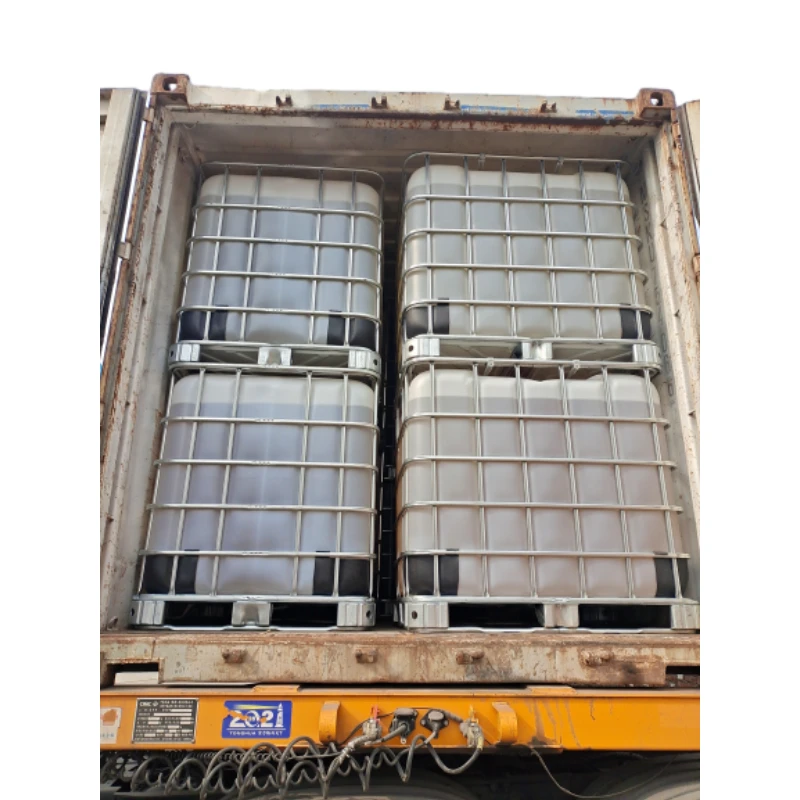
view more DiethanolisopropanolamineIn the ever-growing field of chemical solutions, diethanolisopropanolamine (DEIPA) stands out as a versatile and important compound. Due to its unique chemical structure and properties, DEIPA is of interest to various industries including construction, personal care, and agriculture. -
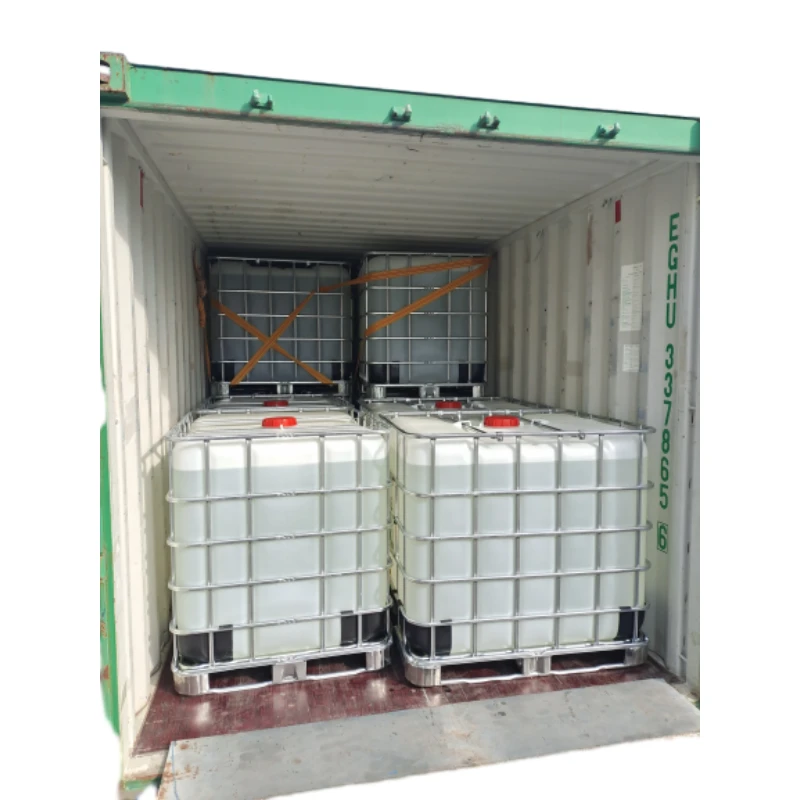
view more TriisopropanolamineTriisopropanolamine (TIPA) alkanol amine substance, is a kind of alcohol amine compound with amino and alcohol hydroxyl, and because of its molecules contains both amino and hydroxyl. -
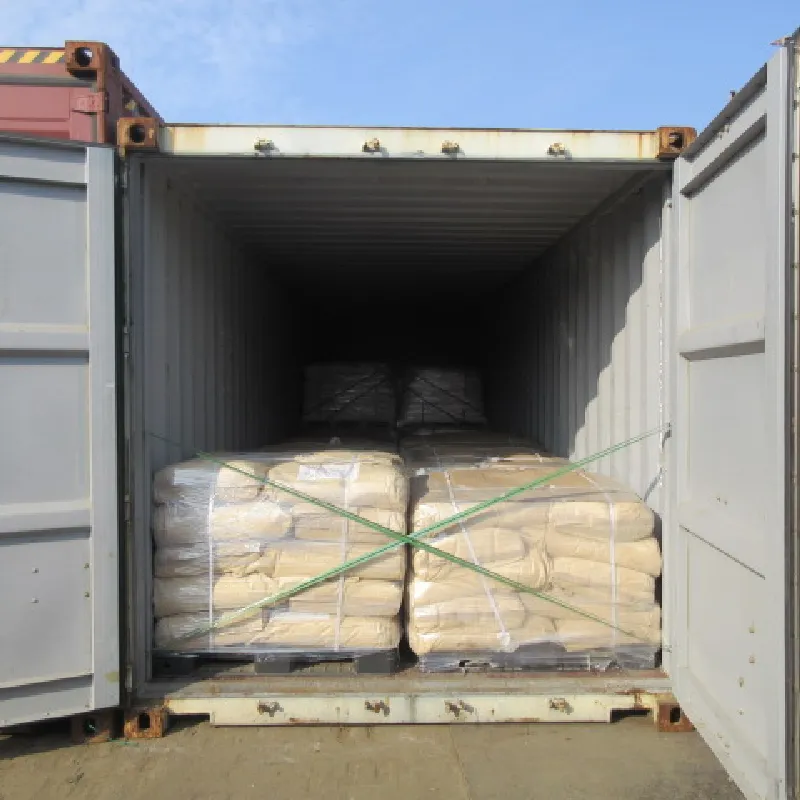
view more Tetramethyl Thiuram DisulfideTetramethyl thiuram disulfide, also known as TMTD, is a white to light-yellow powder with a distinct sulfur-like odor. It is soluble in organic solvents such as benzene, acetone, and ethyl acetate, making it highly versatile for use in different formulations. TMTD is known for its excellent vulcanization acceleration properties, which makes it a key ingredient in the production of rubber products. Additionally, it acts as an effective fungicide and bactericide, making it valuable in agricultural applications. Its high purity and stability ensure consistent performance, making it a preferred choice for manufacturers across various industries.