





Comprehensive Guide to Chinese Food Flavor Enhancer: Benefits, Uses & Trends
Understanding Chinese Food Flavor Enhancer: A Global Perspective
Chinese food flavor enhancers have become an indispensable part of modern culinary science and food manufacturing worldwide. You might be surprised, but these additives do much more than just “make food taste better.” They play critical roles in nutrition, food preservation, and even economic trade on an international scale. As demand for authentic taste and efficient production scales up, understanding how these enhancers function and why they matter is more relevant than ever.
At the heart of global food industries, chinese food flavor enhancer touches everything from street food stalls in Chengdu to packaged snacks shipped worldwide. Let’s dig into the core of what these enhancers are, why they are so essential, and what the future holds.
Global Context: Why Chinese Food Flavor Enhancers Matter
Flavor enhancers broadly refer to substances used to amplify or complement the natural taste and aroma of food. The story of Chinese flavor enhancers is deeply tied to the heritage of umami — often touted as the "fifth taste." According to data from the International Food Information Council and ISO guidelines on food additives, flavor enhancers facilitate product uniformity and reduce waste by masking off-flavors and improving palatability. For a country like China, responsible for nearly 28% of the global processed food market, these enhancers help maintain a food supply chain that is both authentic and scalable.
However, the challenge lies in balancing taste with health and regulatory compliance. The World Health Organization and FAO have ongoing discussions about allowable limits for flavor-enhancing compounds like monosodium glutamate (MSG), which has historically stirred debate among consumers and scientists alike.
What Exactly Is a Chinese Food Flavor Enhancer?
Put simply, a chinese food flavor enhancer is any additive used during cooking or food processing to boost or modify the natural flavor profiles, often through umami amplification or taste balancing. Classic examples include MSG, disodium inosinate, and guanylate. These compounds don't add taste themselves in a direct way but enhance our perception of savory or meaty notes — which is why so many Chinese recipes rely on them.
Interestingly, while their roots are traditional, modern food engineers have elevated these enhancers into efficient, scalable ingredients utilized not just in China but globally — from frozen dumplings in Europe to flavor packets in instant noodles across Southeast Asia.
Core Components and Key Factors of Chinese Food Flavor Enhancers
1. Umami Balance
This is the crux. Enhancers focus on the umami taste, often sourced from glutamates or nucleotides, which deepen the savouriness of dishes without overpowering them. It’s fascinating how just a tiny pinch alters the whole eating experience.
2. Stability and Solubility
Many enhancers must be water-soluble and able to withstand heat during cooking without losing effect. That’s why you’ll find specifications centered on their thermal stability and solubility in manufacturing brochures.
3. Cost Efficiency
For food manufacturers, it’s about balancing quality and cost. Chinese food flavor enhancers usually come in concentrated forms to reduce volume and transportation costs while maximizing flavor yield.
4. Regulatory Compliance
Strict regulations govern what can be labeled as a flavor enhancer, especially for export products. This involves adherence to local and international standards — a hurdle many producers surmount through constant R&D.
Real-World Uses & Global Reach
From bustling urban food stalls in Shanghai to remote factory kitchens fulfilling mass catering orders, Chinese food flavor enhancers have an impressive footprint. They enable consistency across diverse recipes, ensuring every bite feels just right. For example:
- Food Processing Industry: Used in sauces, snacks, and canned goods to achieve authentic taste with longer shelf life.
- Export Markets: Ensures products maintain flavor after transit and storage.
- Humanitarian Aid: Some food programs use flavor enhancers in ready-to-eat meals to improve acceptability and nutrition.
Oddly enough, these enhancers don’t just serve the mass market; even high-end culinary innovation relies on them for subtle flavor layering.
Advantages and Long-Term Value
Beyond taste, these enhancers contribute significantly to sustainability by:
- Reducing Food Waste: Enhanced taste can prevent consumers from discarding less-than-perfect produce.
- Cost Savings: Less raw material needed to achieve desired taste saves money over time.
- Trust & Consumer Safety: Strict quality control means dependable products that consumers can trust.
Frankly, they also enable cultural heritage to thrive in modern markets by preserving authentic flavor profiles at scale, which is quite beautiful when you think about it.
Product Specifications Table: Common Chinese Food Flavor Enhancers
| Enhancer | Active Compound | Solubility | Typical Usage | Thermal Stability |
|---|---|---|---|---|
| Monosodium Glutamate (MSG) | Glutamic acid salt | Highly soluble in water | Soups, sauces, snacks | Stable up to 120°C |
| Disodium Inosinate | Inosinic acid salt | Moderately soluble | Meat products, ready meals | Stable up to 100°C |
| Disodium Guanylate | Guanylic acid salt | Moderately soluble | Snack seasonings | Stable up to 110°C |
Vendor Comparison: Top Chinese Food Flavor Enhancer Suppliers
| Supplier | Product Range | Quality Certifications | Lead Time | Export Coverage |
|---|---|---|---|---|
| Tenger Chemical | MSG, inosinate, guanylate blends | ISO 22000, FSSC 22000 | 2-3 weeks | Global, focus on Asia & Europe |
| Green Valley Foods | Natural extract enhancers | Organic, Halal certified | 4-6 weeks | Asia, Americas |
| Sunrise Chemicals | Synthetic & natural blends | ISO 9001 | 3-4 weeks | Global |
Looking Ahead: Trends and Innovations in Flavor Enhancement
The industry is gradually shifting toward “clean label” and “natural” flavor enhancers, spurred by consumer demand for transparency and sustainability. There’s increasing investment in microbial fermentation methods to produce glutamates without chemicals, and the future may also hold AI-driven flavor design — tailoring enhancer blends precisely to regional palettes and dietary needs.
Digital transformation in QC and traceability ensures better safety compliance and consumer confidence. And yes, sustainability is front and center, with many suppliers adopting green manufacturing processes.
Challenges and Promising Solutions
One ongoing challenge remains consumer perception. Many still associate flavor enhancers, especially MSG, with dubious health claims, despite extensive research confirming their safety (like the World Health Organization’s reports).
Apart from perception, regulatory variation worldwide means producers must invest heavily in compliance and labeling. Yet, employing transparent sourcing, educating consumers, and adopting novel natural alternatives help bridge these gaps.
FAQ: Your Questions About Chinese Food Flavor Enhancers
- Are Chinese food flavor enhancers safe to consume daily?
- Generally, yes. Regulatory bodies like the FDA and WHO classify common enhancers such as MSG as safe when used within specified limits. Overconsumption is discouraged, but typical culinary use is considered harmless.
- How do flavor enhancers impact food shelf life?
- While flavor enhancers don’t act as preservatives, they can mask slight flavor degradation in stored foods, effectively improving consumer acceptance over time.
- Can flavor enhancers be natural rather than synthetic?
- Yes. Advances allow producers to derive glutamates and umami compounds via fermentation or from natural protein sources, catering to “clean label” trends.
- What is the difference between MSG and disodium inosinate?
- MSG is a glutamate salt directly responsible for umami taste, while disodium inosinate is a nucleotide enhancer that boosts and complements MSG’s effects. They are often used together for synergy.
Conclusion: Why Understanding Chinese Food Flavor Enhancers Is Essential
In sum, chinese food flavor enhancer products are far more than simple taste boosters. They represent a fascinating intersection of tradition, science, and global commerce. Their role in improving food quality, reducing waste, and preserving culinary heritage is significant and growing.
If you’re involved in food production, distribution, or simply curious about how those bold flavors come alive, it’s worth diving deeper. For sourcing quality products or further expertise, visit Tenger Chemical — a leader shaping the future of flavor enhancement.
Thanks for sticking with me through this flavorful journey — the little molecules behind your favorite dishes sure have a big story.
Mini takeaway: Chinese food flavor enhancers are not just additives; they’re vital tools connecting tradition to technology, taste to trust.
References
-
The Essential Guide to Sorbates as Food Preservatives for SafetyNewsApr.16,2026
-
The Ultimate Guide to Sorbate Preservative in Modern IndustryNewsApr.09,2026
-
Comprehensive Guide to Sodium Stearoyl Lactylate Emulsifier Applications and BenefitsNewsApr.07,2026
-
Comprehensive Guide to Sodium Cyclamate Sweetener Properties and ApplicationsNewsApr.04,2026
-
Comprehensive Guide to Sodium Citrate Food Additive and Its ApplicationsNewsMar.31,2026
-
Comprehensive Guide to Sodium Bicarbonate Food Additive Applications and BenefitsNewsMar.28,2026
-
Understanding Sodium Benzoate Preservative in Cosmetics and Its ApplicationsNewsMar.26,2026
Hebei Tenger Chemical Technology Co., Ltd. focuses on the chemical industry and is committed to the export service of chemical raw materials.
-
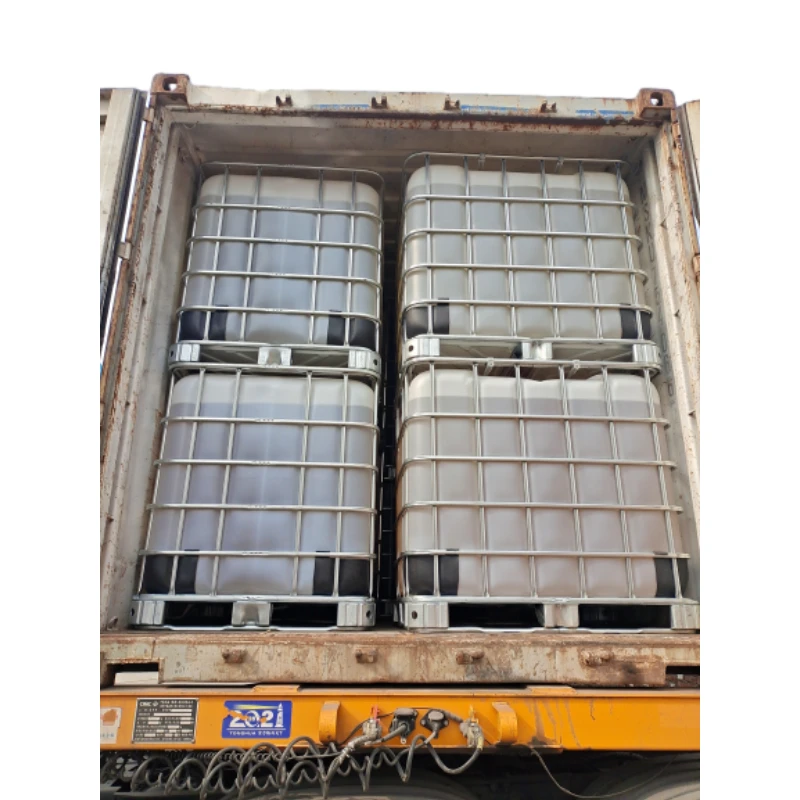
view more DiethanolisopropanolamineIn the ever-growing field of chemical solutions, diethanolisopropanolamine (DEIPA) stands out as a versatile and important compound. Due to its unique chemical structure and properties, DEIPA is of interest to various industries including construction, personal care, and agriculture. -
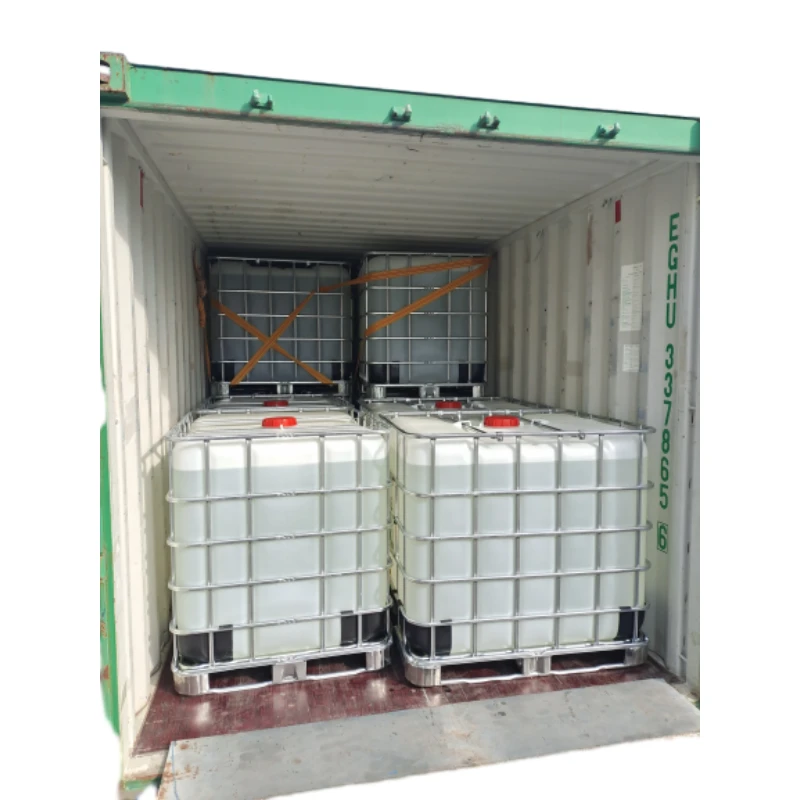
view more TriisopropanolamineTriisopropanolamine (TIPA) alkanol amine substance, is a kind of alcohol amine compound with amino and alcohol hydroxyl, and because of its molecules contains both amino and hydroxyl. -

view more Tetramethyl Thiuram DisulfideTetramethyl thiuram disulfide, also known as TMTD, is a white to light-yellow powder with a distinct sulfur-like odor. It is soluble in organic solvents such as benzene, acetone, and ethyl acetate, making it highly versatile for use in different formulations. TMTD is known for its excellent vulcanization acceleration properties, which makes it a key ingredient in the production of rubber products. Additionally, it acts as an effective fungicide and bactericide, making it valuable in agricultural applications. Its high purity and stability ensure consistent performance, making it a preferred choice for manufacturers across various industries.