





Comprehensive Guide to Citric Acid a Preservative: Global Impact, Applications & Future Trends
Citric Acid a Preservative: What It Is and Why It Matters Globally
Citric acid, widely known as a preservative, is one of those ingredients that quietly does a lot of heavy lifting in our food, pharmaceutical, and cosmetic industries. You might have seen it labeled in your favorite snack or even in cleaning products, but beyond its everyday presence, understanding citric acid as a preservative has global importance. Especially as we grow increasingly conscious of food safety, shelf-life extension, and sustainable manufacturing, citric acid offers practical solutions.
Why focus on it? Well, around the world, food waste is a massive problem—nearly one third of all food produced globally spoils before consumption, according to UN Environment Programme. Preservatives like citric acid help mitigate this, extending shelf life and ensuring food safety, which in turn supports health and reduces unnecessary resource depletion.
Summary Takeaway
Citric acid is more than a kitchen staple; understanding its preservative role ties directly into global food security and sustainability efforts.
Global Context: Why Citric Acid as a Preservative is Increasingly Relevant
Globally, the demand for natural and safe food preservatives is rising fast. Data from the World Health Organization (WHO) and ISO standards reflect growing consumer preference for preservatives that are both effective and derived from natural sources. Citric acid fits this bill perfectly—derived mainly from fermentation of sugars by microbes, it's deemed safe, economical, and versatile.
Yet, challenges like microbial contamination and flavor degradation call for reliable preservatives. Citric acid helps address these by chelating metal ions that catalyze oxidation, thereby slowing spoilage. This is especially critical in developing countries and disaster-prone regions where cold-chain logistics are limited.
Mini Takeaway
The rising necessity for safe, natural preservatives, paired with supply chain challenges, highlights citric acid’s key role worldwide.
Definition & Meaning: What is Citric Acid as a Preservative?
Put simply, citric acid is an organic acid naturally found in citrus fruits like lemons and limes. When used as a preservative, it prevents spoilage by lowering the pH of foods, creating an environment that’s hostile to many bacteria and molds. Additionally, it acts as an antioxidant, chelating metals like iron and copper that otherwise accelerate food spoilage.
It plays a pivotal role in industries beyond food too — cosmetics, pharmaceuticals, and even industrial cleaners rely on its preservative qualities. Its natural origin and effectiveness have made it a staple preservative alternative to synthetic options like benzoates or parabens.
Mini Takeaway
Citric acid’s preservative power stems from acidity and antioxidant action, making it a natural, multifunctional industry workhorse.
Key Factors of Citric Acid as a Preservative
1. Durability
Citric acid extends the shelf life of perishable products by disrupting microbial growth and enzymatic reactions. It maintains product stability even under varying temperature and humidity levels.
2. Scalability
Thanks to modern fermentation technology, large-scale production of citric acid is economically viable and consistent. Companies can produce tons efficiently, meeting global industrial demand.
3. Cost Efficiency
Compared to many synthetic preservatives, citric acid is affordable due to abundant natural feedstocks and mature production processes.
4. Safety and Regulatory Approval
Regulators like the FDA list citric acid as Generally Recognized as Safe (GRAS). This trust encourages manufacturers to use it in everything from baby food to pharmaceuticals.
5. Environmental Friendliness
Being biodegradable and derived naturally, citric acid fits well within sustainability goals. Its production emits less pollution versus synthetic preservatives.
Mini Takeaway
Durability, cost, safety, and green credentials make citric acid not just practical but increasingly preferable.
Product Specifications of Citric Acid a Preservative
| Specification | Typical Value | Notes |
|---|---|---|
| Purity (anhydrous) | ≥ 99.5% | Meets food-grade standards |
| Form | Powder or Crystals | Easier dosing and blending |
| pH in 1% Solution | 2.2 – 2.6 | Acidic environment for antimicrobial effect |
| Solubility | Water soluble | Good for liquids & powders |
| Packaging | 25kg/50lb bags | Standard industrial |
Global Applications & Use Cases of Citric Acid as a Preservative
Citric acid’s preservative qualities shine in numerous sectors and regions. In the food industry, it’s common in canned fruits, jams, juices, and dairy to prevent spoilage and maintain taste. For example, Europe and North America are major markets where consumers demand natural preservatives in organic foods—citric acid fits perfectly.
In pharmaceutical production, citric acid stabilizes active ingredients and prevents microbial contamination, crucial in medicines distributed globally — even in remote or disaster-hit areas. Humanitarian organizations also rely on citric acid-preserved foods for reliable nutrition during relief efforts, where refrigeration is scarce.
Cosmetics and personal care products use citric acid to control pH and prevent bacterial growth without harsh chemicals, popular in the expanding Asian and Latin American markets.
Mini Takeaway
Citric acid’s broad usage across continents and industries makes it truly global in both impact and importance.
Advantages & Long-Term Value of Using Citric Acid a Preservative
- Cost-Effectiveness: Its low price and ease of sourcing reduce production costs.
- Sustainability: Naturally derived, biodegradable, and less pollutive lifecycle.
- Health & Safety: GRAS status and non-toxic nature bring consumer confidence.
- Innovation Support: Compatible with modern clean-label and natural product trends.
- Emotional Impact: Consumers feel reassured knowing food and products are safely preserved without synthetic additives.
Mini Takeaway
The long-term value combines business benefits and emotional trust – a win-win in today’s market.
Future Trends & Innovations in Citric Acid as a Preservative
Looking ahead, the integration of citric acid with digital preservation technologies is promising. Smart packaging that monitors spoilage indicators can synergize with citric acid’s antimicrobial effect to extend freshness even further. Additionally, biotechnology is advancing fermentation strains for ultra-efficient citric acid production with lower carbon footprints.
The push toward green chemistry also fosters hybrid preservatives combining citric acid with natural antimicrobials like essential oils, optimizing synergistic effects without compromising safety or flavor.
Mini Takeaway
Innovation is steering citric acid preservative use into smarter, cleaner, and even more sustainable territory.
Challenges & Practical Solutions
Despite many benefits, citric acid is not a silver bullet. Its acidic nature can sometimes alter taste profiles undesirably in delicate foods. Also, alone it may not fully inhibit some spoilage organisms, requiring formulation with other preservatives.
Experts recommend combining citric acid with hurdle technologies—like refrigeration, modified atmosphere packaging, or natural antimicrobials—to maximize preservation without harsh additives. Continuous R&D is crucial to optimize such blends and address taste or texture impacts.
Mini Takeaway
Clever formulation and process controls are key to overcoming citric acid’s natural limitations.
FAQ: Frequently Asked Questions About Citric Acid a Preservative
- Q1: Is citric acid safe for all types of food products?
- Yes, citric acid is widely used in diverse food products due to its safety profile. However, it’s best suited for acidic or low-pH foods, as it complements their flavor and preservation needs. Neutral or alkaline food systems often require additional preservatives.
- Q2: Can citric acid preserve pharmaceuticals effectively?
- Certainly, citric acid is used in pharmaceuticals primarily for pH adjustment and as a chelating agent to stabilize formulations, indirectly supporting preservation. It’s typically part of multi-component preservative systems in complex medicines.
- Q3: How does citric acid compare to synthetic preservatives?
- Citric acid is natural, biodegradable, and generally better tolerated by consumers seeking “clean-label” products. While synthetic preservatives may offer stronger or broader antimicrobial activity, citric acid’s safety and multifunctionality make it a preferred choice in many sectors.
- Q4: How is citric acid sourced sustainably?
- Modern production uses microbial fermentation from renewable feedstocks like corn or sugar beet. Process innovations continue to reduce energy consumption and waste, aligning with sustainability targets.
- Q5: Can citric acid be combined with other preservatives?
- Yes, it’s often part of preservative blends to enhance efficacy. For instance, paired with potassium sorbate or natural antimicrobial extracts, it helps broaden the preservation spectrum while maintaining clean-label status.
Vendor Comparison of Citric Acid Preservatives
| Vendor | Purity (%) | Source | Price (per ton) | Sustainability Certifications |
|---|---|---|---|---|
| Tenger Chemical Co. | ≥ 99.5 | Fermentation - Corn Sugar | $1,200 | ISO 14001, GMP |
| Global Chem Ltd. | ≥ 99.0 | Fermentation - Sugar Beet | $1,250 | None |
| Natural Ingredients Inc. | ≥ 99.7 | Extracted from Citrus | $1,450 | Organic, USDA Certified |
Conclusion & Call to Action
In sum, citric acid as a preservative isn’t just a chemical—it’s a global enabler for food safety, sustainability, and innovation. Its natural origin, affordability, and multifunctional properties make it central to modern preservation strategies across food, pharma, and personal care.
If you’re looking for a reliable partner in sourcing top-quality citric acid a preservative, I encourage you to visit our website to explore product lines tailored for your industry’s needs.
Thanks for sticking through this exploration — in real terms, understanding citric acid’s role helps secure our global supply chains and improve lives through safer, longer-lasting products.
— An experienced chemical industry writer reflecting on the quiet power of preservatives.
References
- UN Environment Programme (UNEP) – Food Loss and Waste Statistics
- WHO – Food Safety and Preservatives
- International Organization for Standardization (ISO) – Food Safety Standards
-
The Essential Guide to Sorbates as Food Preservatives for SafetyNewsApr.16,2026
-
The Ultimate Guide to Sorbate Preservative in Modern IndustryNewsApr.09,2026
-
Comprehensive Guide to Sodium Stearoyl Lactylate Emulsifier Applications and BenefitsNewsApr.07,2026
-
Comprehensive Guide to Sodium Cyclamate Sweetener Properties and ApplicationsNewsApr.04,2026
-
Comprehensive Guide to Sodium Citrate Food Additive and Its ApplicationsNewsMar.31,2026
-
Comprehensive Guide to Sodium Bicarbonate Food Additive Applications and BenefitsNewsMar.28,2026
-
Understanding Sodium Benzoate Preservative in Cosmetics and Its ApplicationsNewsMar.26,2026
Hebei Tenger Chemical Technology Co., Ltd. focuses on the chemical industry and is committed to the export service of chemical raw materials.
-
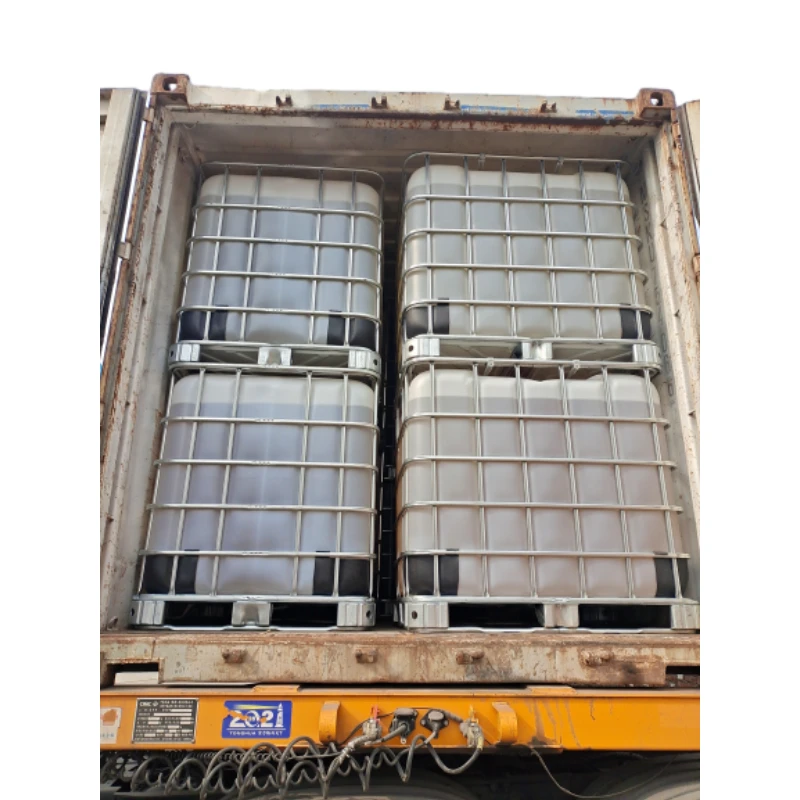
view more DiethanolisopropanolamineIn the ever-growing field of chemical solutions, diethanolisopropanolamine (DEIPA) stands out as a versatile and important compound. Due to its unique chemical structure and properties, DEIPA is of interest to various industries including construction, personal care, and agriculture. -
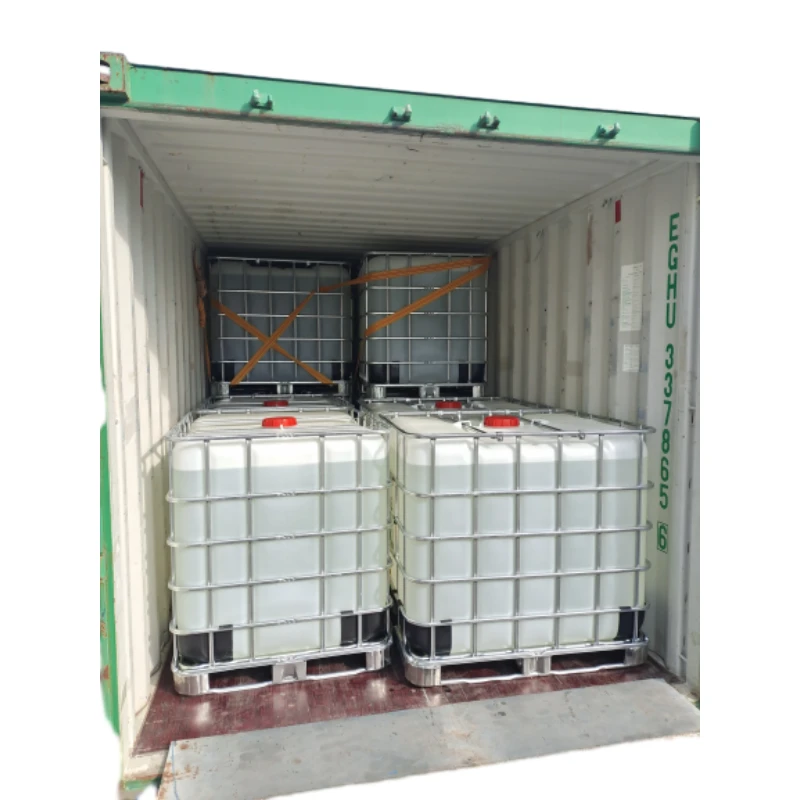
view more TriisopropanolamineTriisopropanolamine (TIPA) alkanol amine substance, is a kind of alcohol amine compound with amino and alcohol hydroxyl, and because of its molecules contains both amino and hydroxyl. -

view more Tetramethyl Thiuram DisulfideTetramethyl thiuram disulfide, also known as TMTD, is a white to light-yellow powder with a distinct sulfur-like odor. It is soluble in organic solvents such as benzene, acetone, and ethyl acetate, making it highly versatile for use in different formulations. TMTD is known for its excellent vulcanization acceleration properties, which makes it a key ingredient in the production of rubber products. Additionally, it acts as an effective fungicide and bactericide, making it valuable in agricultural applications. Its high purity and stability ensure consistent performance, making it a preferred choice for manufacturers across various industries.