





Comprehensive Guide to Flavor Enhancer 635: Global Applications & Benefits
Understanding Flavor Enhancer 635: A Global Taste Revolution
Flavor enhancer 635 has quietly become one of the most fascinating ingredients in the global food industry. If you’re wondering why this particular additive continues to gain traction worldwide, it’s because it amplifies taste in a way that perfectly balances umami and savory notes — which many of us crave. The impact? It helps manufacturers produce delicious, cost-effective food products with consistent quality that can reach millions. This article explores the multifaceted world of flavor enhancer 635: what it is, why it matters, and where the future of taste enhancement is heading.
Why does flavor enhancer 635 matter globally?
In a world where food security and nutrition remain pressing challenges—especially in developing regions—flavor enhancer 635 offers a way to make affordable foods taste better and be more appealing. According to the Food and Agriculture Organization (FAO), ensuring palatable food products can influence consumption patterns and improve dietary satisfaction. Oddly enough, something as simple as flavor can have major effects on nutrition and food waste.
Moreover, the global demand for flavor enhancers is rising. Market data from Statista shows that the flavor enhancer market is projected to grow at a CAGR of around 5% between 2023 and 2030. This growth reflects not just consumer tastes but also industrial needs. From processed meats in Europe to instant noodles in Asia, flavor enhancer 635 plays a crucial role in meeting expectations and reducing costs.
What exactly is flavor enhancer 635?
Flavor enhancer 635 is a synergistic blend primarily composed of disodium 5’-ribonucleotides, including disodium inosinate (IMP) and disodium guanylate (GMP). These substances work alongside monosodium glutamate (MSG) to elevate the perception of “umami” — that savory taste that lies somewhere between salty and sweet. It’s not a flavor by itself; it’s a booster, making the flavor profiles of foods richer and fuller without overpowering original tastes.
In terms of industrial application, flavor enhancer 635 is favored because it can be used at low dosages — so less additive is needed, making it economical and impactful. Plus, it’s versatile: dairy, snacks, soups, broths, seasonings, you name it.
Key Components & Practical Applications
Synergistic Effect
Flavor enhancer 635 owes its potency to the combined action of IMP and GMP, which work best when paired with MSG. These compounds interact on our taste buds to amplify savory perception significantly more than MSG alone.
Low Dosage Requirements
Because it's highly effective in tiny amounts, this reduces production costs and lowers the risk of over-flavoring food products—giving manufacturers better control.
Wide Industrial Compatibility
This additive is soluble and stable across various food matrices—whether in dry powders, liquids, or sauces. It’s compatible with other additives and ingredients too.
Regulatory Approval
Flavor enhancer 635 is approved for use by international food safety authorities, including the Codex Alimentarius and the European Food Safety Authority (EFSA). That lends a degree of trustworthiness for global food producers.
Product Specifications at a Glance
| Specification | Details |
|---|---|
| Chemical Composition | Disodium Inosinate (IMP), Disodium Guanylate (GMP) |
| Appearance | White to off-white powder |
| Solubility | Highly soluble in water |
| Dosage Range | Typically 0.02% - 0.1% in finished product |
| Shelf Life | 2 years, if stored in cool dry conditions |
Where Is Flavor Enhancer 635 Changing the Game?
Globally, it’s particularly prominent in Asia, Europe, and North America. In Asia, instant noodle manufacturers have long relied on blends containing 635 to replicate rich, meaty broths. Meanwhile, in Europe, it often appears in processed cheese and ready meals to enhance flavor without excess salt. Oddly enough, these regions share a common trait: the push for convenient, affordable food that consumers actually enjoy.
In humanitarian contexts, manufacturers see potential for flavor enhancer 635 in fortified foods designed for nutrition programs in developing countries. Making nutrient-rich but often bland products more palatable can improve consumption and thus impact nutrition outcomes positively.
Vendor Comparison: Popular Flavor Enhancer 635 Solutions
| Vendor | Origin | Purity (%) | Typical Usage | Price Range (USD/kg) |
|---|---|---|---|---|
| Tenger Chemical Co. | China | ≥98% | Snacks, soups, seasonings | $5.5 - 7.0 |
| Ajinomoto | Japan | ≥99% | Processed meats, soups | $8.0 - 9.5 |
| Kerry Group | Ireland | ≥97% | Dairy, convenience foods | $6.5 - 8.0 |
Advantages & Long-Term Value of Flavor Enhancer 635
- Cost Efficiency: Enhances flavor profiles economically, lowering the need for expensive raw ingredients.
- Sustainability: Allows reduction in salt and fat content without compromising taste—an important health and environmental factor.
- Consumer Satisfaction: Drives repeat purchases by improving taste, boosting brand loyalty.
- Social Impact: In humanitarian or nutrition aid scenarios, it helps make fortified foods more palatable, thus improving nutritional uptake.
Frankly, it’s a small additive with big implications. Food companies rely on it not just for taste but for consumer trust and long-term market presence.
Emerging Trends & Innovations
Looking forward, the integration of flavor enhancer 635 into plant-based and alternative protein products is growing. Consumers want savory notes that mimic meat, and 635 fits the bill. Additionally, “clean label” concerns inspire innovations where manufacturers seek natural sources of IMP and GMP, though cost remains a hurdle.
Digital formulation tools and AI-driven flavor design are beginning to fine-tune how 635 blends with other additives, improving both cost and sensory results. Plus, sustainability regulations are pushing companies to reduce sodium and enhance taste with smarter ingredient combos like 635.
Challenges & Expert Solutions
Despite its benefits, flavor enhancer 635 faces some criticism because of its synthetic origins and connection to MSG-related apprehensions. So many companies invest in educating consumers and exploring natural derivates. Additionally, balancing 635’s strong umami impact without overpowering delicate flavors can be tricky, requiring experienced formulation expertise.
Experts advise rigorous sensory testing and incremental application during product development, which prevents “off” flavors. Another pressing challenge is supply chain consistency, which calls for dependable vendors and quality controls — things Tenger Chemical and peers address transparently.
FAQ: Your Top Questions About Flavor Enhancer 635
Q: Is flavor enhancer 635 safe for daily consumption?
A: Yes. It is recognized as safe by the FDA, EFSA, and Codex Alimentarius, provided usage complies with recommended levels. Most consumers don’t exceed these amounts in normal diets.
Q: How does flavor enhancer 635 compare to MSG?
A: While MSG is a standalone umami enhancer, flavor enhancer 635 contains nucleotides that work synergistically with MSG, intensifying savory taste more effectively at lower dosages.
Q: Can flavor enhancer 635 help reduce sodium in food?
A: Absolutely. By enhancing flavor perception, less salt is needed, which benefits health-conscious consumers.
Q: Are there vegan or allergen concerns with flavor enhancer 635?
A: It’s generally vegan-safe and doesn’t contain major allergens. However, always verify supplier specifics, especially for highly sensitive products.
Q: Where can I source high-quality flavor enhancer 635?
A: Trusted manufacturers like Tenger Chemical offer reliable products with transparent quality standards and global shipping support.
Wrapping Up: Why Flavor Enhancer 635 Deserves Your Attention
Flavor enhancer 635 isn’t just a buzzword — it’s a foundational tool in modern food manufacturing that blends science, taste, and economics. Whether you’re developing new snacks, enhancing nutrition-focused items, or simply aiming for consistent flavor quality, it’s worth understanding this additive thoroughly. Explore more about its role and sourcing opportunities at Tenger Chemical. Great taste can indeed be engineered — thoughtfully and responsibly.
Mini takeaway: Flavor enhancer 635 is a versatile, science-backed additive shaping global food preferences, with both economic and nutritional benefits.
References:
1. Food and Agriculture Organization (FAO): Food Security Report
2. Codex Alimentarius: Food Additive Standards
3. Statista: Flavor Enhancer Market Forecast
-
The Essential Guide to Sorbates as Food Preservatives for SafetyNewsApr.16,2026
-
The Ultimate Guide to Sorbate Preservative in Modern IndustryNewsApr.09,2026
-
Comprehensive Guide to Sodium Stearoyl Lactylate Emulsifier Applications and BenefitsNewsApr.07,2026
-
Comprehensive Guide to Sodium Cyclamate Sweetener Properties and ApplicationsNewsApr.04,2026
-
Comprehensive Guide to Sodium Citrate Food Additive and Its ApplicationsNewsMar.31,2026
-
Comprehensive Guide to Sodium Bicarbonate Food Additive Applications and BenefitsNewsMar.28,2026
-
Understanding Sodium Benzoate Preservative in Cosmetics and Its ApplicationsNewsMar.26,2026
Hebei Tenger Chemical Technology Co., Ltd. focuses on the chemical industry and is committed to the export service of chemical raw materials.
-
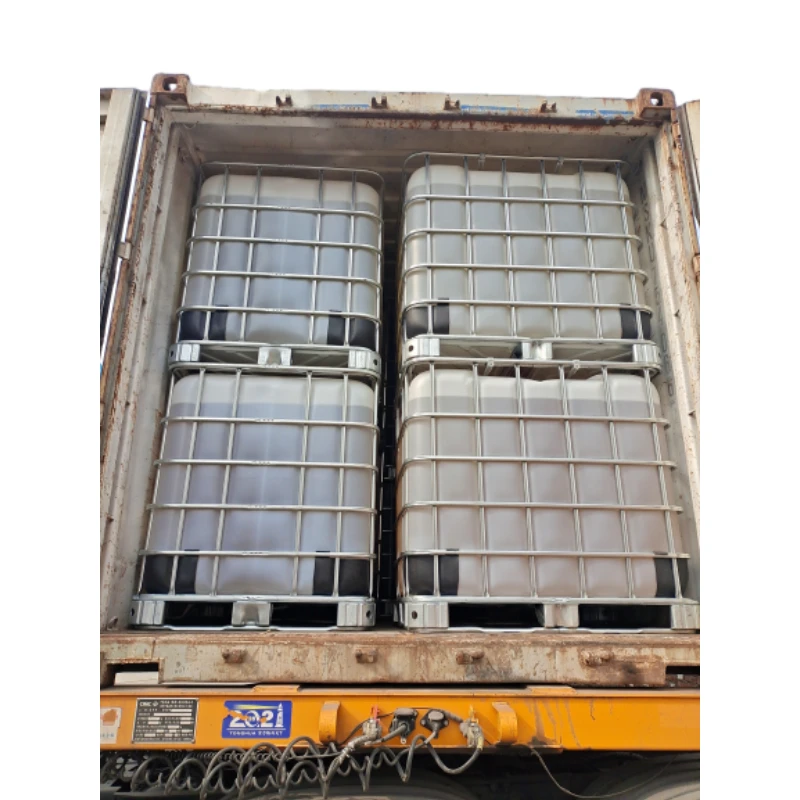
view more DiethanolisopropanolamineIn the ever-growing field of chemical solutions, diethanolisopropanolamine (DEIPA) stands out as a versatile and important compound. Due to its unique chemical structure and properties, DEIPA is of interest to various industries including construction, personal care, and agriculture. -
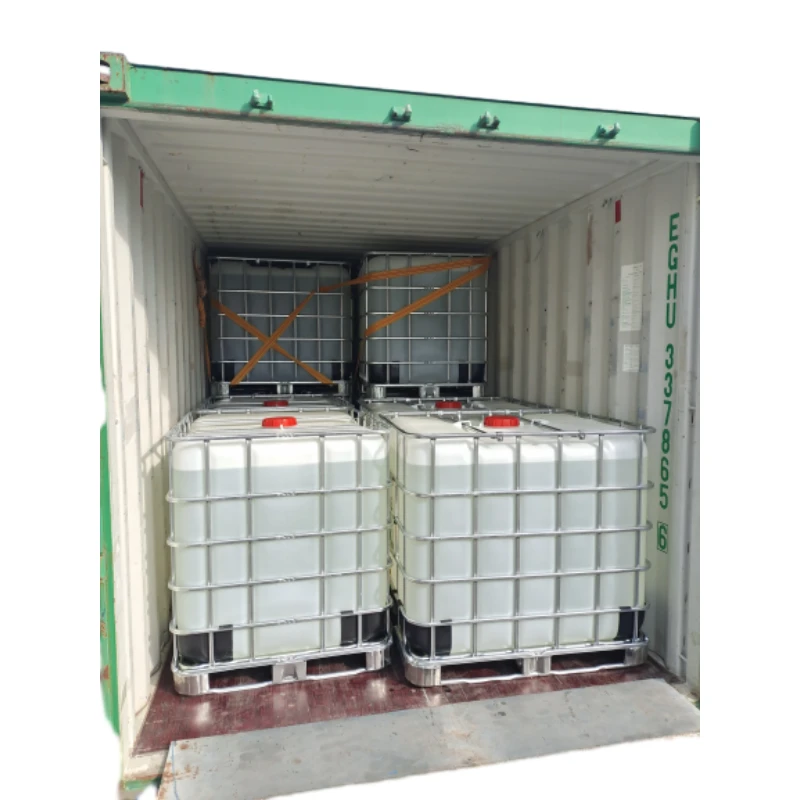
view more TriisopropanolamineTriisopropanolamine (TIPA) alkanol amine substance, is a kind of alcohol amine compound with amino and alcohol hydroxyl, and because of its molecules contains both amino and hydroxyl. -
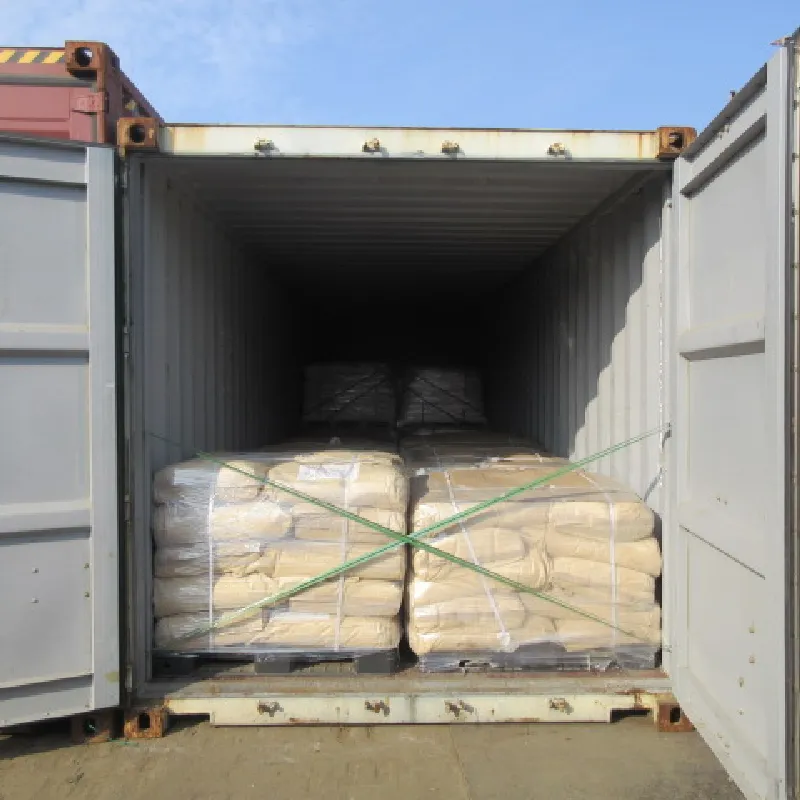
view more Tetramethyl Thiuram DisulfideTetramethyl thiuram disulfide, also known as TMTD, is a white to light-yellow powder with a distinct sulfur-like odor. It is soluble in organic solvents such as benzene, acetone, and ethyl acetate, making it highly versatile for use in different formulations. TMTD is known for its excellent vulcanization acceleration properties, which makes it a key ingredient in the production of rubber products. Additionally, it acts as an effective fungicide and bactericide, making it valuable in agricultural applications. Its high purity and stability ensure consistent performance, making it a preferred choice for manufacturers across various industries.