





Comprehensive Guide to Sodium Benzoate and Potassium Sorbate Preservatives
Sodium Benzoate and Potassium Sorbate Preservatives: A Comprehensive Guide
In the food, beverage, and personal care industries, maintaining product shelf life and safety is paramount. Sodium benzoate and potassium sorbate are widely used preservatives that play a critical role in preventing spoilage and extending product freshness. This article will delve into the properties, applications, safety considerations, and differences between these two essential preservatives. Understanding these compounds is vital for manufacturers and consumers alike. Let’s explore how Tenger Chemical can supply your business with high-quality preservatives.

Understanding Sodium Benzoate: Properties and Applications
Sodium benzoate (C7H5NaO2) is the sodium salt of benzoic acid. It’s a white crystalline powder with a slight characteristic odor. Its primary function is as a preservative, inhibiting the growth of mold, yeast, and certain bacteria. It's particularly effective in acidic environments (pH below 4.5). Common applications include carbonated beverages, fruit juices, pickles, salad dressings, jams, and jellies. It’s also found in some cosmetic and pharmaceutical products. The effectiveness of sodium benzoate stems from its ability to penetrate cell membranes and disrupt microbial metabolism.
Exploring Potassium Sorbate: Its Role in Preservation
Potassium sorbate (C6H7KO2) is the potassium salt of sorbic acid. Like sodium benzoate, it appears as a white crystalline powder. It’s a highly effective preservative against molds and yeasts, and it exhibits some antibacterial activity. Potassium sorbate is generally more effective at higher pH levels than sodium benzoate, making it suitable for a broader range of products. It is commonly used in cheese, yogurt, dried fruits, wines, baked goods, and syrups. Its applications also extend to personal care products like lotions and creams. Potassium sorbate's effectiveness relies on inhibiting the growth of microorganisms by interfering with their enzyme systems.
Key Takeaway: Both sodium benzoate and potassium sorbate are potent preservatives crucial for extending product shelf life and ensuring consumer safety.
Sodium Benzoate vs. Potassium Sorbate: A Detailed Comparison
While both preservatives share a common goal – preventing spoilage – they differ in their chemical properties and optimal application conditions. Sodium benzoate is more effective in acidic environments, whereas potassium sorbate maintains its effectiveness across a wider pH range. Potassium sorbate is often preferred in products where sodium content needs to be minimized. The choice between the two often depends on the specific product formulation and desired preservation outcome.
Safety Considerations and Regulations
Both sodium benzoate and potassium sorbate are generally recognized as safe (GRAS) by the U.S. Food and Drug Administration (FDA) when used within specified limits. However, some individuals may experience allergic reactions or sensitivities. Concerns have been raised regarding the potential formation of benzene in beverages containing sodium benzoate, particularly when exposed to heat and light. Manufacturers typically mitigate this risk by minimizing the use of sodium benzoate and employing proper storage practices. Regulatory guidelines vary by country, so it’s essential to comply with local regulations regarding usage levels and labeling requirements. Tenger Chemical ensures all our products meet stringent quality and safety standards.

Sourcing High-Quality Preservatives from Tenger Chemical
Choosing a reliable supplier is crucial when sourcing sodium benzoate and potassium sorbate. Tenger Chemical is a leading supplier of high-quality preservatives, offering consistent purity, competitive pricing, and exceptional customer service. We provide comprehensive documentation, including Certificates of Analysis (COA) and Material Safety Data Sheets (MSDS), to ensure compliance and traceability. Our commitment to quality and reliability makes us a trusted partner for businesses across various industries.
Conclusion: Preserving Quality and Safety with the Right Solutions
Understanding the nuances of sodium benzoate and potassium sorbate is essential for manufacturers aiming to deliver safe, high-quality products. By carefully selecting the appropriate preservative and partnering with a trusted supplier like Tenger Chemical, you can ensure optimal preservation and maintain consumer confidence.
Frequently Asked Questions (FAQs)
What are the typical usage levels of sodium benzoate and potassium sorbate?
Typical usage levels vary depending on the product and regulatory guidelines. Generally, sodium benzoate is used at concentrations of 0.05% to 0.15%, while potassium sorbate is used at levels between 0.05% and 0.2%. However, these are just guidelines, and specific applications may require different concentrations. Always refer to local regulations and conduct compatibility testing to determine the optimal usage level for your product. It's essential to avoid exceeding the maximum permitted levels as defined by food safety authorities.
Can sodium benzoate and potassium sorbate be used together?
Yes, sodium benzoate and potassium sorbate are often used in combination to provide broader spectrum preservation. This synergistic effect can enhance the overall effectiveness against a wider range of microorganisms. However, it’s crucial to carefully consider the pH of the product and use appropriate concentrations of each preservative to maximize their combined efficacy. This combination can be particularly effective in products with varying pH levels, where one preservative may be more effective than the other.
Are there any natural alternatives to sodium benzoate and potassium sorbate?
While there are several natural alternatives being explored, they often come with limitations. Options include rosemary extract, citric acid, and essential oils. However, these alternatives may not provide the same level of broad-spectrum preservation as synthetic preservatives like sodium benzoate and potassium sorbate. They may also be more expensive or require higher concentrations to achieve the desired effect, potentially impacting the product's taste or aroma. The suitability of natural alternatives depends on the specific product formulation and desired shelf life.
Where can I find detailed specifications and documentation for Tenger Chemical’s preservatives?
You can find detailed specifications, Certificates of Analysis (COA), Material Safety Data Sheets (MSDS), and other relevant documentation on the Tenger Chemical website. Our technical team is also available to answer any specific questions you may have regarding our products. We are committed to providing our customers with the information they need to ensure the safe and effective use of our preservatives.
-
The Ultimate Guide to Sorbate Preservative in Modern IndustryNewsApr.09,2026
-
Comprehensive Guide to Sodium Stearoyl Lactylate Emulsifier Applications and BenefitsNewsApr.07,2026
-
Comprehensive Guide to Sodium Cyclamate Sweetener Properties and ApplicationsNewsApr.04,2026
-
Comprehensive Guide to Sodium Citrate Food Additive and Its ApplicationsNewsMar.31,2026
-
Comprehensive Guide to Sodium Bicarbonate Food Additive Applications and BenefitsNewsMar.28,2026
-
Understanding Sodium Benzoate Preservative in Cosmetics and Its ApplicationsNewsMar.26,2026
-
Comprehensive Guide to Sodium Benzoate Preservative Applications and SafetyNewsMar.24,2026
Hebei Tenger Chemical Technology Co., Ltd. focuses on the chemical industry and is committed to the export service of chemical raw materials.
-
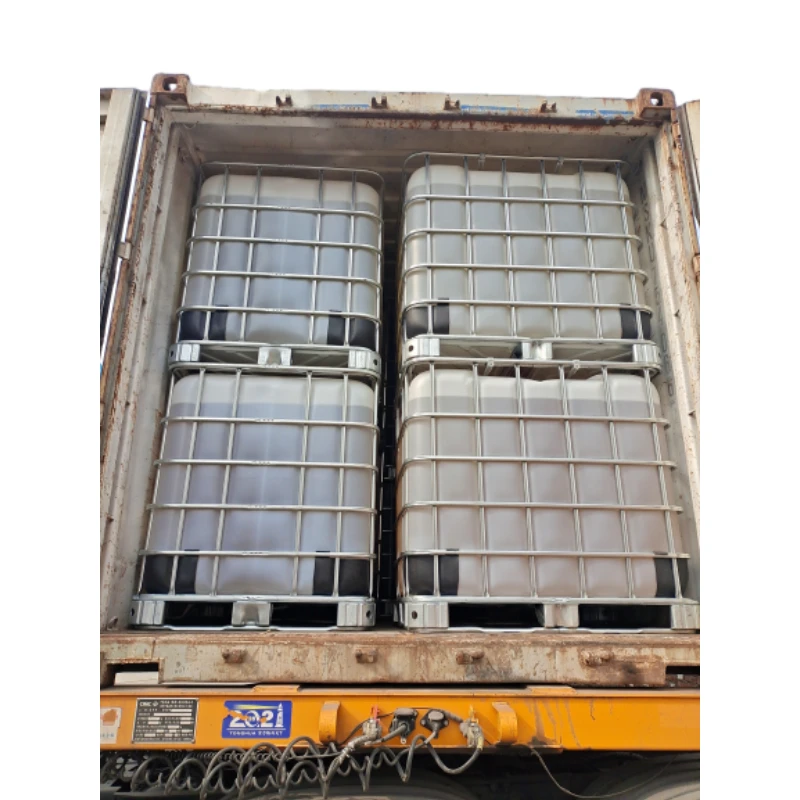
view more DiethanolisopropanolamineIn the ever-growing field of chemical solutions, diethanolisopropanolamine (DEIPA) stands out as a versatile and important compound. Due to its unique chemical structure and properties, DEIPA is of interest to various industries including construction, personal care, and agriculture. -
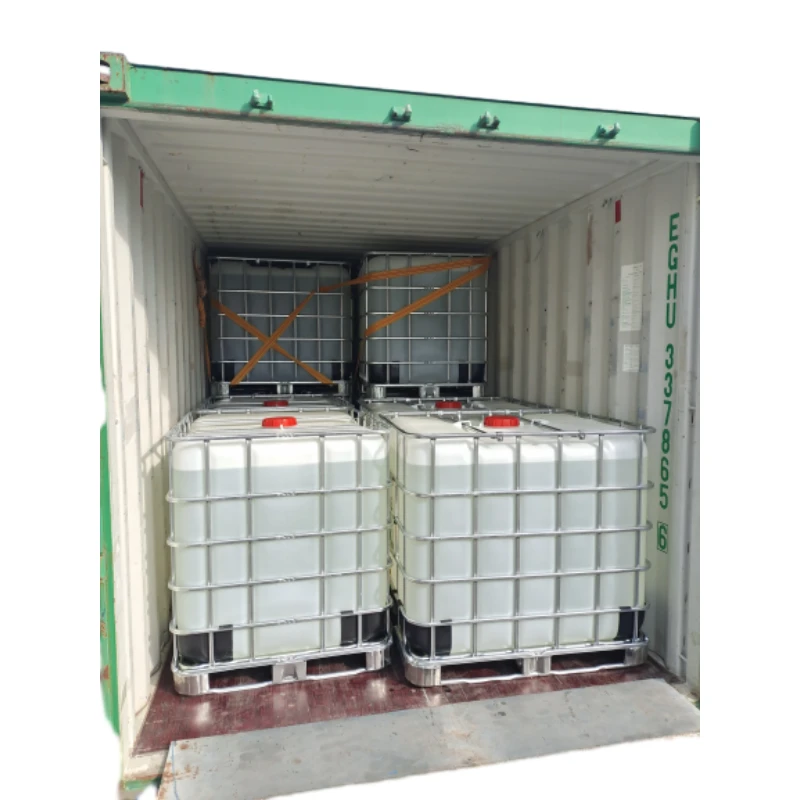
view more TriisopropanolamineTriisopropanolamine (TIPA) alkanol amine substance, is a kind of alcohol amine compound with amino and alcohol hydroxyl, and because of its molecules contains both amino and hydroxyl. -

view more Tetramethyl Thiuram DisulfideTetramethyl thiuram disulfide, also known as TMTD, is a white to light-yellow powder with a distinct sulfur-like odor. It is soluble in organic solvents such as benzene, acetone, and ethyl acetate, making it highly versatile for use in different formulations. TMTD is known for its excellent vulcanization acceleration properties, which makes it a key ingredient in the production of rubber products. Additionally, it acts as an effective fungicide and bactericide, making it valuable in agricultural applications. Its high purity and stability ensure consistent performance, making it a preferred choice for manufacturers across various industries.