





Exploring Preservatives Used in Soft Drinks for Safety and Shelf Life
Understanding Preservatives Used in Soft Drinks
The refreshing fizz of a soft drink is something many enjoy, but have you ever considered what keeps these beverages safe, stable, and tasting consistently good? The answer lies in preservatives – ingredients added to prevent spoilage, maintain flavor, and extend shelf life. This article delves into the common preservatives used in soft drinks, their functions, and the regulations surrounding their use. We’ll explore both natural and synthetic options, offering a comprehensive overview for consumers and industry professionals alike. Understanding these additives empowers informed choices and appreciation for the science behind our favorite beverages.
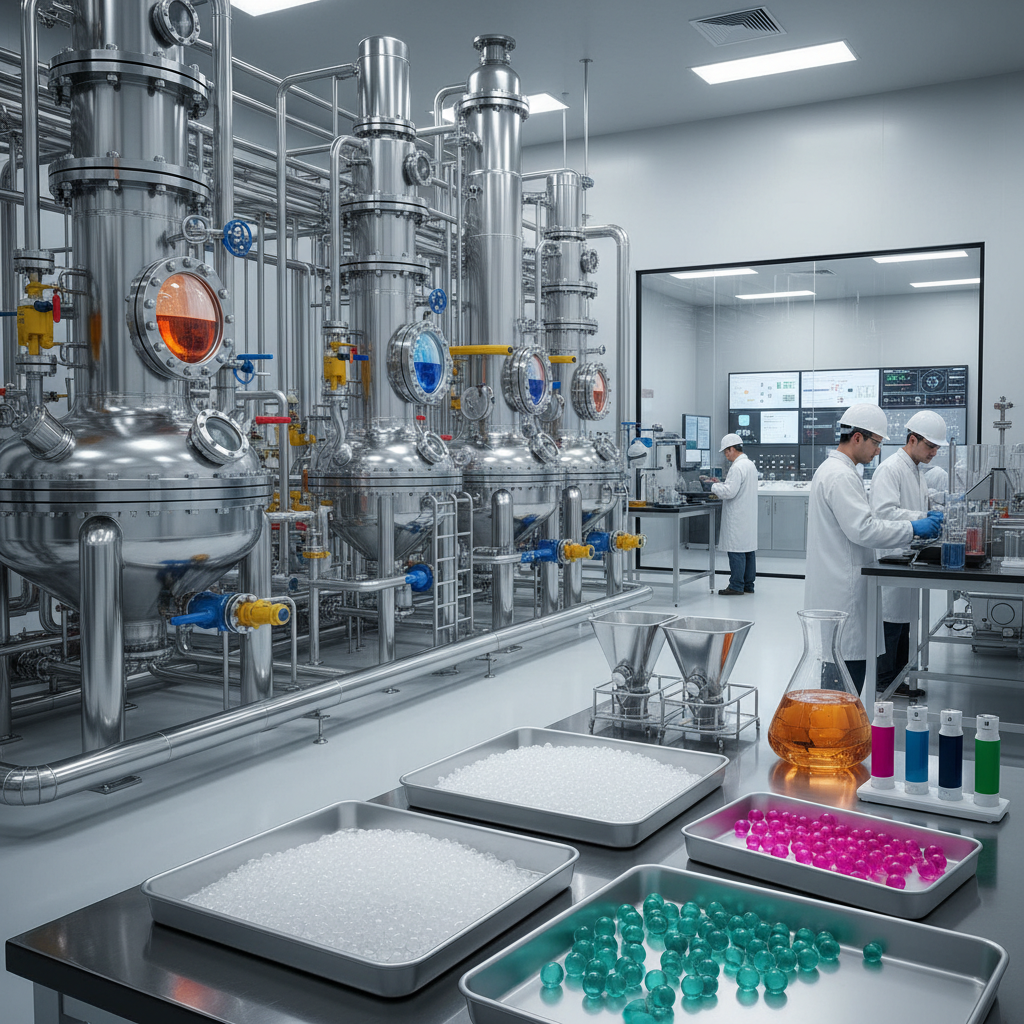
Why are Preservatives Necessary in Soft Drinks?
Soft drinks are particularly susceptible to spoilage due to their sugar content, pH levels, and exposure to oxygen. Microorganisms like bacteria, yeasts, and molds can thrive in these environments, leading to undesirable changes in taste, odor, and appearance. Preservatives combat this by inhibiting microbial growth, preventing oxidation (which causes rancidity), and maintaining the drink’s carbonation. Without preservatives, soft drinks would have a significantly shorter shelf life and pose potential health risks due to microbial contamination. They are crucial for ensuring product safety and quality throughout the supply chain – from production to consumption.
Key Benefits of Preservatives: Preventing spoilage, extending shelf life, ensuring product safety, and maintaining consistent taste and quality.
Common Preservatives Used in Soft Drinks
A variety of preservatives are employed in the soft drink industry, each with its specific properties and applications. These can be broadly categorized into natural and synthetic options. Sodium benzoate and potassium sorbate are among the most prevalent synthetic preservatives, while natural alternatives include ascorbic acid (Vitamin C) and citric acid. The choice of preservative often depends on the type of soft drink, its pH level, and desired shelf life. The use of these preservatives used in soft drinks is carefully regulated to ensure consumer safety.
Preservative Types: Natural vs. Synthetic
• Natural Preservatives: Derived from natural sources like fruits and vegetables (e.g., ascorbic acid, citric acid).
• Synthetic Preservatives: Man-made chemicals specifically designed to inhibit microbial growth (e.g., sodium benzoate, potassium sorbate).
A Comparative Look at Popular Preservatives
Understanding the characteristics of different preservatives is key to appreciating their roles. Here’s a comparison of some common options:
Regulatory Oversight and Consumer Safety
The use of preservatives in food and beverages, including soft drinks, is strictly regulated by governmental bodies like the Food and Drug Administration (FDA) in the United States and the European Food Safety Authority (EFSA) in Europe. These agencies establish permissible levels of preservatives based on thorough scientific assessments to ensure consumer safety. Manufacturers are required to list all ingredients, including preservatives, on product labels, allowing consumers to make informed choices. Ongoing research continues to refine these regulations and explore safer alternatives. We at Tenger Chemical adhere to all relevant regulations and provide high-quality preservatives for the beverage industry.
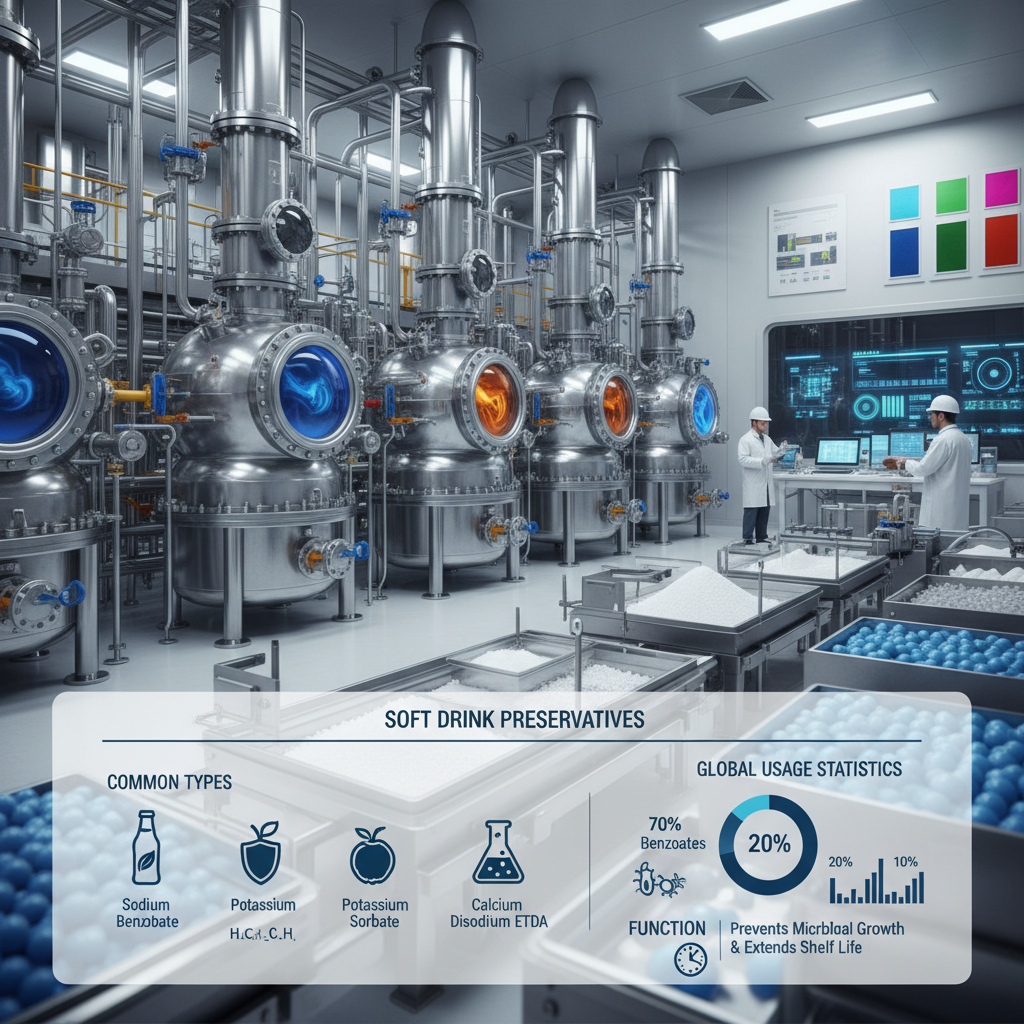
Conclusion: Balancing Preservation and Quality
Preservatives are vital for maintaining the safety, stability, and quality of soft drinks.
Understanding the different types of preservatives and the regulatory framework governing their use allows for a more informed appreciation of the science behind these popular beverages. While concerns about artificial additives are valid, rigorous testing and oversight ensure that the preservatives used in soft drinks are safe for consumption within established limits.
Frequently Asked Questions (FAQs)
Are preservatives harmful to health?
The preservatives used in soft drinks are generally considered safe for consumption when used within the limits established by regulatory agencies like the FDA and EFSA. These agencies conduct extensive research to assess the potential health effects of preservatives and set acceptable daily intake levels. However, some individuals may experience sensitivities or allergic reactions to certain preservatives. It's always best to read product labels and consult with a healthcare professional if you have concerns.
What's the difference between natural and synthetic preservatives?
Natural preservatives are derived from natural sources like fruits, vegetables, or fermentation processes (e.g., citric acid, ascorbic acid). Synthetic preservatives, on the other hand, are chemically synthesized to inhibit microbial growth. While both types serve the same purpose – extending shelf life and ensuring safety – some consumers prefer natural options. However, it's important to note that 'natural' doesn't automatically equate to 'safer'; both types are subject to rigorous safety assessments.
Can I find soft drinks without preservatives?
Yes, some soft drinks are marketed as "preservative-free." These beverages typically rely on other methods to maintain freshness, such as pasteurization, sterile filtration, or packaging in airtight containers. However, even preservative-free drinks may contain other ingredients that contribute to shelf stability, such as high sugar content or acidity. Their shelf life is generally shorter than that of traditionally preserved soft drinks.
-
The Essential Guide to Sorbates as Food Preservatives for SafetyNewsApr.16,2026
-
The Ultimate Guide to Sorbate Preservative in Modern IndustryNewsApr.09,2026
-
Comprehensive Guide to Sodium Stearoyl Lactylate Emulsifier Applications and BenefitsNewsApr.07,2026
-
Comprehensive Guide to Sodium Cyclamate Sweetener Properties and ApplicationsNewsApr.04,2026
-
Comprehensive Guide to Sodium Citrate Food Additive and Its ApplicationsNewsMar.31,2026
-
Comprehensive Guide to Sodium Bicarbonate Food Additive Applications and BenefitsNewsMar.28,2026
-
Understanding Sodium Benzoate Preservative in Cosmetics and Its ApplicationsNewsMar.26,2026
Hebei Tenger Chemical Technology Co., Ltd. focuses on the chemical industry and is committed to the export service of chemical raw materials.
-
view more DiethanolisopropanolamineIn the ever-growing field of chemical solutions, diethanolisopropanolamine (DEIPA) stands out as a versatile and important compound. Due to its unique chemical structure and properties, DEIPA is of interest to various industries including construction, personal care, and agriculture. -
view more TriisopropanolamineTriisopropanolamine (TIPA) alkanol amine substance, is a kind of alcohol amine compound with amino and alcohol hydroxyl, and because of its molecules contains both amino and hydroxyl. -

view more Tetramethyl Thiuram DisulfideTetramethyl thiuram disulfide, also known as TMTD, is a white to light-yellow powder with a distinct sulfur-like odor. It is soluble in organic solvents such as benzene, acetone, and ethyl acetate, making it highly versatile for use in different formulations. TMTD is known for its excellent vulcanization acceleration properties, which makes it a key ingredient in the production of rubber products. Additionally, it acts as an effective fungicide and bactericide, making it valuable in agricultural applications. Its high purity and stability ensure consistent performance, making it a preferred choice for manufacturers across various industries.