





Flavour Enhancer Explained: Benefits, Uses, and Industry Insights
Understanding Flavour Enhancer: The Unsung Hero of Modern Food Industry
Flavour enhancers might not make the headlines like some groundbreaking ingredients, but they quietly transform the way we experience food worldwide. They've become essential in making meals more enjoyable—whether in restaurant kitchens, packaged snacks, or even humanitarian food aid. Grasping what flavour enhancers do and why they matter offers insight not only into food science but also into broader issues of nutrition, sustainability, and cultural acceptance.
Global Context: Why Flavour Enhancers Are More Relevant Than Ever
Did you know that according to the FAO, around 8.9% of the world population suffers from undernourishment? Food manufacturers and aid organizations face the enormous challenge of delivering nutritious meals that people actually want to eat. Here's where flavour enhancers come in—they help improve the taste profile of foods that might otherwise be bland or unappealing, especially those with shelf-stable or nutrient-rich formulations.
Flavour enhancers are important globally because they contribute to food acceptance and reduce waste. The global food additives market was valued at about USD 42 billion in 2021 and is expected to grow steadily—reflecting ongoing demand for these subtle yet powerful ingredients.1
Defining Flavour Enhancer
Simply put, a flavour enhancer is a substance added to food that intensifies its existing taste without introducing a new flavor. It’s different from spices or herbs that bring distinct flavors. Common examples include monosodium glutamate (MSG), nucleotides, and certain yeast extracts. These compounds interact with our taste buds, primarily triggering umami sensations or making salty and sweet tastes more pronounced.
In industrial terms, flavour enhancers enable manufacturers to boost palatability while optimizing ingredient costs or nutritional improvements. For humanitarian contexts, they play a key role in making emergency food rations more tolerable and culturally acceptable.
Key Components and Factors of Flavour Enhancers
1. Chemical Nature and Safety
The backbone of any flavour enhancer lies in its chemical structure and purity. Regulatory authorities like the FDA and EFSA impose strict safety standards. For example, MSG’s safety has been repeatedly evaluated and affirmed, although public perception remains mixed.
2. Compatibility with Food Matrices
Flavour enhancers must perform well in diverse food environments—whether dry snacks, soups, sauces, or ready-to-eat meals. Their solubility, stability under heat, and interaction with other ingredients determine their effectiveness.
3. Cost Efficiency and Scalability
Since these additives are used at low concentrations, manufacturers look for cost-effective solutions that can be scaled for mass production without quality loss.
4. Consumer Acceptance and Labeling
Public awareness and preference trends influence which flavour enhancers are favored. Clean-label claims and natural-origin enhancers (like yeast extracts) gain traction amid growing demand for “transparent” food ingredients.
| Parameter | Description | Example: MSG |
|---|---|---|
| Chemical Formula | Monosodium salt of glutamic acid | C5H8NO4Na |
| Taste Profile | Umami enhancer, savory taste | Strong umami impact |
| Typical Usage Levels | 0.1% to 0.8% of total food weight | 0.2% on average |
| Solubility | Highly soluble in water | Excellent solubility |
| Regulatory Approval | Approved by FDA, EFSA, JECFA | GRAS (Generally Recognized As Safe) |
Real-World Applications & Use Cases
- Food Manufacturing: Widely used in soups, snack foods, processed meats, and frozen meals to deliver richer, more satisfying flavors.
- Humanitarian Aid: Flavour enhancers improve the taste of ready-to-eat meals or fortified supplements distributed in food relief, enhancing acceptability in refugee camps and disaster zones.
- Regional Specialties: In East Asia, MSG and yeast extracts are staples for creating the signature umami taste in countless dishes.
- Plant-Based Foods: They help boost the flavor profile of vegetarian or vegan products, which might otherwise struggle to replicate meaty richness.
For example, in post-disaster relief areas, mildly seasoned emergency meals supplemented with flavour enhancers make a significant difference in recipient satisfaction—thus helping reduce food waste and increase nutrition uptake.
Advantages & Long-Term Value
Flavour enhancers carry practical and emotional benefits. Logically, they lower costs—since manufacturers can use less salt or expensive spices without sacrificing taste. They also promote sustainability by reducing food waste linked to unappetizing food.
On the emotional front, these enhancers contribute to dignity and comfort, especially for vulnerable populations who may feel the blandness of emergency food is unappealing or alien to their culinary traditions. Innovation like this builds trust between producers and consumers.
Emerging Trends and Innovations
The future looks quite bright. Natural and biotech-derived flavour enhancers are catching on alongside clean label initiatives. Digital flavor profiling helps tailor flavour enhancer blends to target audiences from the first recipe iteration. Automation in ingredient mixing improves consistency.
Meanwhile, sustainability drives innovation—producers seek enhancers derived from fermentation processes, reducing reliance on synthetic chemicals. Some companies experiment with seaweed extracts or mushroom peptides, aligning with green food processing trends.
Challenges and Solutions
Despite their popularity, flavour enhancers face hurdles: consumer skepticism, regulatory variances across countries, and sometimes unexpected interactions with other ingredients. Misuse can lead to off-putting taste or perceived “artificial” flavors.
To tackle this, expert flavorists use advanced sensory analysis and small-batch pilot tests before scaling. Transparency in labeling and consumer education is key to boosting acceptance.
Production-side, ongoing research looks at novel enhancer options that blend efficacy and natural sourcing.
| Supplier | Product Range | Natural Options | Global Reach | Pricing |
|---|---|---|---|---|
| Tenger Chemical | MSG, yeast extracts, nucleotides | Yes | Asia, Europe, Americas | Competitive |
| Ajinomoto | Broad, including specialty enhancers | Limited natural | Global | Premium |
| Sensient Technologies | Custom blends, natural options | Yes | North America, Europe | Moderate |
FAQ: Frequently Asked Questions About Flavour Enhancer
- What is the safest flavour enhancer for everyday use?
- MSG is widely studied and considered safe for general consumption by authorities like the FDA and EFSA. However, sensitivities vary, so natural yeast extracts are good alternatives for those seeking clean-label options.
- Can flavour enhancers help reduce salt content in food?
- Yes, they enhance the perception of saltiness and umami, allowing manufacturers to lower sodium levels without compromising taste, which supports health-conscious product development.
- Are there natural flavour enhancers certified for organic foods?
- Many yeast extract-based enhancers and certain plant-derived peptides can be certified organic. Always check supplier certifications—Tenger Chemical offers such products.
- How do I choose the right enhancer for a new plant-based product?
- It depends on your ingredient matrix and target taste profile. Conduct sensory trials using blends of nucleotides and yeast extracts to closely mimic desirable flavors like meat or cheese.
Conclusion
Flavour enhancers are more than just additives—they’re tools for innovation, acceptance, and sustainability in food production. They carry the promise of improving nutrition and reducing waste worldwide, especially when paired with advancing technologies and shifting consumer preferences.
If you want to explore high-quality flavour enhancer options, visit our website. We combine expertise with responsible sourcing to deliver solutions that taste better and make a difference.
Oddly enough, these subtle ingredients often make the biggest impact on what ends up on your plate—and frankly, that’s something worth savoring.
References
-
The Essential Guide to Sorbates as Food Preservatives for SafetyNewsApr.16,2026
-
The Ultimate Guide to Sorbate Preservative in Modern IndustryNewsApr.09,2026
-
Comprehensive Guide to Sodium Stearoyl Lactylate Emulsifier Applications and BenefitsNewsApr.07,2026
-
Comprehensive Guide to Sodium Cyclamate Sweetener Properties and ApplicationsNewsApr.04,2026
-
Comprehensive Guide to Sodium Citrate Food Additive and Its ApplicationsNewsMar.31,2026
-
Comprehensive Guide to Sodium Bicarbonate Food Additive Applications and BenefitsNewsMar.28,2026
-
Understanding Sodium Benzoate Preservative in Cosmetics and Its ApplicationsNewsMar.26,2026
Hebei Tenger Chemical Technology Co., Ltd. focuses on the chemical industry and is committed to the export service of chemical raw materials.
-
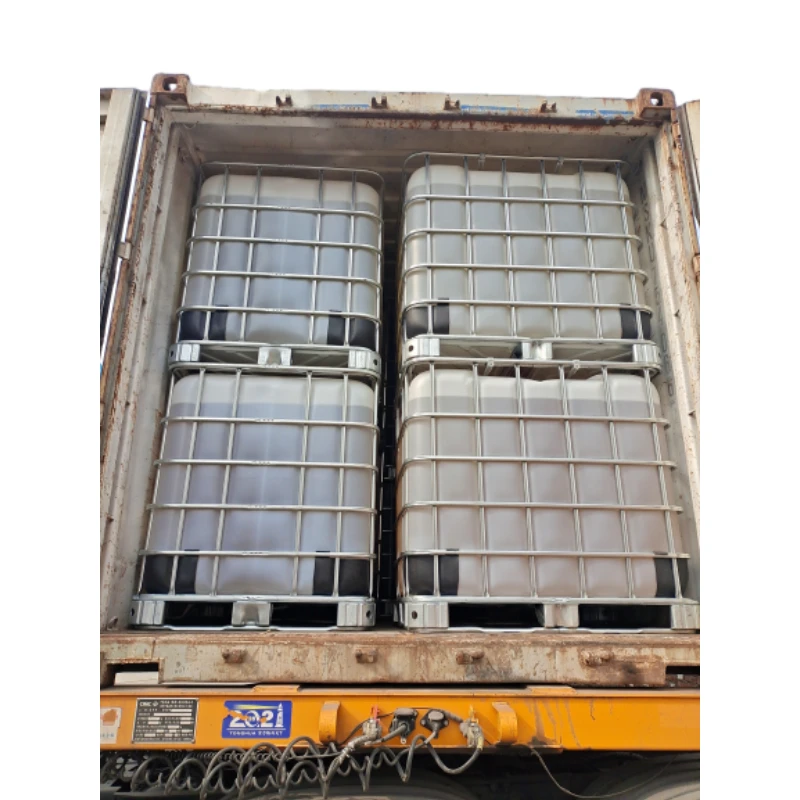
view more DiethanolisopropanolamineIn the ever-growing field of chemical solutions, diethanolisopropanolamine (DEIPA) stands out as a versatile and important compound. Due to its unique chemical structure and properties, DEIPA is of interest to various industries including construction, personal care, and agriculture. -
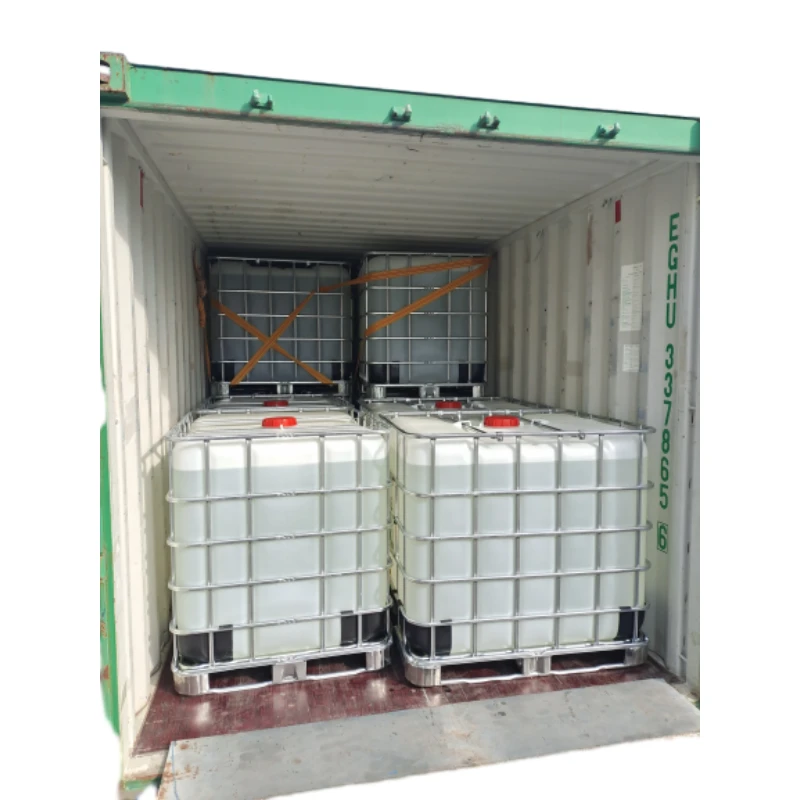
view more TriisopropanolamineTriisopropanolamine (TIPA) alkanol amine substance, is a kind of alcohol amine compound with amino and alcohol hydroxyl, and because of its molecules contains both amino and hydroxyl. -

view more Tetramethyl Thiuram DisulfideTetramethyl thiuram disulfide, also known as TMTD, is a white to light-yellow powder with a distinct sulfur-like odor. It is soluble in organic solvents such as benzene, acetone, and ethyl acetate, making it highly versatile for use in different formulations. TMTD is known for its excellent vulcanization acceleration properties, which makes it a key ingredient in the production of rubber products. Additionally, it acts as an effective fungicide and bactericide, making it valuable in agricultural applications. Its high purity and stability ensure consistent performance, making it a preferred choice for manufacturers across various industries.