





Natural Food Additives Insights From Industrial Equipment Experts
Natural Food Additives: A Closer Look From Industry Experience
Having worked in the industrial equipment sector for over a decade, I’ve seen many trends come and go — but one thing that always stands out is the growing demand for natural food additives. It’s fascinating how the food industry is shifting toward cleaner labels and ingredients derived from nature. Frankly, this isn’t just a fad; it reflects consumer awareness and regulatory pushes that have reshaped production lines globally.
What often surprises newcomers to the field is just how complex these “natural” additives can be from a technical perspective. Take, for example, plant-extracted colorants and flavor enhancers — these aren’t just plucked off the shelves. Their properties, purity, and stability need rigorous quality control. I remember a project where our equipment had to be adjusted just to handle a delicate botanical extract that oxidized extremely fast in air. Oddly enough, small tweaks in processing parameters made all the difference to preserving its efficacy.
In real terms, food manufacturers want additives that not only deliver on function — whether that’s coloring, flavoring, preservation, or texture enhancement — but that also align with sustainability goals and consumer perceptions. Sourcing natural additives from reliable vendors is crucial, especially when it comes to consistency. I’m quite impressed by companies that invest heavily in R&D and certification standards, because from my conversations with many engineers and quality managers, traceability almost always tops their list of concerns.
Here’s a quick glance at some typical specifications for a natural colorant additive that I’ve worked with:
| Specification | Typical Value | Remarks |
|---|---|---|
| Appearance | Fine powder, light brown | No foreign particles |
| Purity (%) | ≥ 95% | HPLC Tested |
| Moisture Content (%) | ≤ 7% | Shelf life sensitive |
| Solubility | Water soluble | Suitable for beverages |
| Shelf Life | 24 months | Stored in cool, dry place |
Choosing the right vendor makes a huge difference as well. Not all suppliers offer the same level of certifications, logistics support, or even customization options. From what I've seen, here’s a quick vendors comparison that might help contractors and manufacturers evaluate options:
| Vendor | Certifications | Customization | Lead Time (days) | Sustainability Focus |
|---|---|---|---|---|
| Tenger Chemical | ISO, HACCP | High (custom formulations) | 10–15 | Strong |
| Supplier X | FDA Approved | Moderate | 20–25 | Moderate |
| Vendor Z | Organic Certified | Low | 30+ | High |
One standout moment in my career: a customer approached us needing a natural preservative tailored for a dairy-based beverage with a very short production cycle. We tried several off-the-shelf solutions, but they either altered taste or didn’t last the full shelf life. Tenger Chemical's team worked closely with us, adjusting the additive’s formulation, and the results were remarkable. It felt more like a partnership than a simple supplier relationship — something I think many manufacturers secretly crave but rarely get.
Ultimately, natural food additives are an intricate dance between chemistry, engineering, and market expectations. It’s about finding that elusive balance between functionality, safety, and consumer trust. And as technology advances, I expect these additives to become ever more sophisticated yet accessible. If you’re considering making the switch or upgrading your supply, I’d say don’t compromise on quality — vet your supplier as thoroughly as you do your machinery. It makes all the difference in real-life production outcomes.
To sum up: natural food additives are no small topic in industrial equipment and food science circles, and the right choice touches every aspect of production, from processing to packaging.
References:
- Industry Quality Standards for Natural Food Additives, Food Tech Journal, 2023
- Consumer Trends Report on Clean Label Ingredients, 2024
- Personal communications with engineers and suppliers in food additive manufacturing, 2015–2023
-
The Essential Guide to Sorbates as Food Preservatives for SafetyNewsApr.16,2026
-
The Ultimate Guide to Sorbate Preservative in Modern IndustryNewsApr.09,2026
-
Comprehensive Guide to Sodium Stearoyl Lactylate Emulsifier Applications and BenefitsNewsApr.07,2026
-
Comprehensive Guide to Sodium Cyclamate Sweetener Properties and ApplicationsNewsApr.04,2026
-
Comprehensive Guide to Sodium Citrate Food Additive and Its ApplicationsNewsMar.31,2026
-
Comprehensive Guide to Sodium Bicarbonate Food Additive Applications and BenefitsNewsMar.28,2026
-
Understanding Sodium Benzoate Preservative in Cosmetics and Its ApplicationsNewsMar.26,2026
Hebei Tenger Chemical Technology Co., Ltd. focuses on the chemical industry and is committed to the export service of chemical raw materials.
-
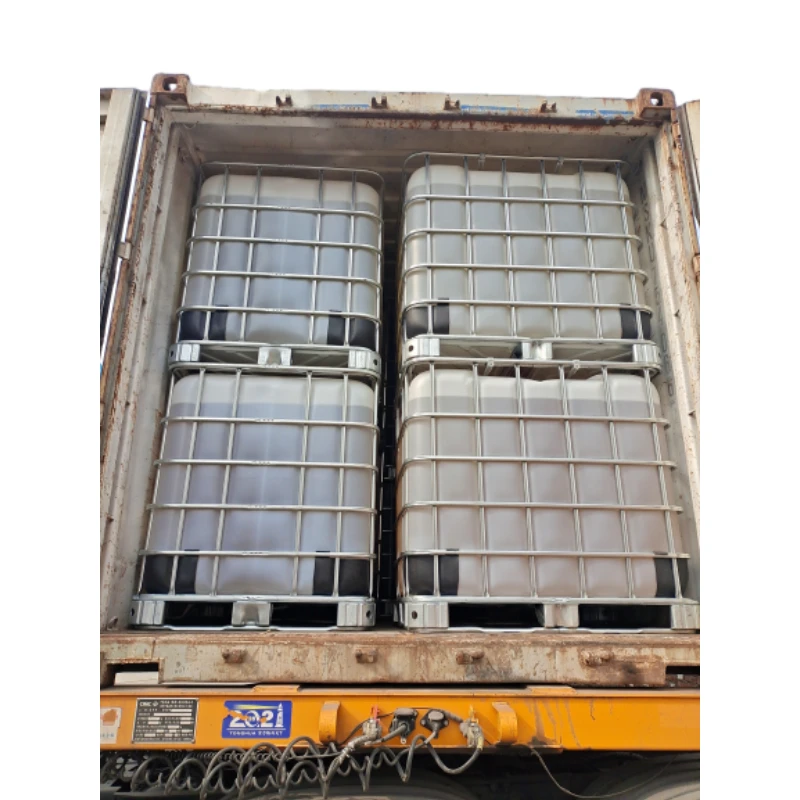
view more DiethanolisopropanolamineIn the ever-growing field of chemical solutions, diethanolisopropanolamine (DEIPA) stands out as a versatile and important compound. Due to its unique chemical structure and properties, DEIPA is of interest to various industries including construction, personal care, and agriculture. -
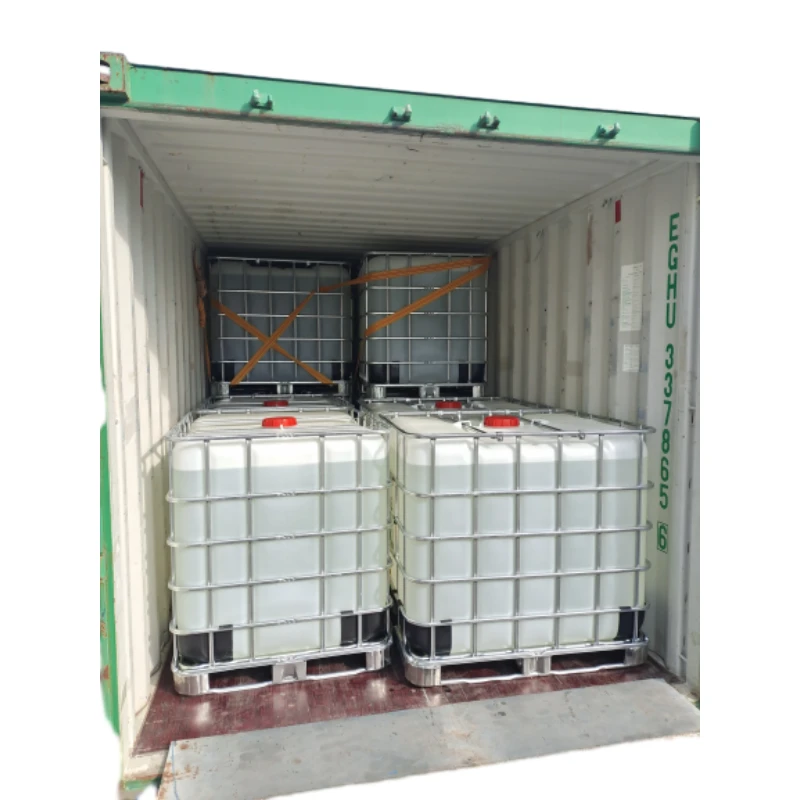
view more TriisopropanolamineTriisopropanolamine (TIPA) alkanol amine substance, is a kind of alcohol amine compound with amino and alcohol hydroxyl, and because of its molecules contains both amino and hydroxyl. -

view more Tetramethyl Thiuram DisulfideTetramethyl thiuram disulfide, also known as TMTD, is a white to light-yellow powder with a distinct sulfur-like odor. It is soluble in organic solvents such as benzene, acetone, and ethyl acetate, making it highly versatile for use in different formulations. TMTD is known for its excellent vulcanization acceleration properties, which makes it a key ingredient in the production of rubber products. Additionally, it acts as an effective fungicide and bactericide, making it valuable in agricultural applications. Its high purity and stability ensure consistent performance, making it a preferred choice for manufacturers across various industries.