





The Ultimate Guide to Sorbate Preservative in Modern Industry
The Ultimate Guide to Sorbate Preservative in Modern Industry
In the competitive landscape of food science and cosmetic formulation, maintaining product stability and shelf life is a critical challenge. The sorbate preservative has emerged as one of the most trusted antimicrobial agents worldwide. Known for its exceptional ability to inhibit the growth of molds and yeasts without altering the taste or appearance of the end product, it is a staple in everything from artisanal cheeses to high-end skincare. Understanding the chemistry and application of this preservative is essential for manufacturers aiming to ensure consumer safety and reduce waste. This guide explores the multifaceted benefits and technical specifications of sorbate-based preservation.
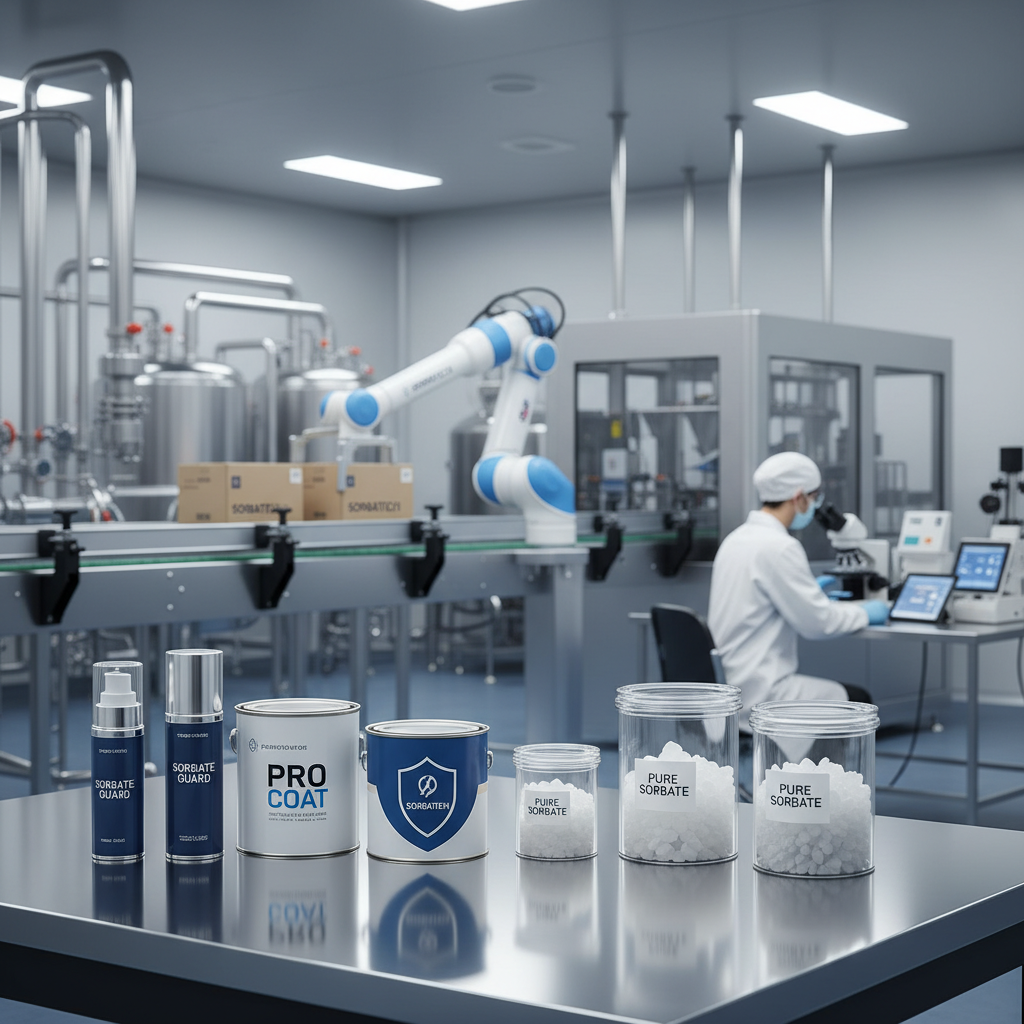
How Sorbate Preservative Works to Protect Products
The effectiveness of a sorbate preservative lies in its mechanism of action at the cellular level. It primarily works by disrupting the cell membrane permeability of microorganisms and inhibiting metabolic enzymes. This prevents the proliferation of fungi and certain bacteria, which are the primary culprits behind food spoilage and cosmetic contamination. Because it is highly effective at low concentrations, it allows brands to maintain a "clean label" while ensuring a robust safety profile. Its versatility across different pH levels makes it an adaptable choice for various formulations.
Pro Tip: For maximum efficacy, sorbate preservatives are most potent in acidic environments (pH below 6.5), where the undissociated acid can easily penetrate the microbial cell wall.
Key Applications of Sorbate Preservative Across Sectors
The utility of sorbate preservative extends far beyond a single industry. In the food sector, it is indispensable for baked goods, dried meats, and beverages, where it prevents the "blown pack" phenomenon caused by yeast. In the personal care industry, it is frequently used in "natural" or "organic" certified cosmetics because of its low toxicity and high biodegradability. Whether it is preventing mold in a luxury face cream or extending the freshness of a fruit preserve, this compound provides a reliable barrier against spoilage.
Industry Use-Cases:
• Dairy: Prevents mold growth in processed cheeses.
• Beverages: Stabilizes wine and fruit juices against yeast fermentation.
• Cosmetics: Preserves emulsions in lotions and shampoos.
• Pharmaceuticals: Used in some syrups and topical ointments.
Comparing Sorbate Preservative with Other Alternatives
When selecting an antimicrobial agent, manufacturers often compare the sorbate preservative with benzoates or parabens. While parabens offer a wider spectrum of activity, they face increasing consumer scrutiny due to health concerns. Benzoates are effective but can sometimes impart a distinct chemical taste. Sorbates strike a perfect balance, offering high safety ratings and minimal sensory impact. The following table illustrates the key differences in performance and perception.
Technical Specifications of Sorbate Preservative
Quality assurance starts with the purity of the raw materials. A professional-grade sorbate preservative, typically available as Potassium Sorbate, must adhere to strict global standards such as FCC (Food Chemicals Codex) or USP (United States Pharmacopeia). Its high solubility in water makes it easy to integrate into liquid formulations without creating clumps or precipitates. For procurement managers, verifying the assay percentage and heavy metal limits is paramount to ensuring final product safety.
Storage and Handling Guidelines for Optimal Stability
To maintain the potency of your sorbate preservative, proper storage is non-negotiable. Exposure to high temperatures and moisture can lead to caking or degradation of the active ingredient. It is recommended to store the powder in a cool, dry, and well-ventilated warehouse, ensuring that containers are tightly sealed after each use. Using moisture-proof packaging prevents the powder from absorbing ambient humidity, which is critical for maintaining accurate dosing during the production process.
Future Trends in Antimicrobial Preservation
As the global market shifts toward "clean label" and "bio-based" ingredients, the role of the sorbate preservative continues to evolve. We are seeing a trend toward synergistic blends, where sorbates are combined with organic acids or natural extracts to create a "hurdle technology" effect. This approach allows for a lower overall concentration of preservatives while maintaining the same level of protection. Innovation in delivery systems, such as encapsulation, is also emerging to provide a slow-release mechanism, further extending the freshness of perishable goods.
Conclusion: Enhancing Product Quality with Sorbate Solutions
The integration of a high-quality sorbate preservative is a strategic decision for any manufacturer prioritizing safety and quality. From its targeted antimicrobial action to its widespread regulatory acceptance, it remains a cornerstone of industrial preservation. By understanding the technical nuances—such as pH dependence and purity standards—companies can optimize their formulations to deliver safer, longer-lasting products to consumers. Trust in proven science to protect your brand's reputation and your customers' health.
Frequently Asked Questions (FAQs)
Is sorbate preservative safe for human consumption?
Yes, sorbate preservatives (specifically potassium sorbate) are widely recognized as safe (GRAS) by major global health authorities, including the FDA and EFSA. They are naturally occurring in some fruits and are metabolized by the body in the same way as other fatty acids. Because they are non-toxic and biodegradable, they are used extensively in food and pharmaceuticals. However, as with any additive, they should be used within the recommended regulatory limits to ensure maximum safety for all consumers.
Can I use a sorbate preservative in products with a high pH?
The effectiveness of sorbate preservatives decreases as the pH level increases. They are most active in acidic conditions (typically below pH 6.5). In neutral or alkaline environments, the preservative dissociates, and the antimicrobial activity is significantly reduced. If your product has a high pH, you may need to combine the sorbate with other preservatives or adjust the pH of the formulation to ensure that mold and yeast are effectively inhibited. Always conduct stability testing for high-pH applications.
What is the difference between Sorbic Acid and Potassium Sorbate?
Sorbic acid is the active antimicrobial agent, but it has very low solubility in water, making it difficult to use in many liquid formulations. Potassium Sorbate is the potassium salt of sorbic acid; it is highly soluble in water and much easier to mix into products. Once dissolved in water, potassium sorbate reverts back to sorbic acid, providing the necessary preservative effect. Most manufacturers prefer the salt form for its ease of handling and superior dispersion. You can find professional grades of these on the Tenger Chemical website.
Does sorbate preservative affect the taste of food?
One of the greatest advantages of the sorbate preservative is its neutral sensory profile. When used at recommended concentrations, it does not impart any bitter, salty, or chemical taste to the food. This makes it an ideal choice for delicate products like cakes, creams, and fruit juices where the original flavor must be preserved. Compared to some other organic acids, sorbates are far less likely to alter the organoleptic properties of the final product, ensuring a high-quality consumer experience.
-
Comprehensive Guide to Sodium Stearoyl Lactylate Emulsifier Applications and BenefitsNewsApr.07,2026
-
Comprehensive Guide to Sodium Cyclamate Sweetener Properties and ApplicationsNewsApr.04,2026
-
Comprehensive Guide to Sodium Citrate Food Additive and Its ApplicationsNewsMar.31,2026
-
Comprehensive Guide to Sodium Bicarbonate Food Additive Applications and BenefitsNewsMar.28,2026
-
Understanding Sodium Benzoate Preservative in Cosmetics and Its ApplicationsNewsMar.26,2026
-
Comprehensive Guide to Sodium Benzoate Preservative Applications and SafetyNewsMar.24,2026
-
Sodium Benzoate is a Preservative A Comprehensive Guide to Applications and SafetyNewsMar.21,2026
Hebei Tenger Chemical Technology Co., Ltd. focuses on the chemical industry and is committed to the export service of chemical raw materials.
-

view more DiethanolisopropanolamineIn the ever-growing field of chemical solutions, diethanolisopropanolamine (DEIPA) stands out as a versatile and important compound. Due to its unique chemical structure and properties, DEIPA is of interest to various industries including construction, personal care, and agriculture. -
view more TriisopropanolamineTriisopropanolamine (TIPA) alkanol amine substance, is a kind of alcohol amine compound with amino and alcohol hydroxyl, and because of its molecules contains both amino and hydroxyl. -

view more Tetramethyl Thiuram DisulfideTetramethyl thiuram disulfide, also known as TMTD, is a white to light-yellow powder with a distinct sulfur-like odor. It is soluble in organic solvents such as benzene, acetone, and ethyl acetate, making it highly versatile for use in different formulations. TMTD is known for its excellent vulcanization acceleration properties, which makes it a key ingredient in the production of rubber products. Additionally, it acts as an effective fungicide and bactericide, making it valuable in agricultural applications. Its high purity and stability ensure consistent performance, making it a preferred choice for manufacturers across various industries.