





Understanding Additives and Preservatives in Food: Benefits, Uses & Future Trends
The Essential Role of Additives and Preservatives in Food: Why We Should Care
It’s easy to overlook what's on our plates beyond flavors and textures. Additives and preservatives in food form a silent backbone to modern eating—helping keep food fresh, safe, and appealing, especially in a globalized world where food often travels thousands of miles before we savor it. Understanding these elements isn’t merely academic; it impacts public health, food security, economic sustainability, and even taste preferences globally. Worldwide, with increasing populations and volatile supply chains, adopting effective food preservation methods is more critical than ever. This ensures less waste, better nutrition, and access to seasonal products year-round. So, why should you care about additives and preservatives? Because at the intersection of chemistry, industry, and human needs, they help bridge the gap between farm and fork—nurturing both convenience and safety. ---Global Context: The Expanding Significance of Food Preservation
Food additives and preservatives are a quiet yet colossal force behind modern food supply chains. According to the United Nations Food and Agriculture Organization (FAO), roughly one-third of all food produced globally is lost or wasted, partly due to spoilage. Additives and preservatives reduce this loss by slowing microbial growth and oxidation. Think about distant regions—remote islands, landlocked countries, or disaster-hit zones—where preserving nutritional food for extended periods is a lifeline. The global food additives market size is projected to reach nearly USD 60 billion by 2027, highlighting its growing footprint. Yet, the challenge remains: how do we balance consumer demand for ‘natural’ or ‘clean-label’ foods with the undeniable necessity of food additives? This tug-of-war between safety, shelf-life, and consumer trust is the industry's ongoing conversation. ---Quick Takeaway:
- Food additives and preservatives play a crucial role in reducing waste globally.
- They enable safe, durable food distribution to even the most remote or vulnerable populations.
- The market’s explosive growth reflects widespread reliance but also evolving consumer attitudes.
What Exactly Are Additives and Preservatives in Food?
Simply put, food additives are substances added to food to enhance its flavor, texture, appearance, or shelf-life. Preservatives are a type of additive specifically designed to prevent spoilage caused by fungi, bacteria, or oxidation. They are foundational to the modern food industry but also vital to humanitarian relief efforts where fresh food isn't always accessible. Their use allows safe storage, longer transport, and reduces the risks of foodborne illnesses. Chemically, they range from natural compounds like ascorbic acid (Vitamin C) to synthetic ones such as sodium benzoate. ---Core Components That Define Their Use and Effectiveness
1. Stability and Durability
The primary function is to extend shelf-life. For example, antioxidants prevent fats from turning rancid, which directly impacts the taste and safety of products like oils or snacks.2. Safety and Regulatory Compliance
Additives must comply with regional or international standards (FDA, EFSA, Codex Alimentarius). This both protects consumers and ensures integrity in global food trade.3. Cost Efficiency
From production to retail, additives allow manufacturers to reduce losses and waste. Long-lasting products often mean fewer returns and less surplus disposal.4. Sensory Enhancement
Some additives improve color, flavor, or texture — meeting consumer expectations (think of the bright red in canned tomatoes or crispness in packaged snacks).5. Scalability and Flexibility
The vast range of available additives means solutions exist for everything from fresh produce preservation to bakery goods or beverages. ---Mini Summary:
Whether for keeping bread fresh or preventing milk spoilage, additives are engineered to maintain food quality and safety effectively — which benefits manufacturers, sellers, and consumers alike.
---From Farm to Table: Real-World Applications of Food Additives and Preservatives
Across continents and industries, additives have carved niches: - Post-disaster aid: After calamities like hurricanes or earthquakes, preserved foods become essential staples. Nutrient-packed ready-to-eat meals use preservatives to stay edible for months. - Remote industrial zones: In places like Arctic research stations or oil rigs, additives enable the storage of nutritious foods over long durations with minimal refrigeration. - Global supply chains: Imported fruits and vegetables often rely on controlled atmosphere packaging enhanced with additives to maintain freshness during shipping. - Processed foods industry: Almost every snack, condiment, or dairy product uses additives to meet consistent taste and texture profiles. ---Advantages & Long-Term Value Beyond Shelf Life
Yes, additives in food help keep food edible longer. But that’s just the surface. - Economic: Less spoilage means savings for producers and consumers. - Environmental: Reduced food waste lowers methane emissions from landfills. - Social: Enhances food security, especially in underserved communities. - Innovation: Advances in natural preservatives tie consumer preferences with technology. - Trust & safety: Consumers gain confidence knowing the food meets regulatory safety profiles. In a way, these preservatives uphold dignity—preserving not just food, but quality of life where fresh food might otherwise be scarce or unreliable. ---Product Specification Table: Typical Food Preservative Characteristics
| Preservative Type | Common Uses | Maximum Allowed Concentration | Key Benefits |
|---|---|---|---|
| Sodium Benzoate | Soft drinks, sauces | 0.1% by weight | Effective against yeasts & bacteria |
| Ascorbic Acid (Vitamin C) | Juices, canned fruits | Varies by food type | Antioxidant, color preservative |
| Calcium Propionate | Bakery products | 0.3% by weight | Mold inhibitor |
| Sulfur Dioxide | Dried fruits, wines | 10-350 mg/kg | Prevents browning, microbial growth |
Comparing Top Vendors of Food Additives and Preservatives
| Vendor | Product Range | Sustainability Initiatives | Global Reach |
|---|---|---|---|
| Tenger Chemical | Wide — natural & synthetic additives | Biodegradable packaging, green sourcing | Asia, Europe, Americas |
| Global Preservatives Inc. | Focus on synthetic preservatives | Energy efficient manufacturing | North America, Europe |
| NaturAll Solutions | 100% plant-based additives | Carbon neutral operations | Global, with focus on organic markets |
Looking Ahead: Innovations in Additives and Food Preservation
The industry isn’t standing still. Green chemistry is producing natural preservatives that meet rising clean-label demands. Digital transformation is bringing in smart packaging, capable of signaling spoilage in real time—imagine no more guessing if that carton is still good. Automation and AI-powered formulation are streamlining additive development, customizing preservation based on food types, climates, or shelf-life needs. Luckily, regulators seem open to these shifts, embracing science-based standards aligning with sustainability. ---Common Challenges Faced and Possible Solutions
There’s no magic pill, naturally. Some additives cause allergies or sensitivities. Others face consumer opposition due to misconceptions. Balancing effectiveness with “naturalness” continues to challenge formulators. And of course, overuse can mask poor manufacturing hygiene or mislead about food quality. Solutions? Transparent labeling, educational campaigns, and novel preservation technologies like high-pressure processing or hurdle technology offer promising ways forward. ---FAQ: Quick Answers on Additives and Preservatives in Food
Q1: Are food additives and preservatives safe to consume daily?
Most additives approved by authorities like the FDA are safe at the recommended levels. They undergo extensive toxicology testing before approval. However, moderation is key, and some individuals may have sensitivities.
Q2: Can preservatives affect the taste or nutrition of food?
Some additives may slightly alter taste or texture, but they generally help retain nutritional value by preventing spoilage and degradation.
Q3: What’s driving the shift toward natural preservatives?
Consumers increasingly prefer products with recognizable, ‘clean-label’ ingredients due to health concerns and trends, pushing manufacturers to find plant-based or fermentation-derived preservatives.
Q4: How relevant are additives in emergency food aid?
Extremely. They extend shelf life of rations and ready-to-eat meals, ensuring nutritional value and safety in difficult conditions spanning months or years.
Wrapping Up: Why Food Additives and Preservatives Matter Long-Term
From feeding millions during crises to keeping your favorite snack fresh on store shelves, additives and preservatives quietly uphold the vast, complex food ecosystem we often take for granted. They solve real-world problems: scarcity, safety, waste, and flavor — while adapting to evolving consumer and environmental demands. For businesses and consumers alike, embracing knowledge about these compounds unlocks smarter choices and innovation opportunities. Curious for more? Visit our website for detailed resources and product info: additives and preservatives in food. ---References:
-
The Essential Guide to Sorbates as Food Preservatives for SafetyNewsApr.16,2026
-
The Ultimate Guide to Sorbate Preservative in Modern IndustryNewsApr.09,2026
-
Comprehensive Guide to Sodium Stearoyl Lactylate Emulsifier Applications and BenefitsNewsApr.07,2026
-
Comprehensive Guide to Sodium Cyclamate Sweetener Properties and ApplicationsNewsApr.04,2026
-
Comprehensive Guide to Sodium Citrate Food Additive and Its ApplicationsNewsMar.31,2026
-
Comprehensive Guide to Sodium Bicarbonate Food Additive Applications and BenefitsNewsMar.28,2026
-
Understanding Sodium Benzoate Preservative in Cosmetics and Its ApplicationsNewsMar.26,2026
Hebei Tenger Chemical Technology Co., Ltd. focuses on the chemical industry and is committed to the export service of chemical raw materials.
-
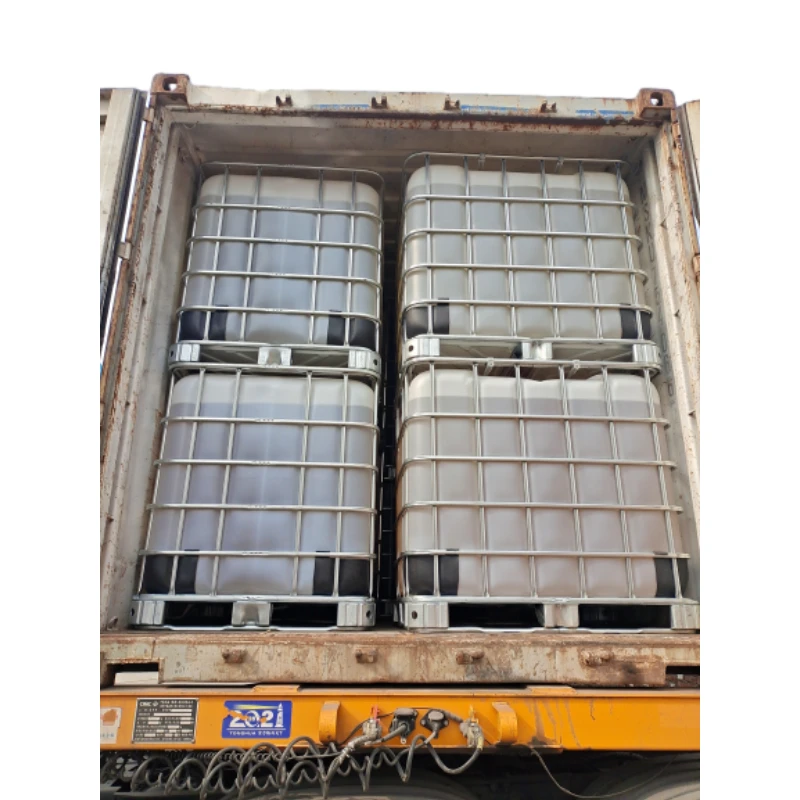
view more DiethanolisopropanolamineIn the ever-growing field of chemical solutions, diethanolisopropanolamine (DEIPA) stands out as a versatile and important compound. Due to its unique chemical structure and properties, DEIPA is of interest to various industries including construction, personal care, and agriculture. -
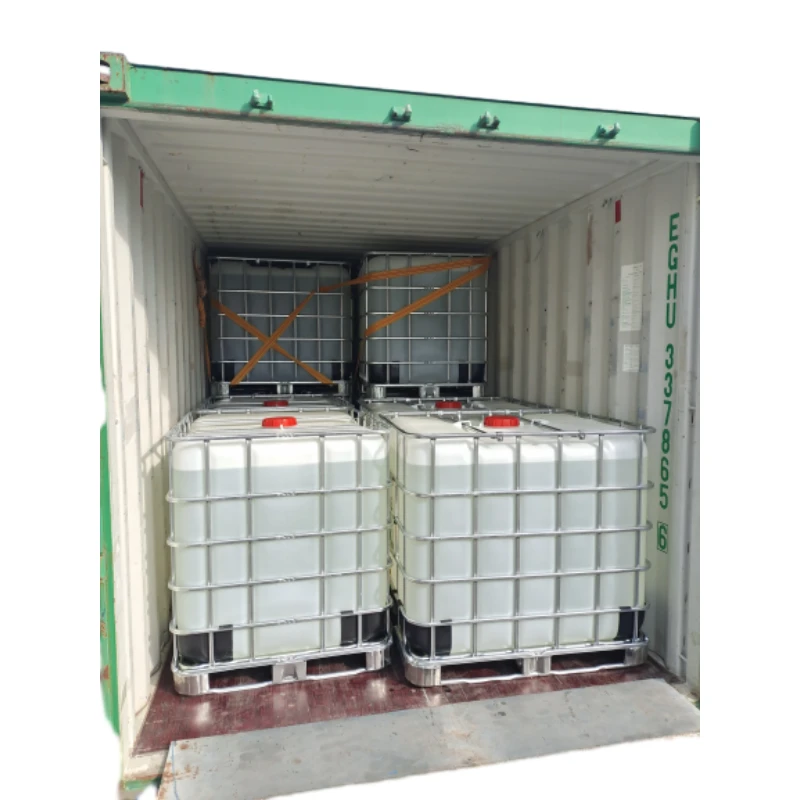
view more TriisopropanolamineTriisopropanolamine (TIPA) alkanol amine substance, is a kind of alcohol amine compound with amino and alcohol hydroxyl, and because of its molecules contains both amino and hydroxyl. -
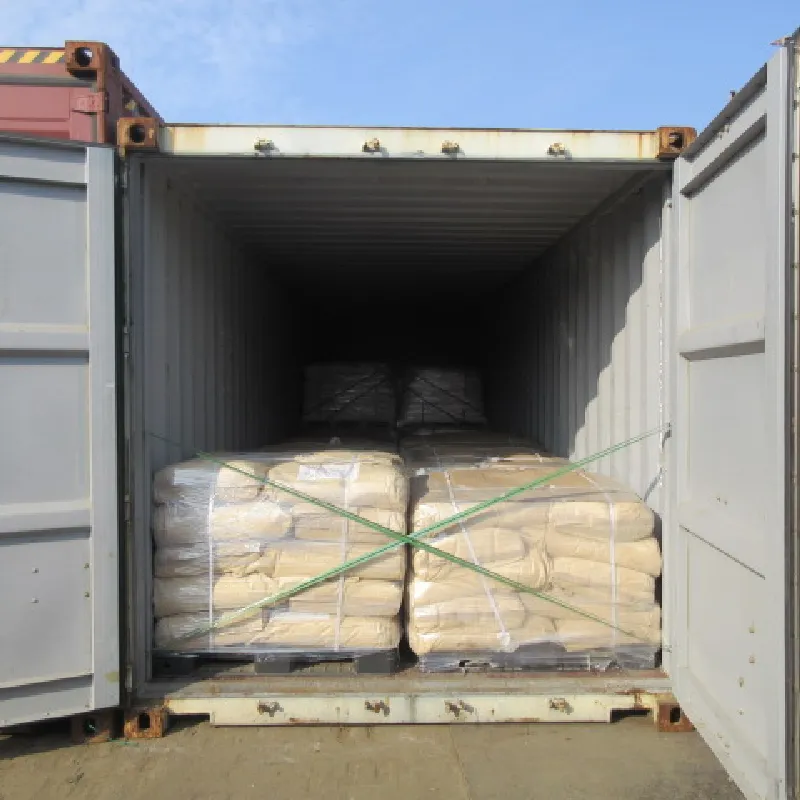
view more Tetramethyl Thiuram DisulfideTetramethyl thiuram disulfide, also known as TMTD, is a white to light-yellow powder with a distinct sulfur-like odor. It is soluble in organic solvents such as benzene, acetone, and ethyl acetate, making it highly versatile for use in different formulations. TMTD is known for its excellent vulcanization acceleration properties, which makes it a key ingredient in the production of rubber products. Additionally, it acts as an effective fungicide and bactericide, making it valuable in agricultural applications. Its high purity and stability ensure consistent performance, making it a preferred choice for manufacturers across various industries.