




Understanding Anticaking Agent E551: Benefits, Applications, and Future Trends
Why Anticaking Agent E551 Matters in a Global Context
At first glance, anticaking agent E551 (commonly known as silicon dioxide) might sound like a boring chemical in the vast cocktail of industrial additives. But odd as it may seem, this compound plays a very quiet yet vital role worldwide, especially in ensuring quality, safety, and longevity in powdered and granular products—from table salt to fertilizer blends. Understanding E551 isn’t just academic; it's a window into preserving product integrity, supporting global food systems, and improving logistics. It’s oddly satisfying how something so tiny has such outsized impact.
Introduction: The Global Role of Anticaking Agent E551
Globally, the food and chemical industries heavily rely on agents like E551 to combat caking — the unwanted clumping or solidification of powders over time. According to ISO standards, anticaking agents help maintain product flow properties and are essential for transport and storage. The UN’s Food and Agriculture Organization estimates that millions of tons of powdered foodstuffs require additives to stay usable and safe during long-distance shipping or rough handling, often in changing climates.
Without anticaking agent E551, powdered foods like powdered milk, spices, or salt would become lumpy and unusable, leading to massive waste and supply chain inefficiencies. In humanitarian contexts, where food supplies must remain reliable over months or even years, this agent offers a simple solution to a complex challenge. The agents help prevent spoilage and maintain the dignity of food aid recipients, which feels both practical and humane.
What is Anticaking Agent E551?
E551 is silicon dioxide—yes, plain ol’ silica, found naturally in sand and quartz. But in its purified, synthetic form, it serves as a versatile additive that prevents powders from sticking together. Basically, it works by absorbing excess moisture and creating a barrier that stops particles from bonding. It’s odorless, tasteless, and chemically inert, which means it doesn’t interfere with the product’s flavor or safety.
In industrial terms, E551 is a vital ingredient for modern manufacturing, helping extend shelf life and maintain quality across multiple industries, not just food. Think cosmetics, pharmaceuticals, detergents, and fertilizers—the common thread is the need for powder flowability and consistency.
Key Characteristics of Anticaking Agent E551
1. Moisture Absorption
One of E551’s standout qualities is its high surface area—it acts like a tiny sponge, pulling moisture away from particles. This reduces humidity-induced clumps and maintains dryness.
2. Chemical Inertness
Unlike some additives, E551 doesn’t react with other ingredients. It preserves stability, which is crucial for sensitive products prone to degradation.
3. Particle Size and Shape
The microscopic, often spherical shape of E551 particles ensures they fit between granules efficiently without altering texture.
4. Thermal Stability
It remains unchanged during processes involving moderate heat, so it’s reliable in manufacturing environments.
5. Cost Efficiency
Surprisingly affordable, E551 offers excellent value given the scale at which it operates.
Mini Takeaway:
In essence, anticaking agent E551 is practical, reliable, and low-cost—a quietly impressive set of traits for an industrial additive.
Global Usage: Where and How E551 Makes a Difference
The applications are sprawling—roughly speaking, about 80% of powdered foods globally include some anticaking agent, with E551 favored for its neutrality. From sprawling factories in Europe producing powdered drink mixes to remote salt-packaging plants in India, E551's reach is vast.
In pharmaceutical manufacturing, where precise measurements matter, E551 helps ensure capsules and tablets are consistent and free-flowing. Similarly, fertilizer packs shipped across continents use it to avoid clogging, ensuring farmers receive products that can be spread efficiently by machines or by hand.
In disaster relief scenarios, powdered food with E551 remains usable despite months in challenging environments, which can mean the difference between nourishment and spoilage. It’s a small ingredient with a humanitarian ripple effect.
Product Specification Table: Typical Properties of Anticaking Agent E551
| Property | Typical Value | Unit |
|---|---|---|
| Purity (SiO₂) | >99.8 | % |
| Bulk Density | 110 - 150 | kg/m³ |
| Specific Surface Area | 150 - 350 | m²/g |
| pH (10% dispersion) | 4.5 - 6.5 | - |
| Moisture Content | % |
Comparing Leading Vendors of Anticaking Agent E551
| Vendor | Purity (%) | MOQ (tons) | Lead Time | Certifications | Typical Price (USD/ton) |
|---|---|---|---|---|---|
| Tenger Chemicals | 99.9 | 5 | 2 weeks | ISO, FDA | 1500 |
| Global Silica Inc. | 99.7 | 10 | 3 weeks | ISO | 1400 |
| PureSil | >99.8 | 3 | 1 week | FDA | 1550 |
The Enduring Advantages of Using Anticaking Agent E551
From a raw economic perspective, anticaking agent E551 minimizes product loss and extends shelf life, which translates into billions saved annually across the supply chain. But beyond dollars, there’s an emotional resonance when you think about the reduced food waste and the resulting positive environmental impact—less landfill, less decomposition gas, less unnecessary production.
Industries gain trust and usability when powders remain free-flowing and look consistent on shelves. Consumers feel safe, knowing their salt or powdered milk hasn’t turned into a giant solid block. At a human level, preserving dignity through dependable food distribution is sometimes overlooked but deeply important.
Peeking Ahead: Trends and Innovations in Anticaking Technologies
There’s interesting movement towards bio-based and natural anticaking agents due to sustainability demands. Yet, E551’s unmatched stability means it won’t be replaced overnight. Automation and sensor-based quality control increasingly monitor powder behavior during production, ensuring E551 use is optimized and waste minimized.
Additionally, research into nano-structured silica promises even better moisture control at lower doses, offering efficiency gains and potentially reducing additive loads in consumables.
Challenges with Anticaking Agent E551 and How They’re Being Tackled
Not everything is perfect, of course. One issue is dust — pure silica powder can be a respiratory irritant if not handled properly. Industry guidelines and protective equipment mitigate risks, but awareness remains critical. Also, product formulation is a balancing act; too much E551 can dull texture or cloud liquids when dissolved.
Formulators are now combining E551 with other natural anticaking agents, adjusting particle size, and using coated silica variants to reduce dust and improve compatibility.
FAQ: Practical FAQ About Anticaking Agent E551
Q: Is anticaking agent E551 safe to consume in food products?
A: Yes, E551 is generally recognized as safe (GRAS) by food safety authorities like the FDA and EFSA when used within regulated limits. It is inert and doesn’t contribute to toxicity or alter food’s taste.
Q: Can E551 help in both humid and dry climates?
A: Absolutely. E551's moisture-absorbing properties make it effective across a range of humidity conditions—even in tropical climates where powders typically struggle to stay free-flowing.
Q: How much anticaking agent E551 is typically added?
The amount is usually small — often 0.1% to 2% by weight — enough to prevent clumping without impacting product texture or appearance noticeably.
Q: Can I find anticaking agent E551 for export or bulk supply?
Yes, leading suppliers like anticaking agent e551 manufacturers offer bulk shipments with certifications, making it ideal for industrial and humanitarian needs globally.
Wrapping Up: Why E551 Remains Essential
At its core, anticaking agent E551 is one of those materials that quietly holds together an enormous industry with a simple promise: keep it flowing, keep it fresh. This humble compound saves money, protects products, and even supports humanitarian aid — all while being cost-effective and scalable.
Looking for reliable anticaking agent E551? Don’t hesitate to visit us at https://www.tengerchemical.com — your partner in quality and supply.
References & Further Reading
-
The Essential Guide to Sorbates as Food Preservatives for SafetyNewsApr.16,2026
-
The Ultimate Guide to Sorbate Preservative in Modern IndustryNewsApr.09,2026
-
Comprehensive Guide to Sodium Stearoyl Lactylate Emulsifier Applications and BenefitsNewsApr.07,2026
-
Comprehensive Guide to Sodium Cyclamate Sweetener Properties and ApplicationsNewsApr.04,2026
-
Comprehensive Guide to Sodium Citrate Food Additive and Its ApplicationsNewsMar.31,2026
-
Comprehensive Guide to Sodium Bicarbonate Food Additive Applications and BenefitsNewsMar.28,2026
-
Understanding Sodium Benzoate Preservative in Cosmetics and Its ApplicationsNewsMar.26,2026
Hebei Tenger Chemical Technology Co., Ltd. focuses on the chemical industry and is committed to the export service of chemical raw materials.
-
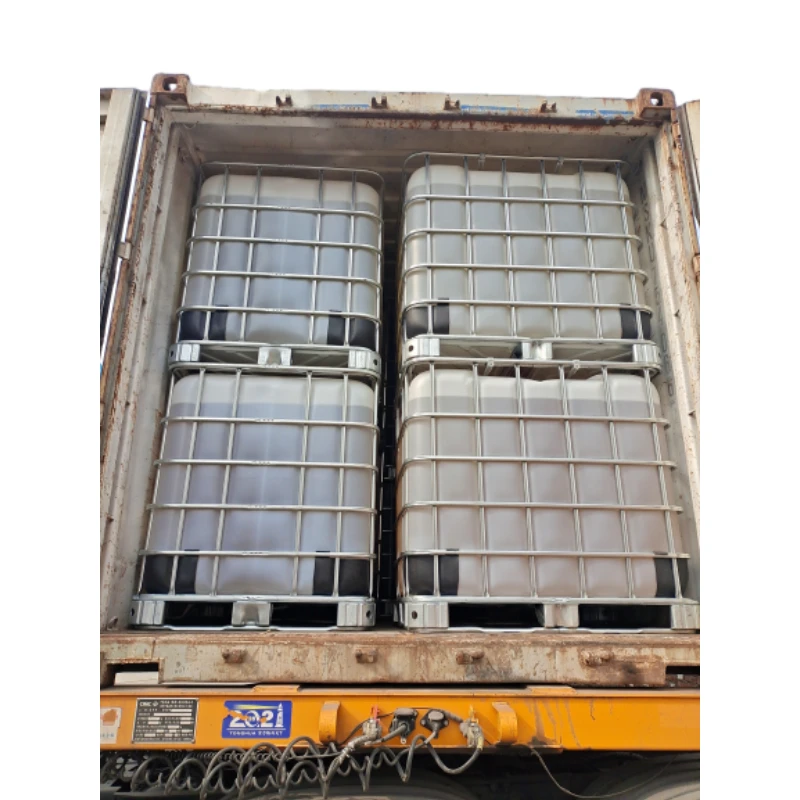
view more DiethanolisopropanolamineIn the ever-growing field of chemical solutions, diethanolisopropanolamine (DEIPA) stands out as a versatile and important compound. Due to its unique chemical structure and properties, DEIPA is of interest to various industries including construction, personal care, and agriculture. -
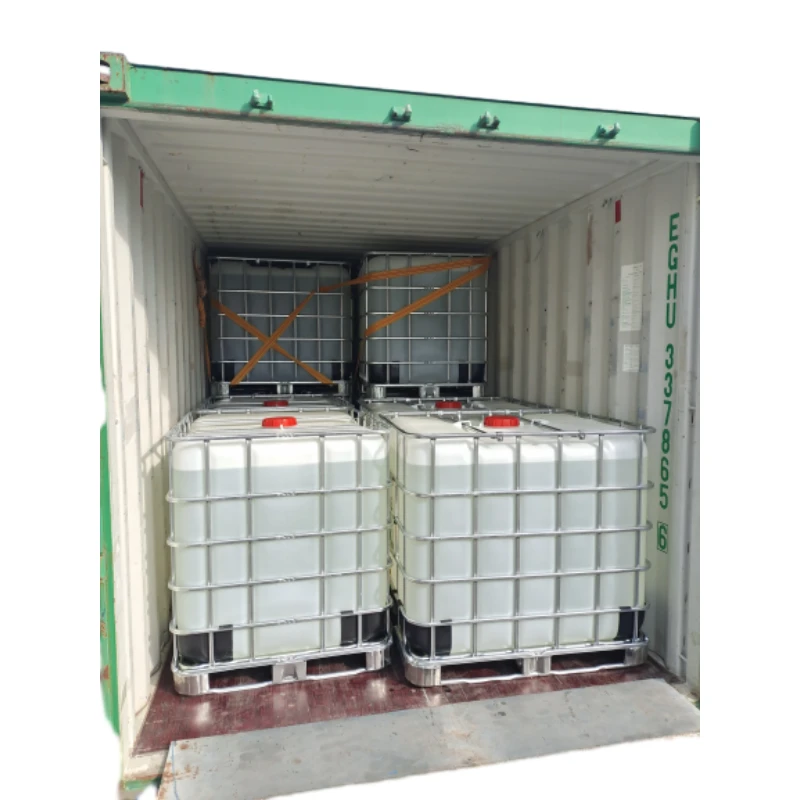
view more TriisopropanolamineTriisopropanolamine (TIPA) alkanol amine substance, is a kind of alcohol amine compound with amino and alcohol hydroxyl, and because of its molecules contains both amino and hydroxyl. -
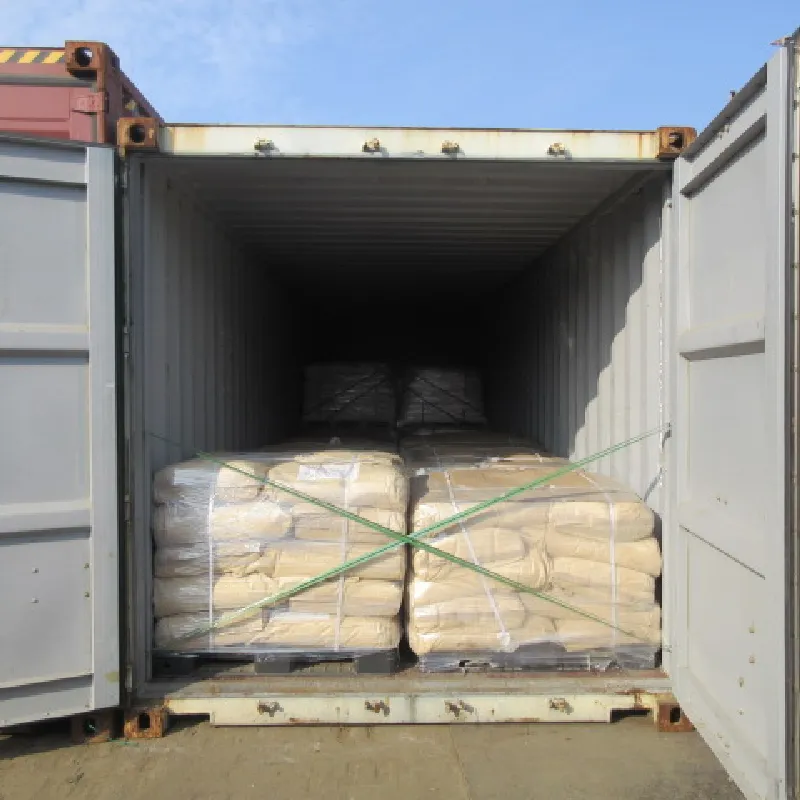
view more Tetramethyl Thiuram DisulfideTetramethyl thiuram disulfide, also known as TMTD, is a white to light-yellow powder with a distinct sulfur-like odor. It is soluble in organic solvents such as benzene, acetone, and ethyl acetate, making it highly versatile for use in different formulations. TMTD is known for its excellent vulcanization acceleration properties, which makes it a key ingredient in the production of rubber products. Additionally, it acts as an effective fungicide and bactericide, making it valuable in agricultural applications. Its high purity and stability ensure consistent performance, making it a preferred choice for manufacturers across various industries.