TEL: 0086-311-88862036






Nov . 30, 2025 05:20
Back to list
Understanding Antioxidant Additives in Food: Benefits, Applications & Trends
Why Antioxidant Additives in Food Matter More Than Ever
It’s easy to glance over those tiny letters on a food label and not think twice. But those little ingredients — antioxidant additives in food, for example — play an outsized role in how long our food stays fresh, nutritious, and safe. Globally, as demand for longer shelf lives and better food security grows, understanding these compounds is not just chemistry jargon; it’s part of a bigger picture involving health, economy, and sustainability. The ripple effects matter from rural farms to urban supermarkets and even to humanitarian aid packages shipped across the world. Mini takeaway: Antioxidant additives help maintain food quality while addressing global food waste and safety challenges — a small ingredient with a huge impact.Setting the Stage: A Global Look at Food Preservation Challenges
Food spoilage due to oxidation is a silent crisis affecting about one-third of all food produced worldwide, according to the UN Food and Agriculture Organization (FAO). That translates to roughly 1.3 billion tons wasted annually, with financial losses topping $1 trillion. The World Bank reports that developing nations suffer most, both because of limited refrigeration infrastructure and a shorter food supply chain. Enter antioxidant additives — used extensively in food processing and packaging to slow down oxidation, the chemical reaction that leads to rancidity and nutrient loss. For food manufacturers, that means safer products with extended shelf lives, less waste, and more satisfied customers. For consumers, more reliable nutrition and less risk of spoilage-related illnesses. Yet, it’s not a simple fix. Environmental concerns and regulatory scrutiny are pushing the industry toward safer, natural antioxidants, sparking innovations and debates alike. Mini takeaway: Antioxidant additives are crucial tools globally to combat food spoilage, improve nutrition security, and reduce economic losses — but evolving regulations demand smarter solutions.What Exactly Are Antioxidant Additives in Food?
In plain terms, antioxidant additives are substances added to foods to delay the oxidation process. Oxidation happens when food’s fats and oils react with oxygen, leading to unpleasant changes—off flavors, smells, discoloration, or nutrient degradation. Antioxidants act like guardians, neutralizing free radicals and slowing the damage. These additives range from natural extracts (like rosemary or tocopherols) to synthetic compounds (such as BHT or BHA). Their role ties directly to modern food industry needs: keeping products fresh longer in supermarkets, stabilizing oils, and ensuring consistent taste and safety, especially as products travel farther before reaching customers. On a humanitarian level, antioxidant additives help preserve emergency food rations, critical for long shelf life in disaster relief. Mini takeaway: Antioxidant additives act as protective agents, preserving food quality from production lines to your pantry, fulfilling both commercial and humanitarian needs.Core Components of Antioxidant Additives and Why They Matter
1. Efficacy Against Various Oxidation Types
Not all oxidation is created equal. Some additives target lipid oxidation, common in fatty foods, others focus on color or vitamin preservation. A good antioxidant additive has to perform across relevant fronts for the specific food product.2. Stability and Durability in Food Matrices
Some antioxidants break down or lose potency when exposed to heat, light, or acidic environments. Ideally, additive molecules stick around long enough to do their job without creating off-products.3. Regulatory Compliance and Safety
Government safety standards (like FDA or EFSA) influence which additives are approved and at what levels. Consumers increasingly prefer natural sources, so “clean label” antioxidants have soared in market demand.4. Cost Efficiency and Scalability
Industries need solutions that balance effectiveness and cost. Natural antioxidants may sound ideal but can be pricier or have supply bottlenecks. Meanwhile, synthetic variants are often cheaper but face scrutiny.5. Impact on Sensory and Nutritional Properties
No one wants preservatives that alter taste or nutritional value. The best antioxidant additives preserve not just shelf life but also flavor, aroma, and health benefits. Mini takeaway: Efficacy, stability, safety, cost, and sensory impact form the backbone of choosing the right antioxidant additive — a balancing act between science and market realities.How Antioxidant Additives Are Applied Worldwide
From the dairy farms of New Zealand to the spice markets of India and the packaged snack industries in Europe, antioxidant additives find their way into innumerable products: cooking oils, processed meats, baked goods, and even dietary supplements. Large food manufacturers integrate these additives to ensure quality during storage and transportation. In humanitarian settings, organizations like the World Food Programme rely on antioxidant-stabilized food packs to provide relief during crises, where refrigeration is scarce, and nutritional retention is critical. In Southeast Asia, small-scale producers have started incorporating natural antioxidants in locally processed foods, improving their reach into export markets. Meanwhile, food packaging technology increasingly incorporates antioxidants in films and coatings, a silent protector throughout product life. Mini takeaway: Antioxidant additives underpin a vast web of food industries globally, from sophisticated manufacturing to grassroots food safety improvements.Product Specification Table: Typical Additives and Key Properties
| Additive | Type | Common Foods | Regulatory Status | Natural/Synthetic |
|---|---|---|---|---|
| Tocopherols (Vitamin E) | Primary antioxidant | Oils, margarines, snacks | Generally Recognized As Safe (GRAS) | Natural |
| Butylated Hydroxyanisole (BHA) | Synthetic antioxidant | Processed meats, cereals | Approved with limits; some controversy | Synthetic |
| Rosemary Extract | Natural antioxidant | Oils, processed foods | GRAS | Natural |
Comparing Leading Vendors of Antioxidant Additives
| Company | Product Range | Natural Options | Global Reach | Pricing Tier |
|---|---|---|---|---|
| Tenger Chemical | BHA, BHT, natural extracts | Yes | Asia, Europe, Americas | Mid |
| Naturex (Givaudan) | Plant-based antioxidants, flavors | Yes | Worldwide | Premium |
| Eastman Chemical | Synthetic antioxidants BHA/BHT, blends | Limited | Global | Mid to High |
Advantages and Long-Term Value of Using Antioxidant Additives
The immediate wins are obvious: your products last longer, reducing spoilage and recalls. But dig a little deeper. The sustainability angle shines through — fewer spoiled goods means less waste ending up in landfills, indirectly lowering greenhouse gas emissions. That ripple effect is huge when multiplied globally. From the consumer angle, safety and trust become central. Knowing your food resists rancidity signals quality and care. For producers, it’s a competitive edge — in markets saturated with choices, maintaining freshness can make or break brand loyalty. And emotionally? It’s comforting to feel that the food on your plate was made with thoughtful preservation, merging tradition with modern science for health’s sake. Mini takeaway: Antioxidant additives deliver cost savings, sustainability gains, and social trust — meaningful benefits beyond just “food chemistry.”Looking Ahead: Future Trends in Antioxidant Additives in Food
The future? Well, it’s green and digital. We’re seeing a notable shift towards natural antioxidants sourced from superfoods or agricultural by-products — think grape seed extracts or green tea polyphenols — making the additive space eco-safer and cleaner label compliant. Digital transformation in quality control means better, faster testing of antioxidant efficacy in foods, reducing waste in pilot runs. Automation and AI help optimize additive use, balancing cost with maximum preservation. Policies internationally are tightening on synthetic additives, nudging the field towards innovative blends and encapsulation technologies that release antioxidants only when needed, extending their lifetime. Mini takeaway: Sustainability, smart tech, and smarter molecular design shape the next era of antioxidant additives.Common Challenges and Practical Solutions
While antioxidant additives are powerful, they’re not magic. Challenges include: - Variability in natural extracts: Seasonal and sourcing inconsistencies can impact efficacy. - Regulatory hurdles: Different countries have varying approval processes. - Sensory impacts: Sometimes antioxidants impart off-flavors. - Cost pressures: Natural options can strain budgets. Solutions revolve around combining synthetic and natural additives, employing encapsulation to mask flavors and extend action, and partnerships with reliable suppliers to ensure consistent quality. Experts also advise continuous testing and consumer feedback loops to refine formulations without sacrificing safety or taste. Mini takeaway: Awareness of limitations paired with innovation can overcome common pitfalls of antioxidant additive use.FAQ: Your Practical Questions About Antioxidant Additives in Food
Q1: Are natural antioxidant additives always better than synthetic ones?A1: Not necessarily. While natural antioxidants usually appeal to health-conscious consumers and regulators, synthetic ones often provide more consistent protection, cost-effectively. A blend sometimes offers the best of both worlds. Q2: How long can these additives extend food shelf life?
A2: Depending on the product and additive type, shelf life extension can range from a few weeks to several months. Factors like storage conditions and food composition also influence results. Q3: Do antioxidant additives affect the nutritional value of food?
A3: Most antioxidants help preserve nutritional components like vitamins rather than degrade them. However, improper additive use can sometimes cause off-flavors or minor nutrient changes. Q4: Can antioxidant additives be used in organic food products?
A4: Organic certification bodies often restrict synthetic antioxidants, favoring natural variants like tocopherols or plant extracts, so choices depend on certification standards. Q5: How do companies ensure antioxidant additives comply with global regulations?
A5: Through thorough documentation, standardized testing, and working closely with regulatory agencies — often with expert consultants specializing in food additive laws.
Wrapping Up: The Small Ingredient Making a Big Difference
Antioxidant additives in food might be quiet players behind the scenes, but their influence on food quality, safety, economic efficiency, and sustainability is undeniable. As global supply chains stretch and consumer expectations rise, these compounds are both shields and enablers, bridging industry science with everyday nutrition. If you’re curious to explore more about how antioxidant additives transform food preservation and boost product value, please visit our site at https://www.tengerchemical.com — where innovation and quality meet practical solutions. ---References
Latest news
-
The Essential Guide to Sorbates as Food Preservatives for SafetyNewsApr.16,2026
-
The Ultimate Guide to Sorbate Preservative in Modern IndustryNewsApr.09,2026
-
Comprehensive Guide to Sodium Stearoyl Lactylate Emulsifier Applications and BenefitsNewsApr.07,2026
-
Comprehensive Guide to Sodium Cyclamate Sweetener Properties and ApplicationsNewsApr.04,2026
-
Comprehensive Guide to Sodium Citrate Food Additive and Its ApplicationsNewsMar.31,2026
-
Comprehensive Guide to Sodium Bicarbonate Food Additive Applications and BenefitsNewsMar.28,2026
-
Understanding Sodium Benzoate Preservative in Cosmetics and Its ApplicationsNewsMar.26,2026
HOT PRODUCTS
Hebei Tenger Chemical Technology Co., Ltd. focuses on the chemical industry and is committed to the export service of chemical raw materials.
-
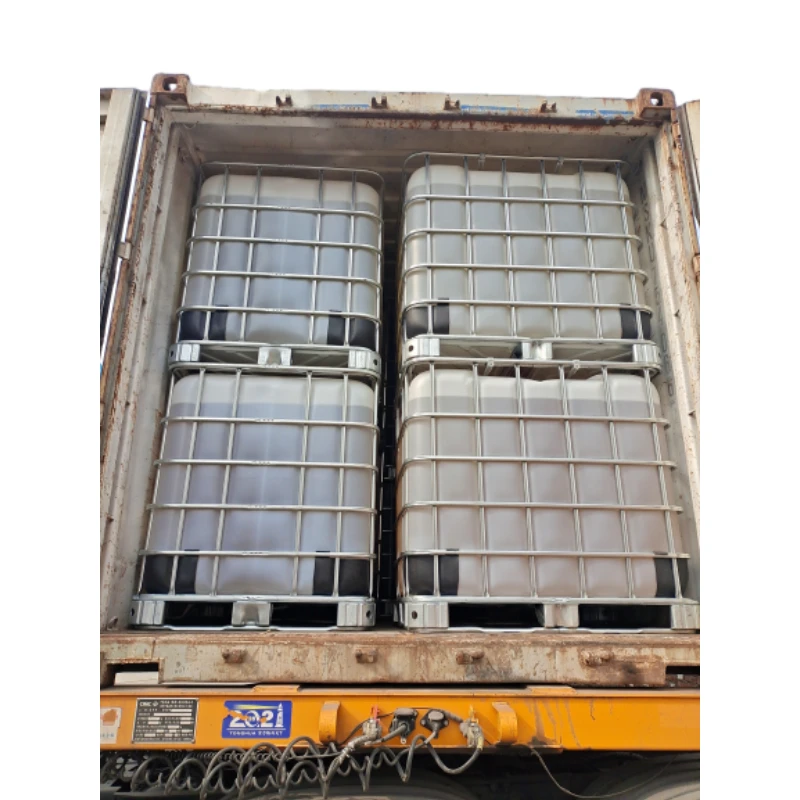
view more DiethanolisopropanolamineIn the ever-growing field of chemical solutions, diethanolisopropanolamine (DEIPA) stands out as a versatile and important compound. Due to its unique chemical structure and properties, DEIPA is of interest to various industries including construction, personal care, and agriculture. -
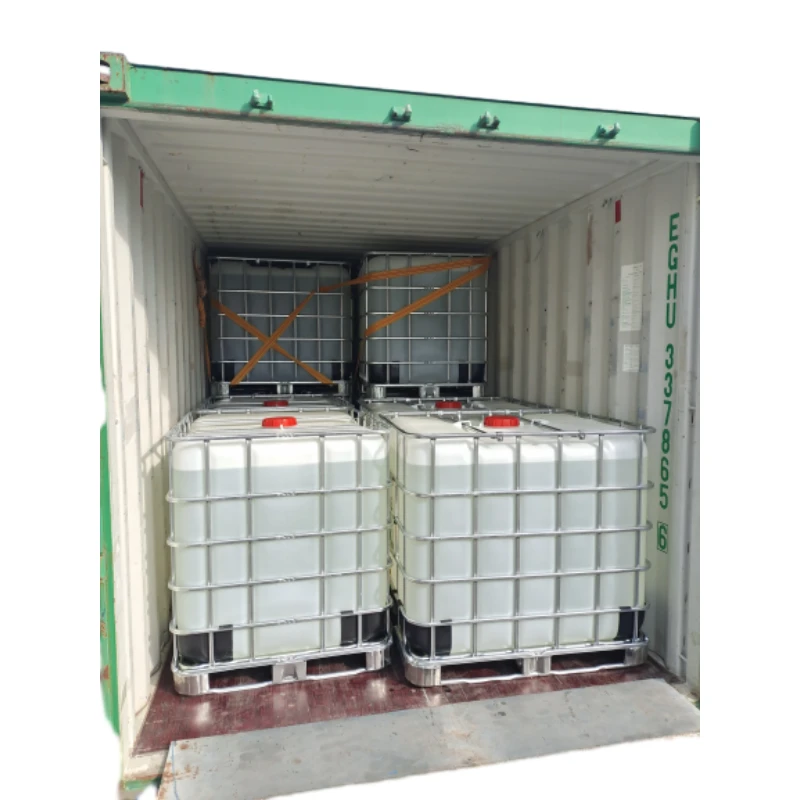
view more TriisopropanolamineTriisopropanolamine (TIPA) alkanol amine substance, is a kind of alcohol amine compound with amino and alcohol hydroxyl, and because of its molecules contains both amino and hydroxyl. -

view more Tetramethyl Thiuram DisulfideTetramethyl thiuram disulfide, also known as TMTD, is a white to light-yellow powder with a distinct sulfur-like odor. It is soluble in organic solvents such as benzene, acetone, and ethyl acetate, making it highly versatile for use in different formulations. TMTD is known for its excellent vulcanization acceleration properties, which makes it a key ingredient in the production of rubber products. Additionally, it acts as an effective fungicide and bactericide, making it valuable in agricultural applications. Its high purity and stability ensure consistent performance, making it a preferred choice for manufacturers across various industries.