





Understanding Flavour Enhancer E627: Uses, Benefits, and Global Impact
Flavour Enhancer E627: A Global Perspective on Its Role and Impact
Flavour enhancer E627, scientifically known as Disodium Guanylate, might sound like a bland chemical term, but it holds a profound spot in the global food industry. This additive, widely used to elevate the umami taste in processed foods, significantly influences culinary experiences worldwide. Understanding this compound is essential—not just for food technologists but also for consumers, nutritionists, and policymakers—because it connects to food quality, cost efficiency, and consumer health in remarkable ways.
Why Flavour Enhancer E627 Matters Globally
Oddly enough, the humble flavour enhancer E627 is behind many dishes that delight palates across continents. The global demand for convenient, flavorful food has surged, with the food additives market expected to reach over $50 billion by 2025 according to Statista. Flavour enhancers like E627 respond to this demand by amplifying taste without added salt or sugar—addressing health and economic challenges alike.
However, a problem persists: not all consumers understand what goes into their food, creating skepticism around additives. This makes knowledge about E627 crucial for transparency and informed choices.
What is Flavour Enhancer E627?
Simply put, flavour enhancer E627 is a sodium salt derived from guanosine monophosphate, used mainly to boost the umami (savory) taste in foods like snacks, soups, and seasonings. It often partners with its cousin E621 (Monosodium Glutamate or MSG) to create a powerful taste synergy.
In terms of industry relevance, it’s significant because it enables food manufacturers to offer richer flavor profiles without increasing sodium content dramatically, aligning with public health efforts worldwide.
Core Components of Flavour Enhancer E627
1. Chemical Composition & Stability
E627 is chemically stable in dry and mildly moist conditions, which means it retains its flavour enhancing properties across diverse food products. This stability makes it a reliable choice for manufacturers aiming for consistent taste.
2. Synergistic Effect with Other Enhancers
Frequently combined with E621 (MSG), E627 provides a layered umami flavour that's much more potent than when used alone. This synergy reduces the overall need for salt, an important health consideration.
3. Solubility & Usage Flexibility
Its good solubility in water-based products expands its applications from instant soups to sauces and snack foods, making it versatile in ingredient formulations.
4. Regulatory Acceptance
Approved by many food safety authorities including the FDA and EFSA, E627’s risk profile is considered low when used within regulated limits, which reassures manufacturers and consumers.
Product Specification Table: Flavour Enhancer E627
| Specification | Details |
|---|---|
| Chemical Name | Disodium Guanylate |
| Molecular Formula | C10H12N5Na2O8P |
| CAS Number | 86-73-7 |
| Purity | ≥ 99% |
| Appearance | White crystalline powder |
| Solubility | Highly soluble in water |
Global Applications & Use Cases
The use of flavour enhancer E627 spans continents—from Asia’s instant noodle markets to Europe’s snack industry. In countries like Japan and South Korea, E627 is foundational in packaged foods flavor profiles. In emerging markets, it helps manufacturers create affordable products with richer taste profiles that appeal to consumers on tight budgets.
Beyond corporate kitchens, humanitarian organizations sometimes use E627 in meal programs aiming to improve acceptance of nutrient-fortified foods. For example, in relief efforts where palatability is crucial for uptake, flavour enhancers improve food compliance.
Vendor Comparison Table
| Supplier | Purity (%) | Price (USD/kg) | Certification | Lead Time (days) |
|---|---|---|---|---|
| Tenger Chemical | ≥ 99 | $15 | ISO, FSSC 22000 | |
| Global Food Additives | 98.5 | $18 | HACCP | |
| FlavorMed Inc. | 99 | $20 | ISO, FDA Approved |
Advantages & Long-Term Value of E627
Using flavour enhancer E627 delivers multiple layers of value. First, it lowers the need for excessive salt, addressing hypertension concerns globally. Then, there’s cost efficiency—since a little E627 goes a long way, manufacturers can optimize expenses. On a social level, it helps create pleasing food products that improve nutrition uptake, which is especially vital in developing countries.
Frankly, it also fosters consumer trust when paired with transparent labeling, underscoring innovation in ingredient science without compromising safety or taste.
Future Trends & Innovations
The future for flavour enhancers like E627 looks exciting. With increasing interest in natural and clean-label foods, research is underway to extract or synthesize E627 from non-GMO or plant-based sources. Digital tools also help manufacturers tailor flavour profiles dynamically, making E627 part of precision food engineering.
Furthermore, sustainability efforts encourage reducing synthetic additives overall, promoting a balanced approach that boosts flavour yet satisfies “green” consumer demands.
Challenges & How Experts Address Them
There are concerns around overuse, potential allergic reactions, and public perception of “chemical” additives. Industry leaders often respond by clarifying dosage limits, conducting rigorous safety assessments, and engaging in consumer education. Emerging solutions include blending E627 with natural extracts to reduce synthetic load, which many food technologists see as promising.
FAQ: Frequently Asked Questions About Flavour Enhancer E627
- Is flavour enhancer E627 safe for children?
When used within the approved limits by regulatory authorities such as the FDA, E627 is considered safe for consumption across ages. Parents concerned about additives can look for products specifying compliance and purity. - How does E627 differ from MSG?
E627 (Disodium Guanylate) works synergistically with MSG (E621) but is distinct chemically. It often enhances umami in combination but is used in smaller quantities due to cost. - Can E627 be used in organic foods?
Generally, synthetic E627 is not permitted in certified organic products; though natural equivalents are under study for future inclusion. - Where can manufacturers source high-quality E627?
Reputable suppliers such as Tenger Chemical offer certified, high-purity E627 for commercial use with certifications like ISO and FSSC 22000 for assurance.
Conclusion: Why Flavour Enhancer E627 is Here to Stay
To wrap up, flavour enhancer E627 plays a quietly powerful role in delivering tasty, affordable, and health-conscious food worldwide. Its synergy with other ingredients, regulatory approval, and growing innovation pipeline make it a cornerstone of modern food science. Whether you are a manufacturer seeking to optimize product taste or a consumer curious about what's behind your favorite snacks, knowing about E627 connects you to a fascinating slice of the global food landscape.
Interested in learning more or sourcing quality flavour enhancer E627? Visit our website: https://www.tengerchemical.com
In real terms, additives like E627 remind us how science and taste come together—making meals memorable, accessible, and sometimes even healthier than you might expect.
-
The Essential Guide to Sorbates as Food Preservatives for SafetyNewsApr.16,2026
-
The Ultimate Guide to Sorbate Preservative in Modern IndustryNewsApr.09,2026
-
Comprehensive Guide to Sodium Stearoyl Lactylate Emulsifier Applications and BenefitsNewsApr.07,2026
-
Comprehensive Guide to Sodium Cyclamate Sweetener Properties and ApplicationsNewsApr.04,2026
-
Comprehensive Guide to Sodium Citrate Food Additive and Its ApplicationsNewsMar.31,2026
-
Comprehensive Guide to Sodium Bicarbonate Food Additive Applications and BenefitsNewsMar.28,2026
-
Understanding Sodium Benzoate Preservative in Cosmetics and Its ApplicationsNewsMar.26,2026
Hebei Tenger Chemical Technology Co., Ltd. focuses on the chemical industry and is committed to the export service of chemical raw materials.
-
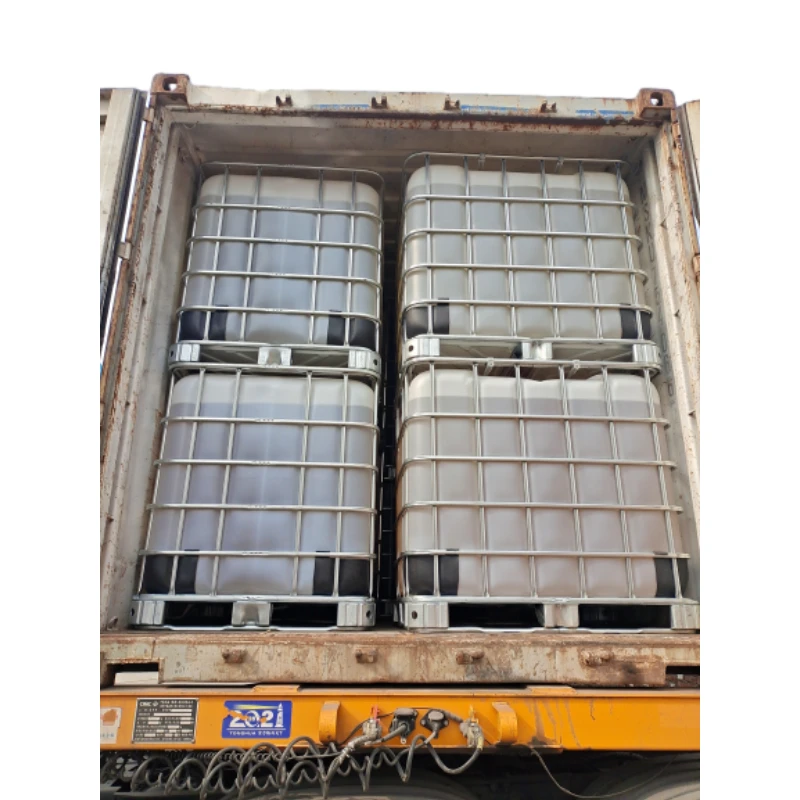
view more DiethanolisopropanolamineIn the ever-growing field of chemical solutions, diethanolisopropanolamine (DEIPA) stands out as a versatile and important compound. Due to its unique chemical structure and properties, DEIPA is of interest to various industries including construction, personal care, and agriculture. -
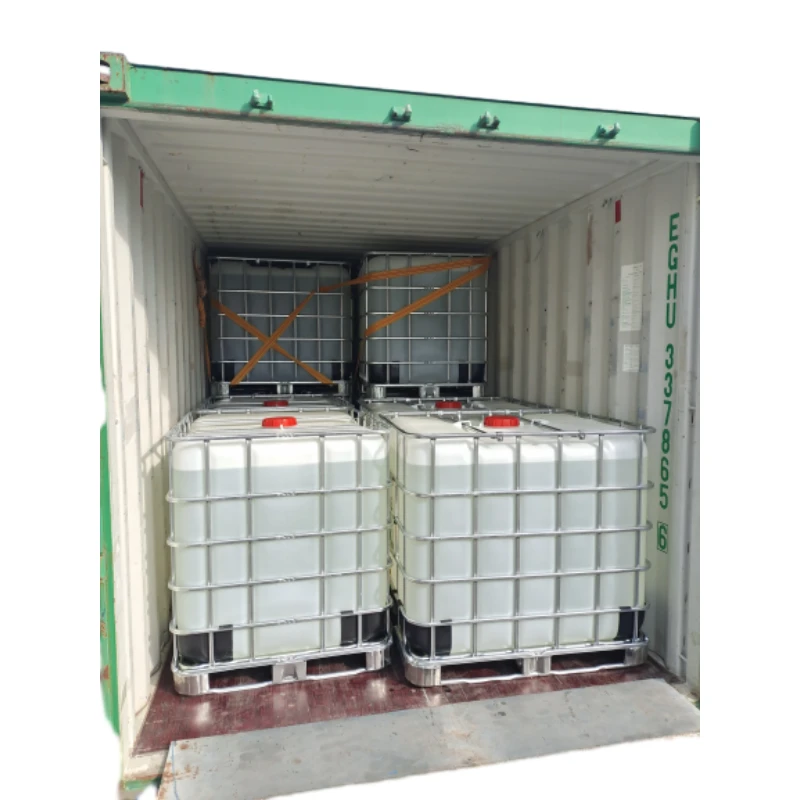
view more TriisopropanolamineTriisopropanolamine (TIPA) alkanol amine substance, is a kind of alcohol amine compound with amino and alcohol hydroxyl, and because of its molecules contains both amino and hydroxyl. -

view more Tetramethyl Thiuram DisulfideTetramethyl thiuram disulfide, also known as TMTD, is a white to light-yellow powder with a distinct sulfur-like odor. It is soluble in organic solvents such as benzene, acetone, and ethyl acetate, making it highly versatile for use in different formulations. TMTD is known for its excellent vulcanization acceleration properties, which makes it a key ingredient in the production of rubber products. Additionally, it acts as an effective fungicide and bactericide, making it valuable in agricultural applications. Its high purity and stability ensure consistent performance, making it a preferred choice for manufacturers across various industries.