





Understanding Sodium Benzoate Preservative in Cosmetics and Its Applications
Sodium Benzoate Preservative in Cosmetics: A Comprehensive Guide
In the dynamic world of cosmetic formulation, preservation is paramount. Sodium benzoate is a widely used preservative, appreciated for its effectiveness and relatively low cost. This article delves into the properties, applications, safety considerations, and regulatory aspects of sodium benzoate as a cosmetic ingredient. We’ll explore its benefits, potential drawbacks, and how it compares to other preservative options. Understanding sodium benzoate is essential for both cosmetic manufacturers and consumers alike.

What is Sodium Benzoate and How Does it Work?
Sodium benzoate is the sodium salt of benzoic acid. It functions as a preservative by inhibiting the growth of bacteria, yeast, and mold in cosmetic products. It's most effective in acidic environments (pH 3.0-6.0). The preservative works by entering the cell of microorganisms and disrupting their ability to function. This prevents spoilage and extends the shelf life of cosmetics. Tenger Chemical offers high-quality sodium benzoate suitable for a wide range of cosmetic formulations. It is a white, odorless powder, easily soluble in water.
Key Highlights: Effective against bacteria, yeast, and mold; Works best in acidic pH; Easily soluble in water; Extends product shelf life.
Common Applications of Sodium Benzoate in Cosmetics
Sodium benzoate is found in a diverse array of cosmetic products, including lotions, creams, shampoos, conditioners, makeup, sunscreens, and even toothpaste. Its versatility makes it a popular choice for manufacturers. It’s particularly valuable in water-based formulations where microbial growth is more likely. The concentration typically used ranges from 0.5% to 1.5%, depending on the specific product and formulation. Choosing the right preservative system is crucial for product stability and safety, and Tenger Chemical provides expert guidance on optimal usage levels.
Application Areas:
• Lotions and Creams
• Shampoos & Conditioners
• Makeup Products (Foundations, Mascaras)
• Sunscreens
• Toothpaste
Sodium Benzoate vs. Other Cosmetic Preservatives
While sodium benzoate is effective, it’s essential to compare it with other preservative options. Parabens were once widely used but have faced consumer concerns. Phenoxyethanol is another common option, offering broad-spectrum activity. Potassium sorbate is often used in conjunction with sodium benzoate for synergistic effect. Each preservative has its pros and cons regarding efficacy, cost, and potential for skin sensitivity. The choice depends on the specific formulation and desired properties.
Safety Considerations and Regulatory Status
Sodium benzoate is generally considered safe for use in cosmetics at approved concentrations. However, there have been concerns about the potential formation of benzene, a known carcinogen, when sodium benzoate is combined with ascorbic acid (Vitamin C) in acidic conditions. Manufacturers mitigate this risk by carefully controlling formulation pH and minimizing exposure to light and heat. Regulatory bodies, such as the FDA and the European Commission, have established limits on the permitted concentration of sodium benzoate in cosmetic products. Tenger Chemical ensures its sodium benzoate meets all relevant safety and regulatory standards.

Where to Source High-Quality Sodium Benzoate
When formulating cosmetics, sourcing high-quality ingredients is critical. Tenger Chemical is a reputable supplier of sodium benzoate, providing products that meet stringent quality control standards. We offer competitive pricing, reliable supply chains, and expert technical support to assist you in your cosmetic formulations. Contact us today to learn more about our sodium benzoate offerings and how we can support your business.
Conclusion: Sodium Benzoate – A Valuable Cosmetic Preservative
Sodium benzoate remains a valuable tool for cosmetic manufacturers seeking effective and affordable preservation. Understanding its properties, applications, and safety considerations is crucial for creating safe and stable products. By sourcing high-quality sodium benzoate from a trusted supplier like Tenger Chemical, you can ensure the quality and safety of your cosmetic formulations.
Frequently Asked Questions (FAQs)
What is the maximum allowed concentration of sodium benzoate in cosmetics?
The maximum allowed concentration of sodium benzoate varies depending on the regulatory jurisdiction. In the United States, the FDA permits its use up to 1.0% in finished cosmetic products. In the European Union, the maximum concentration is also 1.0%, but it is subject to stricter overall preservative limits. It's crucial to consult the specific regulations of the country where the product will be sold to ensure compliance. Accurate measurement and adherence to these limits are paramount for product safety.
Can sodium benzoate cause allergic reactions?
While sodium benzoate is generally considered safe, some individuals may experience allergic reactions or skin irritation. Symptoms can include redness, itching, or swelling. Sensitivity to sodium benzoate is relatively uncommon, but those with sensitive skin or known allergies should perform a patch test before using products containing it. Formulators can minimize the risk of irritation by using the lowest effective concentration and combining it with soothing ingredients.
How does pH affect the effectiveness of sodium benzoate?
Sodium benzoate is most effective as a preservative in acidic environments, with an optimal pH range of 3.0 to 6.0. As the pH increases (becomes more alkaline), its effectiveness decreases significantly. This is because at higher pH levels, sodium benzoate converts to benzoic acid, which is less soluble and therefore less effective at inhibiting microbial growth. Formulators must carefully control the pH of their products to ensure that sodium benzoate maintains its preservative properties.
Is sodium benzoate safe for use in products for babies and children?
The use of sodium benzoate in products for babies and children is subject to careful consideration. Regulatory bodies often have stricter guidelines for these products due to the increased sensitivity of infants and young children. While sodium benzoate is generally considered safe at approved concentrations, formulators should minimize its use in these products and prioritize gentler, alternative preservative systems whenever possible. Thorough testing and adherence to relevant regulations are crucial.
-
The Essential Guide to Sorbates as Food Preservatives for SafetyNewsApr.16,2026
-
The Ultimate Guide to Sorbate Preservative in Modern IndustryNewsApr.09,2026
-
Comprehensive Guide to Sodium Stearoyl Lactylate Emulsifier Applications and BenefitsNewsApr.07,2026
-
Comprehensive Guide to Sodium Cyclamate Sweetener Properties and ApplicationsNewsApr.04,2026
-
Comprehensive Guide to Sodium Citrate Food Additive and Its ApplicationsNewsMar.31,2026
-
Comprehensive Guide to Sodium Bicarbonate Food Additive Applications and BenefitsNewsMar.28,2026
-
Comprehensive Guide to Sodium Benzoate Preservative Applications and SafetyNewsMar.24,2026
Hebei Tenger Chemical Technology Co., Ltd. focuses on the chemical industry and is committed to the export service of chemical raw materials.
-
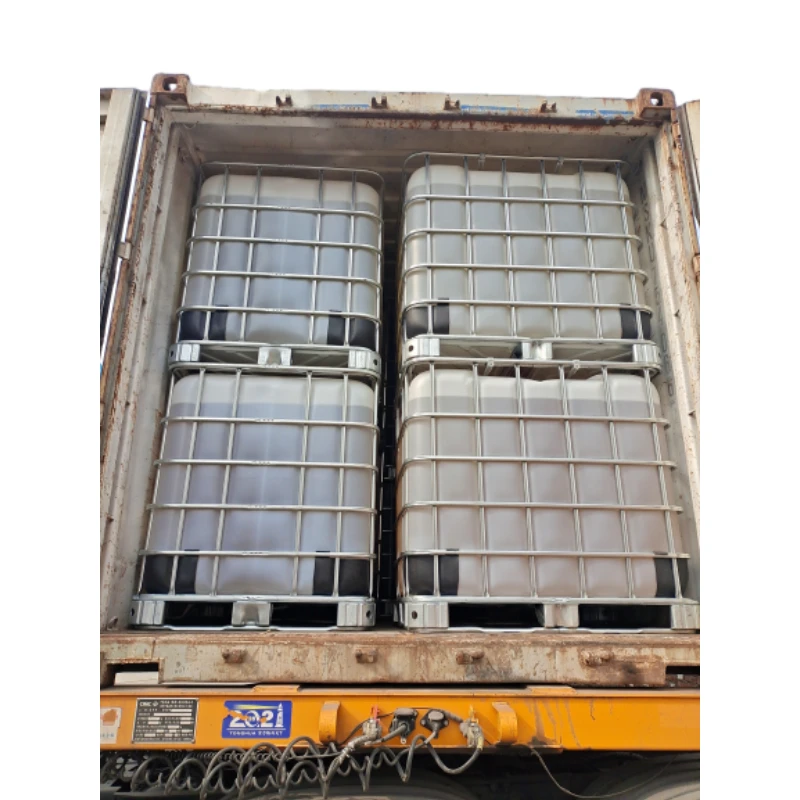
view more DiethanolisopropanolamineIn the ever-growing field of chemical solutions, diethanolisopropanolamine (DEIPA) stands out as a versatile and important compound. Due to its unique chemical structure and properties, DEIPA is of interest to various industries including construction, personal care, and agriculture. -
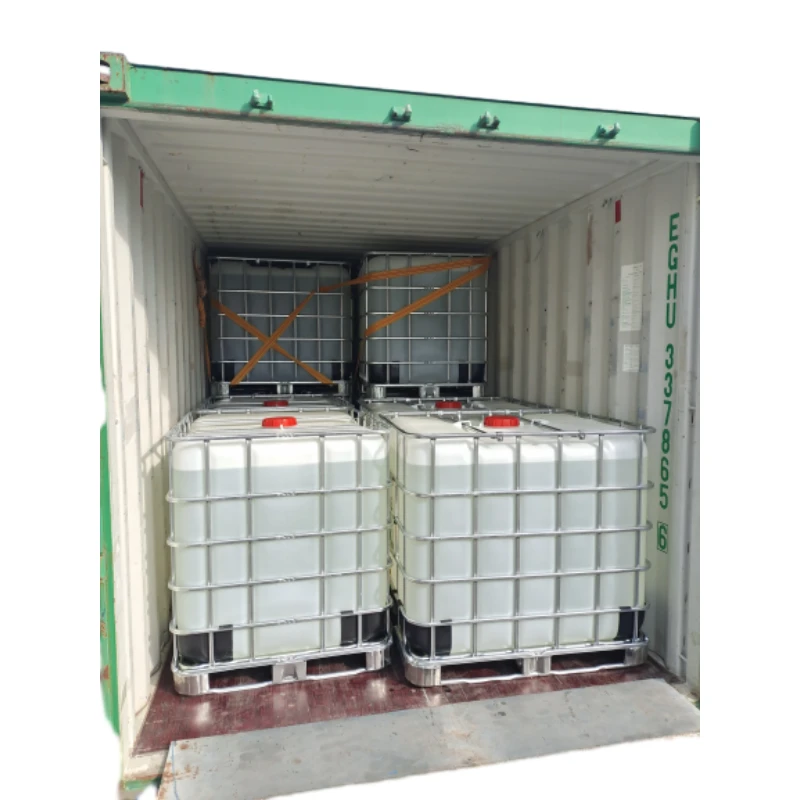
view more TriisopropanolamineTriisopropanolamine (TIPA) alkanol amine substance, is a kind of alcohol amine compound with amino and alcohol hydroxyl, and because of its molecules contains both amino and hydroxyl. -

view more Tetramethyl Thiuram DisulfideTetramethyl thiuram disulfide, also known as TMTD, is a white to light-yellow powder with a distinct sulfur-like odor. It is soluble in organic solvents such as benzene, acetone, and ethyl acetate, making it highly versatile for use in different formulations. TMTD is known for its excellent vulcanization acceleration properties, which makes it a key ingredient in the production of rubber products. Additionally, it acts as an effective fungicide and bactericide, making it valuable in agricultural applications. Its high purity and stability ensure consistent performance, making it a preferred choice for manufacturers across various industries.