





Understanding the Crucial Role of a Primary Emulsifier in Industrial Applications
Understanding the Role of a Primary Emulsifier
In numerous industrial applications, particularly within the cosmetic, pharmaceutical, food, and chemical sectors, achieving a stable emulsion is paramount. This is where a primary emulsifier plays a crucial role. It acts as the bridge between immiscible liquids, like oil and water, creating a homogenous mixture. Selecting the correct primary emulsifier significantly impacts product quality, stability, and overall performance. We'll explore what primary emulsifiers are, how they function, common types, and how to choose the best one for your application.

What is a Primary Emulsifier?
A primary emulsifier is a substance that lowers the surface tension between two liquids, enabling them to mix and form a stable emulsion. Emulsions are dispersions of one liquid within another where the liquids do not naturally combine. The emulsifier achieves this by surrounding the dispersed droplets, preventing them from coalescing and separating. This results in a consistent and visually appealing product. Without an effective primary emulsifier, an emulsion would quickly separate, rendering the product unusable. Its effectiveness relies on its molecular structure, possessing both hydrophilic (water-loving) and lipophilic (oil-loving) portions. Tenger Chemical offers a comprehensive range of high-quality primary emulsifiers.
Key Benefit: Stable emulsions are vital for product quality, shelf life, and desired texture and consistency.
Common Types of Primary Emulsifiers
There’s a broad spectrum of primary emulsifiers available, each with unique properties and suited for specific applications. Some of the most commonly used types include:
- Non-ionic emulsifiers: These are widely used due to their stability over a wide range of pH and temperature. Examples include polysorbates (e.g., Polysorbate 20, Polysorbate 80) and sorbitan esters (e.g., Span 80).
- Anionic emulsifiers: These possess a negative charge and are effective in creating stable oil-in-water emulsions. Sodium lauryl sulfate (SLS) and ammonium lauryl sulfate (ALS) are common examples.
- Cationic emulsifiers: Featuring a positive charge, these are less frequently used than anionic or non-ionic emulsifiers, often found in hair conditioners and fabric softeners.
- Amphoteric emulsifiers: These can behave as either anionic or cationic emulsifiers depending on the pH of the solution, offering versatility.
Choosing the Right Primary Emulsifier: Key Considerations
Selecting the optimal primary emulsifier requires careful consideration of several factors. These include the type of emulsion desired (oil-in-water or water-in-oil), the properties of the oil and water phases, the pH of the formulation, the temperature of processing and storage, and the intended application of the final product. For instance, non-ionic emulsifiers are generally preferred for applications requiring high stability over a broad temperature range. Tenger Chemical's technical team can provide expert guidance on selecting the ideal emulsifier for your specific needs.
Factors influencing emulsifier choice:
• Emulsion Type (O/W or W/O)
• Oil and Water Phase Properties
• pH and Temperature Stability
• Intended Application
Primary Emulsifier Comparison: Properties & Applications
Understanding the differences between various primary emulsifiers is essential for effective formulation. The table below highlights key properties and typical applications.
The Role of HLB Value in Emulsifier Selection
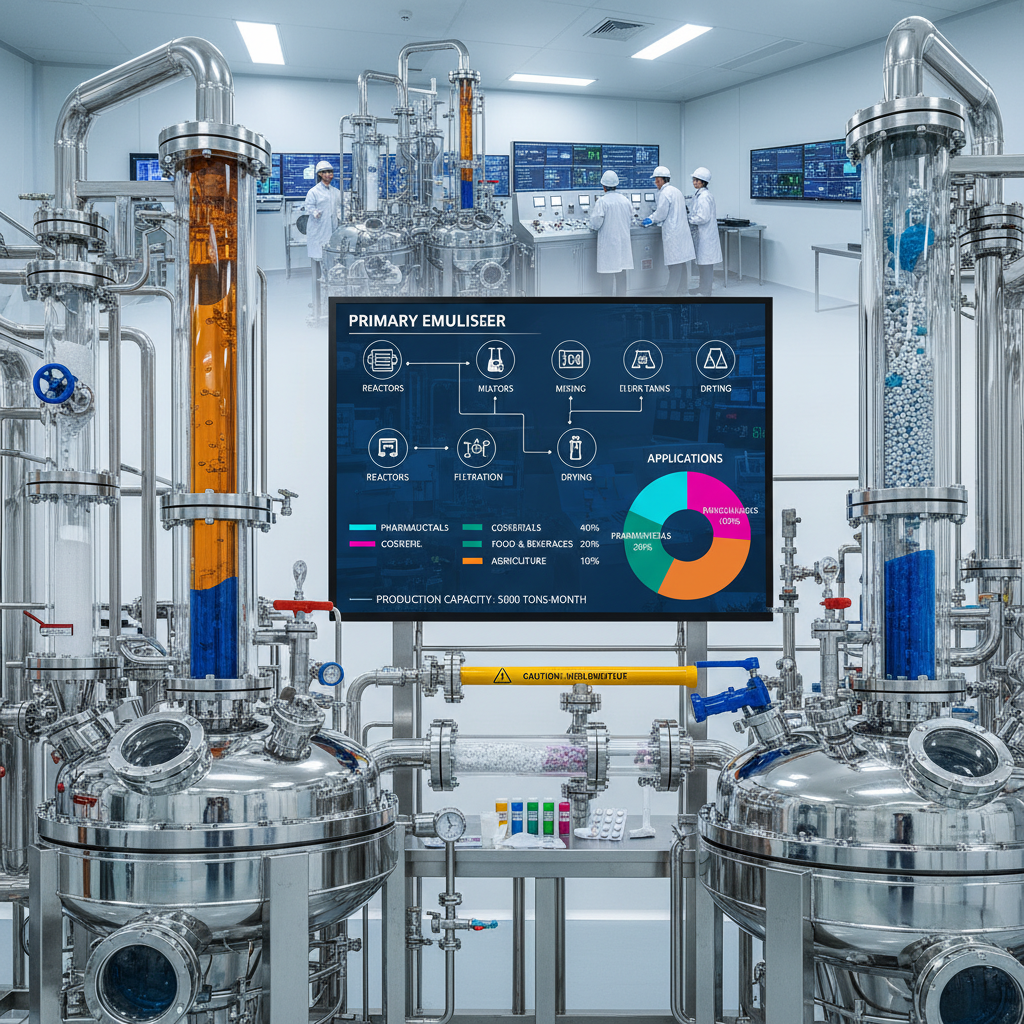
The Hydrophilic-Lipophilic Balance (HLB) value is a crucial parameter for selecting the appropriate emulsifier. This value indicates the relative hydrophilicity or lipophilicity of the emulsifier. A low HLB value signifies a lipophilic emulsifier, suitable for creating water-in-oil (W/O) emulsions, while a high HLB value indicates a hydrophilic emulsifier, ideal for oil-in-water (O/W) emulsions. Understanding the HLB value of both the emulsifier and the oil phase is critical for achieving a stable emulsion.
Conclusion: Achieving Emulsion Stability with the Right Choice
Choosing the right primary emulsifier is vital for achieving stable, high-quality emulsions. By carefully considering the factors discussed – emulsion type, HLB value, and application requirements – you can ensure optimal performance and product consistency. Tenger Chemical is dedicated to providing premium emulsifiers and expert technical support to help you achieve your formulation goals.
Frequently Asked Questions (FAQs)
What is the difference between a primary and secondary emulsifier?
A primary emulsifier is the main ingredient responsible for forming and stabilizing the emulsion. It has a higher concentration in the formulation and directly reduces interfacial tension between the oil and water phases. A secondary emulsifier, also known as a co-emulsifier, is used in smaller amounts to enhance the stability of the emulsion, improve its texture, or modify its viscosity. It works synergistically with the primary emulsifier. Often, a combination of both is used to achieve optimal results.
Can I use more than one primary emulsifier in a formulation?
Yes, using a blend of primary emulsifiers is a common practice. This can often create a more stable and robust emulsion. Different emulsifiers have different properties, and combining them can provide synergistic effects. For example, combining a non-ionic emulsifier with an anionic emulsifier can improve stability and enhance the overall texture of the formulation. However, it’s crucial to ensure compatibility between the selected emulsifiers to avoid phase separation or instability.
How do I determine the correct concentration of primary emulsifier?
Determining the optimal concentration of primary emulsifier depends on several factors including the oil-to-water ratio, the type of oil and water phases, and the desired emulsion stability. Typically, the concentration ranges from 1% to 10% by weight. It’s best to start with a lower concentration and gradually increase it while observing the emulsion’s stability and characteristics. Conducting stability tests, such as centrifugation and temperature cycling, is essential to evaluate the long-term performance of the formulation.
Where can I find high-quality primary emulsifiers?
Tenger Chemical is a trusted supplier of high-quality primary emulsifiers. We offer a wide range of emulsifiers to meet diverse application needs, along with expert technical support and reliable supply chain management. We pride ourselves on delivering consistent quality and exceptional customer service.
-
The Essential Guide to Sorbates as Food Preservatives for SafetyNewsApr.16,2026
-
The Ultimate Guide to Sorbate Preservative in Modern IndustryNewsApr.09,2026
-
Comprehensive Guide to Sodium Stearoyl Lactylate Emulsifier Applications and BenefitsNewsApr.07,2026
-
Comprehensive Guide to Sodium Cyclamate Sweetener Properties and ApplicationsNewsApr.04,2026
-
Comprehensive Guide to Sodium Citrate Food Additive and Its ApplicationsNewsMar.31,2026
-
Comprehensive Guide to Sodium Bicarbonate Food Additive Applications and BenefitsNewsMar.28,2026
-
Understanding Sodium Benzoate Preservative in Cosmetics and Its ApplicationsNewsMar.26,2026
Hebei Tenger Chemical Technology Co., Ltd. focuses on the chemical industry and is committed to the export service of chemical raw materials.
-
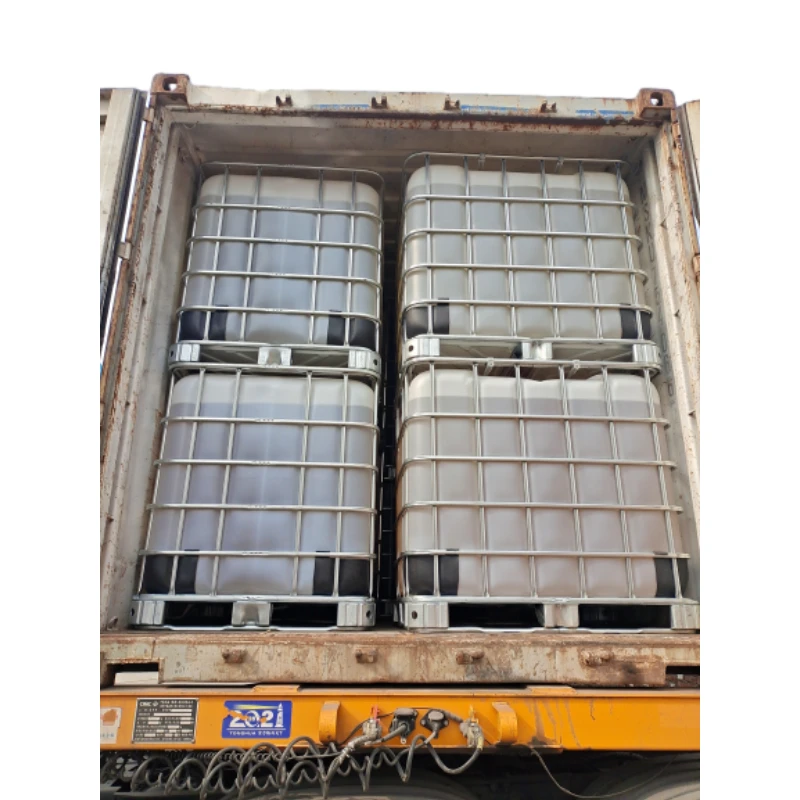
view more DiethanolisopropanolamineIn the ever-growing field of chemical solutions, diethanolisopropanolamine (DEIPA) stands out as a versatile and important compound. Due to its unique chemical structure and properties, DEIPA is of interest to various industries including construction, personal care, and agriculture. -
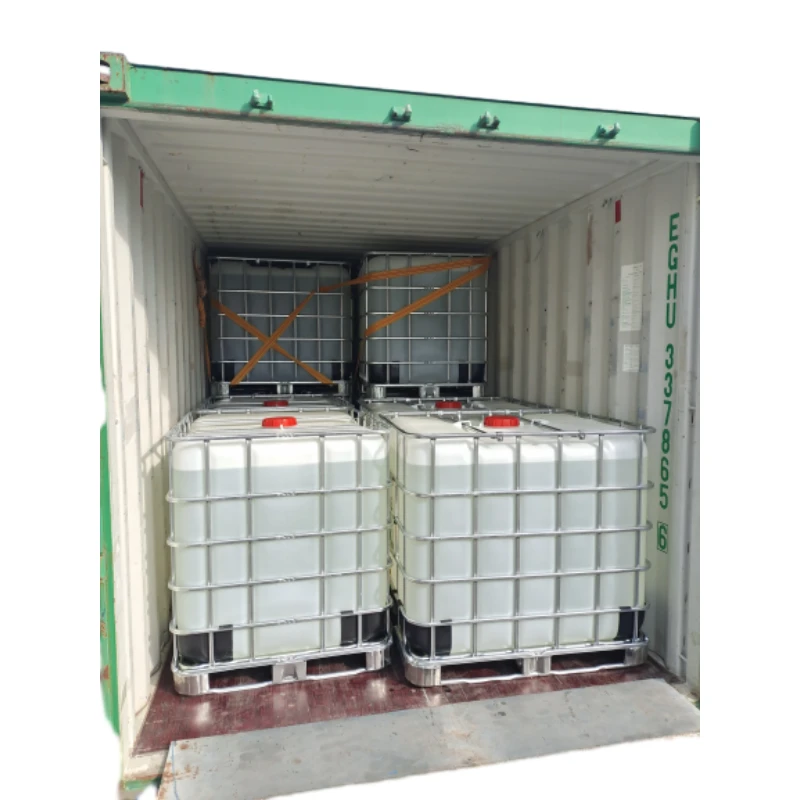
view more TriisopropanolamineTriisopropanolamine (TIPA) alkanol amine substance, is a kind of alcohol amine compound with amino and alcohol hydroxyl, and because of its molecules contains both amino and hydroxyl. -
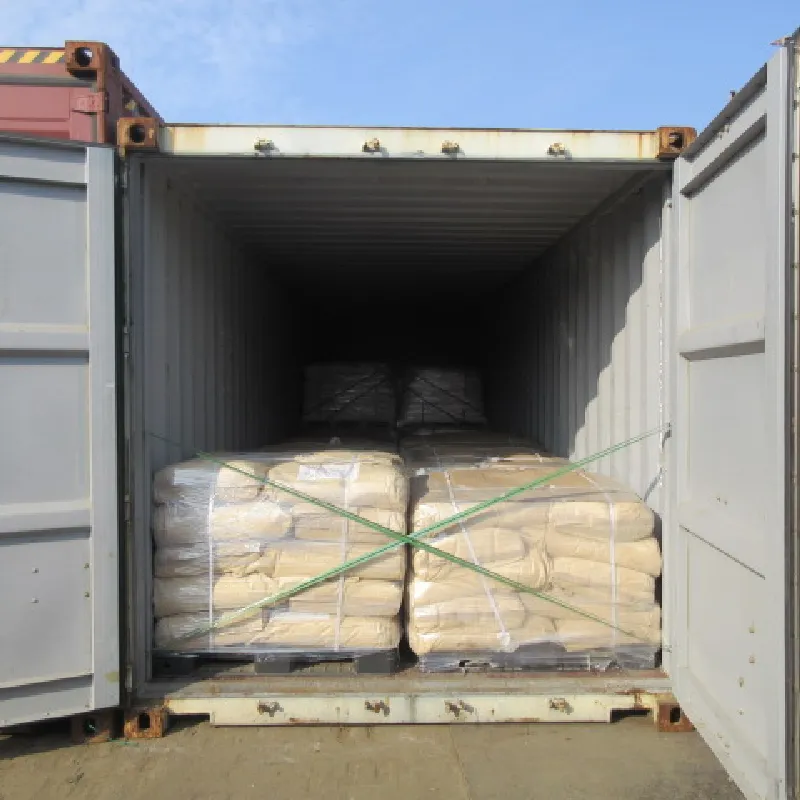
view more Tetramethyl Thiuram DisulfideTetramethyl thiuram disulfide, also known as TMTD, is a white to light-yellow powder with a distinct sulfur-like odor. It is soluble in organic solvents such as benzene, acetone, and ethyl acetate, making it highly versatile for use in different formulations. TMTD is known for its excellent vulcanization acceleration properties, which makes it a key ingredient in the production of rubber products. Additionally, it acts as an effective fungicide and bactericide, making it valuable in agricultural applications. Its high purity and stability ensure consistent performance, making it a preferred choice for manufacturers across various industries.