





Understanding the Role of Preservatives Used in Chocolate Production and Safety
Understanding Preservatives Used in Chocolate
Chocolate, a beloved treat worldwide, requires careful preservation to maintain its quality, flavor, and extend its shelf life. While many assume chocolate's high sugar content is sufficient, various preservatives used in chocolate play a crucial role. These aren't about preventing spoilage in the traditional sense, but rather slowing down undesirable processes like fat bloom, flavor degradation, and microbial growth. This article delves into the common preservatives utilized in chocolate production, their functions, and safety considerations. Understanding these components helps consumers appreciate the science behind their favorite indulgence.
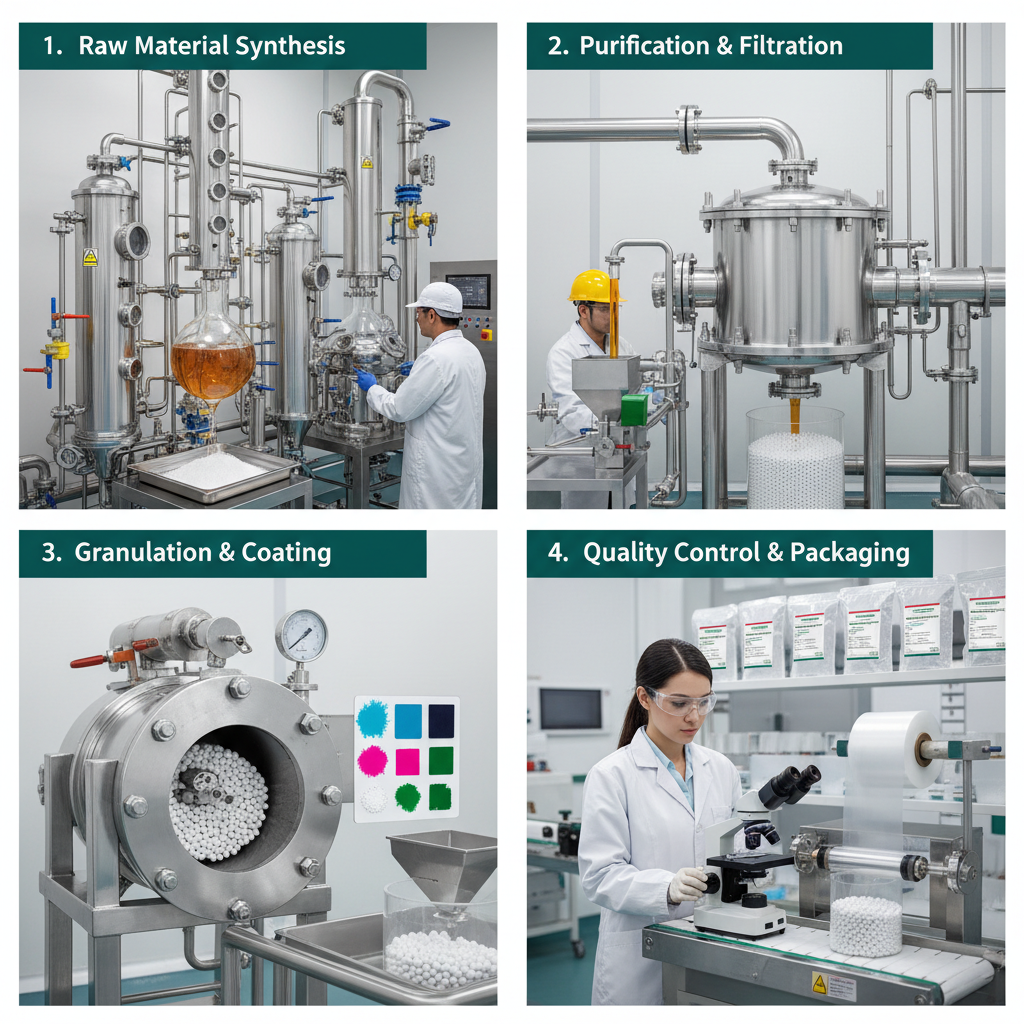
The Role of Preservatives in Chocolate Quality
Chocolate is a complex food matrix susceptible to various forms of degradation. Fat bloom, a whitish coating on the surface, occurs when cocoa butter separates and recrystallizes. Flavor bloom results from volatile aroma compounds escaping, leading to a loss of desirable aromas. Microbial growth, although less common due to chocolate’s low water activity, can still occur. Preservatives address these issues. Lecithin, for instance, acts as an emulsifier, preventing fat bloom by maintaining a stable mixture of cocoa butter and cocoa solids. Antioxidants like tocopherols (Vitamin E) prevent oxidation of fats, preserving flavor and color. These aren't necessarily 'stopping' decay, but substantially slowing these processes.
Key Takeaway: Preservatives in chocolate aren't solely about preventing spoilage, but maintaining the desired texture, flavor, and appearance over time.
Common Preservatives and Their Functions
Several compounds are routinely used as preservatives used in chocolate. Lecithin (soy or sunflower-derived) is a prominent emulsifier, preventing fat bloom. TBHQ (Tertiary Butylhydroquinone) and BHA (Butylated Hydroxyanisole) are synthetic antioxidants used to inhibit fat oxidation. Tocopherols, naturally occurring Vitamin E compounds, function as antioxidants as well. Polysorbate 60 is another emulsifier. Citric acid is used to adjust pH, impacting flavor and microbial stability. Each preservative contributes a unique benefit to the overall quality of the finished product.
Preservative Benefits at a Glance:
- Lecithin: Prevents fat bloom, improves texture.
- TBHQ/BHA: Inhibits fat oxidation, preserves flavor.
- Tocopherols: Natural antioxidants, extend shelf life.
- Polysorbate 60: Enhances emulsification.
- Citric Acid: Adjusts pH, influences flavor.
A Comparative Look at Antioxidants
Antioxidants play a vital role in preserving chocolate's flavor profile. Synthetic options like TBHQ and BHA are highly effective but sometimes receive scrutiny due to consumer perception. Natural tocopherols offer a healthier alternative, but may require higher concentrations to achieve the same level of preservation. The choice often depends on the manufacturer’s formulation goals, cost considerations, and consumer demand for 'natural' ingredients. Understanding the differences is crucial for evaluating product quality.
Safety Considerations and Regulations
All preservatives used in chocolate are subject to strict regulations by food safety authorities like the FDA (in the US) and EFSA (in Europe). These agencies establish acceptable daily intake (ADI) levels to ensure consumer safety. While some preservatives have faced scrutiny due to potential health concerns, they are generally considered safe when used within approved limits. Manufacturers are obligated to list all ingredients, allowing consumers to make informed choices.

Looking Ahead: Trends in Chocolate Preservation
The demand for 'clean label' products is driving innovation in chocolate preservation. Manufacturers are increasingly exploring natural alternatives to synthetic preservatives, such as using higher concentrations of tocopherols, employing innovative packaging technologies, and optimizing processing techniques. This trend reflects a growing consumer preference for ingredients perceived as healthier and more sustainable.
Conclusion: Balancing Quality and Consumer Demand
The use of preservatives in chocolate is a complex but essential aspect of maintaining product quality and extending shelf life. Understanding the functions of these compounds, their safety profiles, and the emerging trends towards natural alternatives empowers both manufacturers and consumers. The ongoing pursuit of innovative preservation methods will ensure that chocolate remains a delicious and enjoyable treat for generations to come.
Frequently Asked Questions (FAQs)
Are the preservatives in chocolate harmful to health?
Generally, the preservatives used in chocolate are considered safe when consumed within the acceptable daily intake (ADI) levels established by regulatory bodies like the FDA and EFSA. These organizations conduct rigorous safety assessments before approving these substances for use in food. However, some individuals may have sensitivities or allergies to certain preservatives. Consumers with concerns can opt for chocolates made with natural preservatives like tocopherols or seek out products with minimal ingredient lists. It’s also important to note that the amounts of preservatives used in chocolate are typically very small.
What is the difference between TBHQ and BHA?
Both TBHQ (Tertiary Butylhydroquinone) and BHA (Butylated Hydroxyanisole) are synthetic antioxidants used to prevent fat oxidation in chocolate. TBHQ is generally considered more effective than BHA at preventing rancidity. However, both have been subject to some scrutiny regarding potential health effects, though regulatory agencies deem them safe at approved levels. The primary difference lies in their chemical structure and potency. Manufacturers choose between them based on cost, effectiveness, and desired flavor profile.
Can I find chocolate without any preservatives?
Finding truly preservative-free chocolate is challenging, as even natural ingredients like cocoa butter can degrade over time. However, you can find chocolates made with minimal preservatives, often relying on natural antioxidants like tocopherols (Vitamin E) and careful processing techniques to extend shelf life. Organic chocolates often adhere to stricter standards regarding the use of synthetic preservatives. Look for products labeled “no artificial preservatives” or “organic” if you're seeking alternatives.
How does packaging affect the need for preservatives?
Packaging plays a crucial role in preserving chocolate quality and potentially reducing the need for certain preservatives. Barrier packaging, such as foil-lined wrappers, protects chocolate from exposure to oxygen, light, and moisture, all of which contribute to degradation. Vacuum sealing or modified atmosphere packaging (MAP) can further extend shelf life by minimizing oxidation and microbial growth. High-quality packaging complements the role of preservatives in maintaining the chocolate's flavor, texture, and appearance.
-
The Essential Guide to Sorbates as Food Preservatives for SafetyNewsApr.16,2026
-
The Ultimate Guide to Sorbate Preservative in Modern IndustryNewsApr.09,2026
-
Comprehensive Guide to Sodium Stearoyl Lactylate Emulsifier Applications and BenefitsNewsApr.07,2026
-
Comprehensive Guide to Sodium Cyclamate Sweetener Properties and ApplicationsNewsApr.04,2026
-
Comprehensive Guide to Sodium Citrate Food Additive and Its ApplicationsNewsMar.31,2026
-
Comprehensive Guide to Sodium Bicarbonate Food Additive Applications and BenefitsNewsMar.28,2026
-
Understanding Sodium Benzoate Preservative in Cosmetics and Its ApplicationsNewsMar.26,2026
Hebei Tenger Chemical Technology Co., Ltd. focuses on the chemical industry and is committed to the export service of chemical raw materials.
-

view more DiethanolisopropanolamineIn the ever-growing field of chemical solutions, diethanolisopropanolamine (DEIPA) stands out as a versatile and important compound. Due to its unique chemical structure and properties, DEIPA is of interest to various industries including construction, personal care, and agriculture. -
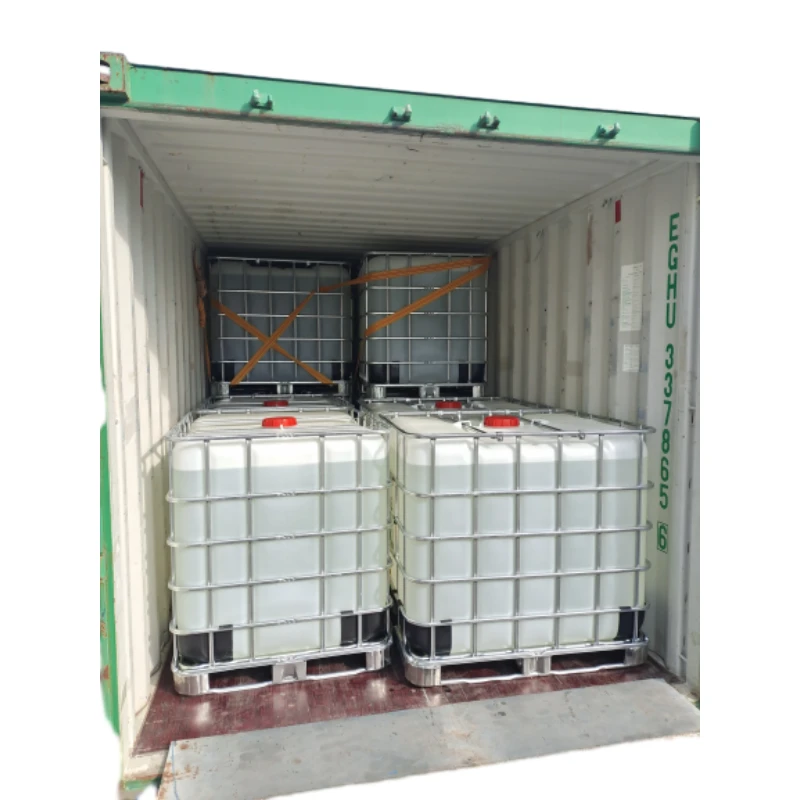
view more TriisopropanolamineTriisopropanolamine (TIPA) alkanol amine substance, is a kind of alcohol amine compound with amino and alcohol hydroxyl, and because of its molecules contains both amino and hydroxyl. -

view more Tetramethyl Thiuram DisulfideTetramethyl thiuram disulfide, also known as TMTD, is a white to light-yellow powder with a distinct sulfur-like odor. It is soluble in organic solvents such as benzene, acetone, and ethyl acetate, making it highly versatile for use in different formulations. TMTD is known for its excellent vulcanization acceleration properties, which makes it a key ingredient in the production of rubber products. Additionally, it acts as an effective fungicide and bactericide, making it valuable in agricultural applications. Its high purity and stability ensure consistent performance, making it a preferred choice for manufacturers across various industries.