





Understanding the Science of Raising Agents in Food and Baking Applications
Understanding Raising Agents in Food
Raising agents are crucial components in baking, responsible for creating light, airy textures in various food products. From fluffy cakes to risen breads, these agents produce gas bubbles within the dough or batter, leading to expansion and a desirable final product. Understanding the different types of raising agents, their mechanisms, and their applications is essential for both home bakers and food manufacturers. This article explores the world of raising agents, providing a comprehensive guide to their function and usage.
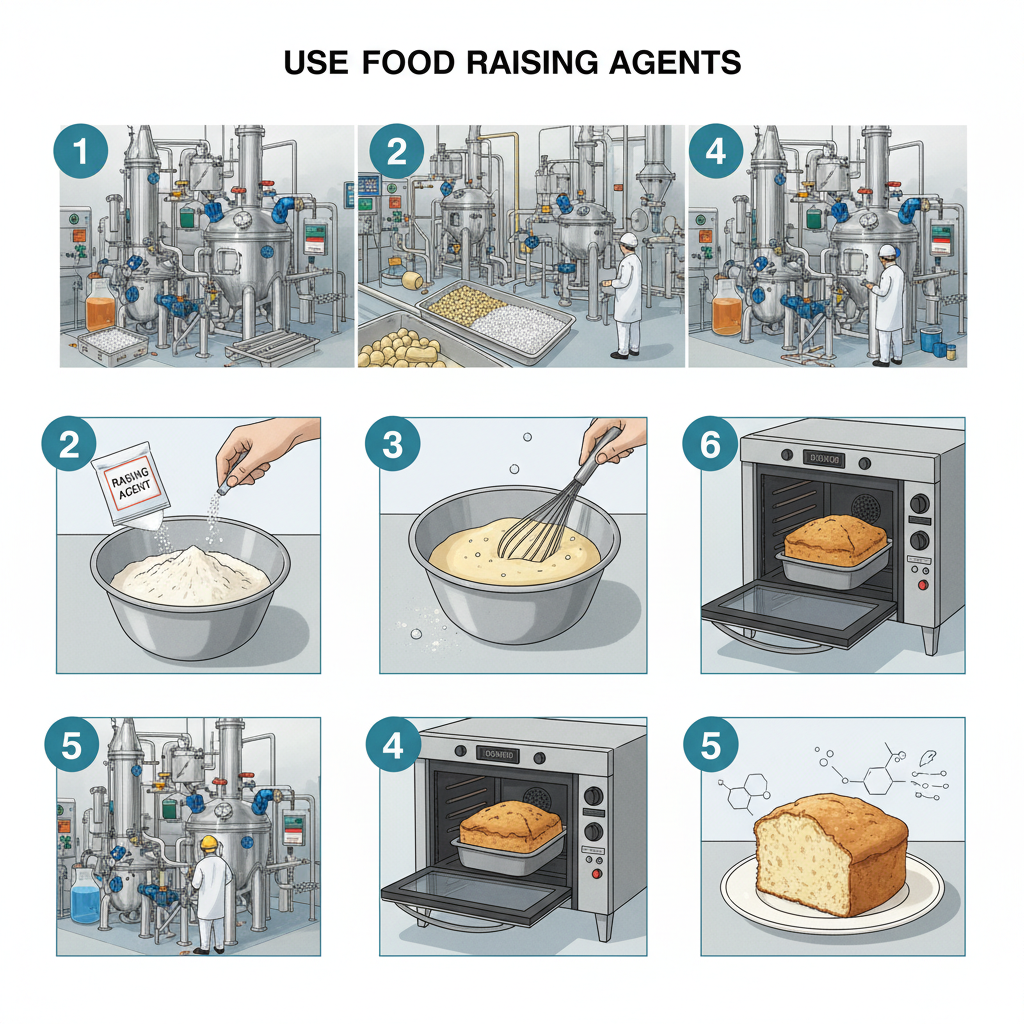
What are Raising Agents and Why are They Important?
Raising agents work by releasing gases, typically carbon dioxide (CO2), within the dough or batter. These gas bubbles become trapped by the structure of the mixture (gluten in bread, starch in cakes), causing it to expand. Without raising agents, baked goods would be dense and flat. The type of raising agent used influences the texture, flavor, and rise of the final product. Different baking applications require different raising agents to achieve optimal results. For example, quick breads utilize baking powder, while yeast is the primary raising agent in traditional breads. Tenger Chemical provides high-quality chemical solutions for various industrial applications, including food production.
Key Takeaway: Raising agents are essential for creating the desirable texture and volume in baked goods by producing gas bubbles that expand the mixture.
Types of Raising Agents: A Detailed Overview
There are several types of raising agents, each with unique characteristics and applications. These can be broadly categorized into biological, chemical, and mechanical raising agents. Biological raising agents, like yeast, rely on living organisms to produce gas. Chemical raising agents, such as baking powder and baking soda, involve a chemical reaction to release gas. Mechanical raising agents, like whisking air into egg whites, physically incorporate air into the mixture. Understanding these differences is crucial for choosing the appropriate agent for a specific recipe.
Categories of Raising Agents:
• Biological: Yeast
• Chemical: Baking Powder, Baking Soda
• Mechanical: Whisking, Creaming
Comparing Chemical Raising Agents: Baking Powder vs. Baking Soda
Baking powder and baking soda are two common chemical raising agents often confused with each other. While both produce CO2, they differ in their composition and how they function. Baking soda (sodium bicarbonate) requires an acidic ingredient (like lemon juice or buttermilk) to activate. Baking powder, on the other hand, contains both an alkaline component (baking soda) and an acid, so it only needs moisture to activate. There are single-acting and double-acting baking powders, with double-acting releasing some gas upon mixing and more when heated.
The Role of Yeast in Bread Making
Yeast is a biological raising agent consisting of single-celled microorganisms that feed on sugars and produce CO2 as a byproduct. This process, known as fermentation, is responsible for the rise and characteristic flavor of bread. Different types of yeast are used in baking, including active dry yeast, instant yeast, and fresh yeast. The temperature and hydration levels are critical for yeast activation and optimal performance. Proper proofing allows the yeast to produce sufficient gas for a well-risen loaf.

Conclusion: Choosing the Right Raising Agent
Selecting the right raising agent is critical for achieving the desired texture and rise in baked goods. Understanding the differences between biological, chemical, and mechanical agents, as well as the nuances within each category, empowers bakers to make informed decisions. Whether you’re crafting a delicate sponge cake or a hearty loaf of bread, the proper use of raising agents is fundamental to baking success. Tenger Chemical remains dedicated to providing quality ingredients and solutions for the food industry.
Frequently Asked Questions (FAQs)
What happens if I use too much raising agent?
Using too much raising agent can result in a bitter taste, a coarse texture, and a rapid rise followed by a collapse. In the case of baking soda, an excessive amount can leave a soapy residue. It's crucial to measure raising agents accurately according to the recipe instructions. Over-rising can also cause the structure of the baked good to be weak and unable to support itself, leading to a sunken or dense final product.
Can I substitute baking powder for baking soda?
No, you generally cannot directly substitute baking powder for baking soda. Baking soda requires an acidic ingredient to activate, while baking powder already contains an acid. If you substitute baking powder for baking soda without an acidic ingredient, the recipe will not rise properly. To replace baking powder with baking soda, you’ll need to add an appropriate amount of an acidic ingredient like lemon juice or vinegar.
How should I store my raising agents?
Raising agents should be stored in airtight containers in a cool, dry place away from moisture and strong odors. Moisture can activate the agents prematurely, reducing their effectiveness. Baking powder loses potency over time, so it’s best to use it within six months of opening. Baking soda has a longer shelf life but should still be replaced every year or so. Yeast should be stored in the refrigerator or freezer to maintain its viability.
-
The Essential Guide to Sorbates as Food Preservatives for SafetyNewsApr.16,2026
-
The Ultimate Guide to Sorbate Preservative in Modern IndustryNewsApr.09,2026
-
Comprehensive Guide to Sodium Stearoyl Lactylate Emulsifier Applications and BenefitsNewsApr.07,2026
-
Comprehensive Guide to Sodium Cyclamate Sweetener Properties and ApplicationsNewsApr.04,2026
-
Comprehensive Guide to Sodium Citrate Food Additive and Its ApplicationsNewsMar.31,2026
-
Comprehensive Guide to Sodium Bicarbonate Food Additive Applications and BenefitsNewsMar.28,2026
-
Understanding Sodium Benzoate Preservative in Cosmetics and Its ApplicationsNewsMar.26,2026
Hebei Tenger Chemical Technology Co., Ltd. focuses on the chemical industry and is committed to the export service of chemical raw materials.
-
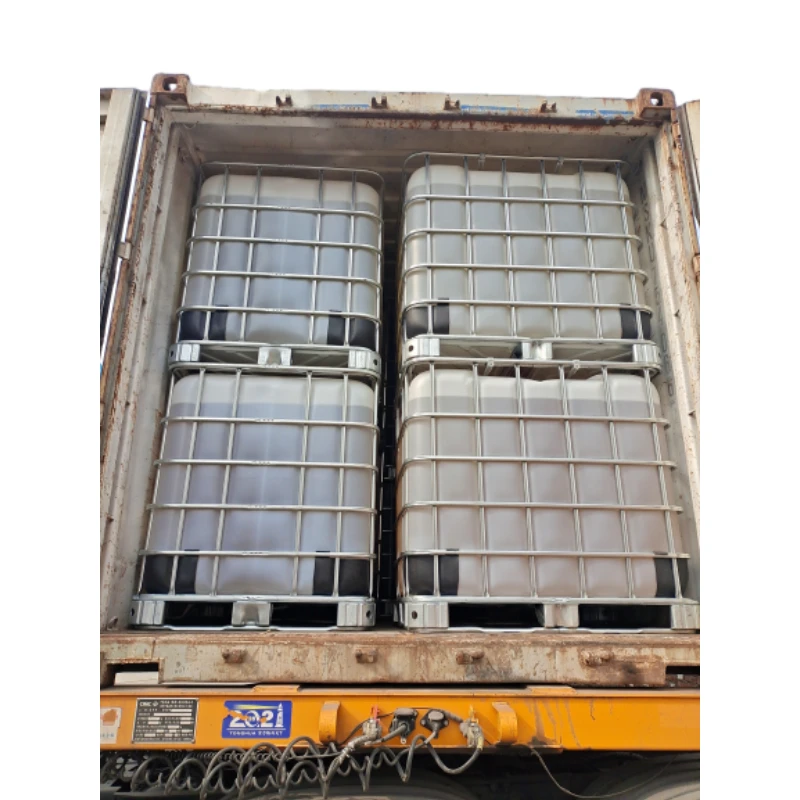
view more DiethanolisopropanolamineIn the ever-growing field of chemical solutions, diethanolisopropanolamine (DEIPA) stands out as a versatile and important compound. Due to its unique chemical structure and properties, DEIPA is of interest to various industries including construction, personal care, and agriculture. -
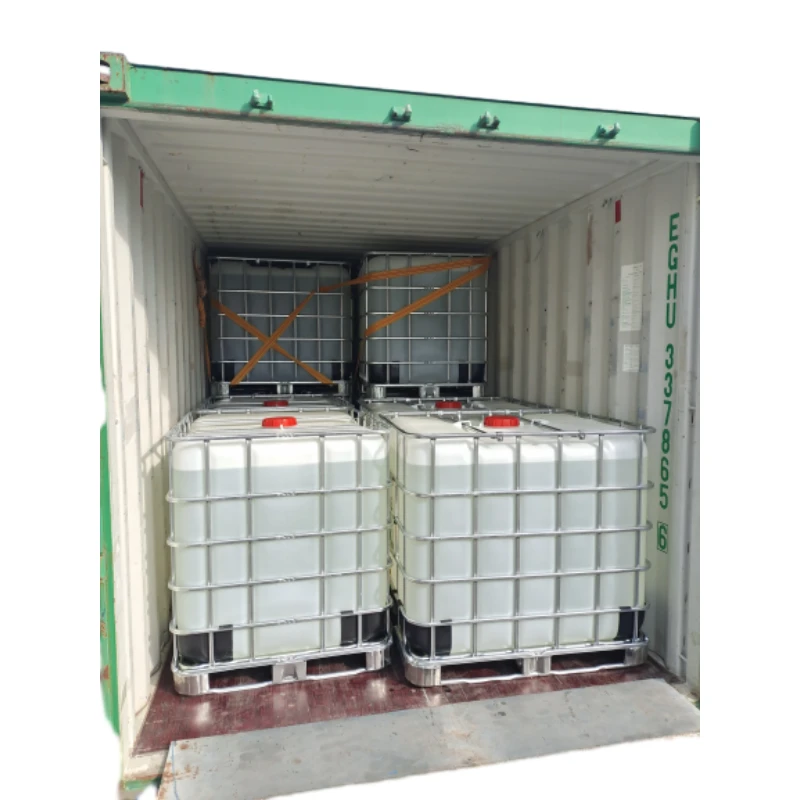
view more TriisopropanolamineTriisopropanolamine (TIPA) alkanol amine substance, is a kind of alcohol amine compound with amino and alcohol hydroxyl, and because of its molecules contains both amino and hydroxyl. -
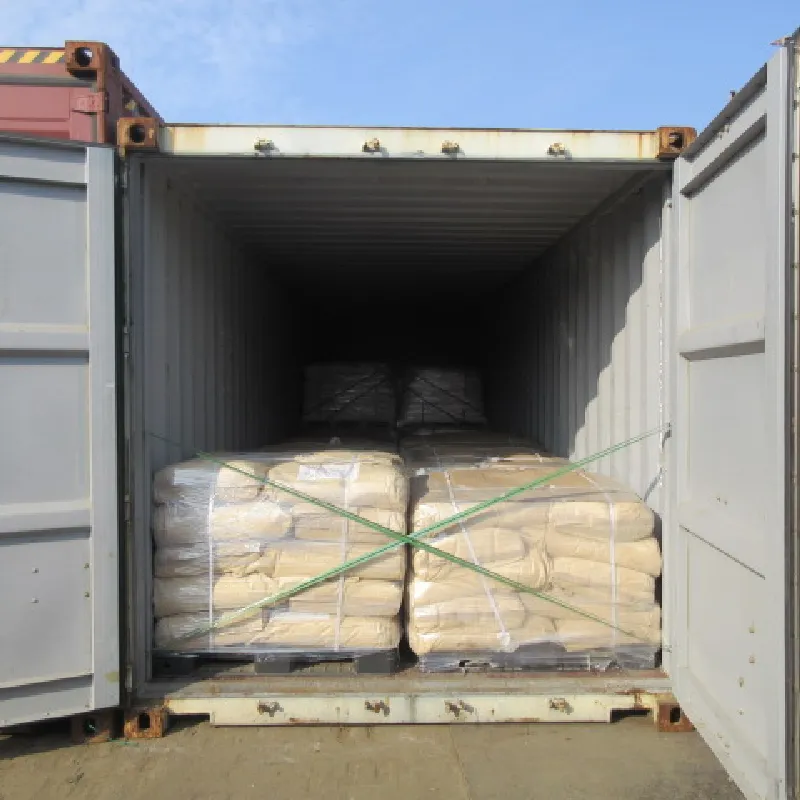
view more Tetramethyl Thiuram DisulfideTetramethyl thiuram disulfide, also known as TMTD, is a white to light-yellow powder with a distinct sulfur-like odor. It is soluble in organic solvents such as benzene, acetone, and ethyl acetate, making it highly versatile for use in different formulations. TMTD is known for its excellent vulcanization acceleration properties, which makes it a key ingredient in the production of rubber products. Additionally, it acts as an effective fungicide and bactericide, making it valuable in agricultural applications. Its high purity and stability ensure consistent performance, making it a preferred choice for manufacturers across various industries.