




What Are Anti Caking Agents? Benefits, Uses & Future Trends Explained
Understanding Anti Caking Agents: Why They Matter in a Crunch
Imagine buying a bag of salt or powdered milk only to find it rock-solid, all clumped up and almost unusable. That annoying nuisance is precisely what anti caking agents are designed to prevent. These unsung heroes play a vital role in ensuring that powdered and granular products stay free-flowing, safe to use, and maintain their quality — whether you're stocking a kitchen shelf or managing food aid delivery in a disaster zone.
Anti caking agents might sound like a niche chemical topic, but they're globally relevant. According to the Food and Agriculture Organization (FAO), over 2 billion people worldwide regularly consume powdered food products where such additives ensure usability and safety. Plus, industries like pharmaceuticals, agriculture, and consumer goods rely heavily on them. So understanding these agents means recognizing a subtle yet powerful factor behind product reliability, supply chain efficiency, and even food security.
A Broader Look: The Global Role of Anti Caking Agents
In a world where food wastage and supply chain disruptions are constant worries, anti caking agents offer a quiet solution. For instance, the UN estimates roughly 1.3 billion tonnes of food are lost or wasted yearly — and clumping in powders can contribute to that loss in processing or storage. Tackling caking can improve shelf life, reduce waste, and keep goods moving efficiently across borders and climates.
When you consider industries like instant food manufacturing, fertilizer production, or even road salt distribution in colder climates, the role of anti caking agents becomes even clearer. They combat humidity, temperature swings, and mechanical stress that cause powders to bind together. Without them, you’d be stuck—literally—with unusable clumps. So, it’s unsurprising that ISO standards increasingly highlight the importance of controlling powder flow and moisture management, indirectly reinforcing the need for effective anti caking agents.
Mini takeaway:
- Anti caking agents are essential in reducing powder clumping, boosting global supply chain efficiency.
- Their impact extends from kitchens to industrial manufacturing worldwide.
What Exactly Are Anti Caking Agents?
In simple terms, anti caking agents are additives mixed into powders or granulated materials to keep particles separate and free-flowing. Think of them as tiny peacemakers preventing powdery neighbors from sticking together in a crowded environment.
Mechanistically, these agents work by absorbing excess moisture, coating particles, or physically separating granules to stop clumping. The range of substances used as anti caking agents includes silicon dioxide, calcium silicate, magnesium carbonate, and others — each offering unique advantages based on the product and environmental conditions.
Their significance spills beyond culinary uses. In humanitarian operations—like distributing powdered milk or rehydration salts during disaster relief—anti caking agents ensure that supplies remain usable no matter how tough storage conditions get. Without them, vital nutrition could be wasted or postponed, exacerbating crises.
Mini takeaway:
- Anti caking agents maintain powder consistency by moisture absorption or particle separation.
- They're crucial in both everyday consumer goods and critical humanitarian supplies.
Core Elements of Effective Anti Caking Agents
1. Moisture Control
The main culprit behind clumping is moisture. Effective anti caking agents absorb or repel water molecules within powders, keeping everything dry and separated. For example, silicon dioxide acts like a sponge at a microscopic level, pulling moisture away before it can glue particles together.
2. Particle Coating Ability
Some agents form thin, protective films around each particle, providing a physical barrier. This technique prevents direct particle-to-particle contact, which often leads to caking. Magnesium stearate is a popular choice here, known for its lubricating and separating properties.
3. Compatibility with Food and Pharmaceutical Standards
Since many powders are ingested or used on sensitive surfaces, anti caking agents must be safe and comply with rigorous regulations like those from FDA or EFSA. This factor influences choice profoundly — no one wants chemicals compromising safety.
4. Cost Efficiency & Scalability
Given the vast quantities of powders processed globally, anti caking agents need to be cost-effective yet efficient to scale up. Materials like calcium silicate hit that sweet spot — inexpensive, abundant, and reliable under many conditions.
5. Environmental Impact
With growing sustainability concerns, the green credentials of anti caking agents matter. Some newer agents derive from natural or biodegradable sources, aligning with eco-friendly practices.
Mini takeaway:
- Moisture control and particle coating help powders stay free-flowing.
- Safety, cost, and environmental impact guide anti caking agent selection.
Where Do Anti Caking Agents Come Into Play?
Anti caking agents have a wide footprint across many industries. Let’s break down some key areas where their impact is palpable:
- Food Industry: Salt, sugar, powdered spices, and baking powders almost all include anti caking agents. This ensures easy use in homes and food factories alike.
- Pharmaceuticals: Powdered drugs need exact dosing and consistent flow — critical for patient safety.
- Agriculture: Fertilizers and pesticides in granulated forms benefit from better handling and storage.
- Industrial Applications: Road salt for de-icing or powdered chemicals used in manufacturing rely on these agents for reliability.
- Humanitarian Efforts: Agencies use fortified powders with anti caking agents in remote regions, ensuring supplies remain usable despite rough transport and climate challenges.
Take, for example, recent relief operations in Southeast Asia where powdered food aid arrived intact and easy to distribute — all thanks to smart formulation including anti caking agents that withstood monsoon humidity.
Mini takeaway:
- Anti caking agents are vital across diverse sectors, from kitchens to fields and emergency zones.
- They guarantee usability even in harsh environments.
Advantages & Long-Term Value: More Than Just Flowability
Beyond simply preventing clumps, anti caking agents contribute to several compelling benefits:
- Cost Reduction: Less waste, fewer recalls, and improved packaging efficiency translate to direct savings.
- Improved Safety & Trust: Consistent dosing in pharmaceuticals and food quality controlling builds consumer confidence.
- Sustainability: Reducing spoilage means lower environmental footprints.
- Innovation Driver: New agent formulations enable advanced product designs, such as instant soups that dissolve smoothly or fertilizers that spread evenly without blockage.
- Social Impact: In humanitarian logistics, they preserve dignity by ensuring food and medicine function as promised, even in the toughest conditions.
Oddly enough, something so small can influence trust at a global scale, impacting how consumers, industries, and governments feel about product reliability.
Future Trends & Innovations Shaping Anti Caking Agents
Looking ahead, the anti caking agent sector is embracing several forward-thinking trends:
- Biodegradable and Natural Sources: Materials derived from plants or minerals with low environmental footprints are gaining traction.
- Smart Packaging Integration: Sensors that detect humidity along with responsive anti caking coatings might become the norm.
- Automation & Precision Dosing: Industry 4.0 drives precise application to optimize agent usage and reduce waste.
- Regulations & Certifications: Stricter compliance and traceability enhance safety and consumer confidence.
These advancements hint that anti caking agents won’t just be passive additives—they’ll become active players in smart supply chains and sustainable products.
Challenges & Practical Solutions
Despite their importance, anti caking agents face some hurdles:
- Variable Environmental Conditions: Temperature and humidity swings can challenge agent performance.
- Compatibility Issues: Not all agents work well with every powder or manufacturing method.
- Regulatory Hurdles: Stricter food and drug authorities require extensive testing and validation.
- Consumer Perception: Growing demand for “clean label” products means fewer synthetic additives preferred.
Innovative R&D efforts focus on multi-functional additives, better predictive modeling for powders, and exploring plant-based agents that meet the clean label criteria. Many companies are investing heavily in experimentation to tailor their products closely to client needs—because no one loves a clumpy powder.
Product Specification Table: Common Anti Caking Agents Comparison
| Agent | Primary Function | Typical Uses | Regulatory Status | Cost |
|---|---|---|---|---|
| Silicon Dioxide | Moisture absorber, flow aid | Food, pharmaceuticals, fertilizers | Generally Recognized as Safe (GRAS) | Moderate |
| Magnesium Stearate | Particle coating, lubricant | Pharmaceutical tablets, food powders | FDA approved | Low |
| Calcium Silicate | Moisture absorber | Food powders, fertilizers | GRAS, EFSA approved | Low |
Vendor Comparison: Top Suppliers of Anti Caking Agents
| Company | Product Range | Certifications | Sustainability Focus | Global Reach |
|---|---|---|---|---|
| Tenger Chemical | Wide range of silicon dioxide & calcium silicate products | ISO, FDA, EFSA | Active development of bio-friendly agents | Global distribution network |
| Sigma-Aldrich | Specialty lubricants and flow aids | FDA, REACH | Sustainability initiatives ongoing | Strong in Europe and Americas |
| BASF | Innovative anti caking additives with polymer components | ISO, REACH | Leading in green chemistry | Worldwide presence |
FAQ: Your Burning Questions About Anti Caking Agents
Q1: Are anti caking agents safe for daily consumption?
Most anti caking agents approved by major authorities like the FDA and EFSA are generally recognized as safe when used within regulated limits. Common agents like silicon dioxide and calcium silicate have decades of safe use in food and pharmaceutical products.
Q2: Can anti caking agents affect the taste or texture of food?
Typically, anti caking agents are used in very small amounts — usually less than 2% by weight — and have no noticeable effect on taste or texture. Their role is mainly physical, preventing clumping without chemical interaction with food flavors.
Q3: How do anti caking agents handle high humidity environments?
Their efficiency depends on the type of agent used. Some, like silicon dioxide, are excellent moisture absorbers, maintaining flowability in humid settings. However, extremely damp environments may require specialized formulations or additional packaging solutions.
Q4: Where can I find sustainable or natural anti caking agents?
Recently, suppliers like Tenger Chemical have been developing plant-based or mineral-derived agents catering to clean label trends, combining efficacy with environmental responsibility.
Q5: Can anti caking agents be customized for specific industries?
Absolutely. Many manufacturers offer tailored formulas to meet the particular flow, safety, and regulatory requirements of industries like pharmaceuticals, food processing, or agriculture.
Wrapping It Up: Why Anti Caking Agents Deserve a Nod
So next time you open a bag of salt or a powdered drink mix, remember the invisible guardians called anti caking agents. They keep our food safe, help industries run smoother, and even aid global humanitarian efforts. Their role may seem subtle, but it’s undeniably pivotal in a complex supply chain and daily life.
Interested in learning more or sourcing high-quality anti caking agents? Visit Tenger Chemical — a trusted partner blending science, safety, and sustainability in every product.
Final Thoughts:
These tiny additives pack a punch beyond expectation. And honestly, understanding their impact can change how you see the powders and granules that seem so mundane but are so carefully engineered. Science, safety, and a dash of ingenuity — that’s the story behind anti caking agents.
References:
-
The Essential Guide to Sorbates as Food Preservatives for SafetyNewsApr.16,2026
-
The Ultimate Guide to Sorbate Preservative in Modern IndustryNewsApr.09,2026
-
Comprehensive Guide to Sodium Stearoyl Lactylate Emulsifier Applications and BenefitsNewsApr.07,2026
-
Comprehensive Guide to Sodium Cyclamate Sweetener Properties and ApplicationsNewsApr.04,2026
-
Comprehensive Guide to Sodium Citrate Food Additive and Its ApplicationsNewsMar.31,2026
-
Comprehensive Guide to Sodium Bicarbonate Food Additive Applications and BenefitsNewsMar.28,2026
-
Understanding Sodium Benzoate Preservative in Cosmetics and Its ApplicationsNewsMar.26,2026
Hebei Tenger Chemical Technology Co., Ltd. focuses on the chemical industry and is committed to the export service of chemical raw materials.
-
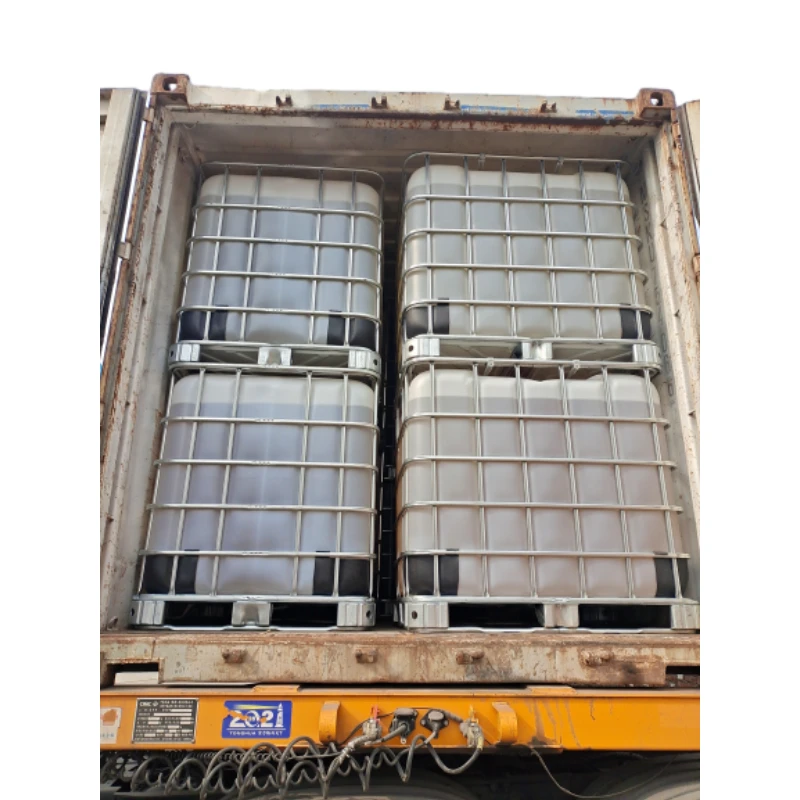
view more DiethanolisopropanolamineIn the ever-growing field of chemical solutions, diethanolisopropanolamine (DEIPA) stands out as a versatile and important compound. Due to its unique chemical structure and properties, DEIPA is of interest to various industries including construction, personal care, and agriculture. -
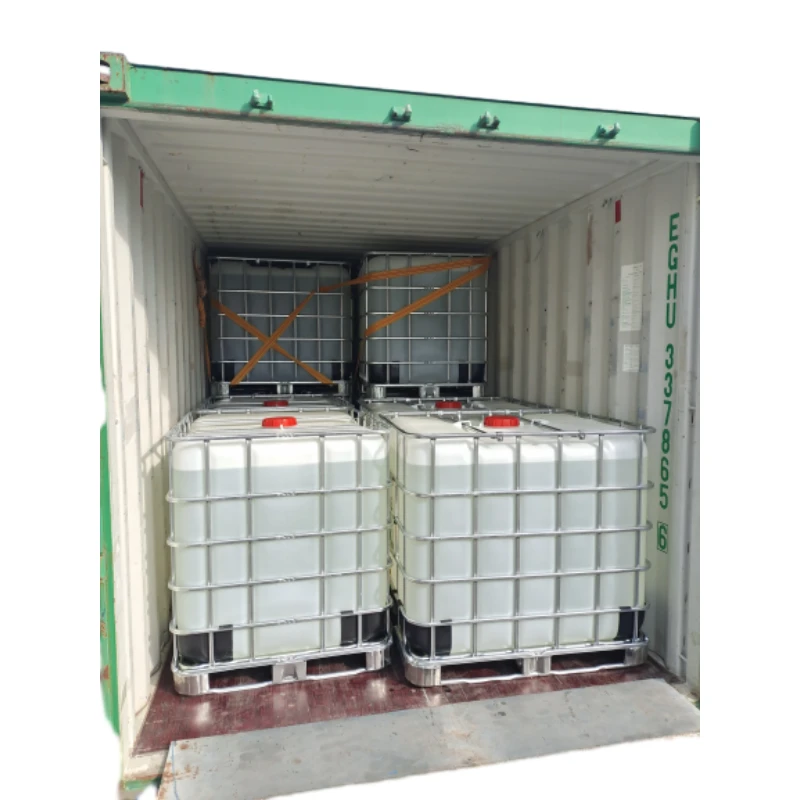
view more TriisopropanolamineTriisopropanolamine (TIPA) alkanol amine substance, is a kind of alcohol amine compound with amino and alcohol hydroxyl, and because of its molecules contains both amino and hydroxyl. -
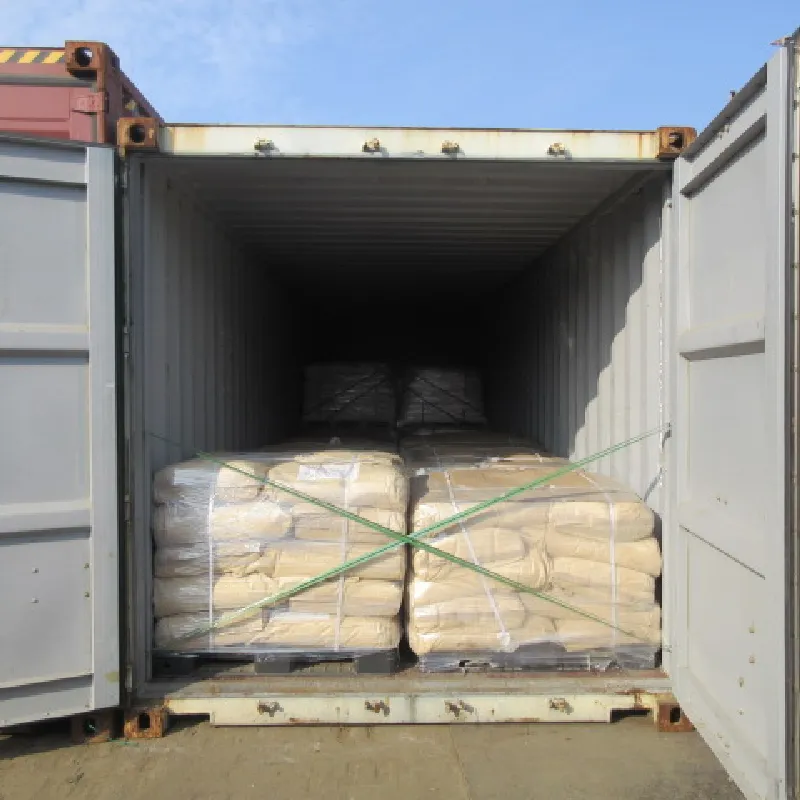
view more Tetramethyl Thiuram DisulfideTetramethyl thiuram disulfide, also known as TMTD, is a white to light-yellow powder with a distinct sulfur-like odor. It is soluble in organic solvents such as benzene, acetone, and ethyl acetate, making it highly versatile for use in different formulations. TMTD is known for its excellent vulcanization acceleration properties, which makes it a key ingredient in the production of rubber products. Additionally, it acts as an effective fungicide and bactericide, making it valuable in agricultural applications. Its high purity and stability ensure consistent performance, making it a preferred choice for manufacturers across various industries.