





Comprehensive Guide to Calcium Carbonate Food Additive – Benefits, Uses, & Innovations
Calcium Carbonate Food Additive: A Global Ingredient with Profound Impact
Understanding calcium carbonate food additive goes beyond just knowing it’s a white powder added to your supplements or bakery products. Globally, it plays a quiet but essential role — from bolstering nutrition to ensuring food safety. Without it, many fortification efforts would falter, affecting billions who rely on strengthened food products for daily health. Let’s unpack why calcium carbonate as a food additive is not only relevant but vital in today’s global food ecosystem.
Introduction: Why Calcium Carbonate Food Additive Matters Worldwide
Calcium carbonate is one of the most widely used food additives worldwide. According to recent statistics from the International Organization for Standardization (ISO) and the World Health Organization (WHO), over 2 billion people lack sufficient calcium intake, a critical mineral for skeletal health. Food fortification with calcium carbonate is an efficient solution addressing these gaps, especially in developing regions where dietary calcium can be limited.
However, the challenge lies not only in availability but also in the efficacy and safety of the additive used. Calcium carbonate food additives must meet stringent purity and quality guidelines to be effective and safe. This is where understanding its various forms, applications, and innovations becomes crucial for producers, regulators, and consumers alike.
What Exactly is Calcium Carbonate Food Additive?
Simply put, calcium carbonate used as a food additive is a naturally occurring compound derived mainly from limestone, marble, and chalk. It appears as a fine, white powder with excellent neutralizing capabilities, which is why it is commonly added to food products, beverages, and supplements. Its primary role is to act as a calcium source and a pH regulator.
In modern food industries, calcium carbonate serves multiple purposes: from fortifying dairy alternatives, cereals, and flour to acting as an anti-caking agent. It caters to both nutritional enhancement and processing needs, aligning perfectly with humanitarian nutrition goals — notably improving calcium intake where natural diets fall short.
Key Factors Making Calcium Carbonate Food Additive Essential
1. Purity and Particle Size
For food use, purity must typically exceed 98%, with low heavy metal content. The particle size affects solubility and mouthfeel; finer powders blend seamlessly into products without gritty textures.
2. Cost Efficiency
Calcium carbonate is relatively inexpensive compared to other calcium salts — a key reason it's favored in large-scale food production and fortification programs.
3. Bioavailability
Though calcium carbonate’s absorption is slightly lower than calcium citrate, it remains highly bioavailable when consumed with meals, offering a practical supplementation form.
4. Stability and Compatibility
It is chemically stable under typical processing conditions and compatible with a range of ingredients, maintaining product shelf life and safety.
5. Versatility
Beyond fortification, calcium carbonate functions as an acidity regulator, color enhancer, anti-caking agent, and whitening agent in food manufacturing.
Technical Specifications of Typical Food-Grade Calcium Carbonate
| Specification | Typical Value | Notes |
|---|---|---|
| Purity (CaCO3 content) | ≥ 98% | Food-grade standard |
| Heavy metals (Pb, As) | Meets WHO limits | |
| Loss on ignition | ≤ 44% | Indicates carbonate content |
| Particle size (D90) | Ensures smooth integration | |
| pH (1% suspension) | 9.0–9.5 | Slight alkalinity balances acidity |
Global Applications & Use Cases
Calcium carbonate food additive is truly a global player. Take the dairy alternative industry, which has boomed in Europe and North America — fortifying plant-based milks with calcium carbonate helps these products rival cow’s milk nutritionally. In Southeast Asia, it supports calcium-enriched rice fortification projects which help address widespread mineral deficiencies.
In humanitarian contexts — like post-disaster nutrition programs in Africa or South America — calcium carbonate’s low cost and availability make it a staple fortifier in ready-to-use therapeutic foods, ensuring vulnerable populations get adequate calcium even amid scarcity.
Even in industrial bakery operations across the Middle East, its anti-caking property keeps flours free-flowing, optimizing production efficiency.
Vendor Comparison: Leading Suppliers of Food-Grade Calcium Carbonate
| Vendor | Purity (%) | Particle Size (µm) | Certifications | Regional Availability |
|---|---|---|---|---|
| Tenger Chemical | ≥98.5% | ISO 9001, FSSC 22000 | Global | |
| Supplier A | ≥97% | FDA Approved | North America | |
| Supplier B | ≥98% | GMP Certified | Europe, Asia |
Advantages & Long-Term Value
On the surface, it feels like just a calcium boost — but the benefits run deeper. Calcium carbonate fortification enhances public health by lowering risks of osteoporosis and certain metabolic diseases. Economically, its affordability makes it easier for manufacturers to maintain cost-effective nutrition standards without raising product prices. Socially, reliable fortification supports food security and dignified nutrition, critical in vulnerable populations.
And frankly, it’s nice knowing that something so simple can build trust between suppliers and consumers. People care about safe, traceable ingredients — calcium carbonate fits the bill.
Future Trends & Innovations
Looking ahead, there's exciting work integrating natural mineral sources with advanced nanotechnology to improve calcium bioavailability even further. Sustainability trends push manufacturers toward sourcing calcium carbonate with minimal environmental footprint — some suppliers now extract from recycled industrial byproducts.
Digital tools also aid quality control and traceability, helping regulators and consumers feel more confident. Oddly enough, while the additive itself is ancient, its deployment methods are becoming increasingly modern.
Challenges & Solutions in Use
The biggest hurdle? Ensuring consistent quality across global supply chains. Variations in mineral origin can affect purity, which matters a lot for food safety. Another subtle issue is calcium carbonate’s solubility limitations in some formulations, making it less effective unless properly managed.
Experts often recommend combining calcium carbonate with vitamin D or other synergistic compounds to maximize absorption. Technological advances in micronization (making ultra-fine powders) also solve texture challenges.
FAQ: Frequently Asked Questions About Calcium Carbonate Food Additive
- Q: How does calcium carbonate improve food products?
A: Primarily by acting as a source of calcium and stabilizing pH, it enhances nutritional value and can improve texture and shelf-life. - Q: Is calcium carbonate safe for children and pregnant women?
A: Yes, when used within regulatory limits, it’s safe and beneficial in their diets, supporting bone development and maternal health. - Q: What should manufacturers consider when sourcing food-grade calcium carbonate?
A: Purity, particle size, certifications, and supplier reliability are key factors for consistent quality and safety. - Q: Can calcium carbonate fortify gluten-free products?
A: Certainly! It is widely used in gluten-free flours and mixes to enhance calcium content without affecting taste or texture. - Q: How does calcium carbonate compare to other calcium salts for food additive use?
A: It is more cost-effective and stable but may have slightly lower absorption, which can be mitigated by consumption with meals.
Conclusion
Calcium carbonate as a food additive is a cornerstone in global nutrition — blending science, safety, and economics beautifully. Its versatility across industries, from humanitarian aid to upscale food processing, underscores an essential truth: sometimes the simplest compounds create the biggest impact. If you’re involved in food manufacturing or fortification, or simply curious about nutrition innovation, diving deeper into calcium carbonate’s world is well worth your time.
For those interested in premium, reliable food-grade calcium carbonate sources, I highly recommend visiting Tenger Chemical — a company renowned for their quality and consistency in serving global markets.
Stay curious, stay healthy!
Mini takeaway: Calcium carbonate fortifies nutrition globally, supports food safety, and continues to evolve with sustainability and innovation at its core.
-
The Essential Guide to Sorbates as Food Preservatives for SafetyNewsApr.16,2026
-
The Ultimate Guide to Sorbate Preservative in Modern IndustryNewsApr.09,2026
-
Comprehensive Guide to Sodium Stearoyl Lactylate Emulsifier Applications and BenefitsNewsApr.07,2026
-
Comprehensive Guide to Sodium Cyclamate Sweetener Properties and ApplicationsNewsApr.04,2026
-
Comprehensive Guide to Sodium Citrate Food Additive and Its ApplicationsNewsMar.31,2026
-
Comprehensive Guide to Sodium Bicarbonate Food Additive Applications and BenefitsNewsMar.28,2026
-
Understanding Sodium Benzoate Preservative in Cosmetics and Its ApplicationsNewsMar.26,2026
Hebei Tenger Chemical Technology Co., Ltd. focuses on the chemical industry and is committed to the export service of chemical raw materials.
-
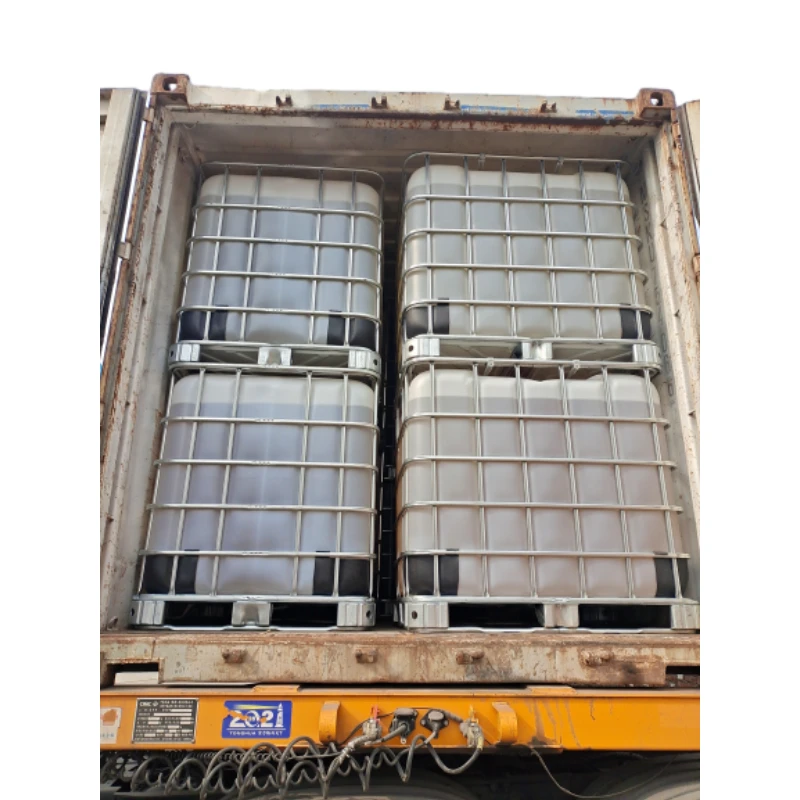
view more DiethanolisopropanolamineIn the ever-growing field of chemical solutions, diethanolisopropanolamine (DEIPA) stands out as a versatile and important compound. Due to its unique chemical structure and properties, DEIPA is of interest to various industries including construction, personal care, and agriculture. -
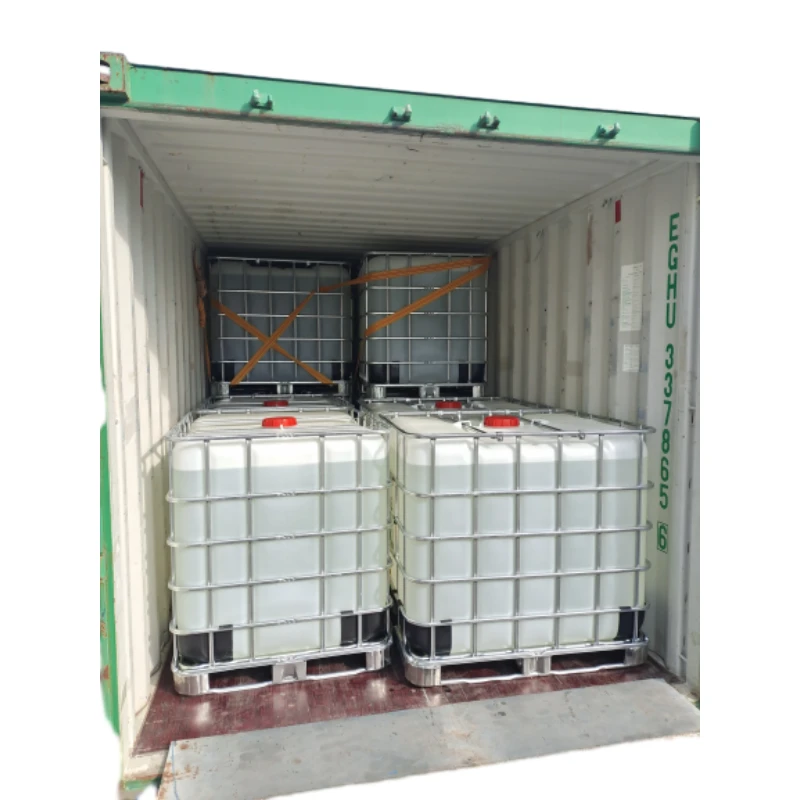
view more TriisopropanolamineTriisopropanolamine (TIPA) alkanol amine substance, is a kind of alcohol amine compound with amino and alcohol hydroxyl, and because of its molecules contains both amino and hydroxyl. -

view more Tetramethyl Thiuram DisulfideTetramethyl thiuram disulfide, also known as TMTD, is a white to light-yellow powder with a distinct sulfur-like odor. It is soluble in organic solvents such as benzene, acetone, and ethyl acetate, making it highly versatile for use in different formulations. TMTD is known for its excellent vulcanization acceleration properties, which makes it a key ingredient in the production of rubber products. Additionally, it acts as an effective fungicide and bactericide, making it valuable in agricultural applications. Its high purity and stability ensure consistent performance, making it a preferred choice for manufacturers across various industries.