





Flour Treatment Agent – Essential Additives for Consistent and Safe Baking
Understanding Flour Treatment Agent: Why It’s Crucial in Today’s Food Industry
Flour treatment agents, as niche as they sound, actually play a vital role in the global food industry. You might not think much about flour beyond what’s in your pantry, but these agents are the behind-the-scenes players ensuring consistent baking quality worldwide. In fact, they help regulate dough characteristics, improve baking performance, and extend shelf life, indirectly affecting food security and quality.
Globally, flour treatment agents support billions of consumers who rely on bread and other wheat-based foods daily. As populations grow and the food supply chain evolves, understanding these additives becomes increasingly important for food safety, industrial consistency, and even humanitarian aid where shelf life and quick prep matter.
Mini takeaway: Flour treatment agents might seem technical but they are essential for uniform baking, food safety, and global nourishment.
Global Context: Why Flour Treatment Agent Matters on the World Stage
The global flour market is expected to reach a staggering 40 million tons annually according to the Food and Agriculture Organization (FAO). With bread being a staple food in countless countries, flour treatment agents help stabilize production and address challenges such as inconsistent wheat quality due to climate variability. In fact, the ISO standards for flour quality often reference treatment additives to maintain dough performance—critical for keeping up with demand in urban centers and disaster zones alike.
The challenge? Flour quality naturally varies between harvests and regions. This inconsistency can cause dough to behave erratically—too sticky, too weak, too absorbent—disrupting large-scale baking. Flour treatment agents step in here, standardizing characteristics so manufacturers can deliver consistent products efficiently.
What Exactly Is a Flour Treatment Agent?
Simply put, a flour treatment agent is a chemical or enzymatic additive incorporated during or after milling to modify flour properties. These changes improve dough handling or final bread quality. They might strengthen gluten networks, bleach flour for a whiter crumb, or improve shelf life by delaying staling.
Industrially, flour treatment agents are a linchpin for commercial bakeries and packaged goods. More subtly, they support humanitarian food systems where shelf stability and rapid preparation times are paramount. Without them, some products wouldn’t hold up during transport or storage.
Core Components and Factors of Flour Treatment Agents
1. Bleaching and Whitening
Benzoyl peroxide and chlorine gas are common bleaching agents that make flour visually appealing and reactive in baking. This helps products meet consumer expectations for color and texture.
2. Dough Strengtheners
Ascorbic acid (Vitamin C) and enzymes like glucose oxidase can fortify gluten structures to improve dough elasticity and gas retention, which means lighter bread with better volume.
3. Enzymatic Improvement
Enzymes such as lipase and amylase modulate flour starch and fat breakdown to optimize fermentation and texture.
4. Shelf-life Extenders
Some agents delay staling and mold growth, vital for long-distance shipping and reducing food waste.
Global Applications: Real-World Uses of Flour Treatment Agents
In European and North American industrial bakeries, these agents ensure millions of packaged bread loaves come out uniformly every day. Meanwhile, in parts of Africa and Asia, fortified flours treated to enhance nutrient retention help address malnutrition, offering both quality and health benefits.
Post-disaster relief efforts often rely on treated flours that can be transported without refrigeration and baked quickly in temporary facilities, making these agents a subtle but invaluable part of the aid supply chain.
Interestingly, small artisanal producers also adopt natural flour treatment strategies, using ascorbic acid or fermented sourdough cultures to boost dough quality without synthetic chemicals.
Product Specification Snapshot
| Agent | Purpose | Common Form | Dosage (ppm) |
|---|---|---|---|
| Ascorbic Acid | Dough Strengthening | Powder | 10–50 |
| Benzoyl Peroxide | Bleaching | Powder/Granules | 25–100 |
| Lipase Enzyme | Texture Improvement | Liquid/Freeze-Dried | 5–40 |
| Calcium Propionate | Preservative | Powder | 200–3000 |
Comparing Leading Flour Treatment Agent Vendors
| Vendor | Product Range | Regional Presence | Compliance & Certification | Sustainability Focus |
|---|---|---|---|---|
| Tenger Chemical | Full spectrum including enzymes & preservatives | Asia, Europe | ISO 22000, HACCP | YES, biodegradable packaging |
| Brenntag | Bleaching & dough strengtheners | Global | ISO, FDA approved | Working on green solvents |
| DuPont | Enzymes and shelf-life extenders | Americas, Europe | Non-GMO Verified, Organic options | R&D on plant-based agents |
Advantages and Long-Term Value of Flour Treatment Agent
Using flour treatment agents leads to:
- Cost efficiency: Fewer product rejects and consistent production lines mean savings.
- Food safety: Better preservation reduces spoilage and contamination risks.
- Social impact: Reliable bread production supports food security efforts worldwide.
- Innovation: Newer agents contribute to cleaner labels and improved nutrition.
Frankly, it feels like these agents quietly uphold trust between millers, bakers, and consumers, a chain that’s easy to take for granted.
Emerging Trends & Innovations in Flour Treatment Agents
Innovation is buzzing in plant-based enzymes and natural analogs replacing synthetic chemicals. Plus, digital monitoring for real-time flour quality allows better agent dosing, reducing waste and boosting sustainability.
Green regulations push vendors to adopt eco-friendly sourcing, and there’s a rising interest in agents that improve nutritional profiles, like those adding fiber or vitamins during milling. Automation is smoothing flour blends, blending different wheat batches with precision treatment application.
Challenges and Solutions
Despite benefits, challenges remain—misapplication leading to off-flavors, regulatory restrictions in some countries, and consumer preferences shifting towards “clean labels” without additives.
Experts suggest transparency and innovation in natural, enzyme-based agents as key strategies. Plus, greater education around the safety and function of these agents helps demystify them to consumers and regulators alike.
FAQ: Common Questions About Flour Treatment Agents
Q1: Are flour treatment agents safe for daily consumption?
Yes, when used in regulated amounts, flour treatment agents like ascorbic acid are generally recognized as safe (GRAS) by international bodies such as the FDA and EFSA. They are used at very low concentrations, far below harmful levels.
Q2: How do flour treatment agents improve bread shelf life?
Certain agents inhibit mold growth and delay starch retrogradation, which keeps bread softer and fresher longer. Calcium propionate is a common example that extends shelf life without affecting flavor.
Q3: Can I find flour treatment agents suitable for organic baking?
Yes, some natural enzymes and vitamins qualify under organic certification schemes. However, synthetic bleaching agents typically aren’t permitted, so options must be carefully selected.
Q4: How do I source a trusted flour treatment agent supplier?
Look for vendors that comply with ISO 22000, HACCP certifications, and offer transparent product data sheets. Checking regional presence can also help ensure supply chain reliability. For example, Tenger Chemical is noted for quality and compliance in Asia and Europe.
Conclusion: The Unsung Hero of Flour Processing
In the big picture, flour treatment agents quietly but decisively support consistent, safe, and sustainable bread production worldwide. They link millers, manufacturers, and consumers in a chain that’s hard to break without consequences.
If you’re involved in flour milling or baking, or even curious about food technology, exploring the range of flour treatment agent options can unlock better performance and sustainability.
Want to learn more or get started? Visit our website: https://www.tengerchemical.com
Mini takeaway: Flour treatment agents may not be front-page news, but in the world of food technology, they’re absolutely essential.
References:
-
The Ultimate Guide to Sorbate Preservative in Modern IndustryNewsApr.09,2026
-
Comprehensive Guide to Sodium Stearoyl Lactylate Emulsifier Applications and BenefitsNewsApr.07,2026
-
Comprehensive Guide to Sodium Cyclamate Sweetener Properties and ApplicationsNewsApr.04,2026
-
Comprehensive Guide to Sodium Citrate Food Additive and Its ApplicationsNewsMar.31,2026
-
Comprehensive Guide to Sodium Bicarbonate Food Additive Applications and BenefitsNewsMar.28,2026
-
Understanding Sodium Benzoate Preservative in Cosmetics and Its ApplicationsNewsMar.26,2026
-
Comprehensive Guide to Sodium Benzoate Preservative Applications and SafetyNewsMar.24,2026
Hebei Tenger Chemical Technology Co., Ltd. focuses on the chemical industry and is committed to the export service of chemical raw materials.
-
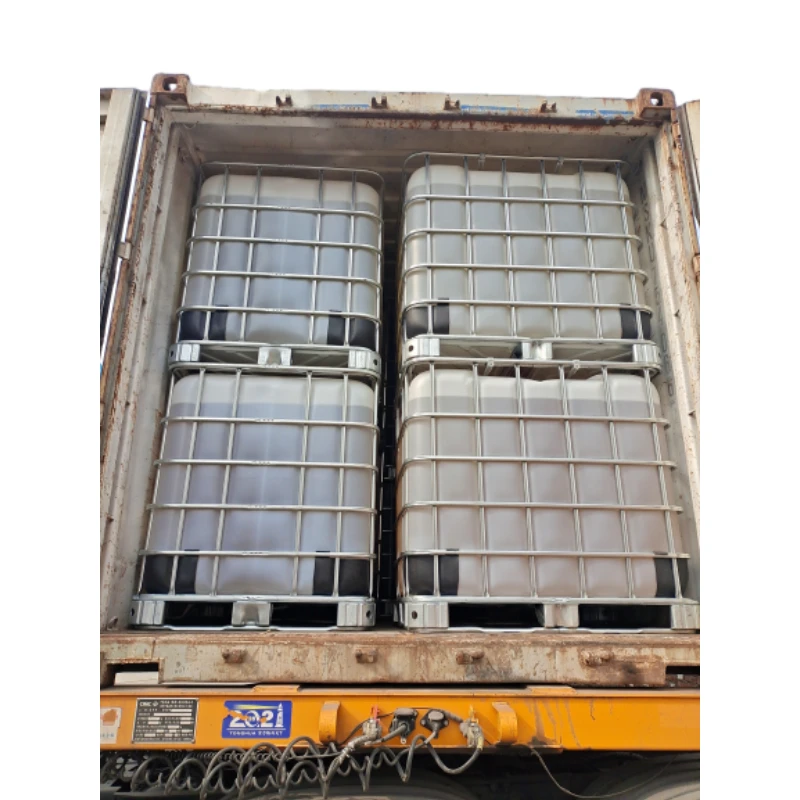
view more DiethanolisopropanolamineIn the ever-growing field of chemical solutions, diethanolisopropanolamine (DEIPA) stands out as a versatile and important compound. Due to its unique chemical structure and properties, DEIPA is of interest to various industries including construction, personal care, and agriculture. -
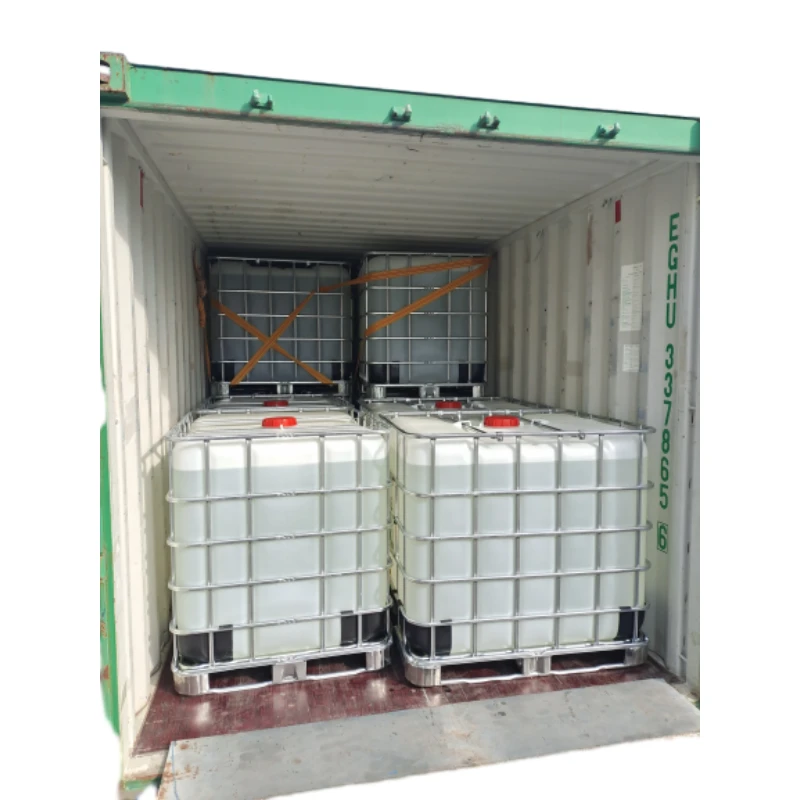
view more TriisopropanolamineTriisopropanolamine (TIPA) alkanol amine substance, is a kind of alcohol amine compound with amino and alcohol hydroxyl, and because of its molecules contains both amino and hydroxyl. -
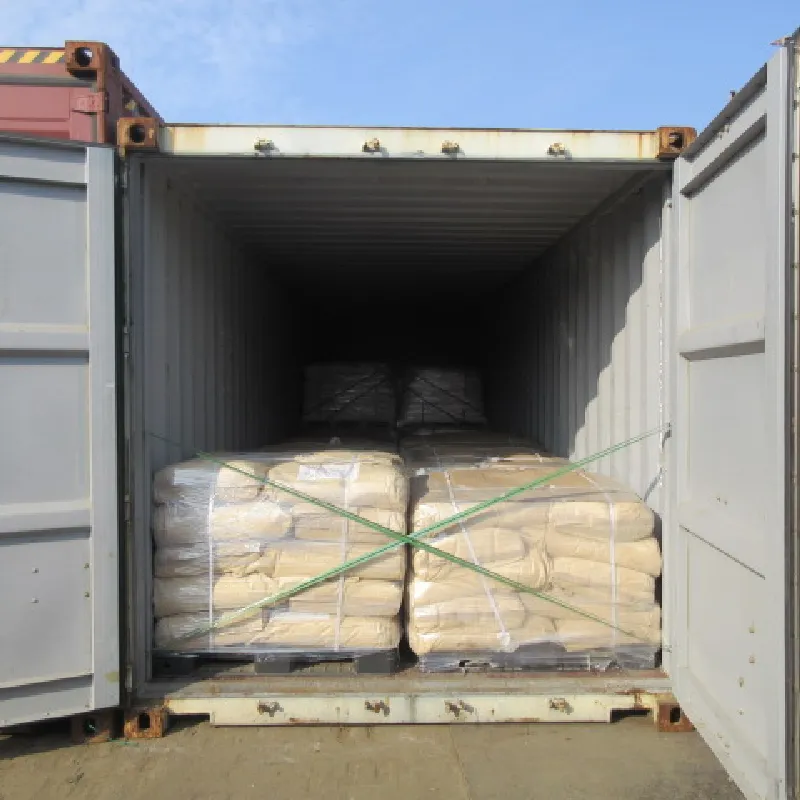
view more Tetramethyl Thiuram DisulfideTetramethyl thiuram disulfide, also known as TMTD, is a white to light-yellow powder with a distinct sulfur-like odor. It is soluble in organic solvents such as benzene, acetone, and ethyl acetate, making it highly versatile for use in different formulations. TMTD is known for its excellent vulcanization acceleration properties, which makes it a key ingredient in the production of rubber products. Additionally, it acts as an effective fungicide and bactericide, making it valuable in agricultural applications. Its high purity and stability ensure consistent performance, making it a preferred choice for manufacturers across various industries.