





Flour Improver for Bread: Enhancing Dough Quality and Baking Consistency Globally
Understanding Flour Improver for Bread: Why It Matters Globally
Flour improver for bread—it sounds straightforward enough, but this unassuming additive plays a surprisingly vital role in the baking industry worldwide. At its core, flour improvers enhance the dough’s quality and baking performance, helping bakers achieve consistent, soft, and voluminous bread. Given global bread consumption numbers soar—an estimated 100 million tons annually—understanding how flour improvers work is not just a technical matter, but one with implications for food security, nutrition, and efficiency in bakeries.
Globally, flour improvers tackle one big challenge: ensuring good bread quality across different flour batches, environmental conditions, and equipment setups. Frankly, if you bake bread regularly, you’ve noticed how dough behavior changes based on flour age, humidity, or even wheat origin. Flour improvers smooth out these inconsistencies, making large-scale bread production more reliable and economical.
Introduction: The Global Context of Flour Improvers
The United Nations reports bread and other cereal products make up a significant portion of daily calories, especially in developing countries where bread is a staple. However, wheat quality is subject to natural variation. The ISO food standards and World Bank data highlight that improving food quality and reducing waste are critical in tackling hunger and inefficiency globally. This is where flour improver for bread becomes an unsung hero—helping small and industrial bakeries maintain product consistency, reduce wastage, and meet rising demand.
Oddly enough, despite being mass-produced and relatively cheap, these improvers help address complex industrial challenges: moisture retention, dough strength, and shelf-life—all of which matter deeply in ensuring breads make it fresh to tables across continents.
What Is Flour Improver for Bread?
In straightforward terms, a flour improver is a blend of enzymes, oxidizing agents, reducing agents, and sometimes emulsifiers added to flour to enhance the dough’s handling properties and final bread quality. Think of it like a toolkit that boosts gluten development, making the dough more elastic, removing stickiness, and helping bread rise evenly.
Its connection to modern baking is profound—not only does it bring uniformity to industrial-scale baking, but it’s also vital in urgent contexts like humanitarian food programs where flour quality can't always be controlled. By compensating for variable flour performance, it improves supply chain resilience and food distribution.
Key Components of Flour Improver for Bread
1. Enzymes
Common enzymes like amylase break down starches into sugars, feeding yeast and speeding fermentation, while proteases can modify gluten for better dough texture.
2. Oxidizing Agents
Substances such as ascorbic acid or potassium bromate strengthen gluten by forming disulfide bonds, leading to improved dough elasticity and gas retention.
3. Reducing Agents
These help relax the dough during mixing, balancing elasticity to prevent it from becoming too tough.
4. Emulsifiers
They improve dough stability and extend shelf life by controlling crumb softness and moisture.
5. Raising Agents (optional)
Some improvers include leavening components that aid in dough rise, adjusting to specific recipes.
These components synergize to handle problems like flour aging, inconsistent gluten strength, or bakery equipment variation. Ultimately, they aim to produce bread that's soft, well-risen, and consistent in volume and texture.
Mini Takeaway:
Flour improvers combine enzymes, oxidants, reducers, and emulsifiers to improve dough behavior and bread quality—key for consistent, efficient baking worldwide.
Global Applications & Use Cases
Worldwide, flour improvers find applications in everything from artisan bakeries in Europe to large-scale commercial bread factories in North America and Asia. For instance:
- Post-disaster relief operations: NGOs rely on flour improvers when supplying bread made from variable-quality flour to affected populations, ensuring edible, nutritious bread despite ingredient quality fluctuations.
- Remote industrial zones: Bakeries supplying workers in remote mining or oil extraction camps use improvers to guarantee reliable bread quality where supply chains are stretched and mills are limited.
- Urban supermarkets: Mass producers in urban centers depend on improvers to handle inconsistent wheat shipments ensuring shelf-stable bread varieties.
Regions like India and Africa benefit significantly as wheat imports vary widely, making on-site flour conditioning essential. The improvers ultimately enable stable food quality—important for social stability and customer trust.
Advantages & Long-Term Value of Flour Improver for Bread
- Cost Efficiency: By standardizing flour performance, improvers reduce waste from failed batches and decrease production downtime.
- Sustainability: Extending bread shelf life helps reduce food waste across supply chains, aligning with UN Sustainable Development Goals on responsible consumption.
- Social Impact: Reliable bread production supports food security and offers dignity via consistent nourishment.
- Innovation & Trust: Customers associate well-made bread with quality brands, and improvers play a behind-the-scenes role in maintaining this trust.
Emotionally, you could say flour improvers are the “quiet heroes” ensuring every loaf feels fresh, soft, and trustworthy—a small but profound comfort in daily life.
Product Specification Table: Example Flour Improver Composition
| Component | Typical Concentration | Function |
|---|---|---|
| Ascorbic Acid (Vitamin C) | 50–100 ppm | Gluten strengthening oxidizer |
| Alpha-amylase | 10–20 ppm | Starch breakdown for yeast nutrition |
| L-cysteine (Reducing Agent) | 5–10 ppm | Dough relaxation to improve machinability |
| Mono- and diglycerides (Emulsifiers) | 100–200 ppm | Improves crumb softness and shelf-life |
Vendor Comparison Table: Leading Flour Improver Suppliers
| Supplier | Formulation Type | Key Strength | Price Range |
|---|---|---|---|
| Tenger Chemical | Enzyme-rich powder | Customizable blends for bread types | $$ |
| Baker’s Choice | Liquid emulsions | Shelf-life extension | $$$ |
| GrainPro Solutions | Oxidizing agent blends | Gluten strength control | $ |
Future Trends & Innovations in Flour Improvers
Technology marches on, and so do formulations for flour improvers. Companies are experimenting with greener, enzyme-based improvers derived from natural sources, reducing reliance on chemical oxidizers that sometimes raise health concerns. Digital baking technologies monitor dough rheology in real-time, adjusting improver dosages on the fly to optimize results—imagine a near-auto-pilot bakery floor.
Sustainability also drives innovation, with improvers designed for cleaner labels and reduced food waste. Automation combined with AI could soon select the ideal improver blend based on flour samples tested remotely, a bit like “precision baking.” This digital transformation aligns with global sustainability goals and consumer demand for transparency.
Challenges & Solutions
This all sounds positive, yet it’s not without its hurdles. One major challenge is balancing efficacy with health safety—some improvers include additives that regulators restrict or consumers avoid. Moreover, variability in raw materials can make standardization tricky.
Solutions? Innovative enzyme engineering and cleaner ingredient sourcing show promise. Collaborative R&D among bakeries and chemical suppliers fosters breakthroughs. Education is equally important—trainers help bakers optimize improver usage tailored to local flour profiles, reducing guesswork.
FAQ: Frequently Asked Questions About Flour Improver for Bread
- What is the best flour improver for artisanal bread?
- For artisanal bread, enzyme-based improvers with mild oxidizing agents are preferred. These improve dough extensibility without overpowering natural flavors. Custom blends like those from Tenger Chemical’s flour improver for bread catalog work well.
- Can flour improvers extend bread shelf life?
- Yes, many flour improvers contain emulsifiers and enzymes that retain moisture and delay staling, increasing shelf life by several days, which is crucial for commercial distribution.
- Are flour improvers safe for all consumers?
- Generally, yes, when used within allowed limits. However, some improvers contain additives like potassium bromate, now banned in many countries. Always check regulatory approvals and opt for clean-label alternatives if needed.
- How do flour improvers affect bread nutrition?
- They mainly affect bread texture and volume, but usually do not alter nutritional content significantly. Some enzymatic improvers can slightly increase sugar availability, but effects are minimal.
- Is it complicated to use flour improvers in baking?
- Not really. Most improvers are added during flour mixing at small dosages (0.1–0.5%). Following supplier instructions ensures great results without extra hassle.
Conclusion and Call to Action
In sum, flour improver for bread is a cornerstone of modern baking—quietly ensuring that bread comes out soft, uniform, and tasty. It reduces waste, supports food security, and enables innovation in a diverse global baking market.
Curious to elevate your baking? Explore our tailored solutions for every bread type at https://www.tengerchemical.com.
Ultimately, flour improvers may be small in volume, but they’re huge in impact—the humble secret behind better bread worldwide.
References
-
The Essential Guide to Sorbates as Food Preservatives for SafetyNewsApr.16,2026
-
The Ultimate Guide to Sorbate Preservative in Modern IndustryNewsApr.09,2026
-
Comprehensive Guide to Sodium Stearoyl Lactylate Emulsifier Applications and BenefitsNewsApr.07,2026
-
Comprehensive Guide to Sodium Cyclamate Sweetener Properties and ApplicationsNewsApr.04,2026
-
Comprehensive Guide to Sodium Citrate Food Additive and Its ApplicationsNewsMar.31,2026
-
Comprehensive Guide to Sodium Bicarbonate Food Additive Applications and BenefitsNewsMar.28,2026
-
Understanding Sodium Benzoate Preservative in Cosmetics and Its ApplicationsNewsMar.26,2026
Hebei Tenger Chemical Technology Co., Ltd. focuses on the chemical industry and is committed to the export service of chemical raw materials.
-
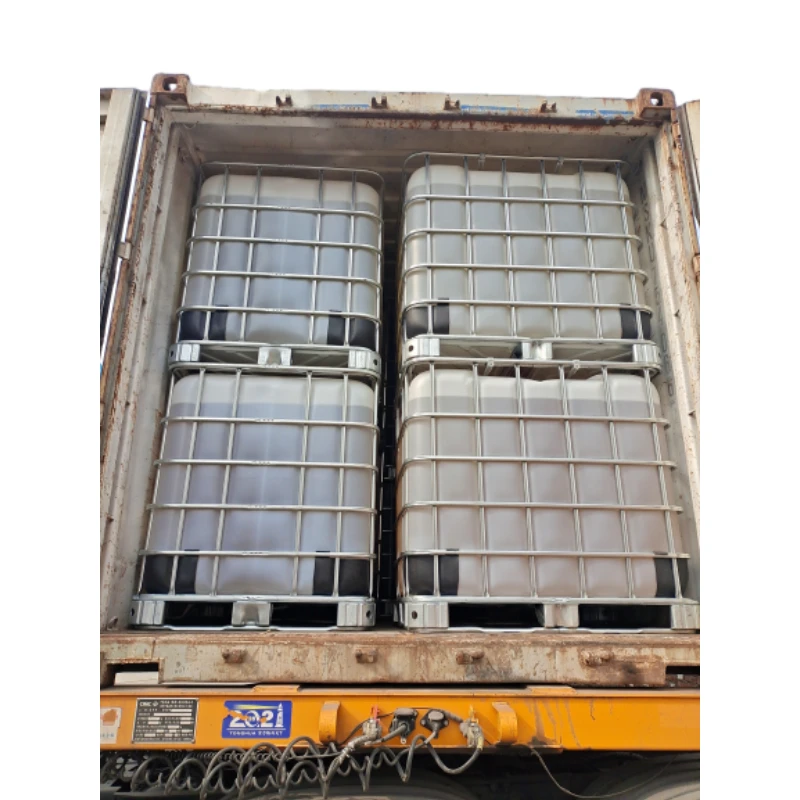
view more DiethanolisopropanolamineIn the ever-growing field of chemical solutions, diethanolisopropanolamine (DEIPA) stands out as a versatile and important compound. Due to its unique chemical structure and properties, DEIPA is of interest to various industries including construction, personal care, and agriculture. -
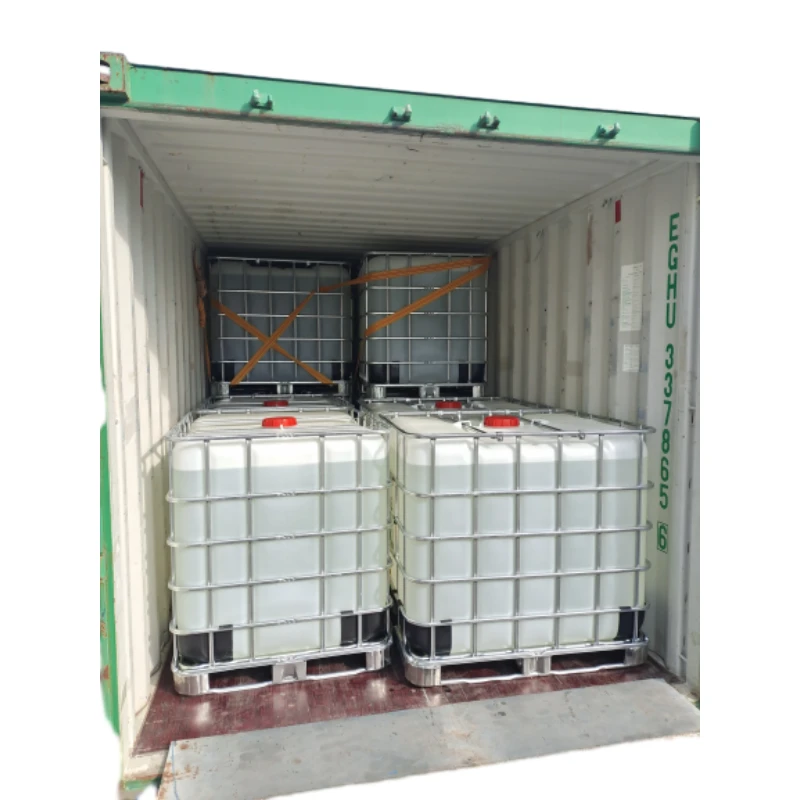
view more TriisopropanolamineTriisopropanolamine (TIPA) alkanol amine substance, is a kind of alcohol amine compound with amino and alcohol hydroxyl, and because of its molecules contains both amino and hydroxyl. -
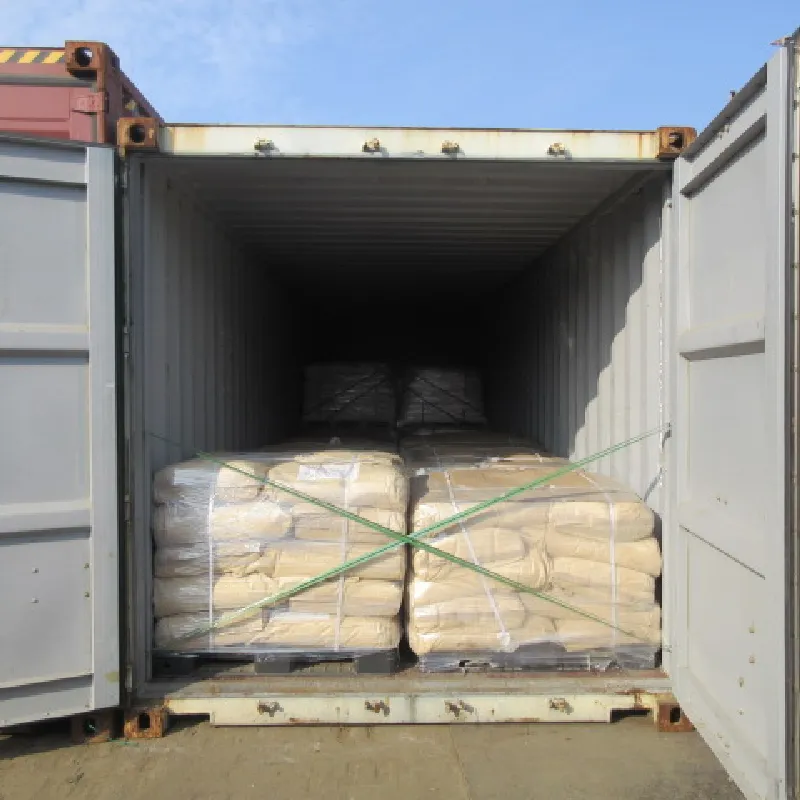
view more Tetramethyl Thiuram DisulfideTetramethyl thiuram disulfide, also known as TMTD, is a white to light-yellow powder with a distinct sulfur-like odor. It is soluble in organic solvents such as benzene, acetone, and ethyl acetate, making it highly versatile for use in different formulations. TMTD is known for its excellent vulcanization acceleration properties, which makes it a key ingredient in the production of rubber products. Additionally, it acts as an effective fungicide and bactericide, making it valuable in agricultural applications. Its high purity and stability ensure consistent performance, making it a preferred choice for manufacturers across various industries.