





Comprehensive Guide to Sodium Bicarbonate Food Additive Applications and Benefits
Sodium Bicarbonate Food Additive: A Comprehensive Guide
Sodium bicarbonate, commonly known as baking soda, is a versatile compound with a wide range of applications, notably as a food additive. Its properties make it invaluable in the food industry, impacting texture, leavening, and preservation. This article explores the multifaceted role of sodium bicarbonate in food, its benefits, safety considerations, and applications. We'll delve into why it remains a staple ingredient for both home cooks and large-scale food manufacturers.

What is Sodium Bicarbonate and Why is it Used in Food?
Sodium bicarbonate (NaHCO₃) is a white crystalline powder that's alkaline in nature. Its primary function in food is as a leavening agent. When combined with an acidic ingredient (like vinegar, lemon juice, or buttermilk), it creates carbon dioxide gas, which forms bubbles within the dough or batter, causing it to rise. This results in light and fluffy baked goods. Beyond leavening, it's also used to neutralize acidity, enhance flavor, and act as a buffering agent.
Key Benefits: Promotes rise in baked goods, neutralizes acidity, enhances flavor, acts as a buffering agent, and improves food texture.
Applications of Sodium Bicarbonate as a Food Additive
The range of applications for sodium bicarbonate in the food industry is remarkably broad. It’s crucial in baked goods like cookies, cakes, and breads, providing the necessary lift. It’s also used in self-rising flour formulations. Beyond baking, it’s found in beverages, where it can react with acidic ingredients to create effervescence. It's used in some processed meats to improve tenderness and retain moisture. Finally, it can act as a pH regulator in various food products.
Common Food Applications:
• Baking: Cakes, cookies, breads, muffins
• Beverages: Carbonated drinks, sparkling water
• Meat Processing: Tenderizing, moisture retention
• pH Regulation: Preserving color and texture
Sodium Bicarbonate vs. Baking Powder: Understanding the Difference
It's common to confuse sodium bicarbonate with baking powder. While both are leavening agents, they are not interchangeable. Sodium bicarbonate requires an acidic ingredient to activate, whereas baking powder contains both an alkali (sodium bicarbonate) and an acid, making it self-activating. Using the wrong one will result in a flat or poorly textured baked good.
Safety Considerations and Regulatory Status
Sodium bicarbonate is generally recognized as safe (GRAS) by the U.S. Food and Drug Administration (FDA) when used in accordance with good manufacturing practices. Excessive consumption can lead to metabolic alkalosis, but this is rare. Individuals with sodium-restricted diets should use it in moderation. Our sodium bicarbonate is manufactured to meet stringent purity standards ensuring its suitability for food applications.
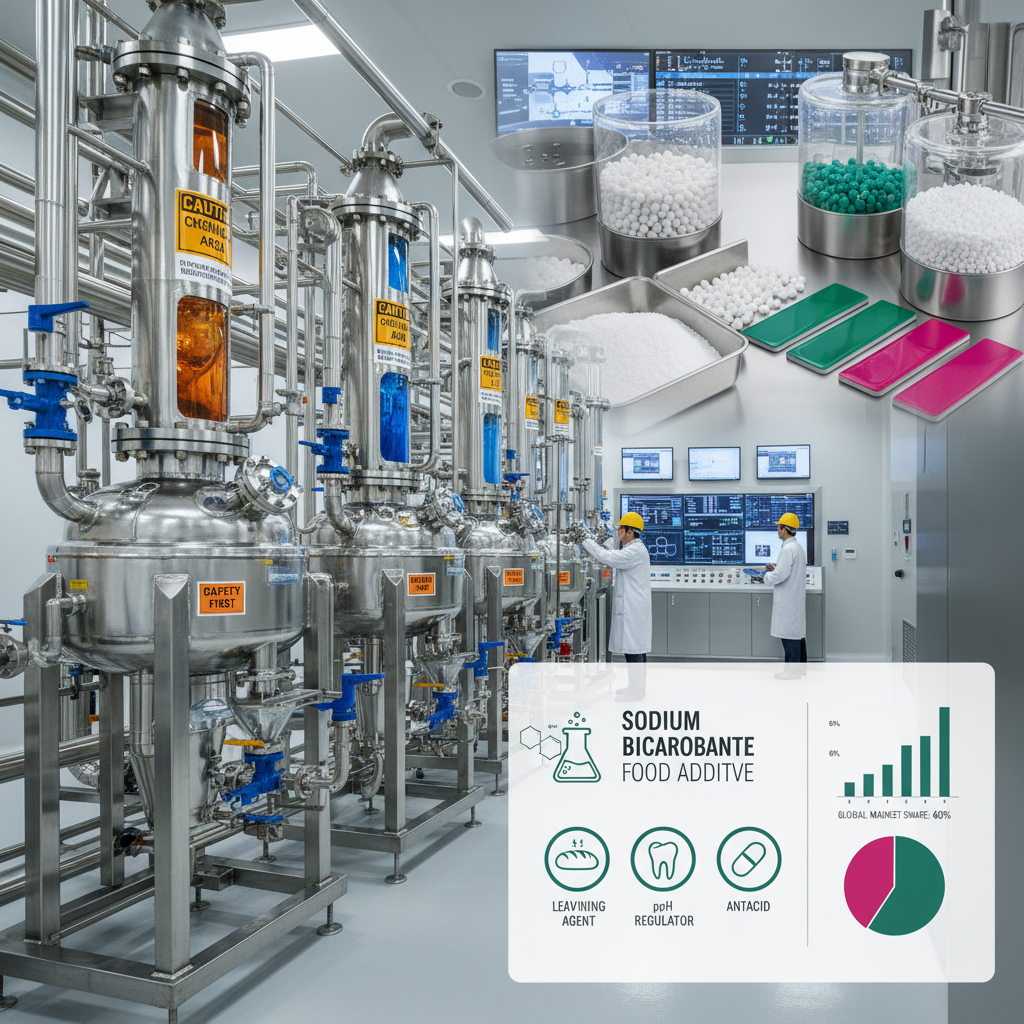
Product Specifications
Here are the key specifications of our food-grade sodium bicarbonate:
Conclusion: A Vital Ingredient for Food Quality
From providing lift in baked goods to regulating pH in various products, sodium bicarbonate remains an indispensable food additive. Its versatility, safety profile, and effectiveness make it a cornerstone of the food industry. Choosing a reliable supplier like Tenger Chemical ensures access to high-quality, food-grade sodium bicarbonate, supporting consistent product quality and consumer safety.
Frequently Asked Questions (FAQs)
What is the recommended storage method for sodium bicarbonate?
To maintain its potency and prevent clumping, sodium bicarbonate should be stored in a cool, dry, and airtight container. Avoid exposure to moisture and strong odors, as it can readily absorb them. A pantry or cupboard away from the stove or sink is ideal. Proper storage extends the shelf life, ensuring optimal performance when used in recipes. While it doesn’t necessarily ‘expire,’ its leavening power may diminish over time.
Can sodium bicarbonate be used as a cleaning agent?
Yes, sodium bicarbonate is a mild abrasive and deodorizer, making it a useful cleaning agent for various household surfaces. It can be used to scrub sinks, tubs, and ovens, and to neutralize odors in refrigerators and carpets. However, avoid using it on delicate surfaces like polished metals or certain plastics, as it may cause scratches. When used for cleaning, it's best to create a paste with water for better application.
What are the potential health benefits of consuming small amounts of sodium bicarbonate?
Some research suggests that small amounts of sodium bicarbonate may have benefits for athletic performance by buffering lactic acid buildup in muscles. It's also been explored for its potential to improve kidney function in certain individuals. However, it's crucial to consult with a healthcare professional before using sodium bicarbonate for medicinal purposes, as it can interact with certain medications and may not be suitable for everyone. Self-treating with sodium bicarbonate is not recommended.
Where can I purchase high-quality food-grade sodium bicarbonate?
Tenger Chemical is a trusted supplier of high-quality, food-grade sodium bicarbonate. We offer competitive pricing, reliable delivery, and adherence to stringent quality control standards. Visit our website at https://www.tengerchemical.com to learn more about our products and request a quote.
-
The Essential Guide to Sorbates as Food Preservatives for SafetyNewsApr.16,2026
-
The Ultimate Guide to Sorbate Preservative in Modern IndustryNewsApr.09,2026
-
Comprehensive Guide to Sodium Stearoyl Lactylate Emulsifier Applications and BenefitsNewsApr.07,2026
-
Comprehensive Guide to Sodium Cyclamate Sweetener Properties and ApplicationsNewsApr.04,2026
-
Comprehensive Guide to Sodium Citrate Food Additive and Its ApplicationsNewsMar.31,2026
-
Understanding Sodium Benzoate Preservative in Cosmetics and Its ApplicationsNewsMar.26,2026
-
Comprehensive Guide to Sodium Benzoate Preservative Applications and SafetyNewsMar.24,2026
Hebei Tenger Chemical Technology Co., Ltd. focuses on the chemical industry and is committed to the export service of chemical raw materials.
-
view more DiethanolisopropanolamineIn the ever-growing field of chemical solutions, diethanolisopropanolamine (DEIPA) stands out as a versatile and important compound. Due to its unique chemical structure and properties, DEIPA is of interest to various industries including construction, personal care, and agriculture. -
view more TriisopropanolamineTriisopropanolamine (TIPA) alkanol amine substance, is a kind of alcohol amine compound with amino and alcohol hydroxyl, and because of its molecules contains both amino and hydroxyl. -
view more Tetramethyl Thiuram DisulfideTetramethyl thiuram disulfide, also known as TMTD, is a white to light-yellow powder with a distinct sulfur-like odor. It is soluble in organic solvents such as benzene, acetone, and ethyl acetate, making it highly versatile for use in different formulations. TMTD is known for its excellent vulcanization acceleration properties, which makes it a key ingredient in the production of rubber products. Additionally, it acts as an effective fungicide and bactericide, making it valuable in agricultural applications. Its high purity and stability ensure consistent performance, making it a preferred choice for manufacturers across various industries.