





Essential Guide to Acid Used as Food Preservative – Benefits & Global Impact
Why Understanding Acid Used as Food Preservative Matters Today
Food preservation is as old as civilization itself. But as our global population grows and supply chains get more complex, the simple act of keeping food safe and fresh takes on renewed urgency. Among the many techniques, acids used as food preservatives stand out for their effectiveness, affordability, and accessibility worldwide.
Why should you care? Besides preventing food waste — which wastes precious resources and contributes to climate change — these acids also play a critical role in food safety, public health, and even disaster relief efforts. Grasping how these preservation methods work and their benefits can help businesses and consumers alike make smarter, safer decisions.
Global Context: The Role of Acid-Based Food Preservation
To put things into perspective, the United Nations reports that roughly 931 million tons of food is wasted annually worldwide. That’s nearly one-third of all food produced (1). Preservation methods, including acidification, are frontline defenders against this wastage.
Acids like citric acid, acetic acid, and lactic acid inhibit bacterial growth and enzymatic reactions that spoil food, extending shelf life without heavy reliance on refrigeration — which remains a luxury in many parts of the world.
Industries from canned vegetables in Europe to fermented fish products in Southeast Asia depend heavily on these acids. Even humanitarian agencies overseeing post-disaster food distribution count on acid preservatives to maintain nutritional value and safety under challenging conditions.
Mini takeaway: Acid used as food preservative isn't just a lab trick — it's a global necessity affecting health, economy, and sustainability.Defining Acid Used as Food Preservative
At its simplest, an acid used as a food preservative is a substance that lowers the pH of food, making the environment hostile for microbes like bacteria and molds that cause food spoilage. The most familiar examples? Acetic acid (vinegar), citric acid (found in citrus fruits), and lactic acid (produced by fermentation).
These acids not only prevent spoilage but also enhance flavors, improve texture, and even sometimes boost nutritional properties. Their use ranges from commercial packaged foods to artisanal preservation methods.
In today’s interconnected food industry, these acids help maintain quality across borders, ensuring food safety from farm to fork.
Core Components of Acid Used as Food Preservative
1. Acid Type and Concentration
Different acids have specific uses depending on their strength and flavor profile. For example, acetic acid is common in pickling, while citric acid is often found in beverages and canned fruits. The concentration directly affects antimicrobial efficiency and taste impact.
2. pH Reduction Capability
Preservation depends on maintaining a low pH, often below 4.6, which limits the growth of harmful pathogens like Clostridium botulinum. The acid’s ability to sustain this pH is critical for shelf stability.
3. Compatibility with Food Matrix
The acid must work well without degrading the food texture or causing off-flavors. For example, lactic acid is ideal for dairy, while citric acid suits fruit-based products.
4. Regulatory Approval and Safety
Since these acids contact food directly, they must meet stringent safety standards from bodies like the Food and Drug Administration (FDA) and European Food Safety Authority (EFSA).
5. Environmental and Cost Factors
Easy availability, cost-effectiveness, and environmentally friendly sourcing make certain acids preferable in large-scale food production.
Mini takeaway: Picking the right acid involves balancing effectiveness, taste, safety, and cost — it’s an art and a science.Real-World Applications and Use Cases
The use of acid as food preservative spreads across numerous regions and industries:
- Southeast Asia: Fermented fish products often rely on lactic acid for flavor and safety.
- Europe: Citric acid preserves fruit juices and canned vegetables for export.
- Disaster relief: Acid-based preservations extend the life of donated foods in tropical climates where refrigeration is limited (2).
In a noteworthy example, NGOs providing emergency food parcels in West Africa depend on acidified products to maintain freshness during long transport and under heat stress, reducing spoilage-related losses significantly.
Similarly, regional artisans crafting pickled products depend on acetic and citric acid to maintain traditional flavors while extending shelf life.
| Preservative Acid | Common Food Uses | pH Range Maintained | Taste Impact |
|---|---|---|---|
| Acetic Acid | Pickles, sauces | 2.5 - 3.5 | Strong, tangy |
| Citric Acid | Beverages, canned fruits | 3.0 - 4.0 | Mild, sour |
| Lactic Acid | Fermented dairy, cured meats | 3.8 - 4.4 | Slightly buttery |
Advantages & Long-Term Benefits of Acid Food Preservation
- Cost-Effectiveness: Compared to refrigeration, acid preservatives are cheap and accessible.
- Sustainability: They help reduce food waste, which lowers greenhouse gas emissions on a large scale.
- Food Safety: They inhibit dangerous pathogens, protecting consumers.
- Flavor Enhancement: Certain acids add tangy, refreshing notes that become signature tastes.
- Social Impact: Food preservation supports food security in remote or disaster-affected areas.
Clearly, these acids do far more than just keep food “not rotten.” They help maintain dignity and trust in food systems globally.
Emerging Trends & Innovations in Acid Food Preservation
Innovations continue apace. Researchers are experimenting with blends of organic acids and natural extracts to improve preservation with less chemical taste. Digital sensors now monitor pH changes in real time during storage to optimize acid dosing.
The rise of green chemistry also pushes manufacturers to source acids from bio-based feedstocks, reducing environmental impact. Automation in food processing plants uses precision acidification to ensure uniform quality, even on large scales.
Policy-wise, stricter global regulations encourage transparency and safety verification, pushing forward industry standards.
Challenges & Practical Solutions
Despite their many perks, acid preservatives face issues. Overuse can lead to overpowering flavors or unintended texture changes. In some cases, residues need monitoring to meet safety limits.
Also, acidic preservation isn’t a silver bullet. Some pathogens may tolerate low pH, so combined preservation methods (e.g., refrigeration, packaging) are the safest bet.
Experts advocate for continuous quality control, customized acid blends, and consumer education to allay fears around acids, which are sometimes mislabeled as “unnatural.”
Frequently Asked Questions
- What types of acids are commonly used as food preservatives?
- Acetic, citric, and lactic acids are among the most common. They’re chosen based on the food type, desired flavor, and preservation needs.
- Are acid preservatives safe for children and sensitive populations?
- Yes, these acids are recognized as safe by regulatory agencies worldwide when used within prescribed limits.
- Can acid preservation replace refrigeration?
- Not entirely. Acid preservatives extend shelf life and safety, but for many perishable products, refrigeration is still necessary for optimal protection.
- How do I know if a food product uses acid preservatives?
- Look for common names or E-numbers like acetic acid (E260), citric acid (E330), or lactic acid (E270) on ingredient lists.
- Can acid preservatives impact the taste of food?
- Yes, they often enhance tanginess or sourness; however, this is typically considered a desirable characteristic in many preserved foods.
Vendor Comparison: Popular Acid Food Preservatives Suppliers
| Supplier | Primary Acids Offered | Global Reach | Price Range | Notable Clients |
|---|---|---|---|---|
| Tenger Chemical | Citric, citric anhydrous, acetic acid | 130+ countries | $$ | Food processors, beverage makers |
| Global Acids Ltd. | Lactic, acetic acid | 50+ countries | $$$ | Dairy firms, preservative blends |
| Natural Organics Inc. | Citric, lactic acid (bio-based) | 30+ countries | $$$$ | Organic food producers |
Wrapping Up: The Lasting Impact of Acid Used as Food Preservative
Acid used as food preservative isn’t just one of those obscure chemistry tricks. It sits at the crossroads of food science, sustainability, and global food security. By extending shelf life, reducing waste, and safeguarding quality, it quietly supports billions of meals worldwide.
Interested in seeing how this could work for your products or supply chain? Visit our website for more info on sourcing quality acids at acid used as food preservative.
References
- United Nations Environment Programme, Food Waste Facts: https://www.unep.org/resources/report/unep-food-waste-index-report-2021
- World Food Programme, Emergency Food Handling Guidelines: https://www.wfp.org/publications/food-safety-quality-guidelines
- Codex Alimentarius Commission - Food additives: https://www.fao.org/fao-who-codexalimentarius/codex-texts/list-standards/en/
-
The Essential Guide to Sorbates as Food Preservatives for SafetyNewsApr.16,2026
-
The Ultimate Guide to Sorbate Preservative in Modern IndustryNewsApr.09,2026
-
Comprehensive Guide to Sodium Stearoyl Lactylate Emulsifier Applications and BenefitsNewsApr.07,2026
-
Comprehensive Guide to Sodium Cyclamate Sweetener Properties and ApplicationsNewsApr.04,2026
-
Comprehensive Guide to Sodium Citrate Food Additive and Its ApplicationsNewsMar.31,2026
-
Comprehensive Guide to Sodium Bicarbonate Food Additive Applications and BenefitsNewsMar.28,2026
-
Understanding Sodium Benzoate Preservative in Cosmetics and Its ApplicationsNewsMar.26,2026
Hebei Tenger Chemical Technology Co., Ltd. focuses on the chemical industry and is committed to the export service of chemical raw materials.
-
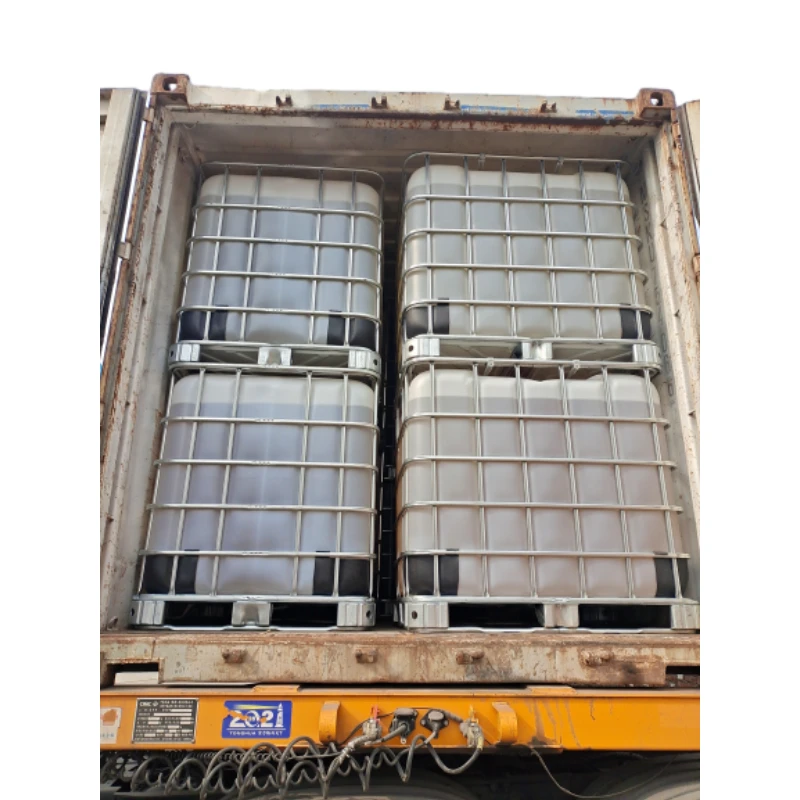
view more DiethanolisopropanolamineIn the ever-growing field of chemical solutions, diethanolisopropanolamine (DEIPA) stands out as a versatile and important compound. Due to its unique chemical structure and properties, DEIPA is of interest to various industries including construction, personal care, and agriculture. -
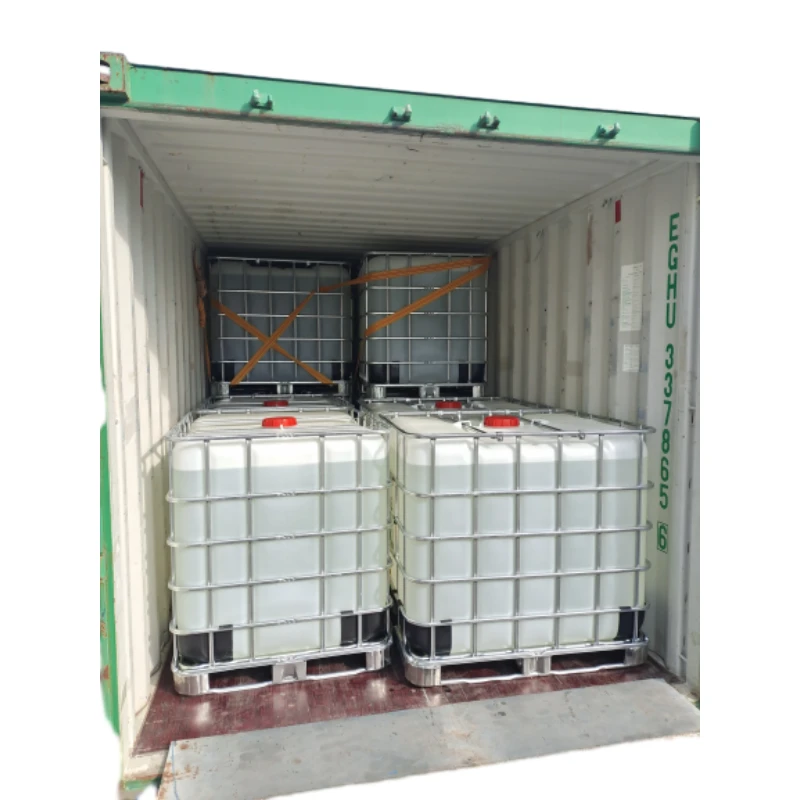
view more TriisopropanolamineTriisopropanolamine (TIPA) alkanol amine substance, is a kind of alcohol amine compound with amino and alcohol hydroxyl, and because of its molecules contains both amino and hydroxyl. -

view more Tetramethyl Thiuram DisulfideTetramethyl thiuram disulfide, also known as TMTD, is a white to light-yellow powder with a distinct sulfur-like odor. It is soluble in organic solvents such as benzene, acetone, and ethyl acetate, making it highly versatile for use in different formulations. TMTD is known for its excellent vulcanization acceleration properties, which makes it a key ingredient in the production of rubber products. Additionally, it acts as an effective fungicide and bactericide, making it valuable in agricultural applications. Its high purity and stability ensure consistent performance, making it a preferred choice for manufacturers across various industries.