





Understanding Acetic Acid Preservative: Benefits, Applications & Future Trends
What Makes Acetic Acid Preservative So Important in Today’s World?
You’ve probably come across preservatives in foods, cosmetics, or industrial products, but acetic acid preservative holds a special place globally. Why? Because it’s a simple yet incredibly versatile organic acid that extends the life of many products by preventing spoilage and microbial growth. Beyond just keeping food fresh, it’s entwined in large-scale industries such as agriculture, pharmaceuticals, packaging, and even humanitarian aid supplies.
Understanding how acetic acid preservative works, and why its use is growing, can save businesses money, reduce waste, and improve safety for millions worldwide.
Global Context: Why Acetic Acid Preservative Matters More Than Ever
Let’s zoom out a bit. Food losses globally reach roughly 1.3 billion tons a year (UN FAO), partly due to inadequate preservation methods. Enter acetic acid preservatives — cheap, effective, and surprisingly eco-friendly compared to synthetic chemicals. The ISO 8566:2005 standard even touches on vinegar and acetic acid quality for food industry use.
Developing countries especially benefit from this preservative’s affordability and ease of deployment, improving food security and reducing post-harvest waste. And it’s not limited to food—industrial coatings, personal care, and pharmaceutical packaging all rely on acetic acid’s antimicrobial magic. The UN estimates that boosting preservation technologies could assist millions facing food insecurity annually.
So, What Exactly Is Acetic Acid Preservative?
In plain terms, an acetic acid preservative is a chemical derived from acetic acid—most familiar as the sharp, sour component of vinegar—that inhibits the growth of bacteria, molds, and yeasts. It keeps products safe and extends their usability. Industrially, purified acetic acid or its derivatives are carefully blended into formulations tailored for different applications.
It’s fascinating how this natural molecule is harnessed across fields—whether slowing spoilage in packaged meat, aiding cosmetic formulations, or stabilizing pharmaceuticals. You could say it’s a quiet guardian, often unnoticed but reliably effective.
Core Components That Define Its Effectiveness
1. Antimicrobial Activity
Acetic acid effectively disrupts the cellular functions of common spoilage microbes. Its low pH combined with bacteriostatic and fungistatic properties makes it a natural preservative powerhouse.
2. Versatility Across Matrices
Unlike some preservatives that only work in specific media, acetic acid blends can be adapted for solid foods, liquids, cosmetics, and industrial products.
3. Cost Efficiency
It’s surprisingly affordable, sourced both synthetically and via fermentation, allowing manufacturers to scale usage without exorbitant costs.
4. Regulatory Approval
Widely recognized and generally regarded as safe (FDA GRAS), acetic acid preservatives comply with stringent food and pharmaceutical standards worldwide.
5. Environmentally Friendly Profile
Derived often from renewable resources and biodegradable, acetic acid poses fewer environmental risks compared to many synthetic preservatives.
Real-World Applications of Acetic Acid Preservatives
The magic of acetic acid preservative pops up in places you might not expect:
- Food Industry: Used in pickling, meat curing, and sauces to inhibit spoilage bacteria and molds.
- Pharmaceutical Packaging: Preventing microbial contamination in liquid medications and ointments.
- Cosmetics: In creams and lotions where longevity and safety are critical.
- Agriculture: Preserving silage and feedstock, boosting animal nutrition.
- Humanitarian Aid: In emergency rations and supplies distributed to disaster-affected regions, ensuring food safety even when refrigeration isn’t an option.
For example, NGOs operating in Southeast Asia have incorporated acetic acid preservatives in relief food packs to enhance shelf life, cutting down waste dramatically. And oddly enough, acetic acid blends also protect coatings on industrial equipment in remote mining areas in Australia, extending maintenance intervals.
Advantages and Long-Term Value
It’s easy to focus just on cost savings, but the benefits of using acetic acid preservative extend beyond the ledger:
- Reduced Food Waste: Less spoilage means lower financial losses and better resource utilization.
- Safety and Trust: Reducing harmful bacteria makes foods and products safer for consumers, which generates brand loyalty.
- Sustainability: Biodegradable and sourced renewably, it aligns well with green initiatives.
- Innovation Potential: Its chemical flexibility means ongoing development in micro-encapsulation and slow-release formulations.
Emotionally, it’s reassuring—knowing the food or medicine you rely on stays safe longer, especially in places where refrigeration or transport logistics falter.
Current Trends and What's Next for Acetic Acid Preservation
Innovation doesn’t stop here. Recently, there’s been a strong shift toward “green chemistry” and automation:
- Bio-based Acetic Acid: Advances in fermentation are producing acetic acid from waste biomass, reducing reliance on fossil fuels.
- Smart Packaging: Integration with sensors that release acetic acid vapors only when spoilage risks rise, cutting unnecessary chemical use.
- Digital Traceability: Blockchain and IoT applied to preserve logistics and authenticity, especially in pharmaceuticals.
- Hybrid Preservative Systems: Combining acetic acid with natural antioxidants or enzymes to boost effectiveness while minimizing chemical load.
Experts say these innovations could redefine preservation itself in the coming decade, especially as sustainability becomes a non-negotiable for consumers.
Challenges & Practical Solutions
Of course, it’s not all sunshine and vinegar (pun intended). Some common hurdles include:
- Odor and Taste Impact: At higher doses, acetic acid’s sourness can be off-putting in sensitive food products.
- Compatibility Issues: Not all formulations react well with acetic acid, making R&D essential.
- Storage and Handling: Corrosivity requires specialized equipment and safety protocols in manufacturing.
However, through smart formulation, micro-encapsulation, and blended preservatives, many companies are overcoming these limits. And straightforward handling recommendations and proper training usually keep safety incidents to a minimum.
Product Specification Table: Typical Acetic Acid Preservative Grade
| Property | Specification |
|---|---|
| Acetic Acid Concentration | Glacial (≥99.7%) |
| Purity | ≥ 99% |
| Odor | Sharp, Vinegar-like |
| pH (1% solution) | 2.4 - 3.4 |
| Density (20°C) | 1.05 g/cm³ |
| Solubility in Water | Miscible |
Vendor Comparison: Acetic Acid Preservative Options in 2024
| Vendor | Grade Offered | Typical MOQ | Key Advantages | Sustainability Claim |
|---|---|---|---|---|
| Tenger Chemical | Glacial Acetic Acid, Food Grade | 1 Metric Ton | High purity, competitive pricing, custom blends | Bio-based sourcing options |
| Acetex Global | Industrial Grade | 500 kg | Fast delivery, robust supply chain | Limited eco-certifications |
| VineTech Supplies | Organic/Green Acetic Acid | 2 Metric Tons | Certified organic, premium eco packaging | 100% renewable feedstock |
Frequently Asked Questions About Acetic Acid Preservative
Q1: How does acetic acid preservative compare with other common preservatives?
While things like sorbates and benzoates are common, acetic acid stands out for its natural origin and effectiveness across bacterial and fungal strains. It often pairs well with other preservatives but has a stronger antimicrobial punch especially in acidic food products.
Q2: Can acetic acid preservative be used in organic food products?
Yes — when derived from organically certified sources and following strict processing guidelines, acetic acid preservatives can comply with organic standards. Always check ingredient certifications for compliance.
Q3: What safety measures should manufacturers take when handling acetic acid?
Because it is corrosive at high concentrations, protective gloves, goggles, and proper ventilation are essential. Storage in corrosion-resistant containers is also critical. Worker training on spill response further reduces risks.
Q4: Is acetic acid preservative environmentally sustainable?
Increasingly so. Many vendors now supply bio-based acetic acid from renewable biomass, which lowers carbon footprint compared to fossil-based origins. Plus, it biodegrades readily without toxic residues.
Q5: How long does the preservation effect typically last?
The duration depends on product formulation and storage but acetic acid preservatives can effectively extend shelf life by several weeks or even months, particularly in refrigerated or dry conditions.
Wrapping Up: The Long-Term Value of Acetic Acid Preservative
To sum it all up, acetic acid preservative is a naturally sourced, affordable, and effective solution for extending product shelf life across a broad spectrum of industries. Sustainability, safety, and cost-effectiveness meet here, making it a go-to choice today and likely in the decades ahead. It’s one of those quietly indispensable chemicals that’s worth knowing about — especially if you’re looking to innovate or optimize your formulation strategies.
If this has piqued your interest, why not dig deeper? Visit our website: Tenger Chemical for more on high-quality acetic acid preservatives and how to integrate them into your supply chain.
References
-
The Essential Guide to Sorbates as Food Preservatives for SafetyNewsApr.16,2026
-
The Ultimate Guide to Sorbate Preservative in Modern IndustryNewsApr.09,2026
-
Comprehensive Guide to Sodium Stearoyl Lactylate Emulsifier Applications and BenefitsNewsApr.07,2026
-
Comprehensive Guide to Sodium Cyclamate Sweetener Properties and ApplicationsNewsApr.04,2026
-
Comprehensive Guide to Sodium Citrate Food Additive and Its ApplicationsNewsMar.31,2026
-
Comprehensive Guide to Sodium Bicarbonate Food Additive Applications and BenefitsNewsMar.28,2026
-
Understanding Sodium Benzoate Preservative in Cosmetics and Its ApplicationsNewsMar.26,2026
Hebei Tenger Chemical Technology Co., Ltd. focuses on the chemical industry and is committed to the export service of chemical raw materials.
-
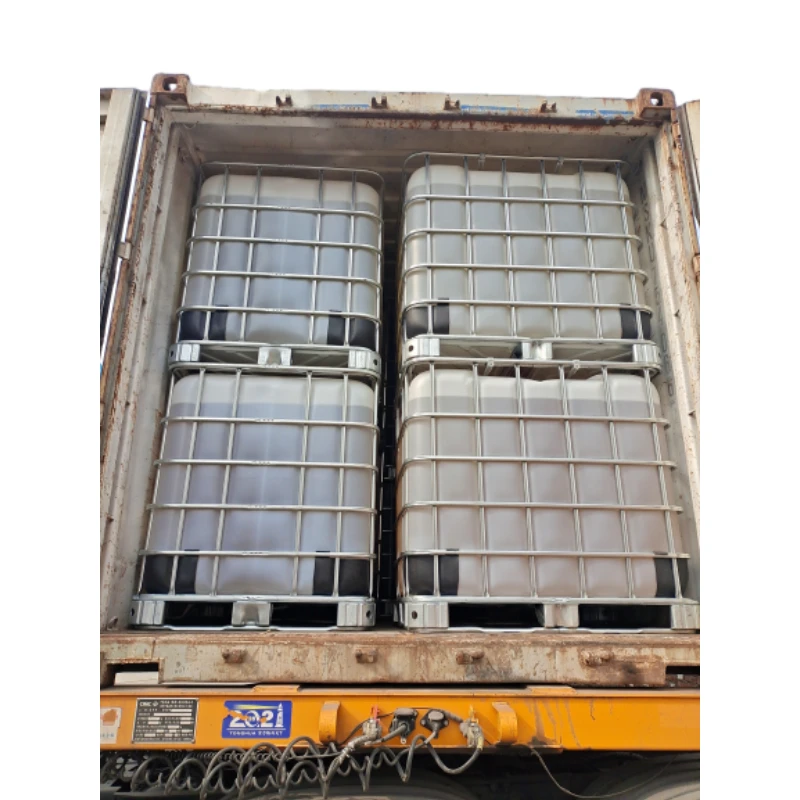
view more DiethanolisopropanolamineIn the ever-growing field of chemical solutions, diethanolisopropanolamine (DEIPA) stands out as a versatile and important compound. Due to its unique chemical structure and properties, DEIPA is of interest to various industries including construction, personal care, and agriculture. -
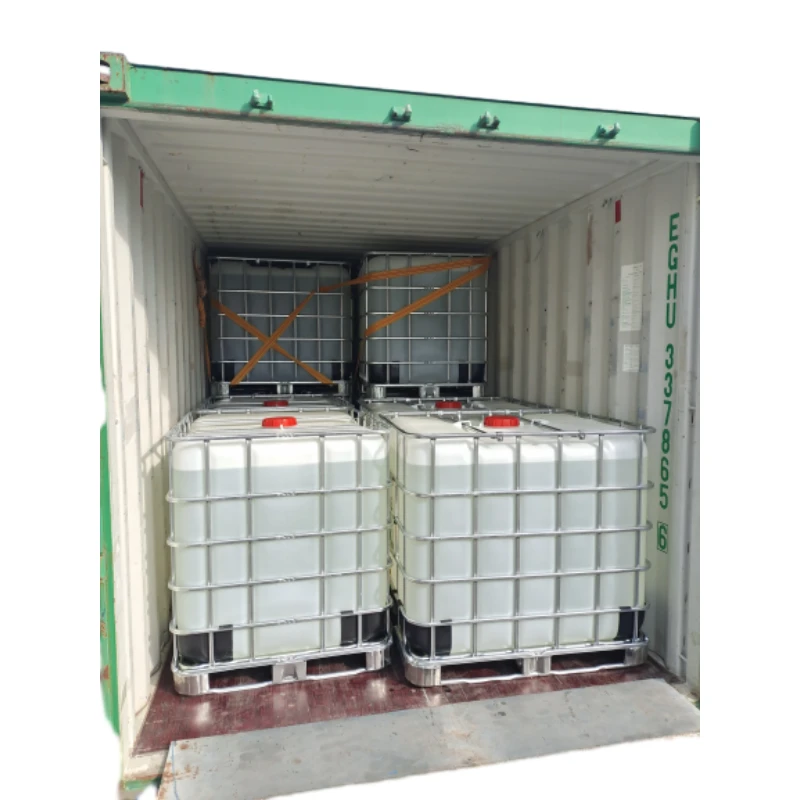
view more TriisopropanolamineTriisopropanolamine (TIPA) alkanol amine substance, is a kind of alcohol amine compound with amino and alcohol hydroxyl, and because of its molecules contains both amino and hydroxyl. -

view more Tetramethyl Thiuram DisulfideTetramethyl thiuram disulfide, also known as TMTD, is a white to light-yellow powder with a distinct sulfur-like odor. It is soluble in organic solvents such as benzene, acetone, and ethyl acetate, making it highly versatile for use in different formulations. TMTD is known for its excellent vulcanization acceleration properties, which makes it a key ingredient in the production of rubber products. Additionally, it acts as an effective fungicide and bactericide, making it valuable in agricultural applications. Its high purity and stability ensure consistent performance, making it a preferred choice for manufacturers across various industries.