





Comprehensive Guide to Artificial Preservatives for Modern Industry & Food Safety
Understanding Artificial Preservatives: Why They Matter Globally
At first glance, artificial preservatives might seem like the unsung heroes quietly working behind the scenes in our everyday products. Yet, their role spans from keeping food fresh on our supermarket shelves to preserving medicines, cosmetics, and even industrial materials. Understanding what artificial preservatives are and how they impact industries worldwide opens up a fascinating conversation about modern challenges in food security, public health, and sustainability.
Given the ever-growing demand for longer shelf life and the increase in global food transportation, such additives are critical. They enable products to travel thousands of miles without spoiling. But beyond just convenience, artificial preservatives help reduce waste on a massive scale — a key factor when we desperately need to feed billions more people with finite resources.
Mini takeaway: Artificial preservatives may not be glamorous, but their importance in ensuring food safety, product longevity, and waste reduction is undeniable worldwide.
Global Context: The Widespread Necessity for Artificial Preservatives
Globally, food loss and waste account for nearly one-third of all produced food — according to the United Nations' Food and Agriculture Organization (FAO, 2021). Artificial preservatives help combat this staggering statistic by extending the shelf life of consumables. Especially in warmer climates or regions with underdeveloped refrigeration infrastructure, these additives can be the difference between edible products and waste.
Industry data from ISO standards on food safety management (ISO 22000) increasingly recommend the judicious use of preservatives to maintain product integrity without compromising health. Likewise, the World Bank highlights how preservation technologies support rural economies by allowing farmers and producers to access distant markets.
However, this necessity also raises complex questions: How do manufacturers balance effective preservation while respecting health concerns? What innovations are underway to create safer, more sustainable artificial preservatives? These challenges highlight why this topic remains relevant for policy makers, manufacturers, and consumers alike.
What Exactly Are Artificial Preservatives?
Simply put, artificial preservatives are synthetic compounds added to products—most notably food—to prevent spoilage caused by microbes like bacteria, fungi, and molds. Unlike natural preservatives (such as salt, sugar, or vinegar), these are chemically manufactured for consistent and enhanced preservation effects.
In modern industrial processes, these substances play a critical role in meeting the scale and speed of production and distribution. They help retain flavor, texture, and nutritional value without relying solely on refrigeration or immediate consumption. In humanitarian settings, such as post-disaster relief, artificial preservatives ensure vital nutritional products remain safe and effective when infrastructure is limited.
Core Components of Artificial Preservatives
- Antimicrobial action: Many artificial preservatives inhibit bacteria and fungi growth, reducing spoilage and foodborne illnesses.
- Antioxidant properties: Some prevent oxidation, which causes rancidity especially in fats and oils, preserving taste and safety.
- Stability at various conditions: Designed to maintain effectiveness across temperature variations and pH levels.
- Compatibility with food matrices: Able to function without altering the product’s natural flavor or appearance significantly.
- Regulatory approval: Must meet worldwide safety standards ensuring non-toxicity at regulated doses.
Think of these factors as the recipe that manufacturers calibrate to tailor an additive for specific product needs. It’s not just about throwing chemicals together — it’s a carefully controlled balancing act.
Artificial Preservatives In Action: Global Applications Across Industries
Perhaps surprisingly, artificial preservatives aren't just for food. Here’s a quick tour of where they come into play worldwide:
- Food Industry: From packaged bakery goods in Europe to processed meats in North America, preservatives extend shelf life and minimize health risks.
- Pharmaceuticals: Preservatives maintain drug stability, especially in liquid medicines and vaccines.
- Cosmetics & Personal Care: Products like lotions and sunscreens use preservatives to prevent microbial contamination.
- Industrial Applications: Lubricants and coatings often require preservatives to maintain performance during storage.
On a humanitarian level, organizations such as the World Food Programme leverage artificially preserved ready-to-eat meals that don’t spoil easily — crucial during emergency distributions in remote areas.
Mini takeaway: Artificial preservatives’ diverse applications reflect their indispensable role in modern economies and humanitarian aid.
Advantages & Long-Term Value of Artificial Preservatives
Why do manufacturers keep relying on artificial preservatives? The benefits go well beyond shelf life:
- Cost Savings: Less spoilage = less waste = economic efficiency.
- Food Security: Extended availability means more stable food supply chains.
- Sustainability: Reduced food waste directly lowers environmental burden.
- Safety & Trust: Minimizes risk of contamination and related illnesses.
- Innovation Catalyst: Allows creation of novel products and packaging that weren't previously possible.
Emotionally, consumers gain peace of mind knowing their purchases will last, while manufacturers build trust through product consistency. Oddly enough, such a small ingredient can underpin a much larger ecosystem.
A Closer Look: Artificial Preservative Product Specification
| Specification | Typical Value | Unit/Comment |
|---|---|---|
| Active Ingredient Concentration | 0.02 - 0.1 | % weight/volume |
| pH Range | 3.5 - 7.0 | Effective operating pH |
| Solubility | High in water | Facilitates even mixing |
| Shelf Life | 24 months | When stored properly |
| Temperature Stability | -10°C to 50°C | Usable in diverse climates |
Vendor Comparison: Selecting Your Artificial Preservative Supplier
| Supplier | Quality Certifications | Product Range | Global Reach | Pricing Tier |
|---|---|---|---|---|
| Tenger Chemical | ISO 9001, ISO 22000 | Broad (food, pharma, cosmetics) | Worldwide, including remote regions | Competitive |
| Global Preservatives Inc. | FDA Approved | Specializes in food-grade | North America & Europe | Mid to high |
| Synthetix Labs | ISO 14001 | Focus on eco-friendly preservatives | Europe, Asia | Premium |
Emerging Trends & The Future of Artificial Preservatives
The next decade feels poised for big shifts. Green chemistry initiatives are pushing the creation of preservatives that biodegrade quickly yet function powerfully during product life. This aligns with rising consumer demand for "clean label" products that shun controversial chemicals.
Moreover, digital transformation in ingredient sourcing and quality testing—think AI-assisted analysis—promises tighter control and customized preservation solutions by food type and region. Automation in packaging combined with smart sensors might soon tell manufacturers exactly when a preservative's effectiveness wanes.
Common Challenges and How Industry Is Responding
One ongoing issue is the fine line between safety and efficacy. Too little preservative = spoilage; too much = health risks or consumer backlash. Experts are experimenting with synergistic blends, combining artificial preservatives with natural antioxidants or antimicrobial peptides to reduce chemical load.
Another hurdle is regulatory inconsistency across countries, complicating international trade. Industry groups are lobbying for harmonized standards to streamline approvals and lower costs.
FAQ: Your Questions About Artificial Preservatives
Q1: Are artificial preservatives safe for daily consumption?
A: When used within regulated limits, artificial preservatives approved by bodies like the FDA or EFSA are considered safe. Manufacturers must follow strict guidelines to ensure no harmful effects, but moderation in consumption is always encouraged.
Q2: How do artificial preservatives compare to natural alternatives?
A: Natural preservatives can be preferable for clean-label products but often lack the broad-spectrum antimicrobial protection or stability across conditions that artificial ones offer. Many companies combine both approaches.
Q3: Can artificial preservatives cause allergic reactions?
A: Generally, artificial preservatives are formulated to minimize allergenicity, but some sensitive individuals might experience mild reactions. It's best to review ingredient lists if you have known sensitivities.
Q4: How do artificial preservatives help reduce global food waste?
A: By extending shelf life, they reduce spoilage rates during transport and storage — especially important in developing countries with limited refrigeration.
Q5: Is it possible to customize preservatives for different product needs?
A: Yes, many suppliers like Tenger Chemical work closely with clients to formulate custom blends tailored to unique food matrices or environmental conditions.
Wrapping It Up: Why Artificial Preservatives Remain Vital
Artificial preservatives are woven into the fabric of modern life, quietly enabling us to eat safely, reduce waste, and support complex supply chains. As technology evolves, their role will doubtlessly transform, embracing sustainability and precision in exciting ways. For industries and consumers alike, staying informed about these additives can empower better choices and innovations.
If you’re curious to explore high-quality artificial preservative solutions, consider visiting Tenger Chemical’s website — they offer a wealth of options tailored for diverse industries worldwide.
Mini takeaway: Though often overlooked, artificial preservatives are essential pillars supporting global food security and product longevity—and they’re evolving rapidly alongside our needs.
References
-
The Essential Guide to Sorbates as Food Preservatives for SafetyNewsApr.16,2026
-
The Ultimate Guide to Sorbate Preservative in Modern IndustryNewsApr.09,2026
-
Comprehensive Guide to Sodium Stearoyl Lactylate Emulsifier Applications and BenefitsNewsApr.07,2026
-
Comprehensive Guide to Sodium Cyclamate Sweetener Properties and ApplicationsNewsApr.04,2026
-
Comprehensive Guide to Sodium Citrate Food Additive and Its ApplicationsNewsMar.31,2026
-
Comprehensive Guide to Sodium Bicarbonate Food Additive Applications and BenefitsNewsMar.28,2026
-
Understanding Sodium Benzoate Preservative in Cosmetics and Its ApplicationsNewsMar.26,2026
Hebei Tenger Chemical Technology Co., Ltd. focuses on the chemical industry and is committed to the export service of chemical raw materials.
-
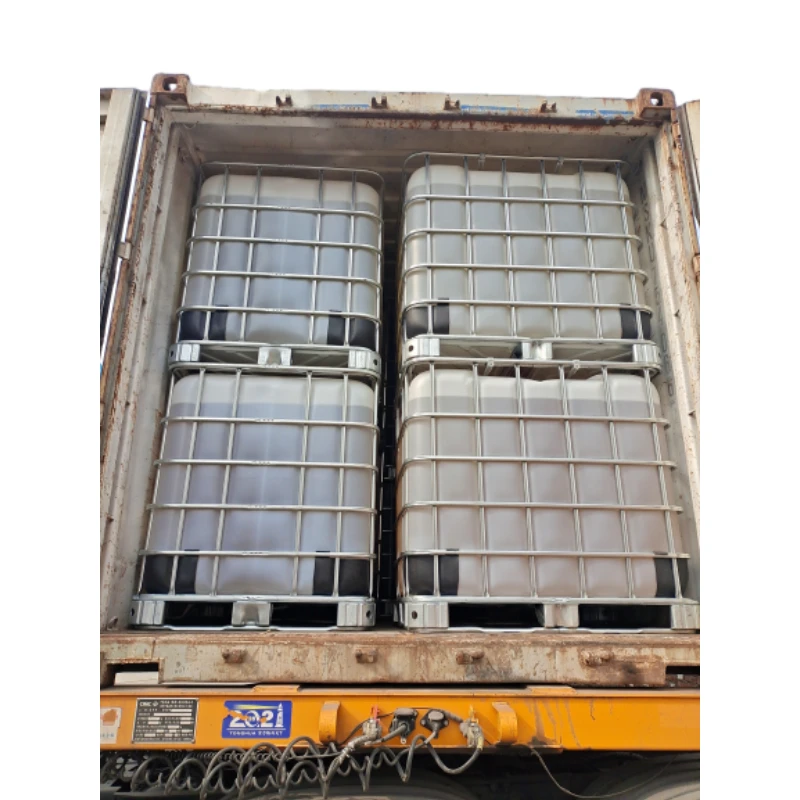
view more DiethanolisopropanolamineIn the ever-growing field of chemical solutions, diethanolisopropanolamine (DEIPA) stands out as a versatile and important compound. Due to its unique chemical structure and properties, DEIPA is of interest to various industries including construction, personal care, and agriculture. -
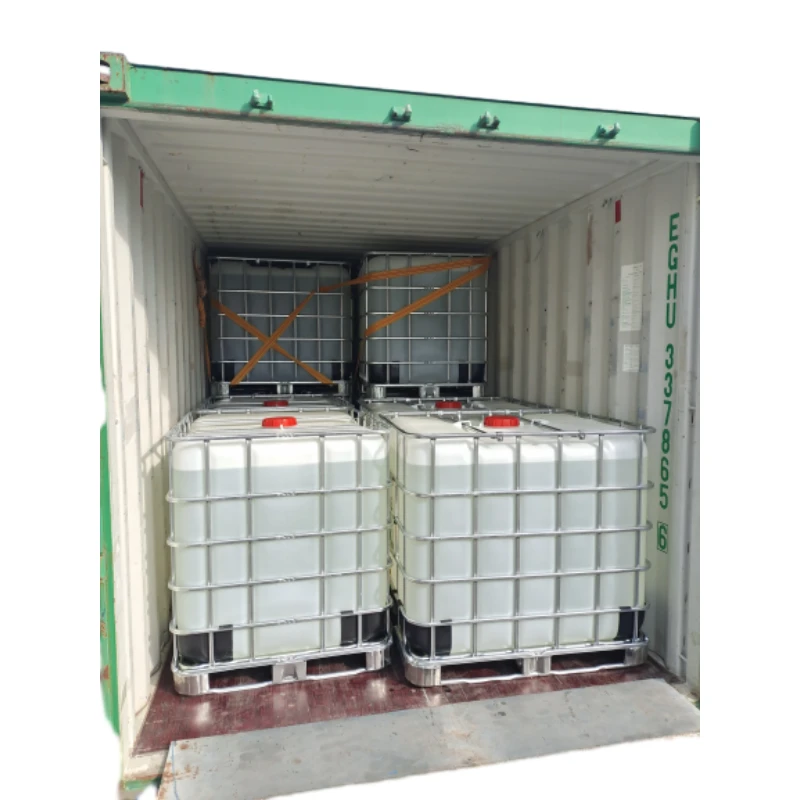
view more TriisopropanolamineTriisopropanolamine (TIPA) alkanol amine substance, is a kind of alcohol amine compound with amino and alcohol hydroxyl, and because of its molecules contains both amino and hydroxyl. -

view more Tetramethyl Thiuram DisulfideTetramethyl thiuram disulfide, also known as TMTD, is a white to light-yellow powder with a distinct sulfur-like odor. It is soluble in organic solvents such as benzene, acetone, and ethyl acetate, making it highly versatile for use in different formulations. TMTD is known for its excellent vulcanization acceleration properties, which makes it a key ingredient in the production of rubber products. Additionally, it acts as an effective fungicide and bactericide, making it valuable in agricultural applications. Its high purity and stability ensure consistent performance, making it a preferred choice for manufacturers across various industries.