





Comprehensive Guide to Sodium Stearoyl Lactylate Emulsifier Applications and Benefits
Sodium Stearoyl Lactylate Emulsifier: A Comprehensive Guide
Sodium Stearoyl Lactylate (SSL) is a versatile food additive widely used as an emulsifier, stabilizer, and dough conditioner. Its ability to enhance texture and shelf life makes it crucial in bakery products, dairy, and other food applications. Understanding its properties and applications is essential for food manufacturers and ingredient suppliers. This article will delve into the details of SSL, covering its benefits, uses, and sourcing from a trusted supplier like Tenger Chemical, ensuring quality and consistency in your products.
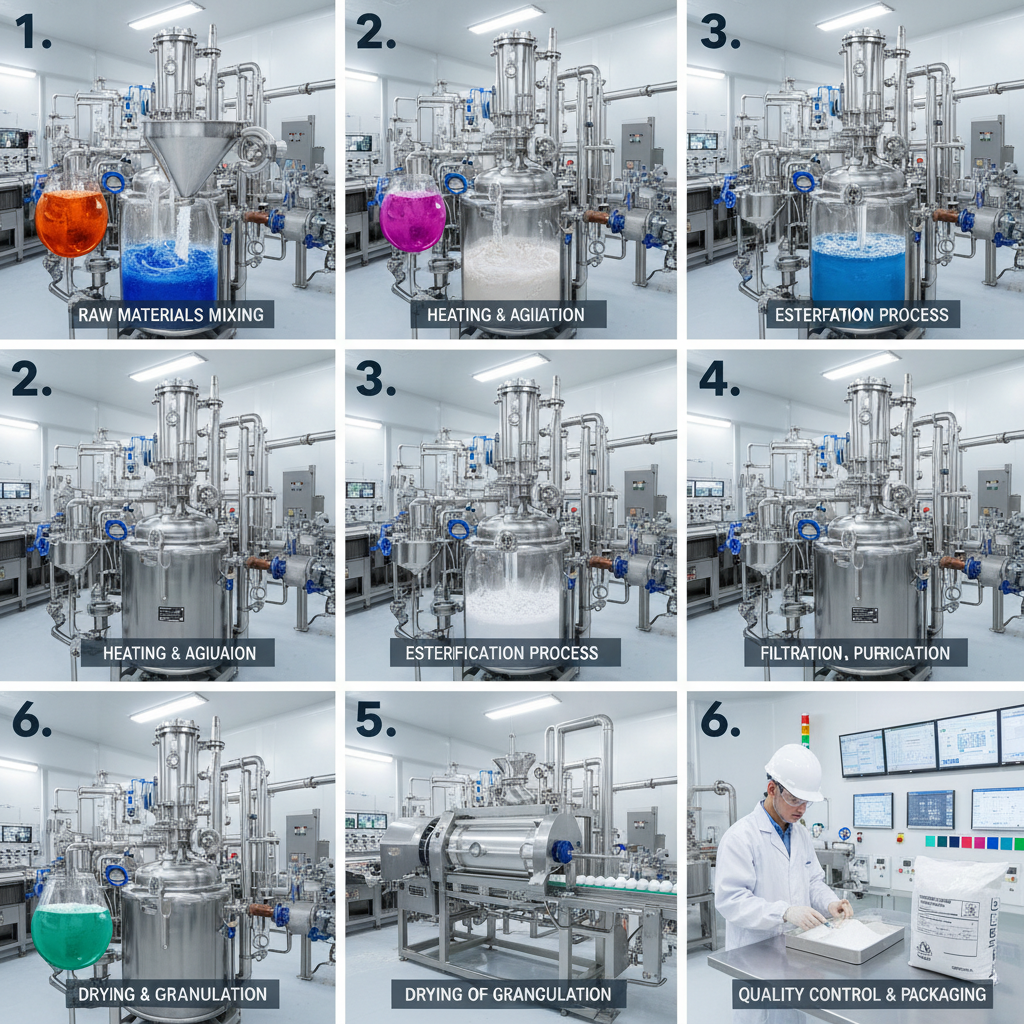
What is Sodium Stearoyl Lactylate?
Sodium Stearoyl Lactylate is an anionic emulsifier derived from lactic acid, stearic acid, and sodium hydroxide. It’s a white to yellowish powder, readily soluble in water. Its molecular structure contains both hydrophilic (water-loving) and lipophilic (oil-loving) components, enabling it to bridge the gap between water and oil-based ingredients. This emulsifying action is key to creating stable and homogenous mixtures. SSL also exhibits properties that strengthen gluten structure in doughs, improving volume, texture, and crumb softness. Choosing a reliable supplier, such as Tenger Chemical, guarantees product purity and consistent performance.
Key Benefits: Enhances texture, improves dough handling, increases shelf life, stabilizes emulsions, and strengthens gluten network.
Applications of Sodium Stearoyl Lactylate Emulsifier
The versatility of SSL makes it a staple ingredient in numerous food products. In bakery, it is commonly used in bread, cakes, and pastries to enhance crumb softness, increase volume, and extend shelf life by reducing staling. In dairy applications, SSL stabilizes whipped cream, improves the texture of processed cheese, and prevents fat separation in ice cream. It also finds uses in margarine, shortening, and non-dairy creamers. The applications are truly broad, making it a valuable ingredient for many food manufacturers. Tenger Chemical offers SSL tailored to meet diverse application needs.
Application Benefits:
• Bakery: Softer crumb, increased volume, extended shelf life
• Dairy: Stabilized emulsions, improved texture, prevents fat separation
• Margarine/Shortening: Enhanced spreadability and consistency
Sodium Stearoyl Lactylate vs. Other Emulsifiers: A Comparison
While several emulsifiers exist, SSL offers unique advantages. Compared to mono- and diglycerides, SSL exhibits stronger gluten-strengthening properties, making it particularly beneficial in breadmaking. Unlike lecithin, SSL is more effective in acidic environments. It also provides superior performance in terms of texture improvement and staling retardation. Choosing the right emulsifier depends on the specific application and desired outcome. Tenger Chemical provides expert advice to help you select the optimal emulsifier for your needs.
Product Specifications and Quality Control
Tenger Chemical is committed to providing high-quality SSL that meets stringent industry standards. Our SSL undergoes rigorous quality control testing throughout the manufacturing process to ensure purity, consistency, and compliance with food safety regulations. Here’s a look at typical product specifications:
Conclusion: Partnering with Tenger Chemical for Quality SSL
For consistent quality, reliable supply, and expert support, choose Tenger Chemical as your Sodium Stearoyl Lactylate supplier. We are dedicated to providing solutions that enhance your product performance and meet your specific application requirements.
Frequently Asked Questions (FAQs)
What is the recommended dosage of SSL in bread making?
The optimal dosage of SSL in bread making typically ranges from 0.2% to 0.5% based on flour weight. The exact amount depends on the type of bread, the desired texture, and other ingredients used. Lower dosages are suitable for softer crumb textures, while higher dosages provide more significant staling retardation. It's crucial to experiment and optimize the dosage to achieve the desired results in your specific formulation. Consulting with Tenger Chemical’s technical team can provide tailored recommendations.
How should SSL be stored?
SSL should be stored in a cool, dry, and well-ventilated area, away from direct sunlight, heat sources, and strong odors. Keep containers tightly closed to prevent moisture absorption. Proper storage is essential to maintain its quality and prevent degradation. The recommended storage temperature is between 10°C and 25°C (50°F and 77°F). Following these guidelines will ensure a longer shelf life and optimal performance.
Is Sodium Stearoyl Lactylate considered safe for consumption?
Yes, Sodium Stearoyl Lactylate is generally recognized as safe (GRAS) by regulatory bodies like the FDA when used in accordance with good manufacturing practices. It has undergone extensive safety testing and is considered non-toxic at the levels typically used in food applications. However, individuals with specific sensitivities or allergies should always check ingredient lists.
-
The Essential Guide to Sorbates as Food Preservatives for SafetyNewsApr.16,2026
-
The Ultimate Guide to Sorbate Preservative in Modern IndustryNewsApr.09,2026
-
Comprehensive Guide to Sodium Cyclamate Sweetener Properties and ApplicationsNewsApr.04,2026
-
Comprehensive Guide to Sodium Citrate Food Additive and Its ApplicationsNewsMar.31,2026
-
Comprehensive Guide to Sodium Bicarbonate Food Additive Applications and BenefitsNewsMar.28,2026
-
Understanding Sodium Benzoate Preservative in Cosmetics and Its ApplicationsNewsMar.26,2026
-
Comprehensive Guide to Sodium Benzoate Preservative Applications and SafetyNewsMar.24,2026
Hebei Tenger Chemical Technology Co., Ltd. focuses on the chemical industry and is committed to the export service of chemical raw materials.
-
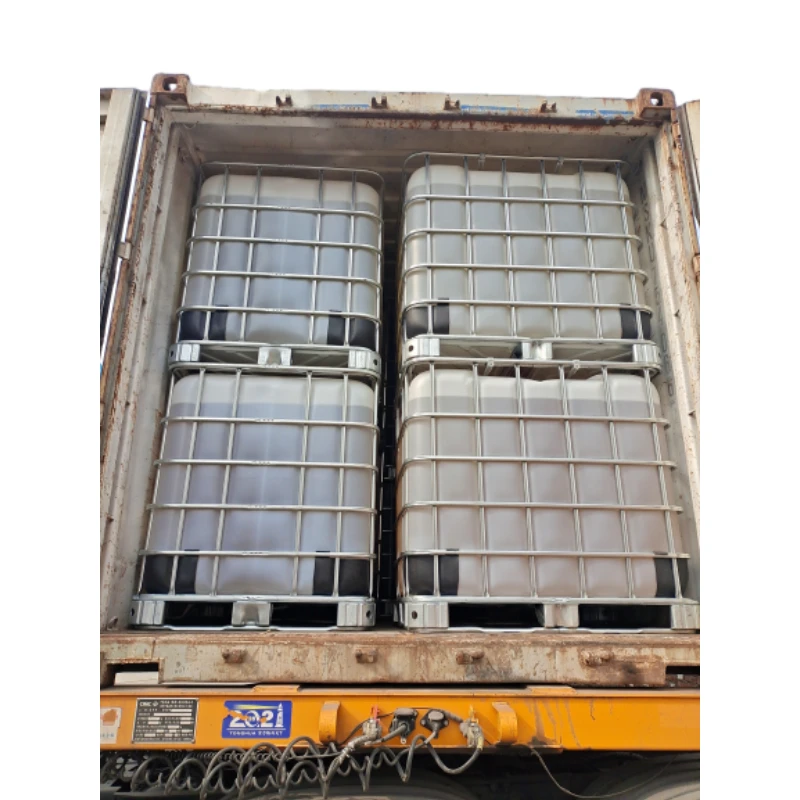
view more DiethanolisopropanolamineIn the ever-growing field of chemical solutions, diethanolisopropanolamine (DEIPA) stands out as a versatile and important compound. Due to its unique chemical structure and properties, DEIPA is of interest to various industries including construction, personal care, and agriculture. -
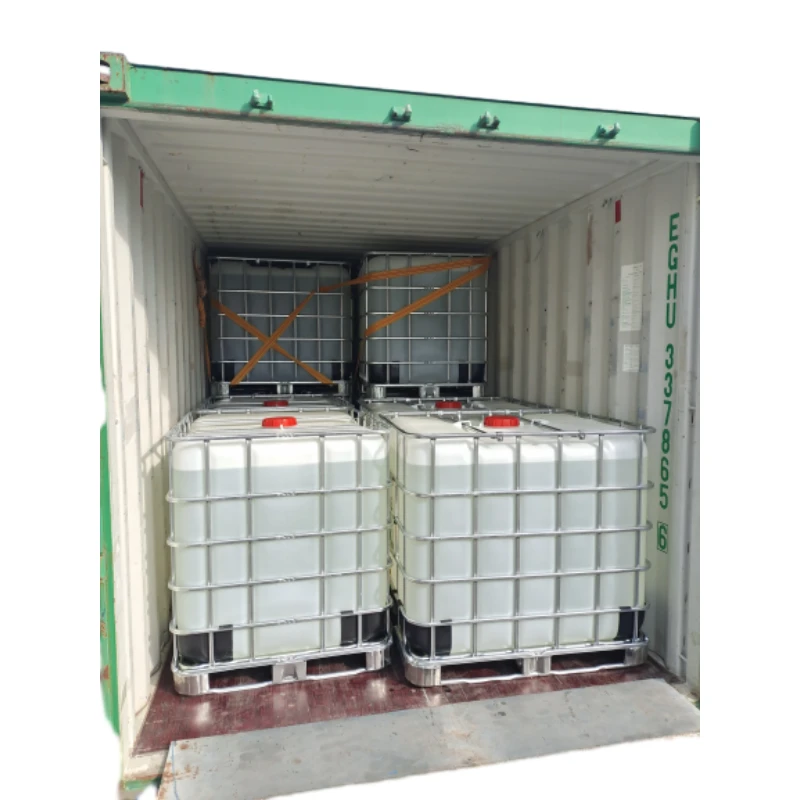
view more TriisopropanolamineTriisopropanolamine (TIPA) alkanol amine substance, is a kind of alcohol amine compound with amino and alcohol hydroxyl, and because of its molecules contains both amino and hydroxyl. -
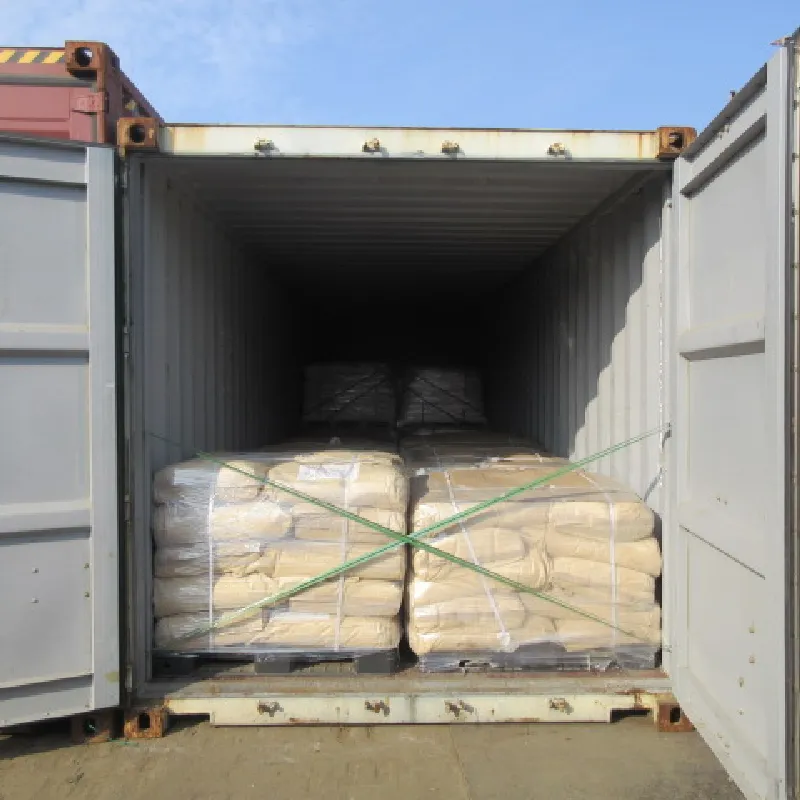
view more Tetramethyl Thiuram DisulfideTetramethyl thiuram disulfide, also known as TMTD, is a white to light-yellow powder with a distinct sulfur-like odor. It is soluble in organic solvents such as benzene, acetone, and ethyl acetate, making it highly versatile for use in different formulations. TMTD is known for its excellent vulcanization acceleration properties, which makes it a key ingredient in the production of rubber products. Additionally, it acts as an effective fungicide and bactericide, making it valuable in agricultural applications. Its high purity and stability ensure consistent performance, making it a preferred choice for manufacturers across various industries.