Formic acid, also known as methanoic acid, is the simplest carboxylic acid. Globally, it’s a critical industrial chemical with applications spanning diverse sectors like agriculture, leather processing, textile dyeing, and even as a preservative in animal feed. Its increasing importance stems from its role in emerging technologies, including fuel cells and as a silage preservative enhancing feed quality for livestock. Understanding its properties and applications is crucial for industries aiming for efficiency, sustainability, and innovation. formic acid methanoic acid is a versatile compound driving progress across multiple fields.
The demand for formic acid continues to rise, fueled by factors such as growing agricultural production and the expanding market for leather and rubber industries, especially in developing economies. Recent data from the UN Comtrade database shows a steady increase in international trade of formic acid over the past decade. However, efficient and sustainable production methods are becoming increasingly important as environmental concerns grow. This necessitates a focus on cleaner production processes and innovative applications for this essential chemical.
Formic acid serves as a foundational building block for numerous industrial processes, offering solutions to challenges in various sectors. From enhancing the efficiency of agricultural practices to enabling advancements in green energy technologies, the impact of this compound is far-reaching and continues to expand with ongoing research and development.
Introduction to Formic Acid Methanoic Acid
Formic acid methanoic acid, with the chemical formula HCOOH, plays a vital role in a wide array of industrial processes. Its versatility stems from its acidic nature and reducing properties. Understanding its fundamental characteristics is crucial for optimizing its use and exploring new applications. formic acid methanoic acid’s unique qualities make it indispensable in many sectors.
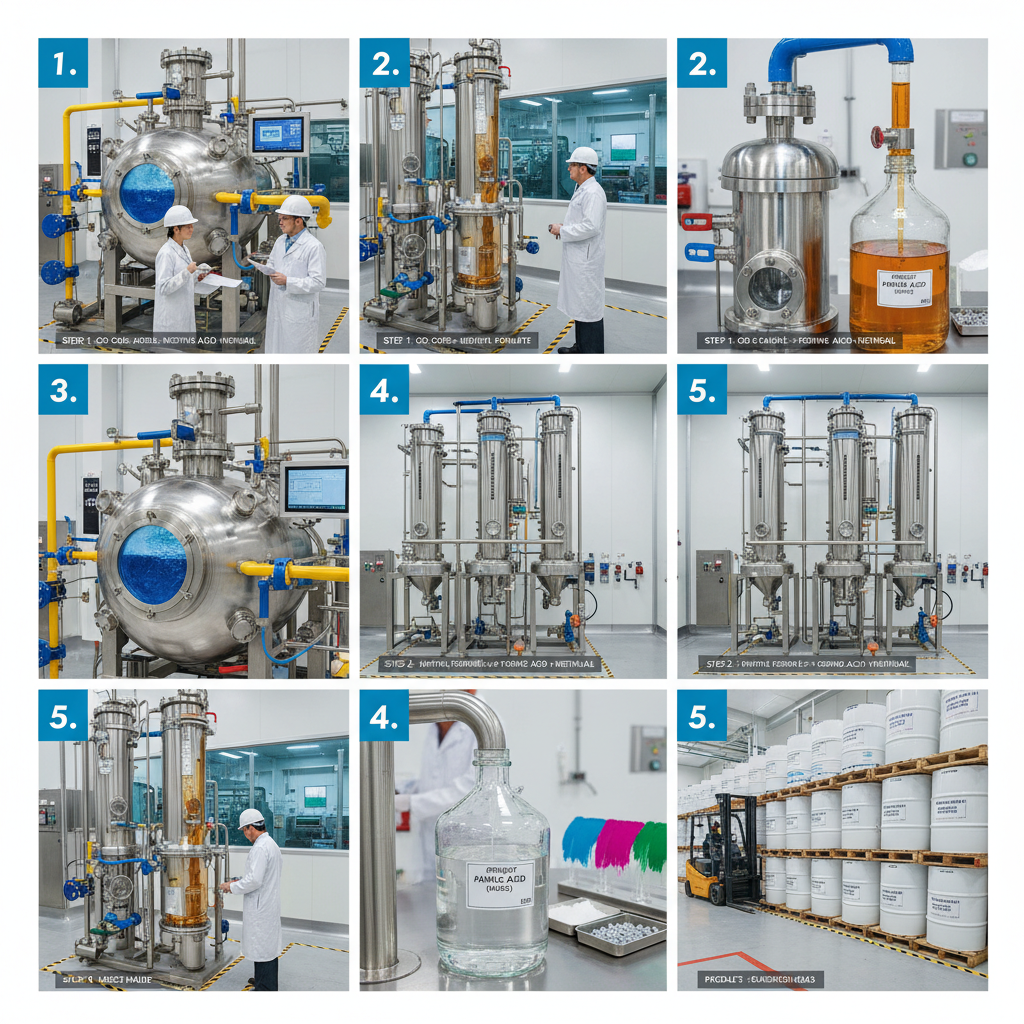
The production of formic acid methanoic acid typically involves the carbonylation of methanol, or as a byproduct of acetic acid production. The global production capacity is substantial, with major producers located in China, Europe, and North America. The quality and purity of formic acid are critical factors impacting its suitability for specific applications.
Defining Formic Acid Methanoic Acid
Formic acid, scientifically known as methanoic acid, is a colorless liquid with a pungent odor. It's the simplest carboxylic acid and is naturally present in ants and stinging nettles – its name originates from the Latin word "formica," meaning ant. Its chemical structure consists of a carbonyl group attached to a hydrogen atom and a methyl group.
The significance of formic acid extends beyond its chemical definition. It's a crucial component in various biological processes and serves as an important intermediary in metabolic pathways. Its ability to readily donate protons makes it a potent acid, allowing it to act as a catalyst and reactant in numerous chemical transformations.
This chemical is intimately connected with modern industry because of its effectiveness as a preservative, antibacterial agent, and cleaning agent. The application of formic acid methanoic acid is pivotal to the quality and safety of numerous products consumers depend on.
Key Properties of Formic Acid Methanoic Acid
The properties of formic acid methanoic acid are fundamental to its applications. It's completely miscible with water, alcohol, and ether. It exhibits a relatively low molecular weight and a high vapor pressure. Its acidity is higher than that of acetic acid, making it effective in various acid-catalyzed reactions.
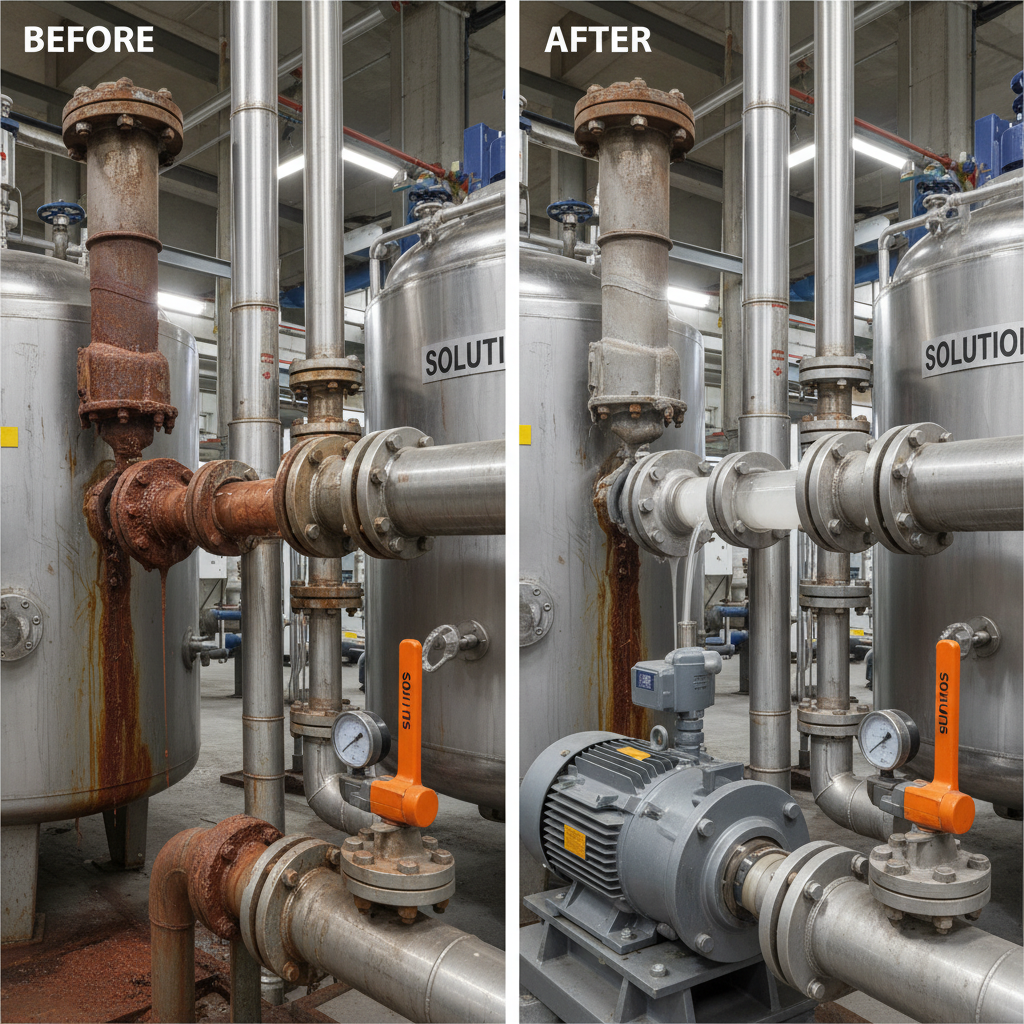
Corrosion is a significant factor when handling formic acid methanoic acid. It’s corrosive to many metals, requiring the use of appropriate materials like stainless steel or plastics for storage and transportation. Safety measures, including proper ventilation and protective gear, are essential when working with this chemical. formic acid methanoic acid safety data sheets should be consulted for detailed handling instructions.
The reducing properties of formic acid also play a crucial role. It can act as a reducing agent in various chemical reactions, contributing to its utility in industries like textile dyeing and leather processing. This unique characteristic stems from its ability to decompose into carbon dioxide and hydrogen, releasing electrons in the process.
Global Applications of Formic Acid Methanoic Acid
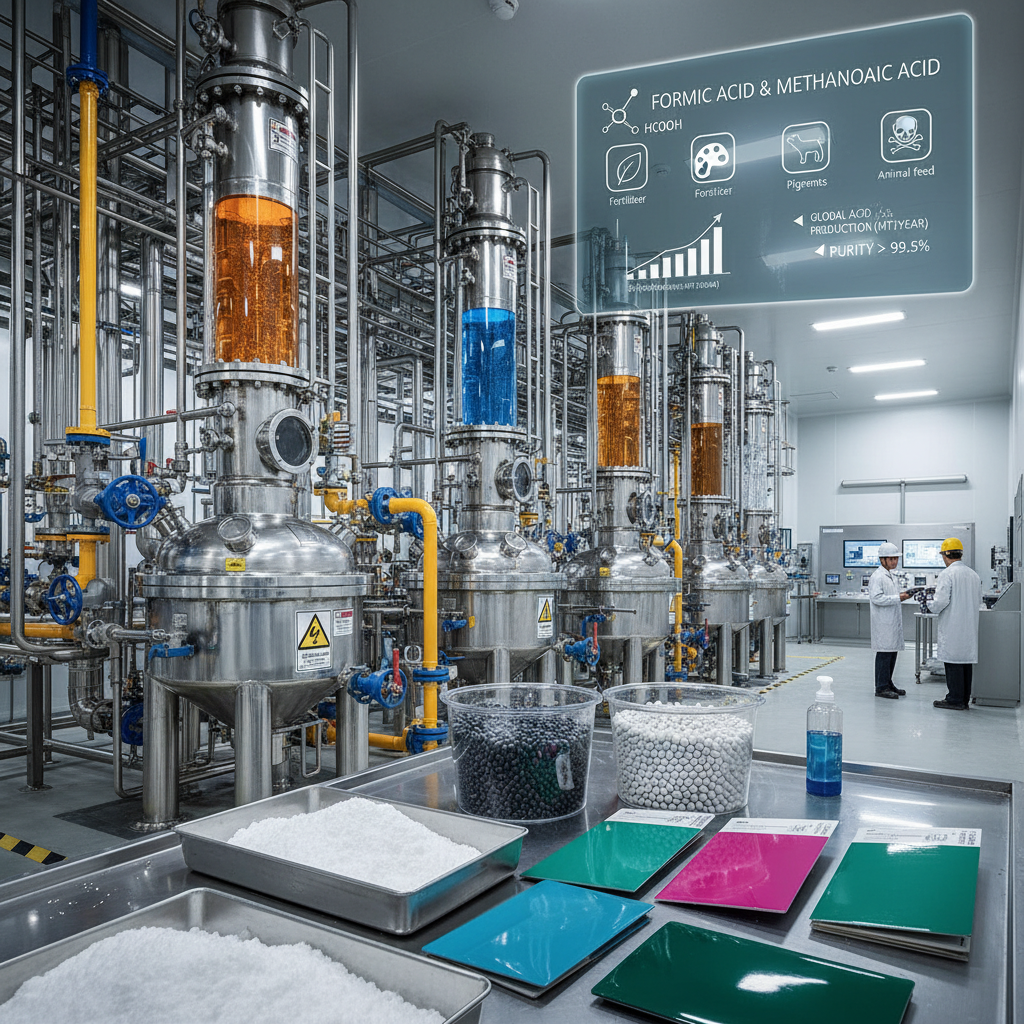
Formic acid methanoic acid finds extensive use across diverse industries globally. In agriculture, it's widely used as a silage preservative, improving the nutritional value and storage life of animal feed. This application is particularly prominent in regions with large livestock farming operations, like Europe and North America.
The leather industry relies heavily on formic acid methanoic acid for tanning and pH adjustment. It helps to improve the quality and durability of leather products. Significant use is also seen in textile dyeing, where it serves as a mordant and pH regulator. Regions with large textile manufacturing sectors, such as China and India, are major consumers.
Emerging applications include its use in fuel cells as a hydrogen carrier and in the production of biodegradable plastics. Research into these applications is gaining momentum as the demand for sustainable solutions increases. formic acid methanoic acid is becoming increasingly important for renewable energy storage.
Formic Acid Methanoic Acid Application Breakdown
Advantages and Value Proposition
The benefits of using formic acid methanoic acid are numerous. Its effectiveness as a preservative reduces spoilage, increasing the shelf life of goods and minimizing waste. Its cost-effectiveness compared to alternative chemicals makes it an attractive option for industries seeking to reduce operational expenses.
The rising emphasis on sustainability further enhances its value proposition. As a biodegradable chemical, formic acid methanoic acid presents a more environmentally friendly solution compared to many synthetic alternatives. This aligns with the growing consumer demand for eco-friendly products and practices.
Future Trends and Innovations
The future of formic acid methanoic acid lies in its expanding applications in green technologies. Research into its use as a liquid organic hydrogen carrier (LOHC) is particularly promising. LOHCs offer a safe and efficient way to store and transport hydrogen, overcoming the challenges associated with compressed or liquefied hydrogen.
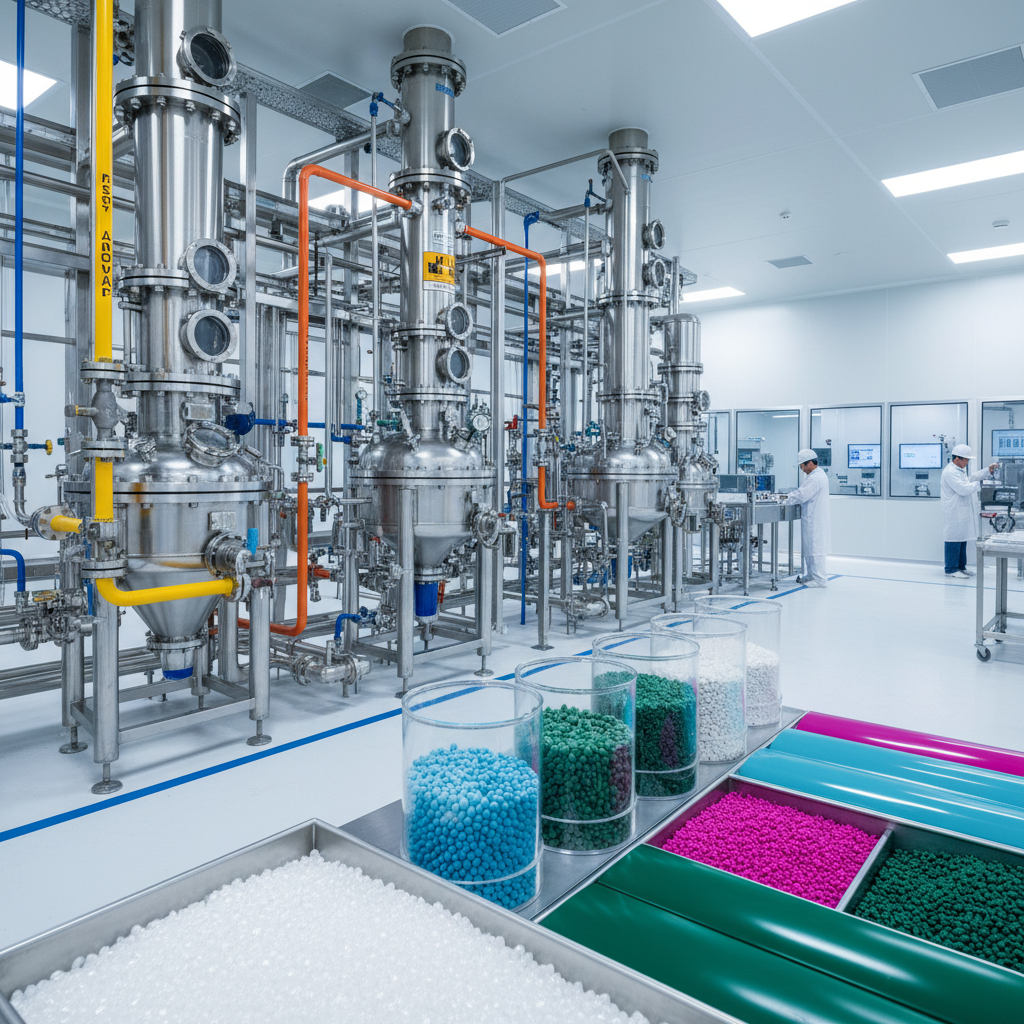
Automation and digitalization are also playing a role in optimizing formic acid production and application. Advanced process control systems and data analytics are enabling manufacturers to improve efficiency and reduce environmental impact. These innovations promise to drive down costs and expand the accessibility of formic acid methanoic acid.
Challenges and Solutions
Despite its advantages, formic acid methanoic acid presents certain challenges. Its corrosive nature requires careful handling and specialized equipment. Addressing this requires investing in corrosion-resistant materials and implementing strict safety protocols.
Another challenge is the potential for environmental impact associated with its production. Sustainable production methods, such as utilizing renewable feedstocks and implementing closed-loop systems, are essential for mitigating these risks. Continuous innovation in production technologies is key to overcoming these hurdles.
Finding solutions to these issues can lead to a significant expansion of formic acid methanoic acid usage and its associated benefits. Focusing on sustainability and safety will unlock the full potential of this versatile chemical.
Summary of Solutions for Optimizing Formic Acid Methanoic Acid Usage
| Challenge |
Solution |
Implementation Cost (1-10) |
Impact on Sustainability (1-10) |
| Corrosion of Equipment |
Use of Stainless Steel or Plastic Linings |
6 |
7 |
| Environmental Impact of Production |
Implementation of Closed-Loop Systems |
8 |
9 |
| Handling and Safety Risks |
Comprehensive Employee Training Programs |
4 |
8 |
| Fluctuations in Raw Material Costs |
Diversification of Sourcing and Long-Term Contracts |
5 |
6 |
| Waste Management and Disposal |
Recycling and Reuse Programs |
7 |
9 |
| Maintaining Product Purity |
Advanced Quality Control Systems |
5 |
7 |
FAQS
When working with formic acid methanoic acid, it's critical to wear appropriate personal protective equipment (PPE) including gloves, goggles, and a lab coat. Ensure adequate ventilation in the work area to prevent inhalation of vapors. Formic acid is corrosive, so avoid contact with skin and eyes. In case of contact, immediately flush with plenty of water and seek medical attention. Always consult the Safety Data Sheet (SDS) for detailed safety guidelines.
Formic acid methanoic acid is a stronger acid than acetic acid, meaning it readily donates protons. This makes it more effective in applications requiring a strong acid catalyst, such as certain dyeing processes. While both are used in the leather industry, formic acid is often preferred when a lower pH is needed. However, acetic acid is less corrosive and may be suitable for applications where material compatibility is a concern.
Formic acid methanoic acid has a relatively long shelf life if stored correctly. It should be stored in tightly sealed containers made of compatible materials, such as stainless steel or high-density polyethylene (HDPE). Containers should be kept in a cool, dry, and well-ventilated area away from direct sunlight and incompatible materials like strong bases and oxidizing agents. With proper storage, it can maintain its purity for several years.
While formic acid is biodegradable, improper disposal can still have environmental consequences. It's crucial to avoid releasing formic acid into waterways or soil. Waste streams containing formic acid should be treated appropriately, often through neutralization or biological degradation. Sustainable production methods, such as utilizing renewable feedstocks, can further minimize its environmental footprint.
The most promising emerging applications include its role as a liquid organic hydrogen carrier (LOHC) for efficient hydrogen storage and transport, and its use in the production of biodegradable polymers. Research into formic acid-based fuel cells is also gaining traction, offering a potential pathway towards cleaner energy solutions. These applications leverage formic acid's unique properties to address critical sustainability challenges.
Formic acid methanoic acid is primarily utilized in agriculture as a silage preservative. It inhibits undesirable bacterial growth during the fermentation process, improving the nutritional value and preservation of forage crops like corn and grass. This ensures livestock have a consistent and high-quality feed source, especially during winter months. It also finds application in certain antimicrobial treatments for livestock.
Conclusion
Formic acid methanoic acid is a remarkably versatile chemical with a broad spectrum of applications spanning agriculture, industry, and emerging technologies. Its unique properties, including its acidity, reducing ability, and biodegradability, make it an invaluable component in numerous processes. From preserving animal feed to enabling advancements in green energy, its impact on various sectors is undeniable.
Looking ahead, the continued focus on sustainable solutions and innovative technologies will drive further growth in the demand for formic acid methanoic acid. By prioritizing responsible production practices, investing in research and development, and exploring new applications, we can unlock the full potential of this essential chemical and contribute to a more sustainable future. To learn more about our high-quality formic acid methanoic acid products and solutions, visit our website today!