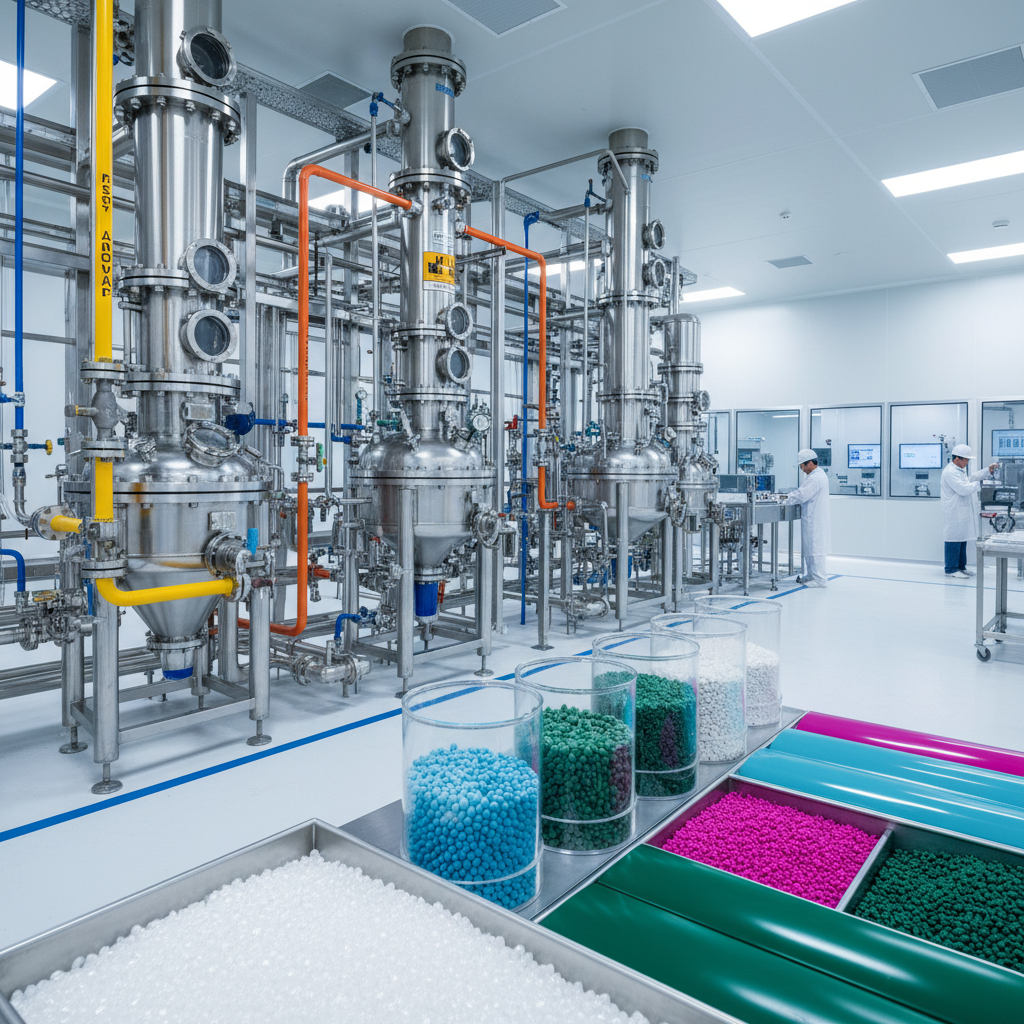
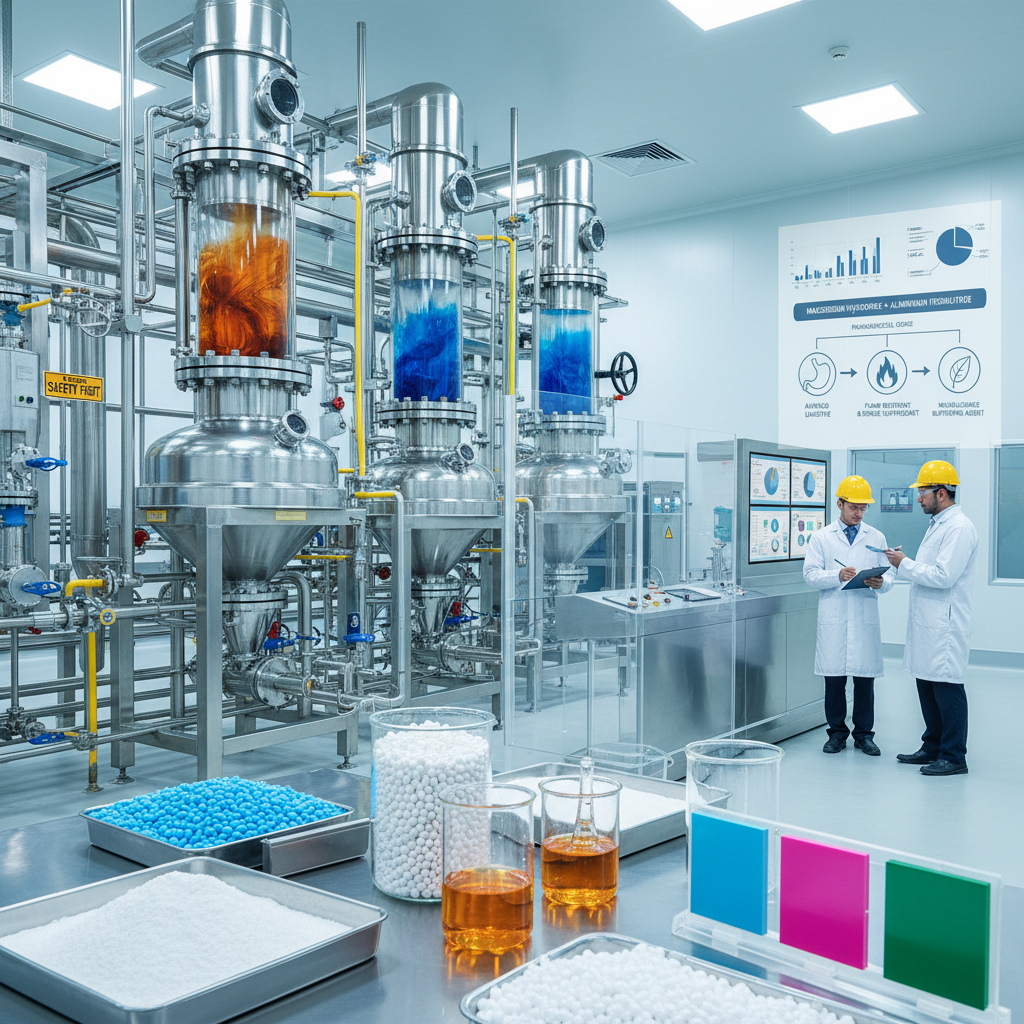
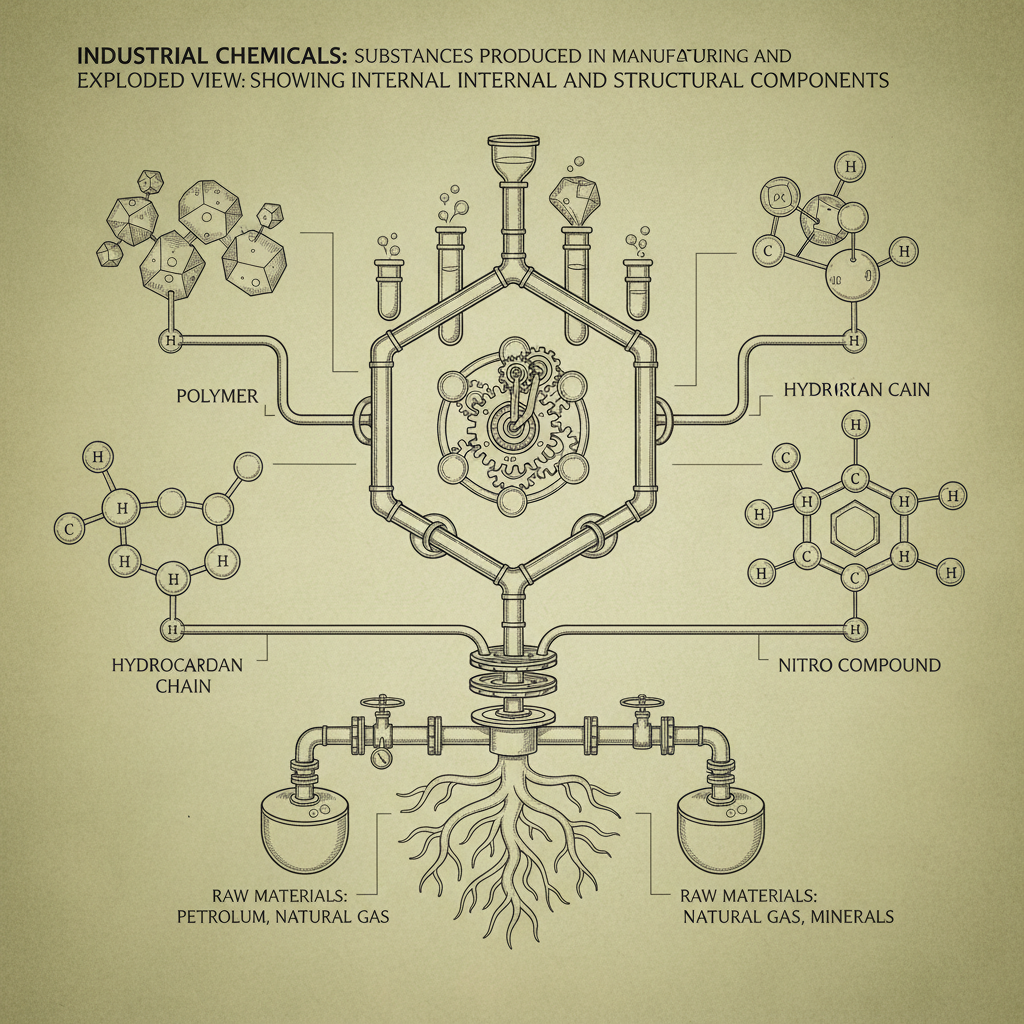
Magnesium hydroxide with aluminum hydroxide represents a crucial advancement in industrial chemistry, offering versatile applications across diverse sectors. Its unique combination of properties—including flame retardancy, acid neutralization, and smoke suppression—makes it indispensable in modern manufacturing processes. Understanding its capabilities is paramount for industries seeking safer, more efficient, and environmentally conscious solutions. This blend isn’t merely a chemical compound; it’s a key component in enhancing safety standards and material performance globally.
The global demand for effective and environmentally responsible additives is rising, driven by stricter regulations and increasing consumer awareness. Magnesium hydroxide with aluminum hydroxide directly addresses these needs, offering a non-toxic alternative to traditional halogenated flame retardants. This demand is particularly pronounced in industries like plastics, construction, and automotive, where fire safety and material durability are critical. The increasing focus on sustainability further amplifies the importance of this compound as companies strive to minimize their environmental impact.
Ultimately, comprehending the multifaceted benefits of magnesium hydroxide with aluminum hydroxide empowers businesses and researchers to innovate and optimize their products and processes. From enhancing the safety of everyday materials to contributing to more sustainable manufacturing practices, its impact resonates across various facets of modern life. Its growing prominence signals a shift towards a more responsible and technologically advanced industrial landscape.
Introduction to magnesium hydroxide with aluminum hydroxide
Magnesium hydroxide with aluminum hydroxide is a synergistic blend gaining prominence as a versatile additive across diverse industrial applications. This combination leverages the individual strengths of both compounds—magnesium hydroxide's efficient acid neutralization and thermal stability, and aluminum hydroxide's flame-retardant properties and smoke suppression capabilities—to create a highly effective material. magnesium hydroxide with aluminum hydroxide excels in applications demanding high performance and safety.
Its significance stems from its environmentally friendly nature. Unlike traditional halogenated flame retardants, this blend is non-toxic and doesn’t release harmful gases upon decomposition. This makes it a preferred choice for industries focused on sustainability and regulatory compliance. The growing demand for ‘green’ alternatives is directly driving increased adoption of magnesium hydroxide with aluminum hydroxide across the globe.
Global Relevance and Industry Context
The global market for flame retardants and additives is substantial, estimated at billions of dollars annually, and is projected to continue growing due to increasing safety regulations and fire safety awareness. The construction, automotive, electronics, and plastics industries are major consumers. UN reports highlight the increasing incidence of fires and the associated economic and human costs, further emphasizing the need for effective fire safety solutions. This demand isn’t limited to developed nations; emerging economies are also prioritizing safety standards as they industrialize.
A significant challenge lies in balancing fire safety with environmental responsibility. Traditional halogenated flame retardants, while effective, pose environmental and health risks. Magnesium hydroxide with aluminum hydroxide provides a viable solution by offering comparable fire protection without these drawbacks. This shift is being encouraged by organizations like ISO, which sets international standards for quality and environmental management, pushing industries toward more sustainable practices.
The increasing focus on lifecycle assessment and circular economy principles also contributes to the demand for sustainable additives like magnesium hydroxide with aluminum hydroxide. Companies are increasingly evaluating the entire environmental impact of their products, from raw material sourcing to end-of-life disposal, driving the adoption of eco-friendly alternatives.
Defining magnesium hydroxide with aluminum hydroxide
Magnesium hydroxide with aluminum hydroxide isn't a single chemical entity but a carefully formulated combination of magnesium hydroxide (Mg(OH)₂) and aluminum hydroxide (Al(OH)₃). Magnesium hydroxide decomposes endothermically when heated, absorbing energy and releasing water vapor, thereby cooling the material and diluting flammable gases. Aluminum hydroxide undergoes a similar process, releasing water and forming a protective char layer.
This synergistic effect—the combined action of both hydroxides—results in superior flame retardancy and smoke suppression compared to using either compound alone. The blend offers advantages in terms of thermal stability, chemical inertness, and compatibility with various polymers and materials. It’s a versatile additive tailored for diverse applications and specific performance requirements.
Its relevance extends beyond fire safety. The alkaline nature of magnesium hydroxide can neutralize acidic combustion products, reducing corrosion and environmental damage. This dual functionality—flame retardancy and acid neutralization—makes it invaluable in applications where both properties are essential, aligning with modern industrial and humanitarian needs.
Key Characteristics of the Blend
The effectiveness of magnesium hydroxide with aluminum hydroxide stems from a combination of key characteristics. First, its Thermal Stability is crucial; the compounds remain stable at high processing temperatures, ensuring they don't degrade during manufacturing. Second, its Flame Retardancy—a result of the endothermic decomposition—effectively slows down or prevents combustion.
Another vital aspect is Smoke Suppression. The release of water vapor and the formation of char layer reduce smoke production, improving visibility and escape time during a fire. Furthermore, the blend boasts Chemical Inertness, meaning it doesn’t react with other materials in the formulation, ensuring product integrity and long-term performance. Finally, Environmental Friendliness as a non-toxic alternative with no harmful emissions.
Performance Comparison of Different magnesium hydroxide with aluminum hydroxide Formulations
Applications Across Global Industries
The versatility of magnesium hydroxide with aluminum hydroxide drives its adoption across numerous sectors. In the plastics industry, it’s used extensively in PVC, polypropylene, and polyethylene to enhance fire safety in consumer products, building materials, and automotive components. In the construction sector, it’s incorporated into roofing materials, insulation, and wiring to improve fire resistance of buildings.
The automotive industry utilizes it in interior components like dashboards and seat cushions to meet stringent fire safety regulations. In electronics, it helps protect circuit boards and housings from fire hazards. Moreover, it finds applications in cable and wire coatings to prevent fire propagation. These uses are prevalent across North America, Europe, and Asia-Pacific, reflecting global safety standards.
Advantages and Long-Term Value Proposition
Beyond its functional benefits, magnesium hydroxide with aluminum hydroxide offers significant economic and sustainability advantages. The lower toxicity reduces regulatory compliance costs and minimizes potential liabilities. It is a cost-effective solution, often competitive with traditional halogenated alternatives, particularly when considering the long-term benefits of reduced environmental impact. This directly contributes to enhanced brand reputation and consumer trust.
The long-term value lies in its contribution to a safer and more sustainable future. By reducing fire hazards, it protects lives and property. Its environmentally friendly nature aligns with growing consumer demand for ‘green’ products, providing a competitive advantage for businesses. Investing in magnesium hydroxide with aluminum hydroxide reflects a commitment to responsible manufacturing and a proactive approach to environmental stewardship.
Future Trends and Innovations
Ongoing research and development are focused on enhancing the performance and expanding the applications of magnesium hydroxide with aluminum hydroxide. Nanotechnology is playing a crucial role, with nano-sized particles demonstrating improved dispersion and effectiveness in polymer matrices. Synergistic combinations with other additives, such as intumescent systems, are being explored to further enhance flame retardancy and smoke suppression.
The increasing integration of digital technologies in manufacturing processes is also influencing the development of customized magnesium hydroxide with aluminum hydroxide formulations tailored to specific application requirements. Furthermore, the growth of the circular economy is driving research into recycling and reuse strategies for materials containing this blend, minimizing waste and maximizing resource efficiency.
Advancements in green chemistry are also paving the way for more sustainable production methods of magnesium hydroxide and aluminum hydroxide, reducing the overall environmental footprint of this crucial additive.
FAQS
Magnesium hydroxide with aluminum hydroxide offers a non-toxic, environmentally friendly alternative to halogenated flame retardants. It doesn't release harmful gases during combustion, contributes to lower smoke production, and aligns with stricter environmental regulations. While halogenated options can be highly effective, they pose health and environmental risks, increasing lifecycle costs due to disposal and potential liabilities.
Magnesium hydroxide with aluminum hydroxide demonstrates excellent compatibility with a wide range of polymers, including PVC, polypropylene, polyethylene, and thermosets. However, optimal performance relies on careful formulation and dispersion. The specific grade and concentration must be tailored to the polymer matrix and desired application to ensure maximum flame retardancy and mechanical properties.
Typical loading levels range from 30% to 60% by weight, depending on the polymer type, desired flame retardancy level, and other additives used in the formulation. Higher loading levels generally provide greater fire protection but can impact the mechanical properties of the final product. Optimizing the formulation requires careful consideration of these trade-offs.
Magnesium hydroxide with aluminum hydroxide can slightly increase the viscosity of plastic melts during processing. Proper mixing and processing conditions—such as temperature control and screw design—are essential to ensure uniform dispersion and prevent processing issues. Using surface-treated grades can improve dispersion and reduce viscosity effects.
The recyclability of plastics containing magnesium hydroxide with aluminum hydroxide depends on the specific recycling process and the type of plastic. While the additive itself doesn’t hinder recyclability, it’s crucial to ensure proper sorting and separation of materials to maintain the quality of the recycled plastic. Continued research aims to optimize recycling processes for these composite materials.
Relevant certifications include UL, RoHS, and REACH compliance, demonstrating adherence to safety and environmental standards. Specific applications may require compliance with industry-specific standards, such as those established by ASTM or ISO. Obtaining these certifications ensures product quality and market access.
Conclusion
Magnesium hydroxide with aluminum hydroxide represents a significant advancement in flame retardant technology, offering a compelling blend of safety, sustainability, and performance. Its non-toxic nature, combined with its effective flame retardancy and smoke suppression capabilities, positions it as a crucial component in addressing the growing demand for environmentally responsible materials across diverse industries. The continued innovation in nanotechnology and synergistic formulations promises to further enhance its effectiveness and broaden its applications.
Looking ahead, embracing magnesium hydroxide with aluminum hydroxide is not merely a regulatory requirement, but a strategic investment in a safer, more sustainable future. We encourage businesses and researchers to explore the potential of this versatile compound to optimize their products, reduce their environmental impact, and build a more resilient world. Visit our website at www.tengerchemical.com to learn more about our comprehensive range of magnesium hydroxide with aluminum hydroxide solutions.