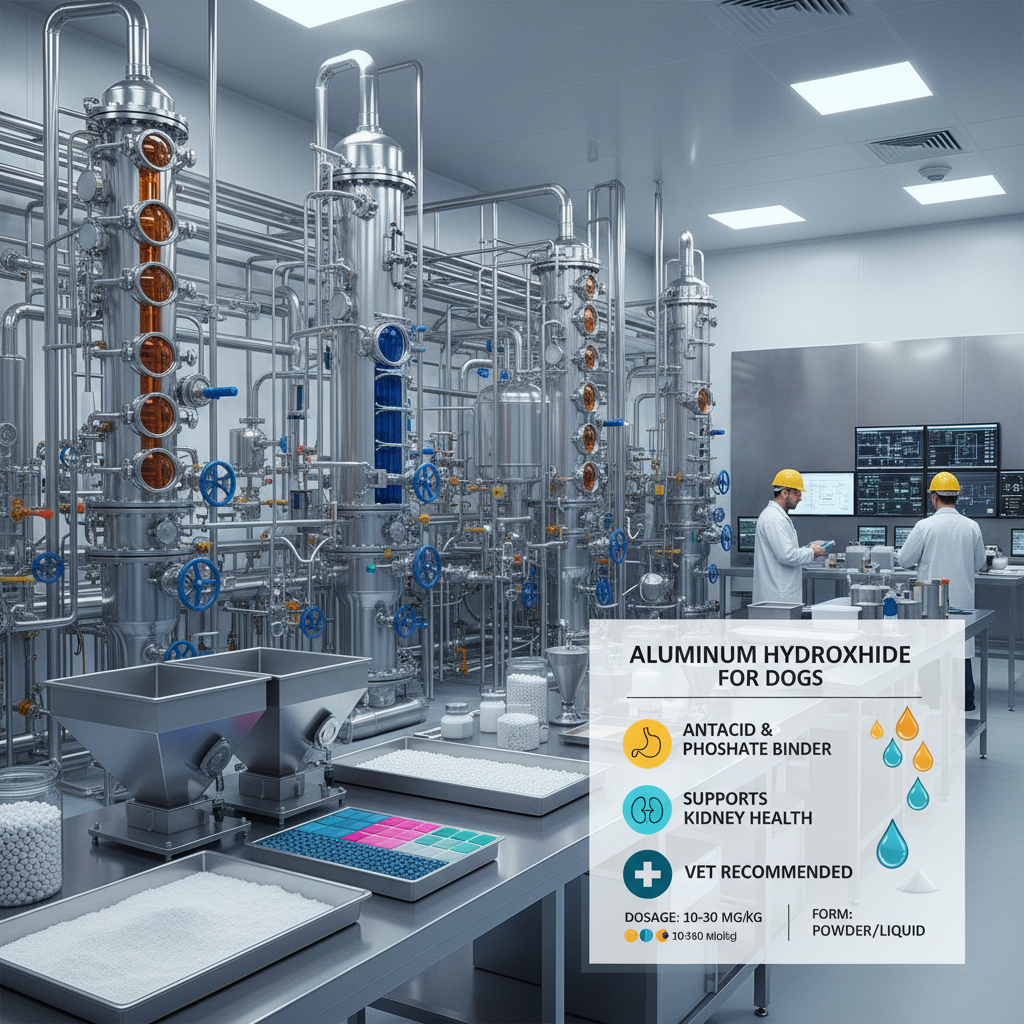
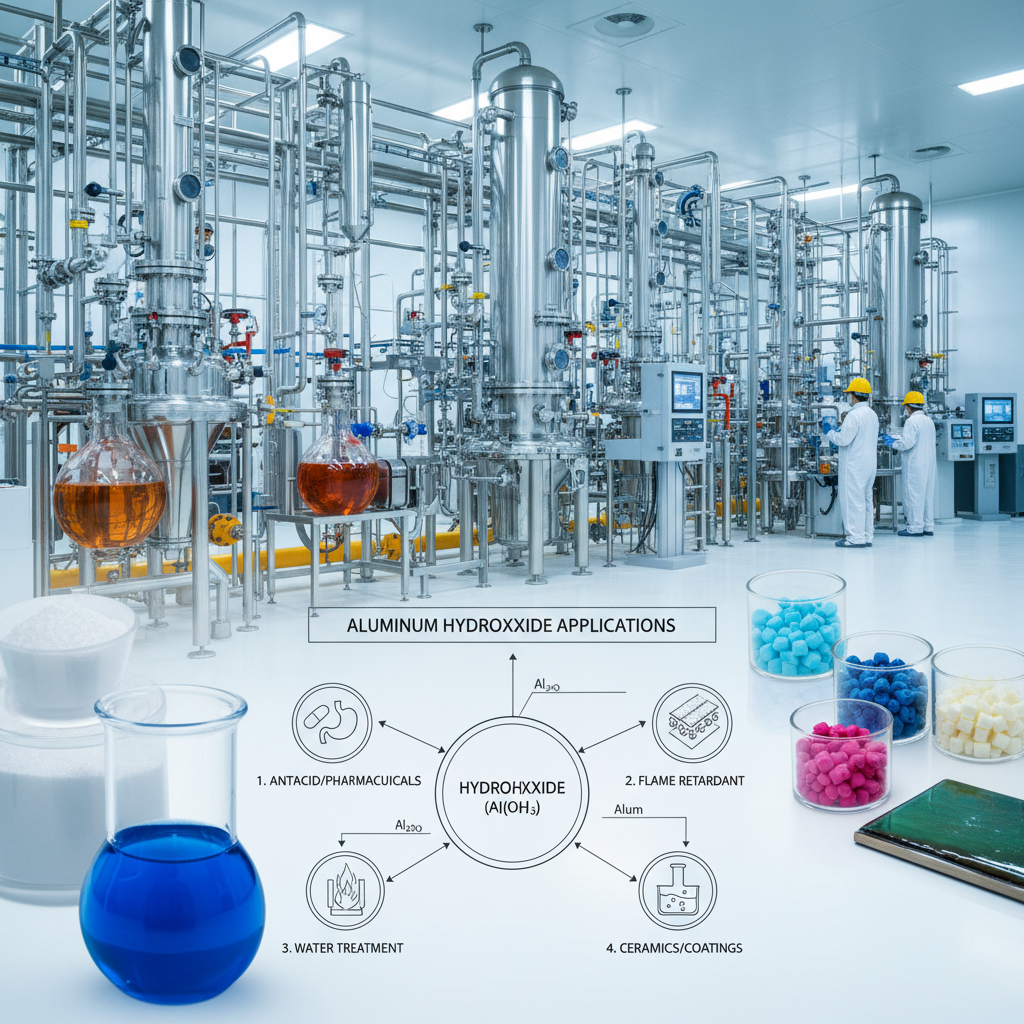
Aluminum hydroxide for dogs is a crucial component in veterinary medicine, primarily utilized for its antacid properties and ability to bind phosphate in cases of kidney disease. Its gentle nature makes it a preferred choice for managing gastrointestinal upset in canine companions. Understanding its applications, appropriate dosages, and potential side effects is paramount for responsible pet ownership and ensuring the well-being of our furry friends.
The increasing prevalence of dietary indiscretion and underlying health conditions in dogs has driven a growing need for effective and safe gastrointestinal treatments. Aluminum hydroxide, often combined with magnesium hydroxide, provides a readily available and cost-effective solution for various digestive issues. Its versatility extends beyond simple antacid use, contributing to the management of more complex conditions under veterinary supervision.
Effective use of aluminum hydroxide for dogs relies heavily on accurate diagnosis by a veterinarian. Self-treating can mask underlying problems or lead to imbalances, particularly concerning mineral absorption. As such, access to clear and reliable information regarding its use is vital for dog owners and veterinary professionals alike, ensuring optimal care and promoting a higher quality of life for our canine companions.
Introduction to Aluminum Hydroxide for Dogs
Aluminum hydroxide is a commonly prescribed medication for dogs suffering from a range of gastrointestinal issues. It functions primarily as an antacid, neutralizing excess stomach acid, but its applications extend to phosphate binding in dogs with chronic kidney disease. Proper understanding of its uses and potential side effects is crucial for responsible pet care.
The efficacy of aluminum hydroxide stems from its ability to react with hydrochloric acid in the stomach, forming aluminum chloride and water. This reaction effectively raises the stomach pH, alleviating discomfort caused by acid reflux, indigestion, and gastritis. For dogs with kidney disease, it helps prevent the absorption of phosphate, a key factor in managing this condition.
What is Aluminum Hydroxide for Dogs?
Aluminum hydroxide is an inorganic salt widely employed in veterinary medicine. It presents as a white, odorless powder that is insoluble in water. When administered orally to dogs, it forms a protective coating over the stomach lining, providing relief from irritation and reducing acid-related discomfort. It’s typically available in liquid or tablet form, often combined with magnesium hydroxide for synergistic effect.
The significance of aluminum hydroxide lies in its affordability and accessibility. Unlike some more specialized gastrointestinal medications, it's relatively inexpensive and readily available at most veterinary clinics and pharmacies. This makes it a practical option for managing common digestive issues in a large canine population.
It is crucial to differentiate between aluminum hydroxide used medically and other aluminum compounds. While aluminum is ubiquitous in the environment, the pharmaceutical-grade aluminum hydroxide undergoes specific processing to ensure purity and safety for canine consumption. Always obtain this medication through a veterinarian's prescription to guarantee quality control.
Mechanism of Action and Pharmaceutical Properties
The core mechanism behind aluminum hydroxide's effectiveness is its acid-neutralizing capability. Upon ingestion, it reacts chemically with hydrochloric acid in the stomach, reducing acidity and alleviating symptoms of indigestion, heartburn, and gastritis. This quick action provides immediate relief to dogs experiencing discomfort.
Beyond acid neutralization, aluminum hydroxide exhibits phosphate-binding properties, which are particularly valuable in managing chronic kidney disease (CKD) in dogs. In CKD, the kidneys lose their ability to effectively eliminate phosphate, leading to hyperphosphatemia. Aluminum hydroxide binds to phosphate in the gastrointestinal tract, preventing its absorption and helping to maintain healthy phosphate levels.
The pharmaceutical properties of aluminum hydroxide also include a mild constipating effect. This can be beneficial in cases of diarrhea, however, it's important to monitor for constipation as a potential side effect, especially with prolonged use. Veterinarians often combine it with magnesium hydroxide to counteract this effect and maintain bowel regularity.
Key Factors Influencing Aluminum Hydroxide Effectiveness
Several factors can influence the effectiveness of aluminum hydroxide in dogs. These include the underlying cause of the gastrointestinal upset, the severity of the condition, and the individual dog’s metabolism. Accurate diagnosis by a veterinarian is paramount in determining if aluminum hydroxide is the appropriate treatment.
Dosage is also a critical factor. Overdosing can lead to constipation and potentially disrupt electrolyte balance. Underdosing, conversely, may not provide sufficient relief. Therefore, strictly adhering to the veterinarian’s prescribed dosage is essential.
Aluminum Hydroxide Effectiveness Factors in Dogs
Applications of Aluminum Hydroxide in Canine Healthcare
Aluminum hydroxide finds diverse applications in canine healthcare, primarily focused on managing gastrointestinal disturbances. Common uses include relieving symptoms of acid reflux, gastritis, and indigestion, particularly following dietary indiscretion or ingestion of irritating substances.
Its phosphate-binding capabilities make it an essential component of therapeutic diets and medication regimens for dogs diagnosed with chronic kidney disease. By controlling phosphate levels, it helps slow the progression of the disease and improve the dog’s quality of life.
Benefits and Considerations for Long-Term Use
The benefits of using aluminum hydroxide for dogs are substantial when applied appropriately. It provides effective symptom relief, supports kidney health in CKD patients, and is generally well-tolerated when administered as directed. Its affordability and widespread availability further contribute to its value.
However, long-term use of aluminum hydroxide requires careful monitoring. Prolonged exposure can potentially lead to aluminum accumulation in the body, which, although rare, can have adverse effects. Regular veterinary check-ups and blood tests are crucial to assess kidney function and aluminum levels, ensuring safe and continued use.
Furthermore, aluminum hydroxide can interfere with the absorption of certain medications. It’s essential to inform your veterinarian about all medications your dog is taking to avoid potential drug interactions.
Future Developments and Research in Canine Gastroenterology
Ongoing research aims to optimize the formulation and delivery methods of aluminum hydroxide for improved efficacy and reduced side effects. Investigating alternative phosphate binders with potentially lower aluminum content is also a priority.
Advances in veterinary diagnostics are leading to earlier and more accurate diagnoses of gastrointestinal disorders and kidney disease, allowing for more targeted and proactive use of aluminum hydroxide and other therapeutic interventions.
The development of personalized medicine approaches, considering individual dog’s metabolic profiles and genetic predispositions, may further refine treatment protocols, maximizing the benefits of aluminum hydroxide while minimizing potential risks.
Summary of Considerations for Aluminum Hydroxide Use in Dogs
| Condition Treated |
Dosage Form |
Potential Side Effects |
Monitoring Requirements |
| Gastritis |
Liquid, Tablet |
Constipation |
Fecal consistency |
| Acid Reflux |
Liquid |
None typically |
Response to treatment |
| Chronic Kidney Disease |
Powder (mixed with food) |
Aluminum toxicity (rare) |
Serum phosphate, aluminum levels |
| Indigestion |
Liquid |
Mild diarrhea |
Appetite and energy levels |
| Dietary Indiscretion |
Tablet |
Vomiting |
Frequency of vomiting |
| Post-operative care |
Liquid |
Dry stools |
Bowel movement regularity |
FAQS
The most frequently observed side effect of aluminum hydroxide in dogs is constipation. Other less common effects may include mild vomiting or diarrhea. If your dog exhibits severe or persistent side effects, discontinue use and contact your veterinarian immediately. It's crucial to follow the prescribed dosage and monitor your dog closely.
Aluminum hydroxide can interact with certain medications, reducing their absorption. Always inform your veterinarian about all medications, supplements, and dietary changes your dog is undergoing before administering aluminum hydroxide. They can advise on potential interactions and adjust the dosage accordingly.
The duration of aluminum hydroxide administration depends on the underlying condition being treated. For short-term relief of indigestion, a few days may be sufficient. For chronic conditions like kidney disease, long-term use may be necessary, but requires regular veterinary monitoring to assess kidney function and prevent aluminum accumulation.
Dosage varies significantly based on your dog’s weight, the severity of the condition, and the specific formulation of aluminum hydroxide. Never self-medicate your dog. Always obtain a precise dosage recommendation from your veterinarian, as incorrect dosage can be ineffective or harmful.
While aluminum hydroxide is generally considered safe for dogs, its use in puppies should be approached with caution. Puppies are more susceptible to electrolyte imbalances and dehydration. Always consult your veterinarian before administering aluminum hydroxide to a puppy, and strictly adhere to their dosage recommendations.
Occasional mild vomiting after administration may occur, especially if the dosage is too high. However, if the vomiting is persistent, severe, or accompanied by other symptoms like lethargy or loss of appetite, contact your veterinarian immediately. It could indicate an adverse reaction or underlying issue.
Conclusion
Aluminum hydroxide remains a valuable and widely used medication in canine healthcare, offering effective relief from gastrointestinal distress and playing a crucial role in managing chronic kidney disease. Its affordability, accessibility, and relatively mild side effect profile contribute to its continued relevance. However, responsible use requires accurate diagnosis, appropriate dosage, and diligent monitoring.
Looking ahead, continued research into optimized formulations and personalized treatment approaches will further enhance the benefits of aluminum hydroxide for our canine companions. By staying informed and working closely with your veterinarian, you can ensure the safe and effective use of this essential medication, promoting a healthier and happier life for your beloved pet. For more information on veterinary solutions, visit our website: www.tengerchemical.com