Aluminum and hydroxide compounds represent a cornerstone of modern industry, impacting everything from water purification and pharmaceutical production to the manufacturing of construction materials. Their versatility stems from unique chemical properties that allow for a wide range of applications, making them globally significant resources. Understanding the nuances of aluminum and hydroxide is crucial for professionals in diverse fields, as well as for informed decision-making regarding sustainability and resource management.
The demand for aluminum and hydroxide is consistently growing, driven by expanding populations and increasing industrialization, particularly in emerging economies. The global aluminum and hydroxide market is projected to continue its upward trajectory, making efficient production, responsible sourcing, and innovative applications ever more critical. Addressing challenges related to production sustainability, environmental impact, and cost-effectiveness is paramount to ensuring continued access to these vital compounds.
From providing safe drinking water through aluminum sulfate’s coagulation properties to serving as antacids in healthcare, aluminum and hydroxide directly contribute to improving quality of life worldwide. Continued research and development in this domain hold the potential to unlock even more sustainable and impactful uses for these essential materials, strengthening their role in a more sustainable future.
Introduction: Global or Industry Context
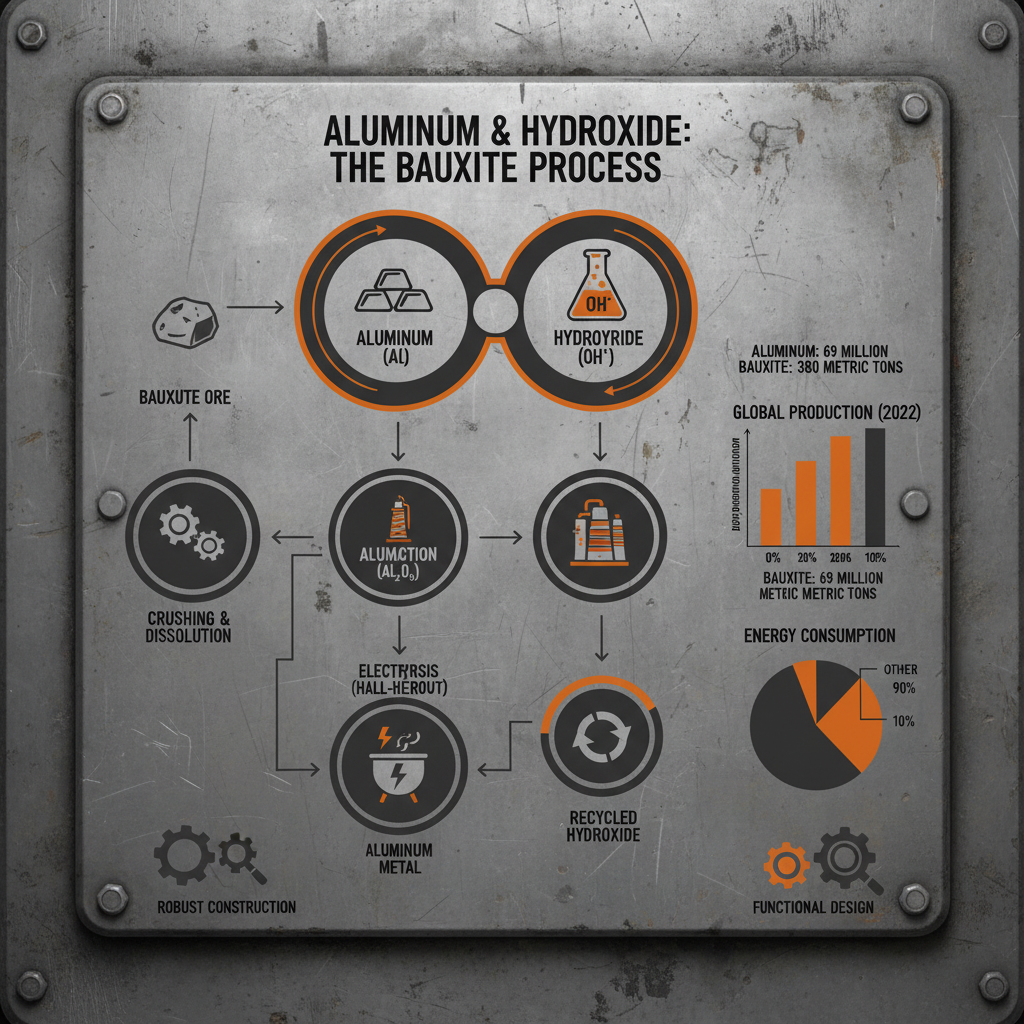
Aluminum and hydroxide compounds are integral to numerous industrial processes and daily life applications. According to the United Nations, global aluminum production reached over 68 million metric tons in 2022, demonstrating its critical role in infrastructure, transportation, and packaging. The increasing demand for clean water is driving the use of aluminum sulfate and polyaluminum chloride, both derived from aluminum and hydroxide, in water treatment facilities worldwide.
This global reliance on aluminum and hydroxide, however, is not without its challenges. Concerns regarding the environmental impact of aluminum production, particularly energy consumption and bauxite mining, necessitate a shift towards more sustainable practices. Organizations like the International Aluminum Institute (IAI) are actively promoting responsible aluminum production and advocating for circular economy principles.
The challenge lies in balancing the increasing demand for aluminum and hydroxide with the need to minimize environmental footprint and ensure resource availability for future generations. Addressing this requires innovation in production technologies, improved recycling rates, and the development of alternative materials with comparable properties, creating a demand for a deep understanding of the core benefits of aluminum and hydroxide itself.
Definition & Meaning
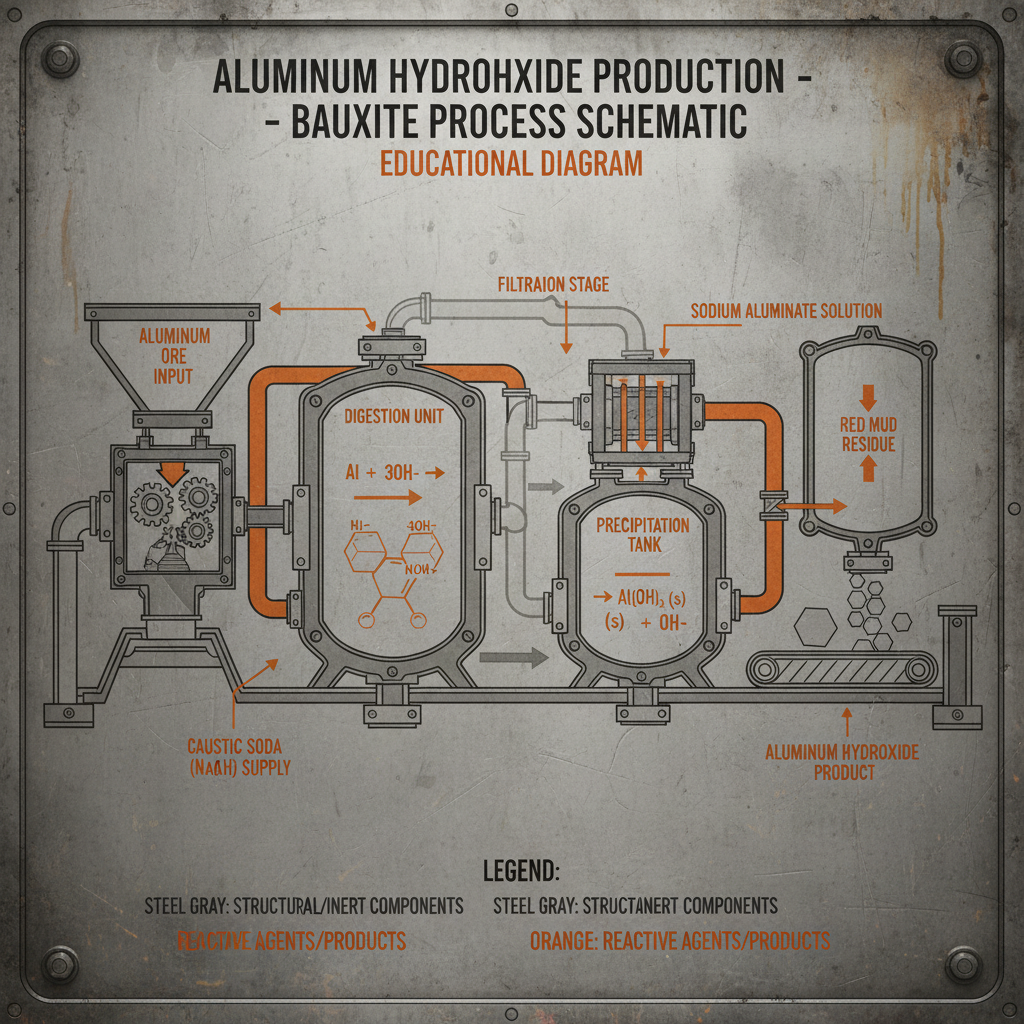
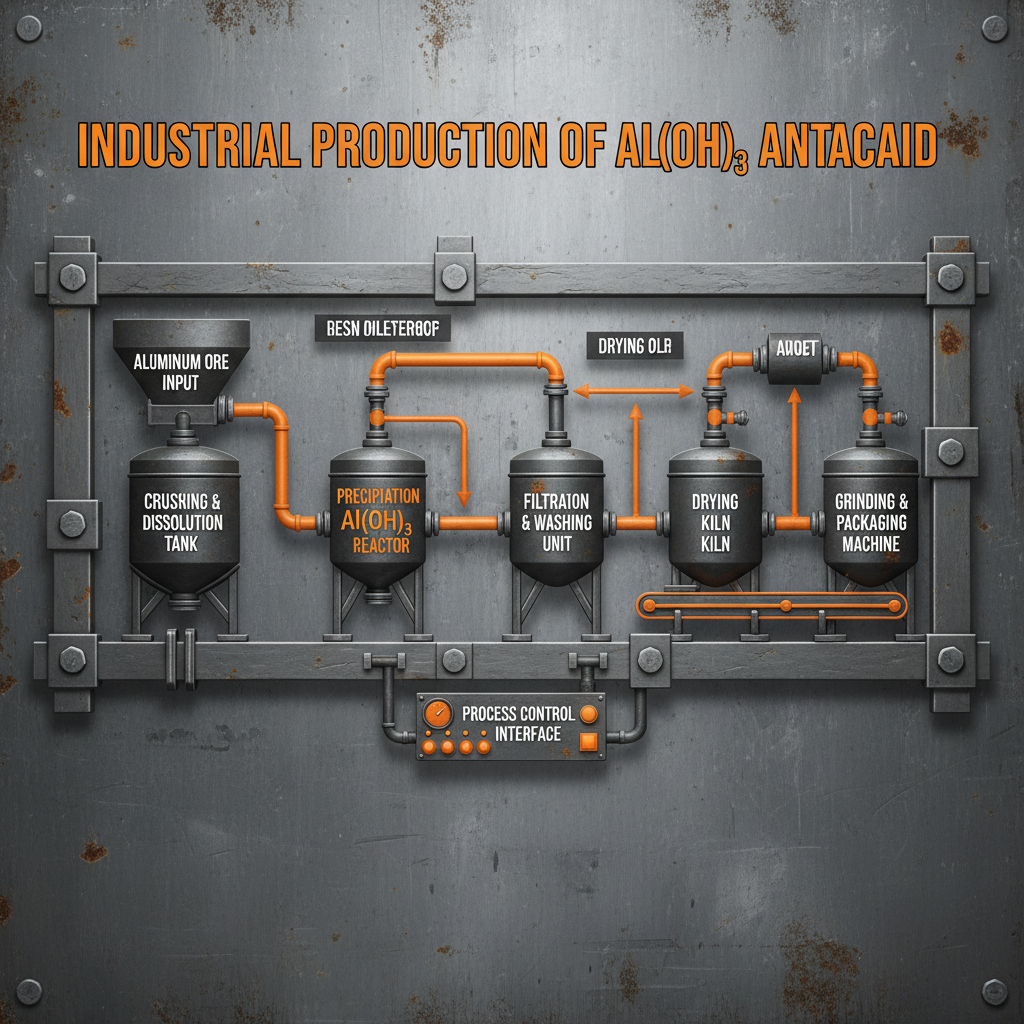
Aluminum and hydroxide refer to a family of chemical compounds formed from the combination of aluminum and the hydroxyl group (OH-). These compounds exhibit diverse properties depending on the specific chemical structure and aluminum-to-hydroxide ratio. Common forms include aluminum hydroxide [Al(OH)3], a white, gelatinous precipitate, and various aluminum sulfates and chlorides utilized extensively in industrial applications.
The significance of aluminum and hydroxide lies in their unique amphoteric nature - they can react with both acids and bases. This characteristic makes them exceptionally effective in water treatment, where they act as coagulants, removing suspended particles and impurities. Beyond water purification, aluminum and hydroxide are vital components in the production of pharmaceuticals, ceramics, paper, and even flame retardants.
Their connection to modern humanitarian needs is also noteworthy. Aluminum hydroxide, as an antacid, provides relief from heartburn and indigestion. Furthermore, aluminum sulfate is crucial for disinfecting water supplies in emergency situations, ensuring access to safe drinking water in disaster zones and developing regions. This highlights their essential role in both industrial progress and the betterment of global health.
Key Factors or Core Components
Reactivity: The amphoteric nature of aluminum and hydroxide, as previously mentioned, is a defining characteristic. This allows them to interact with a wide range of substances, enabling their use in numerous chemical processes. This is particularly valuable in situations where pH adjustment or selective precipitation is required.
Coagulation Efficiency: Aluminum and hydroxide compounds are exceptionally effective coagulants. Their ability to neutralize the negative charges of suspended particles in water causes them to clump together, forming larger flocs that can be easily removed through sedimentation or filtration. This capability is crucial for producing potable water and treating wastewater.
Cost-Effectiveness: Compared to many alternative materials, aluminum and hydroxide compounds are relatively inexpensive to produce and readily available. This affordability makes them a practical choice for large-scale applications, such as water treatment and paper manufacturing, particularly in developing countries.
Thermal Stability: Certain forms of aluminum and hydroxide, like alumina (aluminum oxide, Al2O3), exhibit high thermal stability, making them suitable for use in high-temperature applications such as ceramics, refractories, and catalyst supports. This allows them to maintain their structural integrity and functionality even under extreme conditions.
Versatility: Aluminum and hydroxide compounds can be modified and tailored to specific applications through various chemical processes. This flexibility allows for the creation of specialized products with optimized properties, expanding their utility across a broad spectrum of industries.
Non-toxicity (in controlled doses): While excessive aluminum intake can be harmful, aluminum and hydroxide compounds, when used within recommended limits, are generally considered safe for applications such as antacids and water treatment, contributing to their widespread acceptance.
Global Applications & Use Cases
Aluminum and hydroxide find extensive applications globally. In North America and Europe, they are primarily used in water treatment plants to ensure safe drinking water for millions. The pulp and paper industry relies heavily on aluminum sulfate for sizing, improving paper quality and printability.
In Asia, particularly in rapidly industrializing countries like China and India, the demand for aluminum and hydroxide is driven by expanding infrastructure projects and increasing industrial output. They are integral to the production of aluminum alloys used in construction, transportation, and electronics.
In post-disaster relief operations, aluminum sulfate serves as a rapid and effective method for disinfecting contaminated water sources, preventing the spread of waterborne diseases. In remote industrial zones, where access to advanced water treatment technologies is limited, aluminum and hydroxide compounds provide a practical and cost-effective solution for water purification.
Aluminum and Hydroxide Application Breakdown
Advantages & Long-Term Value
The use of aluminum and hydroxide provides substantial cost benefits, particularly in water treatment where they offer a highly effective and economical solution for removing impurities. The long-term value extends beyond mere cost savings, encompassing improved public health through safer water supplies and reduced environmental impact through efficient purification processes.
Sustainability is another key advantage. While aluminum production does have environmental consequences, ongoing research into closed-loop systems and recycling technologies is significantly reducing its carbon footprint. Aluminum is also highly recyclable, further contributing to resource conservation. This promotes a more circular economy, aligning with global sustainability goals.
Future Trends & Innovations
Ongoing research is focused on developing more sustainable aluminum production methods, including the use of renewable energy sources and the reduction of greenhouse gas emissions. Innovations in electrolysis technology aim to lower energy consumption and improve efficiency.
The development of novel aluminum alloys with enhanced properties is also a key area of focus. These alloys are poised to revolutionize industries like aerospace and automotive, enabling lighter, stronger, and more fuel-efficient vehicles. Digital transformation plays a significant role, with advancements in process control and data analytics optimizing aluminum and hydroxide production processes.
Challenges & Solutions
A primary challenge is the environmental impact of bauxite mining, the raw material for aluminum production. Solutions include developing more sustainable mining practices, exploring alternative sources of aluminum, and investing in advanced recycling technologies.
Another concern is the energy intensity of aluminum smelting. Transitioning to renewable energy sources and implementing energy-efficient technologies can significantly reduce the carbon footprint of aluminum production. Further innovation in production processes can lead to more efficient use of resources, reducing waste and minimizing environmental damage.
Addressing public perception regarding aluminum's potential health effects is also crucial. Transparent communication and ongoing research to demonstrate the safety of aluminum compounds in regulated applications can build trust and ensure responsible use.
Table Summarizing Key Challenges and Solutions for Aluminum and Hydroxide
| Challenge Area |
Specific Challenge |
Proposed Solution |
Implementation Difficulty (1-10) |
| Environmental Impact |
Bauxite Mining Degradation |
Rehabilitation Programs & Sustainable Mining |
7 |
| Energy Consumption |
High Energy Demand of Smelting |
Renewable Energy Integration & Improved Efficiency |
6 |
| Resource Depletion |
Limited Bauxite Reserves |
Enhanced Recycling & Alternative Sources |
5 |
| Waste Management |
Red Mud Disposal Challenges |
Red Mud Utilization Research & Safe Storage |
8 |
| Public Perception |
Concerns about Aluminum Toxicity |
Transparent Research & Clear Communication |
4 |
| Supply Chain Resilience |
Geopolitical Risks in Bauxite Supply |
Diversification of Supply Sources |
6 |
FAQS
Aluminum hydroxide acts as a highly effective coagulant in water treatment. It neutralizes the electrical charges of suspended particles, causing them to clump together into larger flocs. These flocs then settle out of the water or are easily removed by filtration, resulting in clearer, safer drinking water. It’s also effective in removing phosphorus, a common pollutant. Its relatively low cost makes it a widely adopted solution globally.
While aluminum sulfate is effective, its environmental impact is a consideration. Bauxite mining, the source of aluminum, can cause habitat destruction. The production process also requires energy. However, advancements in sustainable mining practices, increased recycling rates, and the use of renewable energy sources are mitigating these impacts. Proper management of the resulting “red mud” is crucial to minimize environmental harm.
Excessive aluminum intake can be linked to health concerns, though the levels found in treated water and most antacids are generally considered safe within regulated limits. Ongoing research continues to assess potential long-term effects. It’s important to note that the human body has natural mechanisms for eliminating aluminum. The risks are generally minimal for those following recommended dosages and consuming water within established safety standards.
Aluminum hydroxide often offers a cost-effective alternative to other coagulants like ferric chloride or polyacrylamides. It performs effectively across a wider pH range than some alternatives. However, ferric chloride can be more effective in colder water, and polyacrylamides can require less chemical dosing. The optimal choice depends on specific water characteristics and treatment goals.
Significant innovations include the development of more energy-efficient smelting processes, the use of renewable energy sources in aluminum production, and advanced recycling technologies that recover aluminum from scrap. Research into utilizing “red mud” – a byproduct of aluminum production – as a raw material for other industries is also promising. The focus is on creating a circular economy for aluminum.
Beyond water treatment and industrial applications, aluminum and hydroxide compounds are being explored for use in advanced battery technologies, as components in high-performance ceramics, and even in biomedical applications such as drug delivery systems. Their versatility and unique chemical properties make them a subject of ongoing research across diverse scientific fields.
Conclusion
Aluminum and hydroxide compounds are indispensable materials with a broad range of applications impacting industries from water purification and manufacturing to healthcare and emerging technologies. Their cost-effectiveness, versatility, and ability to address critical global challenges like access to clean water have cemented their importance in modern society. Understanding the nuances of these compounds, and their responsible production and use, is paramount for ensuring continued benefits.
Looking ahead, continued innovation in sustainable production methods, enhanced recycling technologies, and the exploration of novel applications will be crucial for maximizing the long-term value of aluminum and hydroxide. Investing in research and development, promoting circular economy principles, and fostering international collaboration will be essential to unlocking the full potential of these vital materials and building a more sustainable future. To learn more about our aluminum and hydroxide products and solutions, visit our website: www.tengerchemical.com