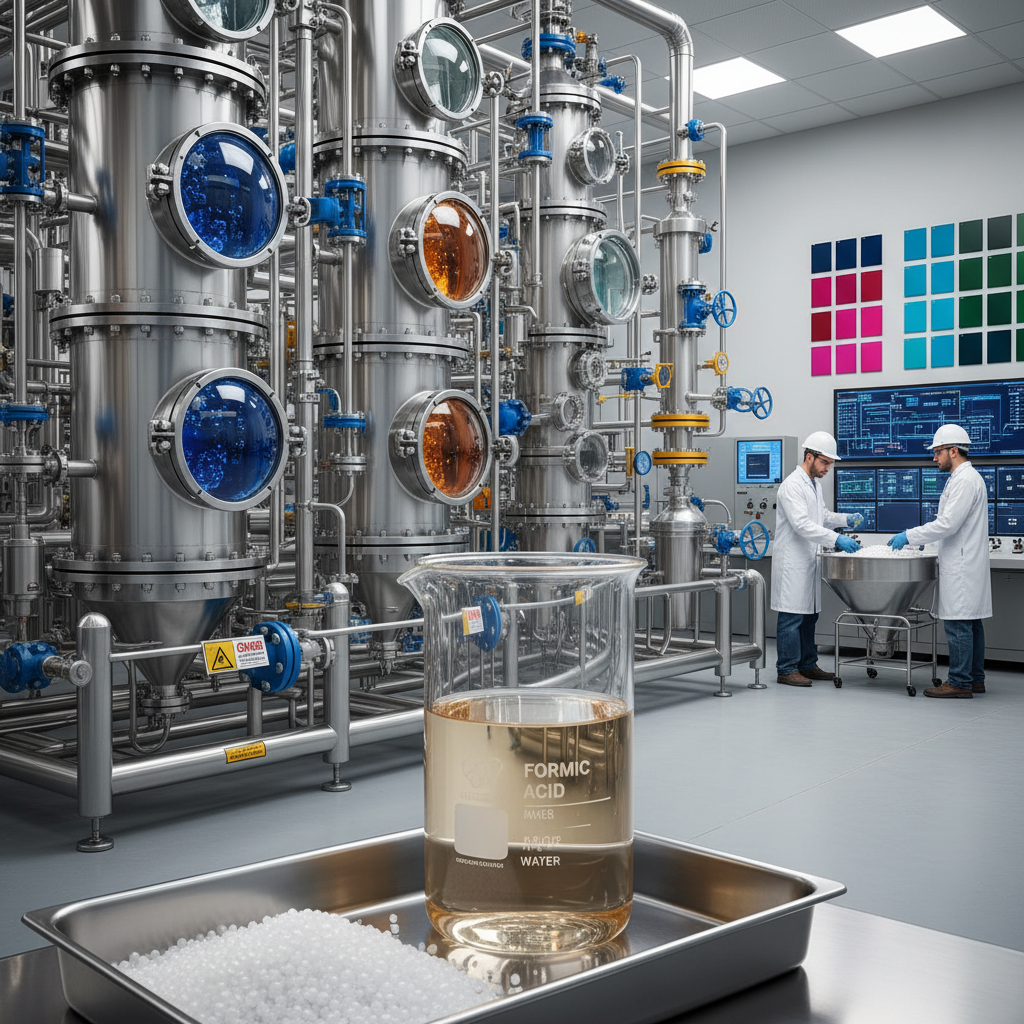
Formic acid, HCOOH, isn’t just a chemical formula scribbled in a lab notebook – it's a workhorse. I’ve seen it used on sites everywhere, from preserving animal feed to acting as a key ingredient in leather processing. It’s a relatively simple molecule, but incredibly versatile. And frankly, as someone spending their days knee-deep in construction dust and dealing with material logistics, I appreciate a solution that simplifies things. The demand for formic acid is steadily climbing – driven by its applications in everything from silage preservation to the pharmaceutical industry. It’s a signal of growing efficiency across multiple sectors.
But it’s not just about its existing uses. We’re seeing a surge in interest in formic acid as a potential liquid organic hydrogen carrier (LOHC). That's the big one. The ability to store and transport hydrogen safely and efficiently is a massive hurdle in the transition to a hydrogen economy, and formic acid could be a game-changer. I've been in meetings with engineers wrestling with hydrogen storage solutions for years, and this stuff has real potential to address their headaches. It directly impacts how we build a sustainable future, impacting everything from transportation to power generation.
What makes formic acid particularly interesting, especially for applications on-site, is its relative safety. Compared to other acids, it's less corrosive, and its lower toxicity profile means easier handling and reduced risk during transport and application. That translates to cost savings on safety equipment and training, and it’s frankly, peace of mind. We're not just dealing with chemicals, we're dealing with people’s well-being. It’s a subtle but critical factor.
The Global Significance of Formic Acid HCOOH
The global formic acid market is currently valued at around USD 600 million and is projected to reach over USD 800 million by 2028, demonstrating a significant growth trajectory. According to data from the Food and Agriculture Organization of the United Nations (FAO), formic acid is vital for preserving over 20% of the world’s silage, a critical feed source for livestock. This isn’t just about agricultural efficiency; it’s about global food security. formic acid hcooh plays a fundamental, yet often unseen, role in maintaining stable food supplies.
A major challenge we face is the increasing demand for sustainable and environmentally friendly solutions. Traditional methods of preserving feed and processing materials often rely on harsher chemicals. Formic acid presents a viable alternative, offering comparable effectiveness with a reduced environmental footprint. That's a powerful message, and one that's resonating more and more with clients and regulatory bodies.
Defining Formic Acid HCOOH
Simply put, formic acid (HCOOH) is the simplest carboxylic acid. It’s a colorless liquid with a pungent odor – you’ll definitely know when you’re around it! What sets it apart is its natural occurrence; it's found in ants (hence the name, derived from the Latin 'formica' meaning ant) and stinging nettles. But don’t think of it as a natural product in the sense of being harvested directly. Today, most formic acid is produced synthetically, mainly as a byproduct of acetic acid production or through the hydrolysis of methyl formate.
Its relevance to modern industry stems from its unique chemical properties. It acts as a preservative, an antibacterial agent, and a reducing agent. That broad range of functionality is why you'll find it in so many different applications. It isn’t glamorous, but it's indispensable.
Looking at humanitarian needs, formic acid's role in preserving livestock feed becomes crucial in disaster relief and areas facing food shortages. Reliable feed preservation minimizes waste and ensures that animals have a sustainable food source.
Key Properties of Formic Acid HCOOH
One of the key properties of formic acid is its acidity. While not as strong as hydrochloric or sulfuric acid, it's still potent enough to effectively lower pH levels, making it ideal for preservation applications. This acidity also allows it to act as a catalyst in various chemical processes. I've seen it used to accelerate reactions in textile dyeing and rubber production, significantly improving efficiency.
Another important characteristic is its miscibility with water and most polar organic solvents. This means it mixes easily, simplifying its use in formulations and processes. It’s a huge advantage on-site, where you often need to blend chemicals with varying properties. The ease of mixing reduces handling time and minimizes the risk of separation or stratification.
Finally, its biodegradability is a major selling point. Compared to many synthetic preservatives, formic acid breaks down relatively quickly in the environment, reducing its long-term impact. We’re under increasing pressure to use environmentally responsible products, and formic acid ticks that box. formic acid hcooh is becoming the go-to choice for companies committed to sustainability.
Applications and Practical Uses of Formic Acid HCOOH
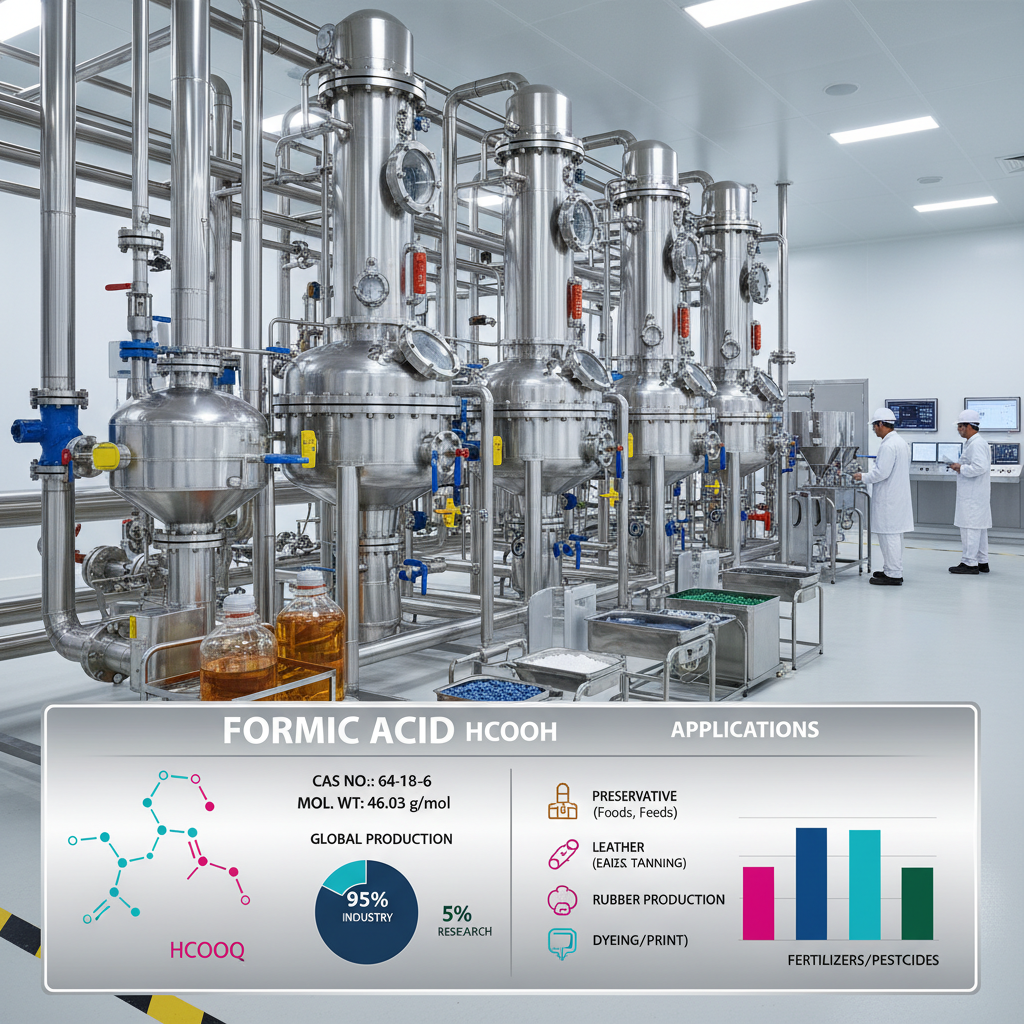
The applications are vast. In agriculture, it's primarily used as a silage preservative, inhibiting the growth of undesirable bacteria and fungi. It also finds applications in leather tanning, where it helps to adjust pH and improve the quality of the leather. I've seen it used extensively in tanneries in Asia, where maintaining consistent quality is paramount.
Beyond that, formic acid is employed in the production of animal feed additives, pharmaceuticals, and even as a component in some rubber and plastic manufacturing processes. Its versatility is really what sets it apart. It's a foundational building block for a surprisingly wide range of products.
Formic Acid HCOOH Application Efficiency
Global Applications & Use Cases of Formic Acid HCOOH
In Brazil, formic acid is extensively used in the preservation of sugarcane bagasse, a byproduct of sugar production, which is then used as animal feed. It's a critical component of their agricultural supply chain. In Europe, the focus is heavily on silage preservation for dairy and livestock farming, particularly in countries like Germany and France.
Across Asia, particularly in China and India, formic acid sees widespread use in the textile industry for dyeing and finishing processes. It’s a cost-effective solution for achieving vibrant and durable colors. We’ve also seen increased demand from the pharmaceutical sector in these regions, driven by growing healthcare infrastructure and pharmaceutical manufacturing capabilities.
What’s fascinating is the emerging interest in formic acid as an LOHC in countries investing heavily in hydrogen infrastructure, like Japan and South Korea. These nations are looking for safe and efficient ways to store and transport hydrogen, and formic acid is a strong contender.
Advantages and Long-Term Value of Formic Acid HCOOH
The cost-effectiveness of formic acid is a major draw. Compared to some alternative preservatives and chemicals, it’s significantly cheaper, allowing businesses to maintain profitability without compromising quality. That’s a big deal, especially for smaller operations.
Its environmental profile is another key advantage. The biodegradability reduces environmental impact, aligning with increasingly stringent regulations and consumer demand for sustainable products. It builds trust with customers and stakeholders.
Beyond these tangible benefits, there’s the safety aspect. The lower toxicity and corrosivity of formic acid reduce risks for workers and simplify handling procedures, creating a safer work environment. That’s not just good business; it’s the right thing to do.
Future Trends and Innovations in Formic Acid HCOOH
The biggest trend, without question, is the development of formic acid as a Liquid Organic Hydrogen Carrier (LOHC). This involves converting hydrogen into formic acid for storage and transport, then releasing the hydrogen at the point of use through a catalytic process. Several pilot projects are underway globally, exploring the feasibility of large-scale hydrogen storage using formic acid.
Another exciting area is the development of more efficient and sustainable production methods for formic acid. Researchers are exploring innovative catalytic processes and alternative feedstocks to reduce the environmental footprint of its production. Digitalization and process automation are also playing a role, optimizing production efficiency and reducing waste.
We’re also seeing increasing integration of formic acid into smart agriculture systems. Sensors and data analytics are being used to optimize formic acid application rates for silage preservation, maximizing efficiency and minimizing waste. It's about applying technology to solve real-world problems.
Analysis of Formic Acid HCOOH Production and Application Challenges
| Challenge Area |
Severity (1-10) |
Potential Solution |
Implementation Cost (USD) |
| Production Cost |
7 |
Develop new, more efficient catalytic processes |
500,000 |
| Transportation Logistics |
6 |
Optimize supply chain and explore regional production hubs |
200,000 |
| Safety Concerns (Handling) |
5 |
Implement robust safety training programs and automated handling systems |
100,000 |
| Competition from Alternatives |
8 |
Highlight the environmental benefits and long-term cost savings of formic acid |
50,000 |
| Regulatory Hurdles |
4 |
Proactive engagement with regulatory bodies and data-driven advocacy |
25,000 |
| Scaling LOHC Production |
9 |
Invest in large-scale production facilities and research into efficient hydrogen release methods |
1,000,000 |
FAQS
While less corrosive than many other acids, formic acid is still an irritant. Always wear appropriate personal protective equipment (PPE) – gloves, eye protection, and a respirator if working in a poorly ventilated area. Avoid contact with skin and eyes, and ensure adequate ventilation to prevent inhalation of vapors. Understanding the safety data sheet (SDS) is crucial before handling the product.
Formic acid is highly effective at inhibiting undesirable microbial growth in silage, often comparable to or even exceeding the performance of other organic acids like acetic or propionic acid. Its rapid penetration and broad-spectrum antimicrobial activity contribute to its effectiveness. The specific effectiveness will depend on the crop, storage conditions, and application rate.
Yes, formic acid is generally considered more sustainable than many traditional chemical preservatives. It's biodegradable, breaking down into naturally occurring substances. While its production does have an environmental footprint, ongoing research focuses on developing more sustainable production methods. Compared to persistent pollutants, formic acid offers a significantly reduced environmental impact.
The primary cost factors include the price of the formic acid itself, transportation costs, storage requirements, and the cost of any necessary safety equipment and training. However, these costs are often offset by its effectiveness, reduced waste, and improved product quality. Optimizing application rates and sourcing from reliable suppliers can also help minimize costs.
Formic acid is a promising Liquid Organic Hydrogen Carrier (LOHC). Research is ongoing to improve the efficiency of hydrogen release and the overall energy balance. Barriers to wider adoption include the cost of the catalysts used in the hydrogen release process and the need for specialized infrastructure for handling and processing. Significant investment and technological advancements are required.
The purity of formic acid is critical. Impurities can affect its effectiveness, cause unwanted side reactions, and even compromise product quality. For applications like silage preservation, technical grade formic acid is often sufficient. However, for pharmaceutical or electronic applications, high-purity formic acid is essential to ensure optimal performance and prevent contamination.
Conclusion
Formic acid, HCOOH, is more than just a chemical – it’s a versatile tool with a growing role in a wide range of industries, from agriculture and leather processing to potentially revolutionizing hydrogen storage. Its combination of effectiveness, cost-efficiency, and relative safety makes it a compelling choice for businesses looking to improve their processes and reduce their environmental impact. As a product manager spending my days on job sites, I can attest to its practical value.
Looking ahead, the future of formic acid is bright, particularly as research into its use as a Liquid Organic Hydrogen Carrier gains momentum. Continued innovation in production methods and application technologies will unlock even greater potential. If you're looking for a reliable, sustainable, and versatile chemical solution, explore the possibilities of formic acid. Visit our website: www.tengerchemical.com.