TEL: 0086-311-88862036



Benzotriazole CAS numbers are critical identifiers for this versatile organic compound, frequently employed as a corrosion inhibitor, particularly for copper and its alloys. Understanding its properties and applications is paramount across various industries, from automotive coolant systems to metalworking fluids and even photographic chemicals. The ability to accurately identify and source benzotriazole, verified through its CAS registry number, ensures product quality, regulatory compliance, and ultimately, process efficiency. benzotriazole cas plays a vital role in extending the lifespan of metallic components and reducing maintenance costs globally.
The global demand for effective corrosion inhibitors is steadily increasing, driven by factors such as aging infrastructure, stringent environmental regulations concerning heavy metal discharge, and the need for more sustainable materials. Benzotriazole, alongside its derivatives, represents a significant portion of this market, with consistent growth projected over the coming years. Reliable access to benzotriazole with a verified benzotriazole cas number is, therefore, essential for industries striving for operational excellence and adherence to safety standards.
The compound’s relatively low cost and high efficacy contribute to its widespread adoption, making it a cornerstone in preventative maintenance programs worldwide. Ensuring purity and consistent quality, traceable by its unique benzotriazole cas identifier, remains a critical challenge for manufacturers and end-users alike.
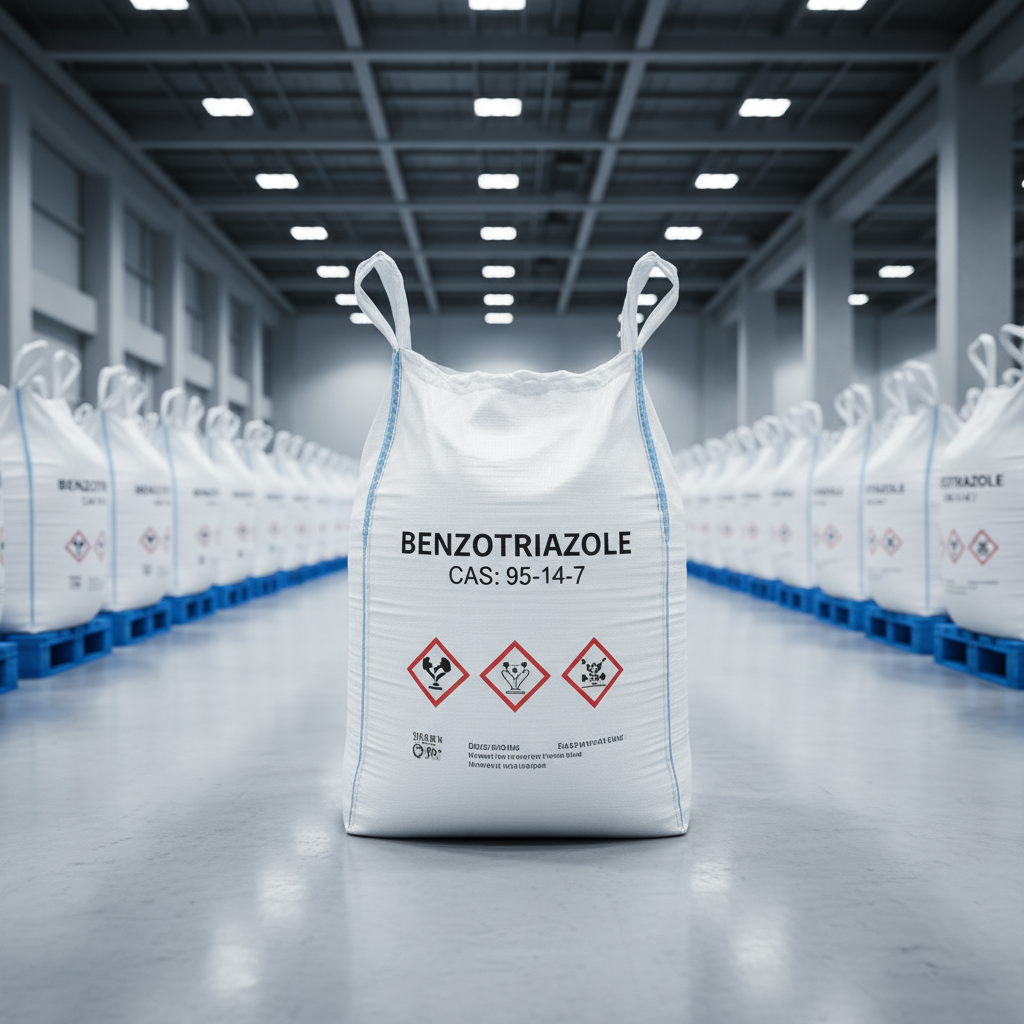
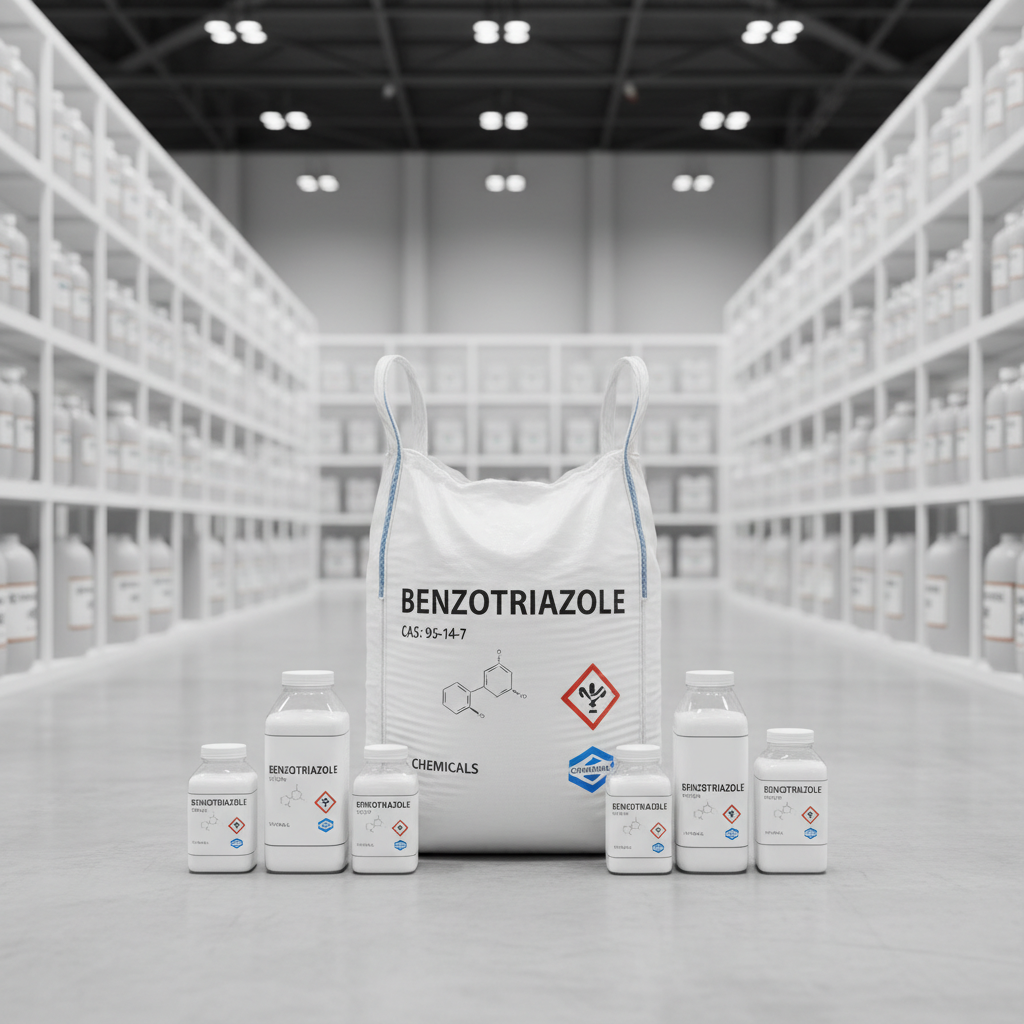
The reliable identification of benzotriazole through its CAS number is central to quality control in manufacturing. Industries relying on this compound cannot afford ambiguity; the benzotriazole cas number ensures the correct chemical is being used, preventing potentially catastrophic failures due to material incompatibility or substandard performance.
Furthermore, the CAS number simplifies procurement processes, streamlining supply chains and reducing the risk of errors. Utilizing benzotriazole cas in product specifications is a best practice for ensuring traceability and accountability throughout the entire manufacturing lifecycle.
Benzotriazole, recognized by its CAS number (typically 95-14-7), is predominantly used as a corrosion inhibitor, particularly for copper and its alloys. Key applications include engine coolants, metalworking fluids, and anti-freeze formulations. It’s also utilized in photographic emulsions and as a UV stabilizer in some plastics, ensuring the integrity and longevity of materials in diverse industrial settings.
The CAS number serves as a unique identifier, guaranteeing that the purchased benzotriazole is the correct chemical compound and meets specific purity standards. Using the benzotriazole cas number in procurement ensures traceability and reduces the risk of receiving substandard or counterfeit materials, safeguarding product quality and preventing potential failures in applications.
Benzotriazole can cause skin and eye irritation. Always wear appropriate personal protective equipment (PPE), including gloves, safety glasses, and a lab coat, when handling the compound. Ensure adequate ventilation, and avoid inhalation of dust or vapors. Refer to the Safety Data Sheet (SDS) associated with the benzotriazole cas number for comprehensive safety information.
Benzotriazole's environmental impact is a growing concern. While effective, it can persist in wastewater. Ongoing research focuses on developing more biodegradable alternatives and improving wastewater treatment technologies to remove benzotriazole before discharge. Responsible usage and adherence to environmental regulations are crucial. Verify the benzotriazole cas number and SDS for specific environmental guidelines.
Cross-reference the benzotriazole cas number listed on the product label and SDS with reputable chemical databases, such as ChemSpider or PubChem. Request a Certificate of Analysis (COA) from the supplier, which provides detailed quality control data. A reliable supplier will readily provide this information.
Benzotriazole typically has a shelf life of several years when stored properly. It should be kept in a tightly sealed container in a cool, dry, and well-ventilated area, away from direct sunlight and incompatible materials. Refer to the SDS associated with the specific benzotriazole cas number for detailed storage instructions.
In conclusion, benzotriazole, uniquely identified by its CAS number, remains a crucial component in corrosion prevention across a multitude of industries. Its effectiveness, cost-efficiency, and widespread availability contribute to its continued relevance in maintaining infrastructure integrity and extending the lifespan of vital equipment. Understanding its properties, applications, and responsible handling practices is paramount for professionals seeking to optimize performance and ensure long-term sustainability.
Looking ahead, ongoing research and innovation focused on developing more environmentally friendly derivatives and leveraging advanced monitoring technologies will further enhance the value of benzotriazole in the fight against corrosion. For reliable sourcing and detailed technical information, visit our website at www.tengerchemical.com.