1 hydroxy benzotriazole is a versatile organic compound with increasing importance in diverse chemical applications, particularly as a crucial additive in peptide synthesis and as a corrosion inhibitor. Its unique molecular structure allows it to participate in a wide range of chemical reactions, making it a valuable tool for chemists and material scientists globally. Understanding its properties and applications is vital for advancing research and development in numerous industries.
The global demand for 1 hydroxy benzotriazole is driven by the expanding pharmaceutical, agrochemical, and materials science sectors. Increasing research into novel peptide-based therapeutics and the need for effective corrosion protection in critical infrastructure contribute to its growing market. ISO standards and regulatory frameworks increasingly emphasize the use of reliable and high-purity chemical reagents, further boosting the demand for quality 1 hydroxy benzotriazole.
This compound addresses critical challenges in chemical synthesis, such as minimizing racemization during peptide coupling and enhancing the longevity of metallic components exposed to harsh environments. Its ability to facilitate efficient and selective chemical transformations makes it indispensable in modern industrial processes. 1 hydroxy benzotriazole is therefore a cornerstone of many cutting-edge technologies.
Introduction to 1 hydroxy benzotriazole
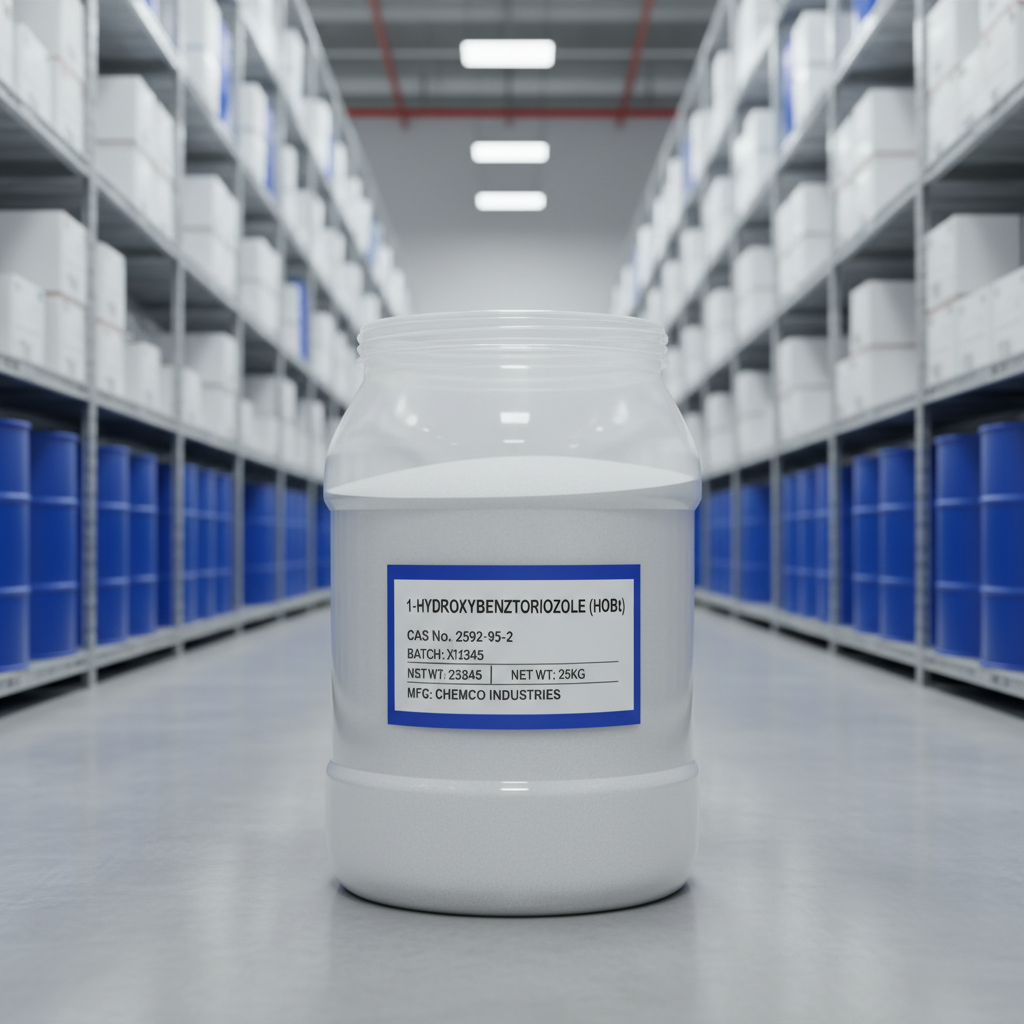
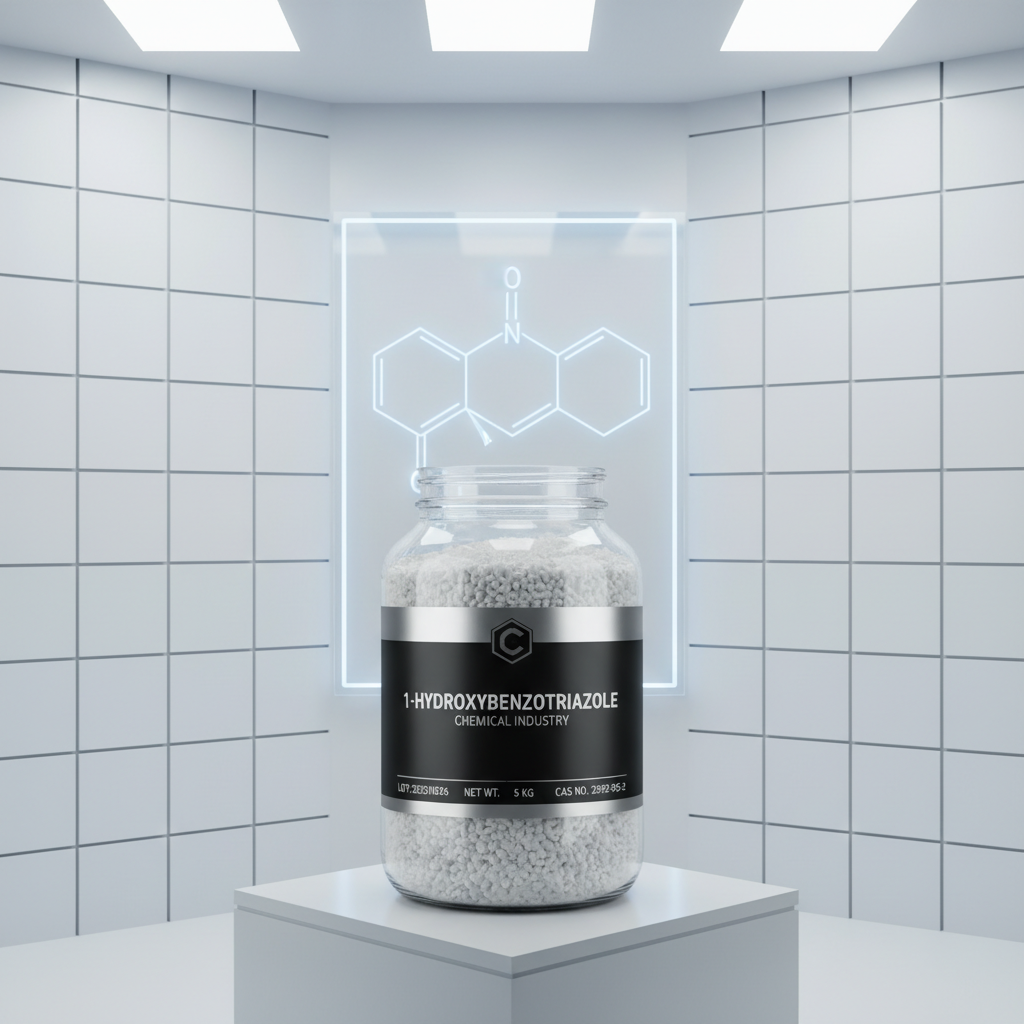
1 hydroxy benzotriazole (HOBt) is a heterocyclic aromatic organic compound, typically appearing as a white to off-white crystalline powder. Its chemical formula is C6H5N3O, and it's characterized by a benzotriazole ring with a hydroxyl group attached. This seemingly simple structure underpins its remarkable utility in numerous chemical applications.
Its significance extends beyond the laboratory; HOBt is integral to processes that directly impact modern life. From the synthesis of life-saving pharmaceuticals to the protection of crucial infrastructure from corrosion, 1 hydroxy benzotriazole plays a quiet but essential role. As such, understanding its properties and applications is increasingly crucial for advancements in various scientific and industrial fields.
The Chemical Foundation of 1 hydroxy benzotriazole
The core of 1 hydroxy benzotriazole’s functionality lies in its unique chemical structure. The benzotriazole ring system provides stability and aromaticity, while the hydroxyl group introduces a reactive site for various chemical transformations. This combination allows HOBt to act as an efficient coupling reagent, particularly in peptide synthesis, by activating carboxyl groups.
Its reactivity stems from its ability to form active esters with carboxylic acids. These active esters are more susceptible to nucleophilic attack by amines, leading to amide bond formation – the fundamental reaction in peptide synthesis. This efficient coupling process minimizes unwanted side reactions, such as racemization, ensuring high-quality peptide products.
The tautomeric nature of 1 hydroxy benzotriazole also contributes to its versatility. The hydroxyl group can readily shift between a protonated and deprotonated form, influencing its reactivity and solubility in different solvents. 1 hydroxy benzotriazole’s chemical foundation is therefore key to its widespread application in complex chemical processes.
Key Properties Influencing Applications
Several key properties make 1 hydroxy benzotriazole invaluable in diverse applications. These include its high solubility in organic solvents, its ability to form stable active esters, and its relatively low toxicity compared to some alternative coupling reagents. These properties contribute directly to its ease of use and safety in laboratory and industrial settings.
Furthermore, the compound exhibits excellent thermal stability, allowing it to withstand elevated temperatures encountered in some chemical processes. Its crystalline structure contributes to its purity and ease of handling. These physical and chemical characteristics combine to provide a reliable and predictable reagent for demanding applications.
The ability of 1 hydroxy benzotriazole to act as a ligand for metal ions also opens up possibilities for its use in catalysis and materials science. This ligand behavior allows for the creation of complex structures with tailored properties, expanding its potential applications beyond traditional chemical synthesis.
Performance Metrics of 1 hydroxy benzotriazole
Evaluating the performance of 1 hydroxy benzotriazole requires considering several key metrics. Coupling efficiency, which measures the rate and completeness of amide bond formation, is a critical parameter. High coupling efficiency translates to increased product yield and reduced waste.
Another important metric is the level of racemization – the unwanted conversion of chiral amino acids into their enantiomers. HOBt effectively minimizes racemization during peptide synthesis, ensuring the optical purity of the final product. This is especially vital for pharmaceutical applications where stereochemical integrity is paramount.
1 hydroxy benzotriazole Performance Comparison
Global Applications and Industrial Uses
The primary application of 1 hydroxy benzotriazole is in peptide synthesis, where it serves as a crucial additive to minimize racemization and enhance coupling efficiency. This is vital in the production of pharmaceutical peptides, research-grade peptides, and custom peptide sequences.
Beyond peptide chemistry, HOBt finds application as a corrosion inhibitor for copper and other metals. It forms a protective layer on the metal surface, preventing oxidation and degradation in corrosive environments. This makes it valuable in the electronics, automotive, and industrial equipment sectors.
Benefits and Sustainable Value
Employing 1 hydroxy benzotriazole offers several tangible benefits. It increases reaction yields, reduces waste generation, and minimizes the formation of unwanted byproducts. These factors translate to lower production costs and enhanced sustainability.
Furthermore, the reliable performance of HOBt contributes to the quality and safety of end products, especially in the pharmaceutical industry. By ensuring the integrity of peptide structures, it supports the development of effective and safe therapeutics. This long-term value fosters trust and innovation within the chemical and pharmaceutical communities.
The adoption of HOBt aligns with principles of green chemistry, promoting efficient and environmentally responsible chemical processes.
Future Trends and Technological Advancements
Ongoing research explores new applications of 1 hydroxy benzotriazole beyond its traditional roles. This includes investigations into its use as a component in novel materials, such as organic light-emitting diodes (OLEDs) and advanced polymers.
The integration of flow chemistry and microreactors with HOBt-mediated reactions offers the potential for even greater control and efficiency in chemical synthesis. Digital automation and machine learning are also being employed to optimize reaction conditions and predict product outcomes.
Developments in sustainable chemistry are driving research into greener alternatives for HOBt production and recycling, minimizing its environmental impact and promoting a circular economy. 1 hydroxy benzotriazole’s future is intertwined with these advancements.
Summary of 1 hydroxy benzotriazole Challenges and Solutions
| Challenge Area |
Current Limitation |
Potential Solution |
Implementation Difficulty (1-10) |
| Cost |
Relatively high production costs |
Optimized synthesis routes & bulk purchasing |
6 |
| Waste Generation |
Formation of benzotriazole as a byproduct |
Recycling methods for benzotriazole |
8 |
| Solvent Use |
Reliance on organic solvents |
Implementation of aqueous-based systems |
7 |
| Purity Control |
Maintaining high purity levels |
Advanced purification techniques |
5 |
| Supply Chain |
Potential supply chain disruptions |
Diversification of suppliers |
4 |
| Regulatory Compliance |
Meeting evolving regulatory standards |
Proactive monitoring of regulations |
6 |
FAQS
1 hydroxy benzotriazole (HOBt) serves as a crucial additive in peptide synthesis to prevent racemization, the unwanted conversion of chiral amino acids to their enantiomers. It achieves this by forming active esters with carboxylic acids, increasing their reactivity towards amines and facilitating efficient amide bond formation while minimizing side reactions. This ensures high optical purity of the resulting peptides, essential for pharmaceutical applications.
1 hydroxy benzotriazole functions as a corrosion inhibitor by forming a protective, insoluble complex on the metal surface, typically copper or its alloys. This layer prevents the metal from interacting with corrosive agents in the environment, such as oxygen and water, effectively slowing down the oxidation and degradation processes. This protective barrier significantly extends the lifespan of metal components.
While 1 hydroxy benzotriazole itself is not inherently considered a ‘green’ chemical, efforts are underway to minimize its environmental impact. These include optimizing synthesis routes to reduce waste, exploring recycling methods for the benzotriazole byproduct, and developing aqueous-based alternatives to traditional organic solvent systems. The focus is on more sustainable production and usage practices.
1 hydroxy benzotriazole is generally considered to have low toxicity, but standard laboratory safety procedures should always be followed. This includes wearing appropriate personal protective equipment (PPE) such as gloves, safety glasses, and a lab coat. Avoid inhalation of dust and ensure adequate ventilation during handling. Refer to the Safety Data Sheet (SDS) for detailed safety information.
When stored properly in a cool, dry place, protected from light and moisture, 1 hydroxy benzotriazole typically has a shelf life of several years. However, it's always recommended to check the product’s Certificate of Analysis (CoA) for specific storage instructions and expiry date. Degradation can occur over time, affecting its purity and effectiveness.
The purity of 1 hydroxy benzotriazole directly influences the success of peptide synthesis. Impurities can lead to side reactions, reduced coupling efficiency, and racemization. High-quality HOBt ensures optimal reaction conditions, minimizing unwanted byproducts and maximizing the yield of the desired peptide sequence. Therefore, sourcing from a reliable supplier is crucial.
Conclusion
In conclusion, 1 hydroxy benzotriazole is a remarkably versatile chemical compound essential to numerous fields, from pharmaceutical peptide synthesis to materials science and corrosion prevention. Its unique properties – including its ability to facilitate efficient coupling reactions and protect metal surfaces – have established it as a cornerstone of modern chemical processes. The ongoing advancements in sustainable chemistry and innovative applications further solidify its long-term relevance.
Looking ahead, continued research into optimized synthesis routes, recycling methods, and novel applications will unlock even greater potential for 1 hydroxy benzotriazole. Embracing green chemistry principles and investing in technological advancements will ensure its continued contribution to a more sustainable and innovative future. For high-quality 1 hydroxy benzotriazole, visit our website: www.tengerchemical.com.