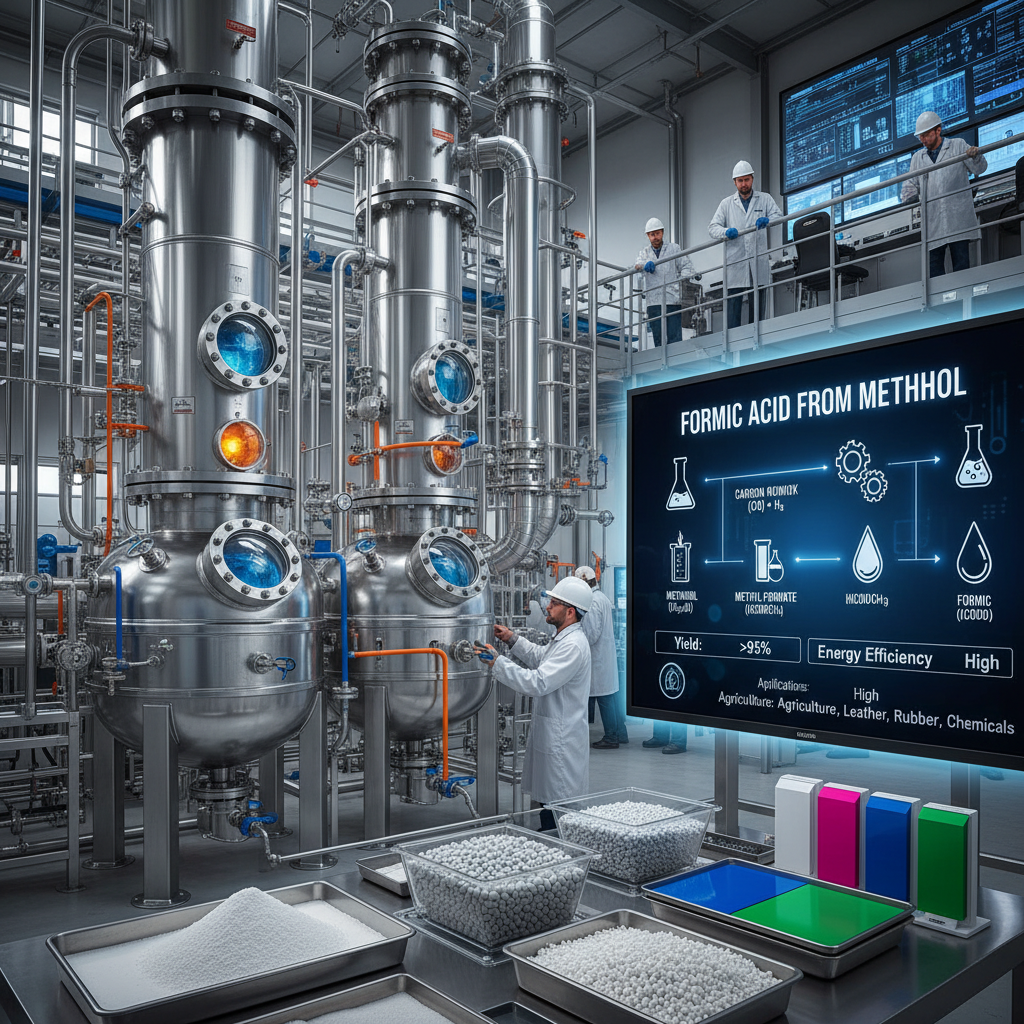
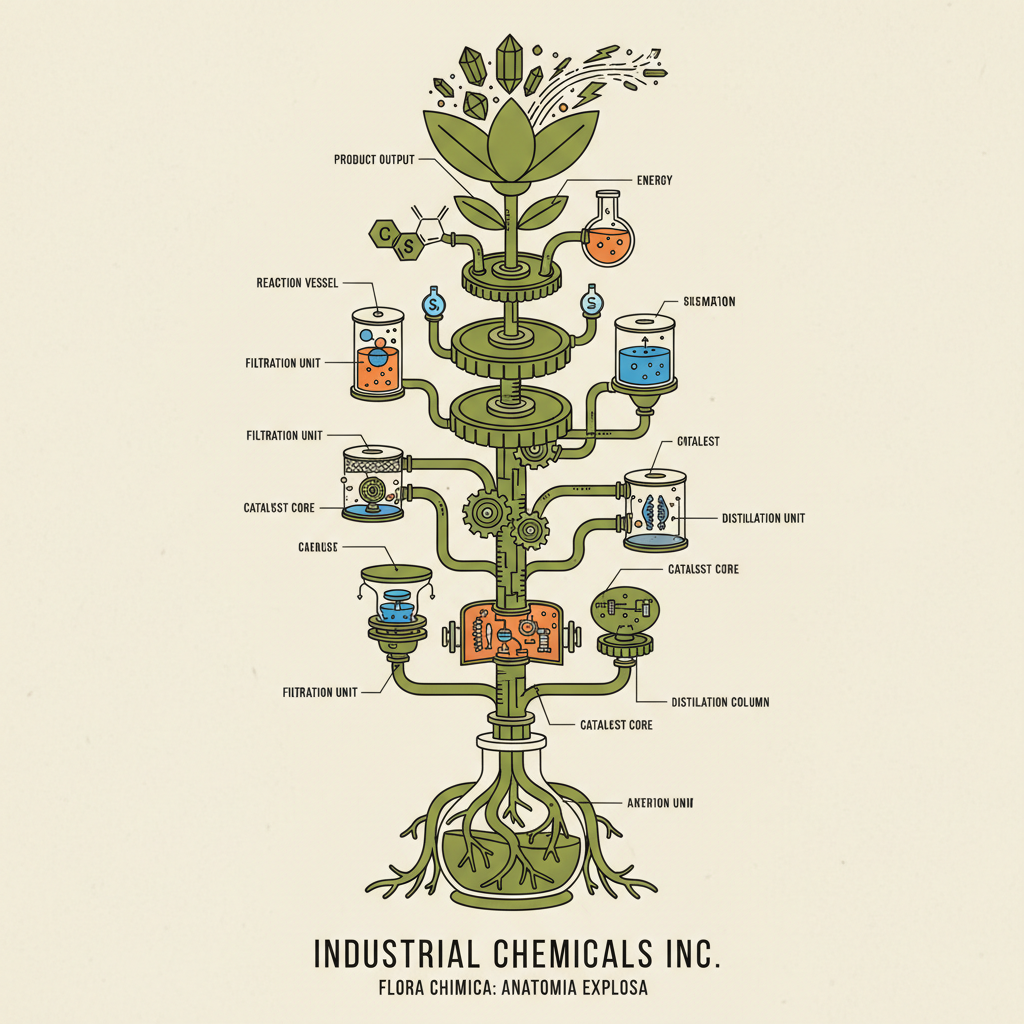
The synthesis of formic acid from methanol represents a critical intersection of organic chemistry and industrial efficiency, providing a streamlined pathway to one of the most versatile carboxylic acids used in modern manufacturing. As global demand for high-purity chemical intermediates rises, the ability to derive formic acid from a readily available feedstock like methanol ensures a stable supply chain for various sectors, including leather tanning, textile processing, and agricultural preservation.
From a global economic perspective, optimizing the production of formic acid from methanol is not merely about chemical yield, but about reducing the energy footprint of the synthesis process. By leveraging advanced catalytic systems, manufacturers can minimize waste and maximize the conversion rate, aligning industrial output with the rigorous standards of green chemistry. This transition is essential for companies aiming to balance high-volume industrial output with environmental stewardship.
Understanding the nuances of this production method allows procurement managers and chemical engineers to better evaluate product quality and cost-effectiveness. Whether used as a preservative in livestock feed or as a critical component in rubber coagulation, the quality of formic acid derived from methanol dictates the performance of the end product, making the choice of synthesis route a strategic business decision.
The Chemical Foundation of Formic Acid from Methanol
At its core, the production of formic acid from methanol involves the carbonylation of methanol, typically in the presence of a catalyst. This process transforms a simple alcohol into a powerful organic acid, utilizing carbon monoxide to build the carbon chain. The precision of this reaction is what allows industrial plants to achieve high purity levels, ensuring the resulting acid is suitable for sensitive applications in the pharmaceutical and food additive industries.
The chemical stability and reactivity of the resulting formic acid make it an indispensable tool for pH regulation and as a reducing agent. By controlling the pressure and temperature during the methanol conversion phase, chemists can tailor the concentration of the acid to meet specific industrial grades, ranging from technical grade for industrial cleaning to high-purity grades for laboratory synthesis.
Industrial Scalability and Production Logistics
Scaling the synthesis of formic acid from methanol requires a sophisticated infrastructure capable of handling volatile precursors and high-pressure environments. Modern chemical plants utilize continuous flow reactors rather than batch processing to maintain a steady output, which significantly reduces the downtime associated with catalyst regeneration and reactor cleaning. This scalability is what allows the product to remain affordable for large-scale agricultural and textile applications.
Logistically, the integration of methanol supply chains is paramount. Because methanol is a primary commodity, producers of formic acid often co-locate their facilities near methanol refineries to minimize transport costs and risks. This strategic positioning ensures that the raw material is delivered via pipeline or rail in bulk, maintaining a lean production cycle that protects the final price of the chemical for the end consumer.
Furthermore, the storage and transport of the resulting formic acid require specialized materials, such as high-density polyethylene (HDPE) or stainless steel, due to the acid's corrosive nature. Ensuring that the logistics chain from the methanol reactor to the final customer is airtight and corrosion-resistant is a key factor in maintaining the purity and safety of the chemical shipment.
Key Catalytic Factors in Methanol Conversion
The efficiency of producing formic acid from methanol is heavily dependent on the choice of catalyst. Transition metal catalysts, particularly those based on palladium or ruthenium, are often employed to lower the activation energy of the carbonylation process. This allows the reaction to occur at lower temperatures, reducing the risk of thermal degradation of the product.
One of the most significant challenges in the conversion of formic acid from methanol is catalyst poisoning. Trace impurities in the methanol feedstock, such as sulfur compounds, can bind to the active sites of the catalyst, drastically reducing the reaction rate. Consequently, rigorous pre-purification of methanol is a non-negotiable step in high-yield industrial operations.
Recent innovations have seen the rise of heterogeneous catalysts, which can be easily separated from the liquid product. These catalysts provide a more sustainable approach to the production of formic acid from methanol by allowing for easier recycling of the catalytic material and reducing the amount of chemical waste generated during the purification phase.
Cost Efficiency and Yield Optimization
Achieving maximum cost efficiency in the synthesis of formic acid from methanol involves a delicate balance between reaction pressure and catalyst longevity. While higher pressures can drive the equilibrium toward the product, they also increase the energy costs associated with compression and require more expensive reactor alloys. Optimization involves finding the "sweet spot" where the yield per pass is maximized without exponentially increasing operational expenditure.
Additionally, heat integration systems are implemented to capture the exothermic energy released during the carbonylation of methanol. This captured heat is then repurposed to pre-heat the incoming feedstock, creating a closed-loop energy system that significantly lowers the overall carbon footprint and utility costs of the production facility.
Efficiency Analysis of Formic Acid from Methanol Methods
Global Applications Across Major Industries
The versatility of formic acid from methanol makes it a cornerstone in various industrial sectors. In the leather industry, it is used extensively for the pickling process, where it helps in adjusting the pH of hides to ensure uniform tanning. Its ability to penetrate deep into the collagen fibers makes it superior to other organic acids, ensuring a high-quality finish for premium leather goods.
Beyond textiles and leather, this chemical is critical in the agricultural sector as a preservative and antibacterial agent in silage and livestock feed. By inhibiting the growth of molds and bacteria, formic acid derived from methanol helps farmers maintain the nutritional value of feed over long periods, reducing waste and improving animal health in remote industrial farming zones.
Environmental Impact and Green Chemistry
As the world shifts toward a circular economy, the production of formic acid from methanol is being reimagined through the lens of sustainability. The integration of "green methanol"—derived from captured CO2 and renewable hydrogen—allows for the creation of a carbon-neutral formic acid. This transformation effectively turns a greenhouse gas into a valuable industrial asset, showcasing the power of carbon capture and utilization (CCU) technologies.
Furthermore, the industry is moving away from harsh solvent-based purification methods in favor of membrane separation. This transition not only reduces the emission of volatile organic compounds (VOCs) but also lowers the energy requirement for distillation. By optimizing the methanol-to-acid pathway, manufacturers can significantly reduce their environmental footprint while maintaining high output.
The long-term value of this approach lies in the ability to decouple chemical production from fossil fuel dependency. By utilizing bio-based methanol, the entire lifecycle of the formic acid production process becomes a tool for environmental remediation, providing a sustainable alternative for industries that cannot easily switch to non-acidic alternatives.
Future Trends in Formic Acid Synthesis
The future of synthesizing formic acid from methanol is likely to be dominated by the rise of electrochemical synthesis. By using electricity to drive the reaction at ambient temperatures and pressures, the industry could eliminate the need for high-energy thermal reactors. This shift toward electrification would allow production facilities to be powered entirely by wind or solar energy, further enhancing the "green" credentials of the process.
Digital transformation is also playing a pivotal role, with AI-driven process control systems now capable of predicting catalyst decay and adjusting reactor parameters in real-time. This predictive maintenance ensures that the conversion of methanol to formic acid remains at peak efficiency, minimizing unplanned shutdowns and maximizing the lifecycle of expensive precious-metal catalysts.
Additionally, we are seeing an increase in the use of formic acid as a hydrogen carrier. Because it can store hydrogen in a liquid state and release it upon demand through decomposition, the methanol-derived formic acid market is expanding into the energy sector, positioning itself as a key player in the future hydrogen economy.
Comparison of Synthesis Pathways for Formic Acid from Methanol
| Production Method |
Energy Requirement |
Purity Level |
Sustainability Score |
| Traditional Carbonylation |
High |
98% |
5/10 |
| Heterogeneous Catalyst |
Medium |
99% |
7/10 |
| Green Methanol Feedstock |
Medium |
98% |
9/10 |
| Electrochemical Route |
Low |
97% |
10/10 |
| Low-Temp Catalysis |
Low |
99% |
8/10 |
| Combined Hybrid System |
Medium |
99.5% |
8/10 |
FAQS
Methanol is used because it is a cheap, abundant, and highly reactive alcohol. The carbonylation of methanol allows for a direct and efficient route to produce high-purity formic acid, making it the most economically viable method for large-scale industrial production compared to older, more wasteful synthesis routes.
Depending on the purification steps (such as distillation or membrane filtration), the purity can range from 85% for technical grade to over 99% for high-purity chemical grades. Most industrial applications in the pharmaceutical or food additive sectors require the high-purity variant to avoid methanol residue.
Traditional methods have a carbon footprint, but the shift toward green methanol (produced from captured CO2) and electrochemical synthesis is making the process significantly more eco-friendly. When combined with renewable energy, this synthesis route can actually contribute to carbon sequestration.
The catalyst determines the activation energy and selectivity of the reaction. High-performance catalysts like palladium-based systems increase the conversion rate of methanol to formic acid while minimizing side reactions, which directly leads to higher yields and lower waste.
Yes, provided that the product undergoes rigorous purification to remove any remaining methanol or catalyst residues. Once purified to meet food-grade standards (such as FCC or USP), it is widely used as an acidulant and preservative in the food and beverage industry.
The primary risks include the toxicity and flammability of methanol, the toxicity of carbon monoxide (used in carbonylation), and the corrosive nature of the resulting formic acid. These are managed through airtight reactor designs, advanced ventilation systems, and the use of corrosion-resistant alloys.
Conclusion
The synthesis of formic acid from methanol is more than just a chemical reaction; it is a strategic industrial process that fuels multiple global supply chains. By integrating advanced catalytic systems, focusing on yield optimization, and transitioning toward green methanol feedstocks, the industry is successfully balancing the demand for high-performance chemicals with the necessity of environmental sustainability.
Looking forward, the integration of AI-driven process control and the exploration of electrochemical pathways will likely redefine the efficiency of this synthesis. For companies and procurement professionals, prioritizing high-purity, sustainably produced formic acid will not only ensure product quality but also safeguard against future regulatory shifts toward carbon neutrality. To learn more about our high-grade chemical solutions, visit our website: www.tengerchemical.com