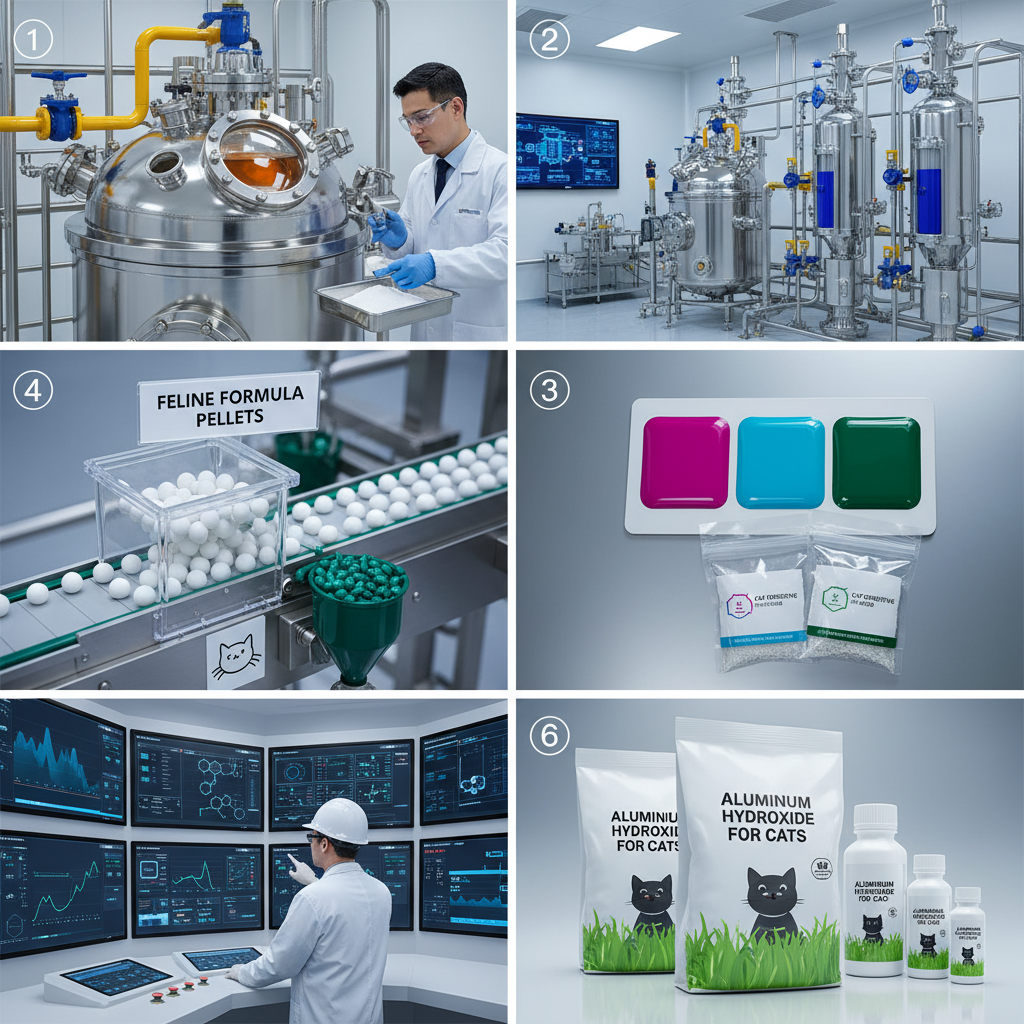
Aluminum hydroxide for cats, while seemingly a niche topic, is a vital consideration for veterinary professionals and pet owners alike. It’s primarily utilized as an antacid, helping to neutralize excess stomach acid in felines experiencing gastrointestinal upset. Understanding its proper usage, dosage, and potential side effects is crucial for ensuring the well-being of our feline companions. This knowledge base helps address common issues like acid reflux, gastritis, and certain types of poisoning, offering a safe and effective treatment option.
The demand for safe and effective feline medication is consistently high, driven by a growing pet ownership population and increased awareness of animal health. Aluminum hydroxide's role as a readily available and relatively inexpensive antacid makes it a frequently prescribed medication by veterinarians. Its efficacy in managing a variety of digestive issues underscores its importance in feline healthcare. Moreover, responsible pet ownership fuels a proactive approach to health management, creating a consistent need for this type of veterinary solution.
Navigating the world of feline medication can be complex. Many pet owners are seeking reliable information about treating common ailments at home, under veterinary guidance, of course. Aluminum hydroxide for cats provides a relatively simple and accessible solution for certain digestive problems, making it a valuable tool in the broader context of feline wellness. The proper administration and understanding of its limitations are central to its safe and effective use.
Introduction to Aluminum Hydroxide for Cats
Aluminum hydroxide is an inorganic salt widely employed in veterinary medicine as an antacid. Its mechanism of action involves reacting with hydrochloric acid in the stomach, neutralizing it and providing relief from indigestion, heartburn, and nausea. It's a relatively safe and readily available option for managing feline gastrointestinal distress.
The use of aluminum hydroxide for cats is generally reserved for short-term treatment of mild to moderate digestive upset. Long-term or excessive use can lead to side effects, making accurate dosage and veterinary consultation essential. Understanding the correct application is paramount to maximizing benefits while minimizing potential risks.
Understanding the Chemical Properties
Aluminum hydroxide (Al(OH)₃) is a white, odorless powder insoluble in water. Its antacid properties stem from its ability to absorb hydrogen ions (H⁺) from gastric acid, effectively reducing stomach acidity. This chemical reaction forms aluminum salts, which are then excreted from the body. The process is crucial for alleviating symptoms associated with acid reflux and gastritis in cats.
The chemical stability of aluminum hydroxide is relatively high, though it can interact with certain medications, decreasing their absorption. Therefore, it's vital to inform your veterinarian about all medications your cat is taking to avoid potential drug interactions. This includes other antacids, antibiotics, and any medications metabolized by the kidneys.
The particle size of aluminum hydroxide also plays a role in its efficacy. Finer particles tend to offer more surface area for reaction with stomach acid, leading to faster and more complete neutralization. Pharmaceutical formulations for veterinary use are carefully controlled to ensure optimal particle size and bioavailability.
Dosage and Administration Guidelines
The correct dosage of aluminum hydroxide for cats is critically dependent on the cat's weight and the severity of the gastrointestinal symptoms. Generally, a typical dose ranges from 50 to 150 mg per kilogram of body weight, given every 6-8 hours as needed. However, always follow your veterinarian's specific instructions.
Aluminum hydroxide is typically available in liquid or tablet form. Liquid formulations are often easier to administer to reluctant cats, while tablets can be concealed in food. It's essential to shake the liquid suspension well before each use to ensure uniform distribution of the active ingredient. Never administer aluminum hydroxide without first consulting your veterinarian, as underlying conditions may require alternative treatments.
Care should be taken to avoid exceeding the recommended dosage, as excessive aluminum intake can lead to adverse effects. Observe your cat closely for any signs of constipation, lethargy, or changes in appetite after administering the medication. If these symptoms occur, discontinue use and contact your veterinarian immediately.
Common Uses of Aluminum Hydroxide in Felines
Aluminum hydroxide is commonly prescribed for cats experiencing acid indigestion, heartburn, or nausea. It’s frequently used to treat gastritis, a condition characterized by inflammation of the stomach lining. It can also be beneficial in managing symptoms associated with dietary indiscretion, such as eating something they shouldn’t have.
In certain cases, aluminum hydroxide can be used as part of a treatment plan for poisoning, particularly after ingestion of corrosive substances. By neutralizing stomach acid, it can help to prevent further damage to the esophagus and stomach lining. However, this should only be done under the direct guidance of a veterinarian.
Aluminum Hydroxide Efficacy for Common Feline Ailments
Global Veterinary Practices & Regulations
The use of aluminum hydroxide for cats is widely accepted within the global veterinary community, though regulations surrounding its sale and administration can vary by country. In many regions, it’s considered an over-the-counter medication, allowing pet owners to purchase it without a prescription. However, veterinary consultation is always recommended to ensure appropriate use.
Veterinary professionals in Europe, North America, and Australia generally follow similar guidelines for dosing and administration. Ongoing research focuses on optimizing formulations and minimizing potential side effects, furthering the responsible use of aluminum hydroxide in feline healthcare. The International Council for Harmonisation (ICH) provides guidelines influencing drug regulations globally, indirectly impacting the quality and safety standards of veterinary medications like aluminum hydroxide.
Benefits & Potential Risks
The primary benefit of aluminum hydroxide for cats is its rapid and effective relief of gastrointestinal symptoms. It’s a cost-effective solution for managing mild to moderate digestive upset, offering a convenient option for pet owners. Its accessibility also contributes to its widespread use.
However, potential risks exist. Long-term or excessive use can lead to aluminum toxicity, resulting in constipation, lethargy, and even neurological problems. It can also interfere with the absorption of other medications. It is vital to adhere to veterinary recommendations and monitor your cat for any adverse reactions.
Future Developments and Alternatives
Research is ongoing to develop alternative antacids with fewer potential side effects. Proton pump inhibitors (PPIs) and H2 receptor antagonists are being increasingly explored for long-term management of gastric acid secretion in cats. These medications offer a more targeted approach, reducing acid production rather than simply neutralizing existing acid.
Furthermore, advancements in feline nutrition are focusing on preventative measures to reduce the incidence of digestive upset. Formulas designed to promote gut health and reduce food sensitivities are becoming more prevalent, potentially decreasing the need for antacid medications. Nanotechnology may also play a role in developing more efficient and targeted aluminum hydroxide formulations in the future.
Summary of Aluminum Hydroxide Alternatives for Feline Digestive Health
| Alternative Medication |
Mechanism of Action |
Potential Side Effects |
Cost (1-5, 5=highest) |
| Ranitidine (H2 Blocker) |
Reduces histamine-stimulated acid production |
Lethargy, vomiting, diarrhea |
2 |
| Omeprazole (PPI) |
Inhibits the proton pump, reducing acid production |
Diarrhea, vomiting, decreased appetite |
3 |
| Sucralfate |
Forms a protective barrier over ulcers |
Constipation, dehydration |
2 |
| Dietary Fiber Supplementation |
Adds bulk to stool and regulates digestion |
Bloating, flatulence |
1 |
| Probiotics |
Restores healthy gut bacteria |
Mild digestive upset |
2 |
| Prescription Digestive Diets |
Formulated to be easily digestible and reduce inflammation |
Palatability issues |
4 |
FAQS
The dosage varies greatly depending on your cat’s weight and the severity of their symptoms. A typical range is 50-150mg per kilogram of body weight every 6-8 hours, but always follow your veterinarian’s precise instructions. Never exceed the recommended dose.
Aluminum hydroxide can interact with other medications, reducing their effectiveness. It's crucial to inform your veterinarian about all medications your cat is taking, including prescription drugs, over-the-counter medications, and supplements, before administering aluminum hydroxide. They can assess potential interactions and adjust dosages accordingly.
Common side effects include constipation, lethargy, and changes in appetite. In rare cases, long-term or excessive use can lead to aluminum toxicity, causing more serious neurological problems. If you observe any adverse reactions, discontinue use and contact your veterinarian immediately.
Use aluminum hydroxide with extreme caution in kittens. Their systems are more sensitive, and the risk of side effects is higher. Veterinary consultation is essential before administering any medication to a kitten, including aluminum hydroxide. Alternative treatments may be more appropriate for young animals.
Aluminum hydroxide is available in liquid and tablet forms. Liquid formulations are often easier to administer. Shake the liquid well before use. You can try mixing it with a small amount of wet food or administering it directly into the mouth using a syringe. Tablets can be hidden in a pill pocket or small piece of food.
If your cat is experiencing severe symptoms such as vomiting, diarrhea, loss of appetite, or lethargy, seek veterinary attention immediately. Aluminum hydroxide is suitable for mild to moderate digestive upset, but more serious conditions require professional diagnosis and treatment. Also consult your vet if symptoms persist or worsen after administering aluminum hydroxide.
Conclusion
Aluminum hydroxide remains a valuable tool in managing feline gastrointestinal distress, offering a readily available and generally effective solution for mild to moderate symptoms. However, responsible use hinges on accurate dosage, veterinary guidance, and awareness of potential side effects. Understanding its chemical properties, appropriate applications, and limitations is paramount for ensuring the well-being of our feline companions.
As veterinary medicine continues to advance, exploring alternative therapies and preventative nutritional strategies will play an increasingly important role in optimizing feline digestive health. While aluminum hydroxide will likely remain a relevant treatment option, a holistic approach to pet care, prioritizing proactive health management and informed decision-making, will be key to a brighter future for our beloved cats.