Hydroxy benzotriazole, a versatile organic compound, is gaining increasing attention across diverse industries, from pharmaceuticals and agrochemicals to photography and corrosion inhibition. Its unique chemical properties make it an invaluable component in numerous applications, driving research and development globally. Understanding its synthesis, applications, and safety considerations is paramount for professionals and researchers alike. This comprehensive overview explores the multifaceted role of hydroxy benzotriazole, highlighting its significance in modern chemistry and industry.
The global demand for hydroxy benzotriazole is steadily rising, fueled by the growth of industries that rely on its stabilizing and protective qualities. According to market research reports, the demand is particularly strong in emerging economies, where infrastructure development and industrial expansion are accelerating. This increased demand necessitates sustainable and efficient production methods, as well as rigorous quality control measures to ensure product consistency and purity.
Hydroxy benzotriazole serves as a critical building block for a wide range of innovative solutions, addressing challenges in product stability, performance, and longevity. Its ability to act as a UV stabilizer, antioxidant, and corrosion inhibitor positions it as a vital component in ensuring the quality and reliability of countless products, benefiting both manufacturers and end-users worldwide.
Introduction to Hydroxy Benzotriazole
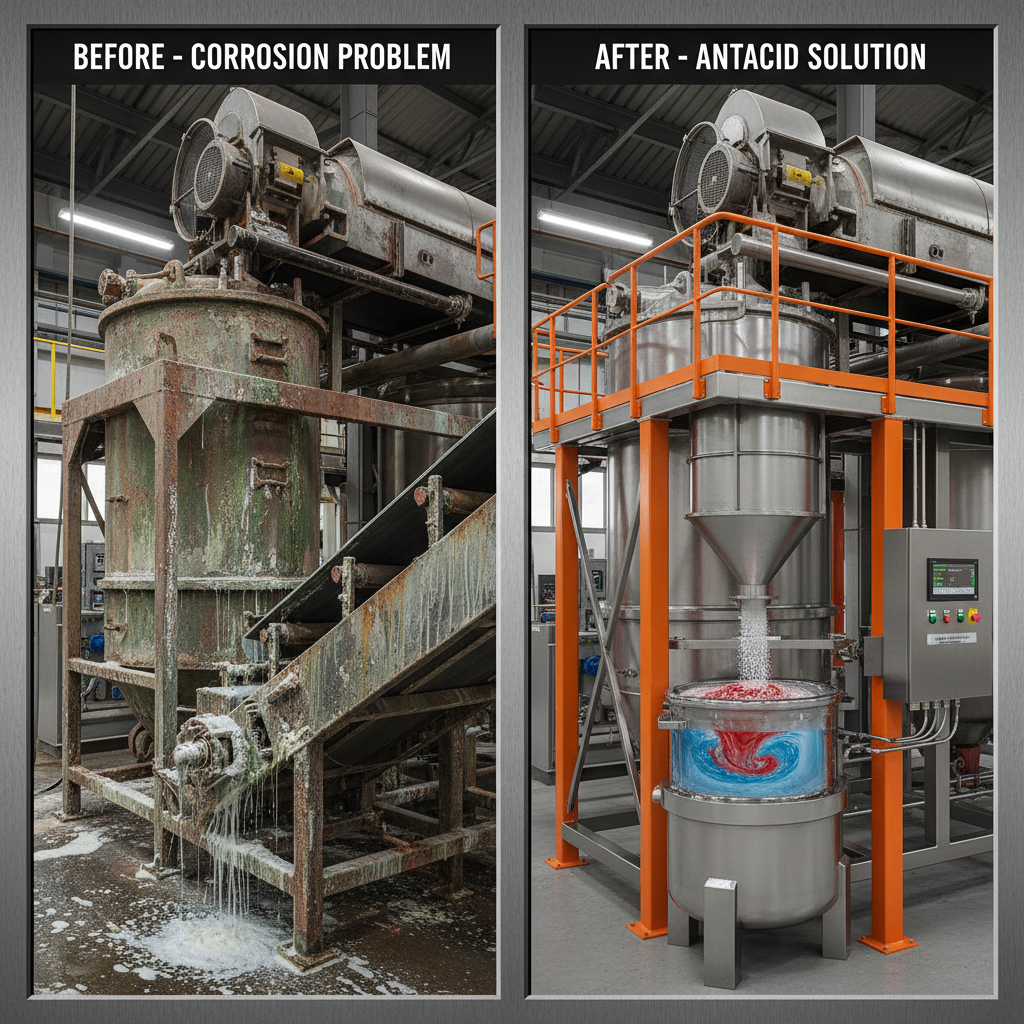
Hydroxy benzotriazole, a heterocyclic organic compound, is widely employed as a corrosion inhibitor, particularly for copper and its alloys. Its ability to form a protective layer on metal surfaces significantly reduces corrosion rates in diverse environments. This property is crucial in industries ranging from electronics and automotive to marine engineering. hydroxy benzotriazole is also instrumental in preventing corrosion in cooling water systems, extending the lifespan of critical equipment.
Beyond corrosion inhibition, hydroxy benzotriazole plays a key role in photostabilization, preventing degradation of polymers and plastics caused by UV radiation. This is especially important in outdoor applications, such as automotive parts, agricultural films, and architectural coatings. The compound acts as a UV absorber, converting harmful UV rays into harmless heat, thus preserving the material’s integrity and performance over time.
Defining Hydroxy Benzotriazole
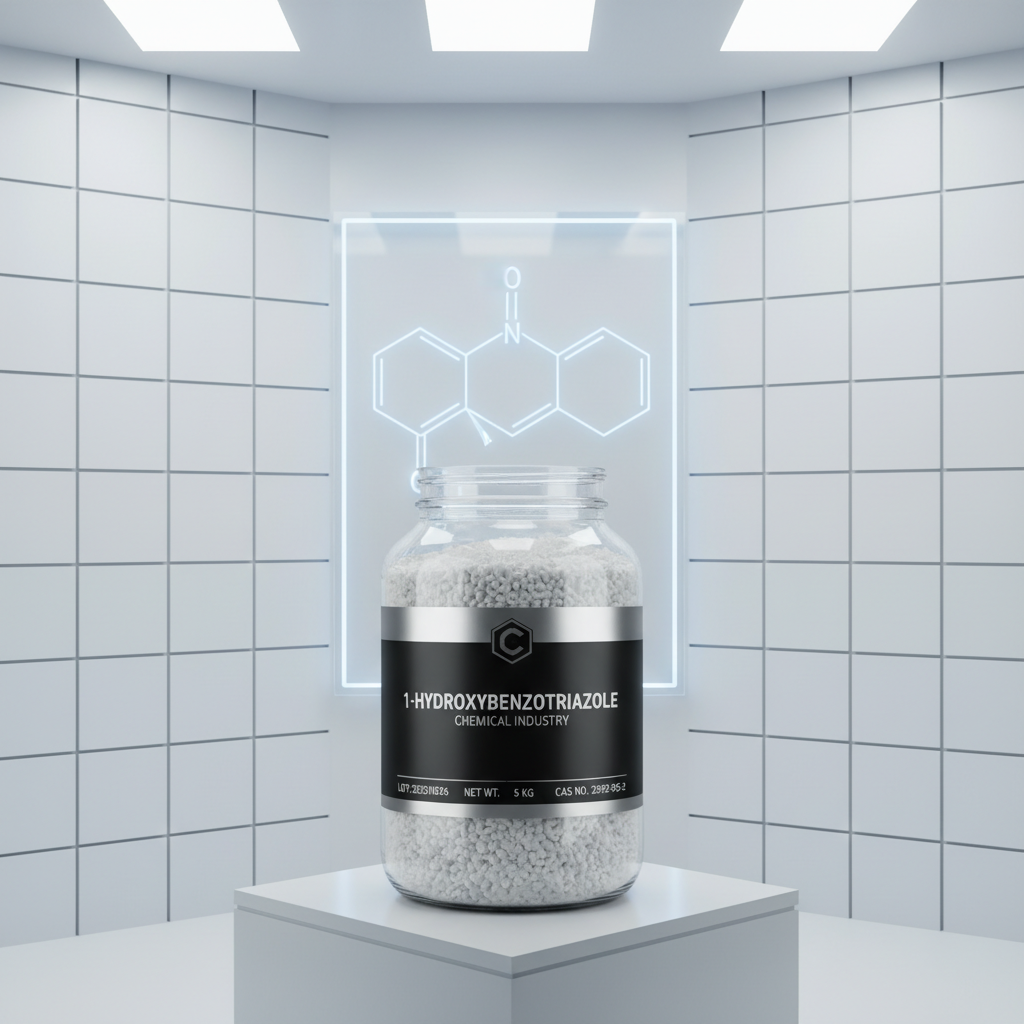
Hydroxy benzotriazole (HOBt) is a chemical compound with the molecular formula C6H5N3O. It is a white to off-white crystalline powder, soluble in various organic solvents and sparingly soluble in water. Its chemical structure features a benzotriazole ring with a hydroxyl group attached, which contributes significantly to its unique properties and reactivity.
In modern industry, HOBt is most notably used as an additive in peptide synthesis, enhancing coupling efficiency and reducing racemization. This makes it an indispensable component in the pharmaceutical industry for the production of complex peptides and proteins. Its influence extends to the production of high-quality pharmaceuticals, enabling more efficient and reliable synthesis pathways.
Furthermore, HOBt serves as a crucial intermediate in the manufacturing of dyes, pigments, and specialty chemicals, bolstering numerous industrial processes. Its capacity to undergo diverse chemical reactions makes it a versatile precursor for creating a range of valuable products.
Key Chemical Properties
One of the defining characteristics of hydroxy benzotriazole is its exceptional thermal stability, allowing it to maintain its structural integrity even at elevated temperatures. This stability is crucial in many industrial processes where high-temperature reactions are involved. This property, combined with its resistance to oxidation, ensures its effectiveness in harsh environments.
Hydroxy benzotriazole demonstrates strong chelating abilities, forming stable complexes with metal ions. This property is particularly valuable in corrosion inhibition, as it allows the compound to effectively bind to metal surfaces, creating a protective barrier against corrosive agents. It also contributes to its effectiveness in metal finishing applications.
The compound's UV absorption properties are also significant, enabling it to block harmful ultraviolet radiation. This feature makes it a valuable component in UV stabilizers used in plastics, coatings, and sunscreens, protecting materials and skin from UV damage. Its inherent stability under UV exposure ensures long-lasting protection.
Practical Applications
Hydroxy benzotriazole finds extensive application in the electronics industry, where it’s used as a corrosion inhibitor for copper circuits and components. The prevention of corrosion is critical for the reliability and longevity of electronic devices, and HOBt provides an effective solution. It’s utilized in printed circuit boards (PCBs) and connectors, safeguarding against degradation and ensuring optimal performance.
In the automotive sector, HOBt is incorporated into antifreeze formulations and cooling system additives to prevent corrosion of engine components. Protecting cooling systems from corrosion is essential for maintaining engine efficiency and preventing costly repairs, making HOBt a vital component in automotive maintenance.
Hydroxy Benzotriazole Application Efficacy Comparison
Global Industry Landscape
The production of hydroxy benzotriazole is primarily concentrated in Asia, with China being the leading manufacturer. This is driven by the availability of raw materials, lower production costs, and a robust chemical industry infrastructure. However, quality control and environmental regulations are increasingly important considerations in the region.
North America and Europe represent significant consumer markets for hydroxy benzotriazole, importing large quantities for various applications. These regions often have stricter quality standards and demand high-purity products. Consequently, manufacturers serving these markets invest heavily in quality assurance and sustainable production practices.
Advantages & Future Outlook
Utilizing hydroxy benzotriazole offers a considerable cost advantage compared to alternative corrosion inhibitors and UV stabilizers. Its high efficacy allows for lower dosage requirements, translating into reduced material costs and improved overall economic viability. This cost-effectiveness makes it an attractive option for businesses seeking to optimize their operational expenses.
The future of hydroxy benzotriazole looks promising, with ongoing research focused on enhancing its performance and expanding its applications. Developments in nanotechnology are exploring the use of HOBt-based nanoparticles for improved corrosion protection and targeted drug delivery. Moreover, advancements in green chemistry are aiming to develop more sustainable and environmentally friendly production processes.
The increasing demand for high-performance materials and the growing awareness of environmental sustainability are driving the continued adoption of hydroxy benzotriazole across various industries, solidifying its position as a key chemical compound for years to come.
Challenges & Mitigation Strategies
One significant challenge associated with hydroxy benzotriazole is its potential environmental impact. Improper disposal of waste containing HOBt can lead to water contamination and ecological damage. Therefore, robust waste management protocols and environmentally responsible disposal methods are crucial for mitigating these risks.
Another concern is the potential for skin sensitization and allergic reactions in some individuals exposed to HOBt. Implementing appropriate safety measures, such as wearing protective gear and providing adequate ventilation, is essential to minimize worker exposure and ensure occupational safety.
Addressing these challenges requires collaborative efforts between manufacturers, regulators, and researchers to develop innovative solutions and promote sustainable practices throughout the entire lifecycle of hydroxy benzotriazole, from production to disposal.
Core Analysis of Challenges and Mitigation Strategies for Hydroxy Benzotriazole
| Challenge Category |
Specific Challenge |
Mitigation Strategy |
Implementation Cost (1-10) |
| Environmental |
Water Contamination |
Advanced Wastewater Treatment |
7 |
| Occupational Safety |
Skin Sensitization |
Enhanced PPE & Ventilation |
4 |
| Regulatory |
Stricter Emission Standards |
Process Optimization & Control |
6 |
| Supply Chain |
Raw Material Sourcing |
Diversification of Suppliers |
5 |
| Technological |
Production Efficiency |
Catalytic Process Improvement |
8 |
| Economic |
Production Costs |
Economies of Scale & Automation |
9 |
FAQS
Hydroxy benzotriazole is primarily used as a corrosion inhibitor, especially for copper and its alloys. It's also vital in peptide synthesis, acting as a coupling reagent to improve efficiency and reduce racemization. Furthermore, its UV absorption properties make it a valuable additive in plastics and coatings, preventing degradation from sunlight. It's utilized in diverse sectors, including electronics, automotive, and pharmaceuticals.
Hydroxy benzotriazole often offers a favorable balance between cost and effectiveness. While some alternatives may offer higher levels of corrosion protection in specific applications, HOBt generally provides sufficient protection at a lower cost. Its efficacy is enhanced by its ability to form a stable protective layer on metal surfaces, reducing corrosion rates effectively. Dosage levels can often be optimized to further reduce costs.
Hydroxy benzotriazole can cause skin sensitization and eye irritation. Therefore, it's crucial to wear appropriate personal protective equipment (PPE), including gloves, safety glasses, and a lab coat, when handling the compound. Ensure adequate ventilation in the work area to minimize inhalation of dust. Refer to the Safety Data Sheet (SDS) for comprehensive safety information and handling guidelines.
Hydroxy benzotriazole's environmental impact is a concern due to its potential for water contamination. Efforts are underway to develop more sustainable production processes and effective wastewater treatment methods to minimize its release into the environment. Research into bio-based corrosion inhibitors and UV stabilizers is also progressing, offering potential long-term alternatives. Responsible disposal practices are crucial.
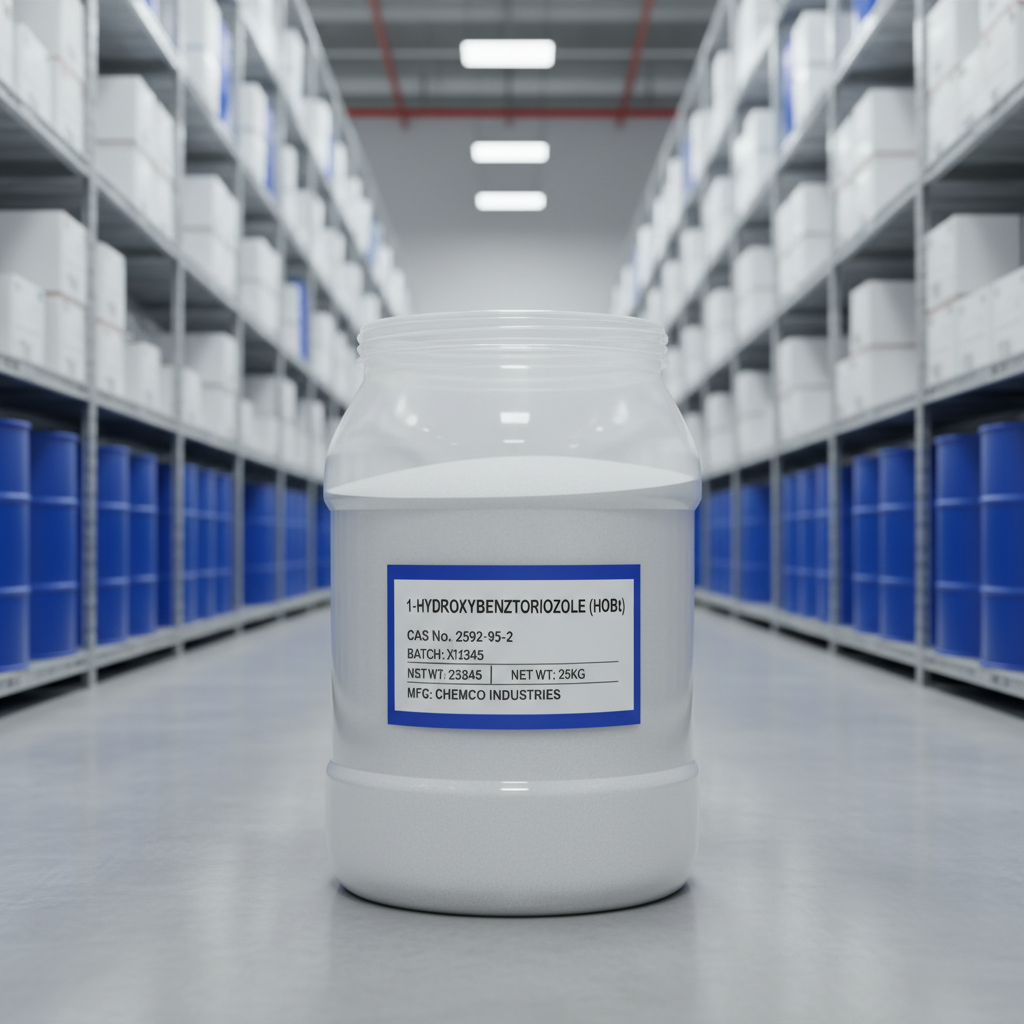
Hydroxy benzotriazole typically has a shelf life of several years when stored correctly. It should be kept in a tightly closed container, protected from light, heat, and moisture. Store it in a cool, dry, and well-ventilated area. Following the manufacturer’s recommendations on storage conditions will ensure the product’s stability and maintain its quality over time.
Regulations governing hydroxy benzotriazole vary depending on the country and its specific applications. In many regions, it’s subject to chemical registration requirements, such as REACH in Europe and TSCA in the United States. These regulations often address environmental protection, worker safety, and product labeling. It’s essential to comply with all applicable local regulations when importing, manufacturing, or using hydroxy benzotriazole.
Conclusion
Hydroxy benzotriazole stands as a critical component in a wide array of industrial applications, from safeguarding electronic components against corrosion to enhancing the stability of polymers and enabling efficient peptide synthesis. Its unique chemical properties and versatile functionality position it as an invaluable tool for improving product performance, extending material lifespan, and driving innovation. Understanding its properties, applications, and associated challenges is vital for professionals across diverse sectors.
Looking ahead, continued research and development efforts focused on sustainable production methods, enhanced safety protocols, and exploration of novel applications will further solidify hydroxy benzotriazole’s role in addressing global challenges. By embracing responsible manufacturing practices and prioritizing environmental stewardship, we can unlock the full potential of this remarkable compound while minimizing its impact on the planet. Visit our website: www.tengerchemical.com for more information.