TEL: 0086-311-88862036



Benzotriazole use is a critical aspect of modern industrial processes and material science, particularly in corrosion inhibition. Its applications span a vast range of sectors, from automotive coolants and cutting fluids to architectural coatings and even museum artifact preservation. Understanding the nuances of benzotriazole use – its effectiveness, environmental impact, and evolving regulations – is essential for ensuring both product longevity and sustainable practices.
The global demand for effective corrosion inhibitors is continuously growing, driven by the increasing need to protect infrastructure and valuable assets from degradation. This demand is particularly acute in developing economies experiencing rapid industrialization and infrastructure development. Data from the World Bank indicates significant annual losses due to corrosion, highlighting the economic importance of solutions like benzotriazole. Recognizing the significance of benzotriazole use is paramount for addressing this widespread challenge.
Effective corrosion control is not just an economic issue; it directly impacts safety and environmental sustainability. Benzotriazole's ability to form a protective layer on metal surfaces prevents material failure, reducing the risk of accidents and extending the lifespan of critical components. Investing in knowledge and best practices surrounding benzotriazole use contributes to a more resilient and environmentally responsible industrial landscape.
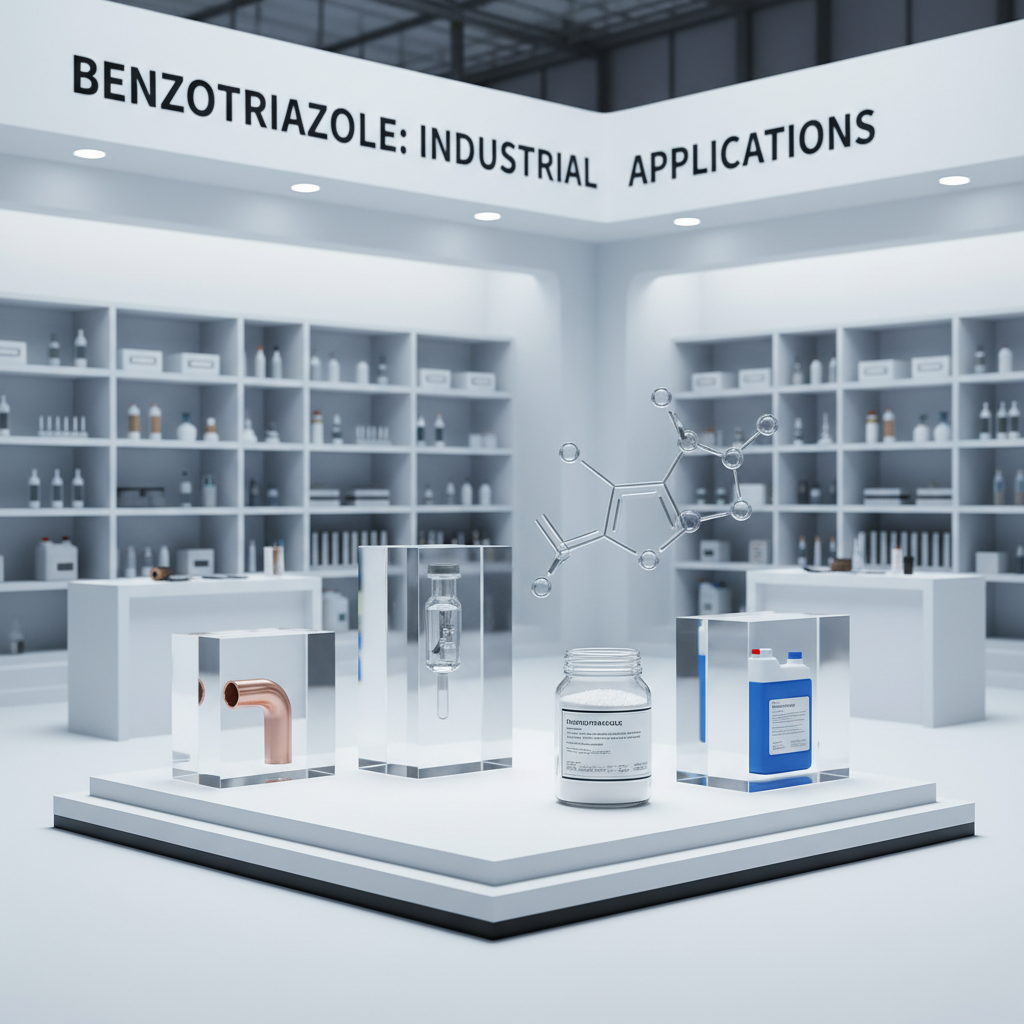
The primary function of benzotriazole use revolves around forming a protective, insoluble complex with metal surfaces – most commonly copper and its alloys. This complex acts as a barrier, preventing the metal from reacting with corrosive agents in the environment. The effectiveness of benzotriazole is determined by factors such as concentration, pH, temperature, and the specific metal being protected.
Beyond simple corrosion inhibition, benzotriazole also plays a role in UV stabilization, particularly in plastics and coatings. By absorbing harmful ultraviolet radiation, it prevents degradation and discoloration of materials exposed to sunlight. This dual functionality expands the applications of benzotriazole use beyond strictly metal protection.
The lifespan of metal components protected by benzotriazole varies considerably based on the environmental conditions, the type of metal, and the concentration of the inhibitor used. However, properly treated components can often experience a lifespan extended by 2 to 5 times compared to untreated counterparts. Regular inspection and reapplication of benzotriazole may be necessary to maintain optimal protection, particularly in harsh environments.
Yes, research is actively exploring several eco-friendly alternatives to benzotriazole. These include bio-based inhibitors derived from plant extracts, amino acids, and sugars. These alternatives often exhibit lower toxicity and biodegradability. However, their performance may not always match that of benzotriazole, and further development is often required to achieve comparable levels of corrosion protection.
The pH of the solution significantly impacts benzotriazole’s effectiveness. It generally performs optimally in a slightly alkaline to neutral pH range (around 7-8). In highly acidic conditions, benzotriazole can protonate and lose its ability to effectively coordinate with metal surfaces. Conversely, extremely alkaline conditions can sometimes promote the formation of insoluble complexes, reducing its protective capacity.
Benzotriazole is considered a chemical irritant. When handling it, always wear appropriate personal protective equipment (PPE), including gloves, safety glasses, and a lab coat. Avoid inhalation of dust or vapors, and ensure adequate ventilation. Refer to the Safety Data Sheet (SDS) for detailed safety information and handling procedures. Proper disposal methods should also be followed in accordance with local regulations.
While benzotriazole is highly effective for copper and its alloys (brass, bronze), its efficacy varies for other metals. It offers some protection to silver, zinc, and aluminum, but it's less effective on ferrous metals like steel. For steel, other corrosion inhibitors are generally preferred. The specific metal and its alloy composition significantly influence the effectiveness of benzotriazole.
Determining the optimal benzotriazole concentration depends on several factors, including the type of metal, the severity of the corrosive environment, and the desired level of protection. Typically, concentrations range from 50 ppm to 500 ppm, but testing is crucial. Laboratory corrosion tests simulating the intended application conditions should be conducted to identify the concentration that provides the best balance between corrosion inhibition and cost-effectiveness.
In conclusion, benzotriazole use remains a cornerstone of corrosion inhibition across diverse industries, offering significant economic and sustainability benefits. Its ability to form protective layers on metal surfaces and its versatility in various applications make it an indispensable chemical for preserving infrastructure, extending product lifecycles, and safeguarding valuable assets. Continued innovation in application methods and exploration of environmentally friendly alternatives are crucial for maximizing its benefits while minimizing its environmental impact.
Looking ahead, the future of benzotriazole use will likely involve a more integrated approach, combining traditional corrosion inhibition with advanced monitoring technologies and sustainable materials. Prioritizing research into bio-based alternatives and optimizing application processes to reduce waste will be essential for ensuring the long-term viability and responsible use of this vital chemical. Visit our website to learn more about our benzotriazole products and services: benzotriazole use.